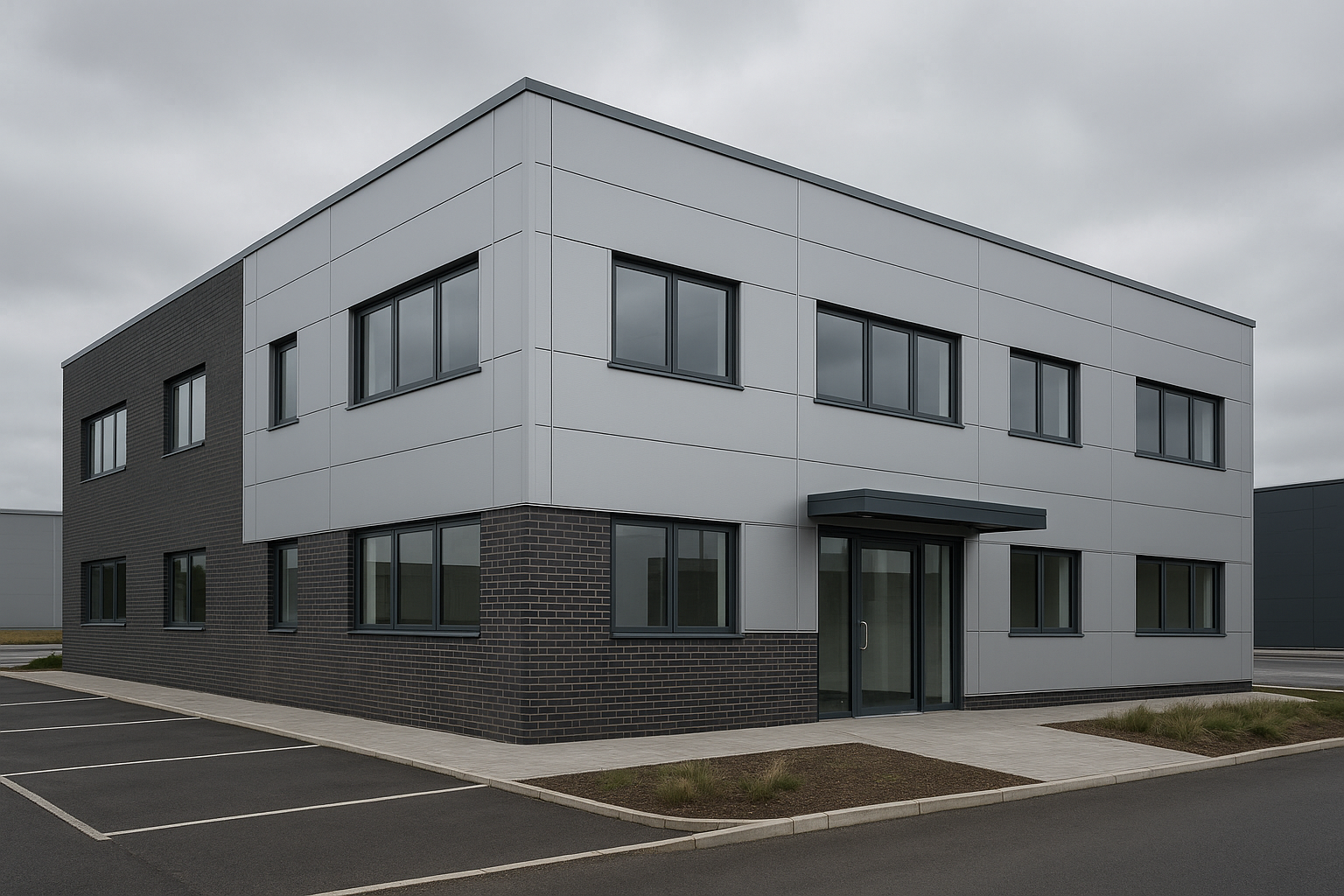
The job is not finished when the enclosure comes down or the contractor packs away. If you are asking what should be done after any asbestos-related work is completed? the answer starts with one principle: nobody should go back into the area until it has been properly cleaned, checked, documented and, where required, formally cleared for reoccupation.
That applies whether the work involved sampling, a minor repair, encapsulation, maintenance on asbestos-containing materials, or full asbestos removal. Under the Control of Asbestos Regulations, supported by HSE guidance and HSG264, duty holders, employers and those in control of premises must make sure risks have been controlled and records accurately reflect the current condition of the building.
Get this stage wrong and you can create fresh exposure risks, delay follow-on trades, confuse occupants and leave your organisation exposed if there is a later incident. For property managers, landlords, facilities teams and contractors, the post-work stage is where practical safety and legal compliance meet.
What should be done after any asbestos-related work is completed? Start with safe reoccupation
The first question is simple: is the area genuinely safe to use again? Reoccupation should never be based on appearance alone, and it should never rely on a contractor saying the area is probably fine.
What should be done after any asbestos-related work is completed? The area should be cleaned using suitable methods, inspected for visible debris, all asbestos waste should be removed correctly, and any required clearance procedures should be completed before access is restored.
As a practical checklist, you should expect the following after asbestos-related work:
- A controlled specialist clean of the work area
- Decontamination of tools, equipment and reusable items
- Correct bagging, labelling and removal of asbestos waste
- Visual inspection for dust, residue, debris or damage
- Air testing and formal clearance where the work requires it
- Updated asbestos records, including the register and management plan
- A clear handover to staff, occupants and follow-on contractors
- Ongoing management of any asbestos still left in the building
One of the most common mistakes is assuming that removing one asbestos material means the whole building is now asbestos-free. It rarely does. In many premises, asbestos remains elsewhere and still needs to be managed properly.
Cleaning the area properly after asbestos work
Ordinary cleaning methods are not suitable after asbestos-related work. Sweeping with a brush or using a standard vacuum can spread fibres rather than remove them.
If you want to know what should be done after any asbestos-related work is completed?, proper cleaning is always near the top of the list. The aim is to remove contamination without re-suspending fibres into the air.
What proper cleaning usually involves
- Wet wiping surfaces where appropriate
- Using Type H vacuums designed for hazardous dust
- Cleaning floors, ledges, frames, sills and hard-to-reach surfaces
- Checking sheeting, enclosures and adjacent areas for residue
- Controlled dismantling of temporary protection where used
- Decontaminating reusable equipment before it leaves the area
If visible dust or debris remains, the area is not ready for handover. That should trigger further cleaning and another inspection before anyone is allowed back in.
For duty holders, the practical point is straightforward: do not accept a room back just because it looks tidy from the doorway. Ask how it was cleaned, what equipment was used and whether nearby areas were checked for spread.
Why hidden contamination matters
Asbestos debris does not always collect in obvious places. It can settle on pipework, cable trays, door frames, ventilation points and other overlooked surfaces. If these areas are missed, later maintenance can disturb fibres again.
That is why post-work checks should be methodical rather than rushed. A quick visual glance is not enough where asbestos has been disturbed.
Independent clearance, air testing and when formal sign-off is needed
Not every asbestos task requires the same level of verification, but every task requires suitable checks. The level of post-work assurance depends on the type of material, the work carried out and the risk of fibre release.
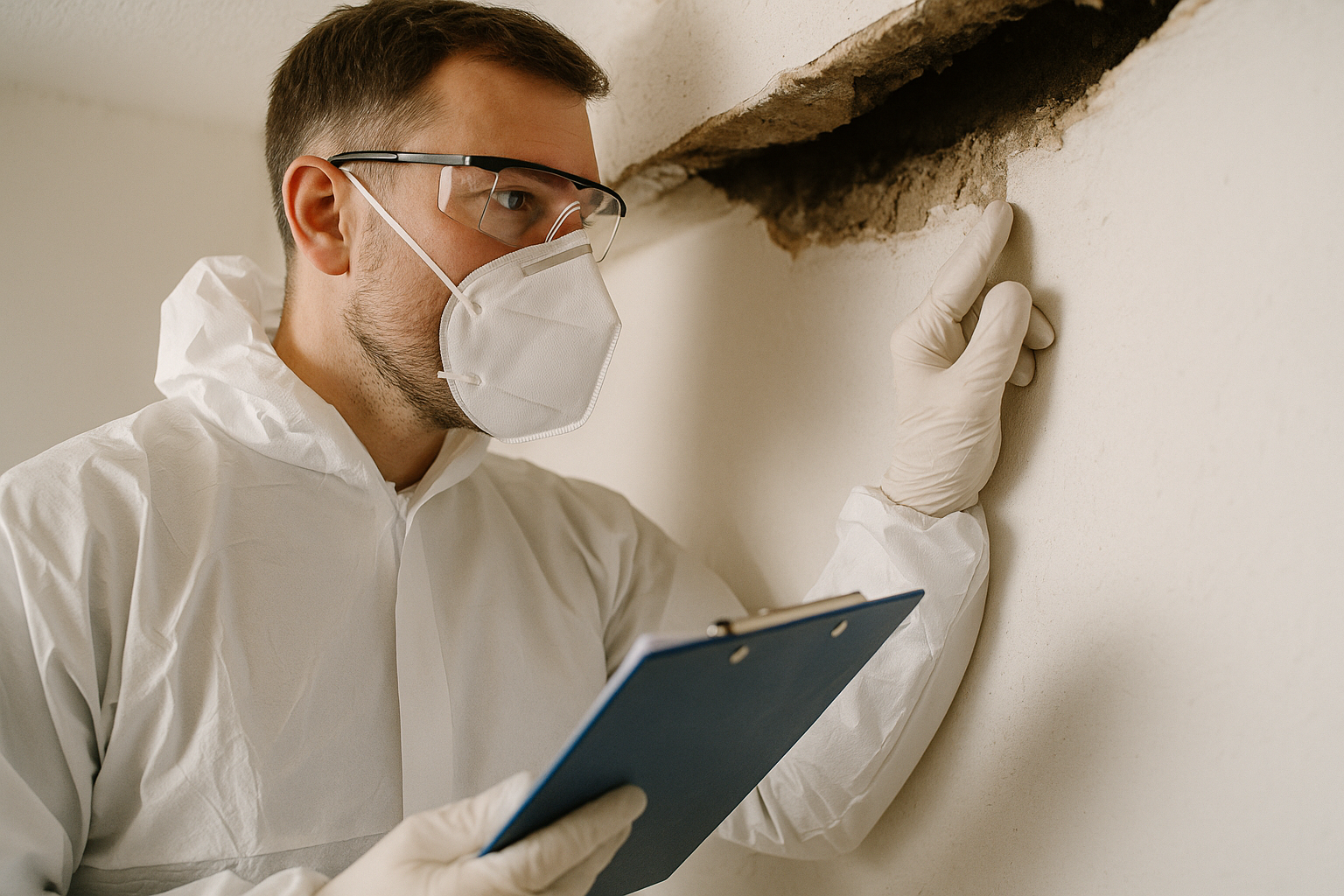
For higher-risk work, independent clearance by a competent analyst is essential before reoccupation. Verbal reassurance from the contractor is not a substitute for the correct documentation.
When formal clearance is especially important
Licensed asbestos work carries stricter controls because the risk is greater. In those cases, the area should only be handed back once the required clearance process has been completed and the relevant certificate has been issued.
If you are managing a site, the rule is simple: if the work category requires formal clearance, do not allow access until you have the paperwork in hand.
What about non-licensed work?
Non-licensed work does not mean low standards. The area still needs to be cleaned properly, checked carefully and handed back in a controlled way.
After non-licensed asbestos work, you would usually expect:
- A controlled clean of the work area
- Correct waste handling and labelling
- Measures to prevent dust spread to adjacent spaces
- A visual inspection for residue or debris
- Records showing what was done and where
- Updates to the asbestos register where relevant
If there is any doubt about contamination, stop and get advice from a competent asbestos professional. Time alone does not make an area safe.
Dispose of asbestos waste through the correct route
Waste handling is a major part of the answer to what should be done after any asbestos-related work is completed? Asbestos waste cannot be treated like general site rubbish, and poor disposal can create a fresh exposure risk long after the original task has finished.
Waste should be bagged, labelled, stored, transported and disposed of through the correct hazardous waste route. That includes debris, disposable PPE, contaminated sheeting, wipes and other cleaning materials used during the job.
Checks duty holders should make
- Confirm all asbestos waste has been removed from the work area
- Check nearby plant rooms, corridors, skips and service areas
- Ask for waste documentation and keep it on file
- Make sure reusable items were decontaminated properly
- Do not allow asbestos waste to be mixed with general construction waste
A clean room means very little if contaminated waste has been left in a nearby compound or service cupboard. Always follow the waste trail through to disposal.
Update the asbestos register and management plan
Records are often where post-work failures happen. One of the most overlooked parts of what should be done after any asbestos-related work is completed? is making sure the asbestos information for the building reflects what has actually changed.
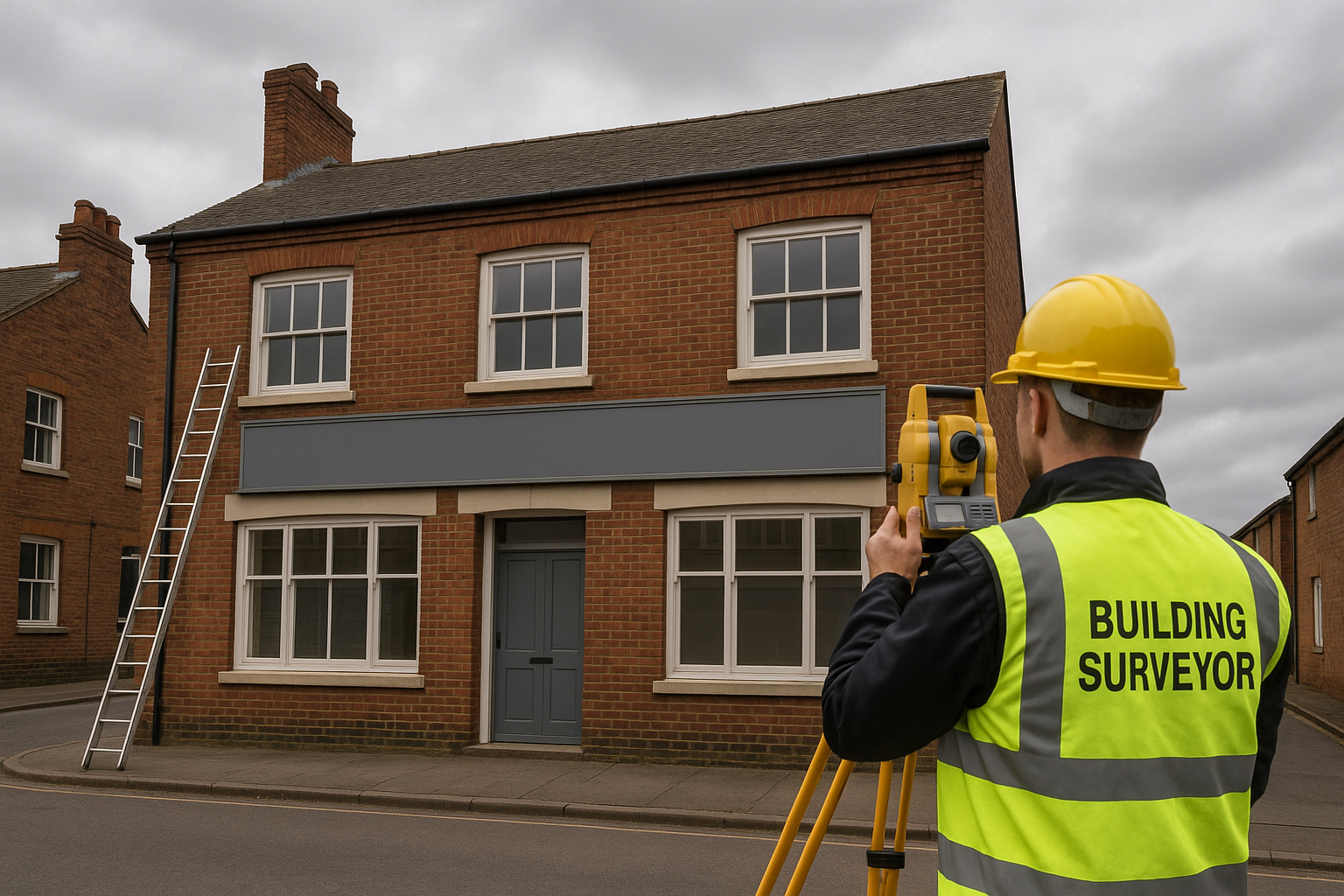
If materials have been removed, repaired, encapsulated, sampled or damaged, the asbestos register should be updated promptly. The management plan should also be reviewed so future contractors and maintenance teams are working from accurate information.
Records that should be reviewed after the work
- The asbestos register
- The asbestos management plan
- Room references, plans and marked-up drawings
- Maintenance instructions for asbestos left in place
- Contractor handover records
- Incident reports and exposure records where relevant
Outdated records create real risk. A contractor may assume a material has been removed across a whole area when only one section was addressed. Good record keeping prevents that kind of mistake.
If asbestos remains in situ, ongoing review matters. In many buildings, a follow-up re-inspection survey is the sensible next step, particularly where nearby materials may have been affected by the recent work or where condition needs to be checked at intervals in line with the management plan.
Check what asbestos still remains in the building
Removal of one asbestos-containing material does not mean the entire premises are free from asbestos. Older buildings often contain several different asbestos products in different locations, and the completed work may only have dealt with a small part of the overall risk picture.
So, what should be done after any asbestos-related work is completed? Ask a second question straight away: what asbestos is still on site, and how will it be managed from this point onward?
Common materials that may still be present
- Asbestos insulating board in risers, soffits or service cupboards
- Cement sheets and roof panels in garages or outbuildings
- Floor tiles and bitumen adhesive
- Textured coatings
- Pipe lagging in less accessible areas
- Gaskets, rope seals and older plant components
If there is uncertainty, check the records before any maintenance or refurbishment continues. For intrusive works, the right survey type matters. Where major structural work is planned, a demolition survey is used to identify asbestos likely to be disturbed during the project.
Where buildings remain occupied and asbestos is still present, management cannot stop after one contractor visit. It needs review, communication and periodic reassessment.
Brief staff, occupants and follow-on contractors before re-entry
Communication after asbestos work is just as important as cleaning and paperwork. People need to know whether the area is safe to use, whether restrictions still apply and whether asbestos remains elsewhere in the building.
This matters in offices, schools, housing blocks, healthcare settings, retail premises and industrial sites alike. A poor handover can lead to accidental disturbance within hours of the work being completed.
What a good handover should include
- Which area was worked on
- What asbestos-related task was carried out
- Whether the area has been cleared for reoccupation
- Any remaining access restrictions
- Whether asbestos remains elsewhere in the building
- Who holds the updated register, plans and clearance documents
If follow-on trades are due back on site, make sure they have seen the updated asbestos information before they start. Do not assume that someone else has already passed it on.
For multi-site organisations, consistency matters. Whether you manage a site needing an asbestos survey London service, a project requiring an asbestos survey Manchester team, or support for a premises needing an asbestos survey Birmingham, the handover principles are the same: verify, document and communicate before normal use resumes.
Record incidents, damage and suspected exposure
Sometimes asbestos work does not go exactly to plan. There may be accidental damage, an unexpected discovery, a control failure or concern that someone has been exposed.
When that happens, the event should be recorded and assessed properly. Do not dismiss it because the disturbance seemed minor or because no dust was visible. Asbestos fibres are microscopic, and poor reporting after a small incident can create bigger problems later.
What to do if something went wrong
- Stop further work or access in the affected area
- Report the issue immediately to the site manager, employer or duty holder
- Record what happened, where it happened and who may have been involved
- Arrange assessment by a competent asbestos professional
- Review whether additional cleaning, isolation or testing is needed
- Update the asbestos records so the issue is not forgotten during future works
If there is concern about personal exposure, occupational health advice may also be appropriate depending on the circumstances. The key point is not to rely on memory or informal conversations. Incidents should be documented properly.
How long can asbestos stay in the air after work?
This depends on the material, the extent of disturbance, airflow and how well the work was controlled. Fine fibres can remain airborne for a period, especially in enclosed spaces where dust has been disturbed and not cleaned correctly.
That is why simply waiting a while is not the answer to what should be done after any asbestos-related work is completed? Time on its own does not prove an area is safe.
Practical points to remember
- More friable materials can release fibres more readily when disturbed
- Enclosed spaces may retain airborne fibres for longer than open, controlled areas
- Dry sweeping and standard vacuuming can re-suspend fibres
- Professional cleaning and, where required, air testing support safe reoccupation
- If there is doubt, keep the area isolated until competent checks are complete
For property managers, the practical lesson is clear: do not reopen an area based on guesswork, elapsed time or pressure from programme deadlines.
Licensed, non-licensed and notifiable work: why the difference matters after completion
Not every asbestos task requires a licensed contractor, but every asbestos task requires suitable control measures and a proper handover. The type of work affects what checks are needed once the task is complete.
Some work is non-licensed. Some falls into the notifiable non-licensed category. Some is licensed and requires tighter controls, including formal clearance before reoccupation. If you are the duty holder or client, make sure you know which category applied to the task carried out in your building.
After licensed work
Expect stricter controls, formal clearance where required and clear documentation before the area is handed back. Do not permit normal access until the process has been completed correctly.
After lower-risk work
Do not become casual just because the task was smaller. Lower-risk work can still contaminate an area if controls were poor. You still need cleaning, inspection, waste removal, record updates and a proper handover.
Practical post-work checklist for duty holders and property managers
If you need a simple working list, use this after any asbestos-related task:
- Confirm the work area has been cleaned using suitable asbestos control methods
- Check there is no visible debris, residue or damage
- Verify that tools and reusable equipment were decontaminated
- Make sure all asbestos waste has been removed through the correct route
- Obtain any required clearance or analyst documentation
- Update the asbestos register and management plan
- Record any incidents, unexpected findings or suspected exposure
- Brief occupants, staff and follow-on contractors before re-entry
- Review what asbestos remains in the building and how it will be managed
- Arrange further survey or reinspection work if the condition of remaining materials needs review
That is the practical answer to what should be done after any asbestos-related work is completed? It is not one single action. It is a controlled process that proves the area is safe, keeps records accurate and prevents the next avoidable disturbance.
Why professional support matters
Post-work asbestos decisions are rarely helped by shortcuts. If you are unsure whether an area is ready for reoccupation, whether records need updating, or whether further survey work is needed, get competent advice before allowing normal use to resume.
That is particularly important in older commercial premises, schools, industrial sites and residential blocks where maintenance activity is ongoing and multiple contractors may be involved over time.
Supernova Asbestos Surveys supports duty holders, landlords, managing agents and contractors across the UK with surveys, reinspections and practical asbestos compliance advice. If you need help after asbestos-related work, call 020 4586 0680 or visit asbestos-surveys.org.uk to arrange the right service for your property.
Frequently Asked Questions
Can people go back into a room straight after asbestos work finishes?
Not automatically. The area should only be reoccupied once suitable cleaning, inspection and any required clearance have been completed. If formal clearance is required for the work category, access should not be allowed until the correct documentation has been issued.
Do I need to update the asbestos register after minor asbestos work?
Yes, if the work changed the condition, extent or location of asbestos-containing materials, or if materials were removed, repaired, encapsulated or damaged. The register and management plan should reflect the current position on site.
Is air testing always required after asbestos-related work?
No. The need for air testing depends on the type of work and the level of risk. Some higher-risk work requires formal clearance procedures, while lower-risk tasks may rely on suitable cleaning and inspection. If you are unsure, seek advice from a competent asbestos professional.
What paperwork should I ask for after asbestos work?
You should ask for relevant handover records, waste documentation, details of the work carried out, and any required clearance paperwork. You should also make sure your asbestos register and management plan are updated to match what happened on site.
Does removing one asbestos material mean the building is now asbestos-free?
No. Many buildings contain asbestos in more than one location or product type. Removal of one item does not mean asbestos has been eliminated from the whole premises, so remaining materials must still be identified and managed properly.