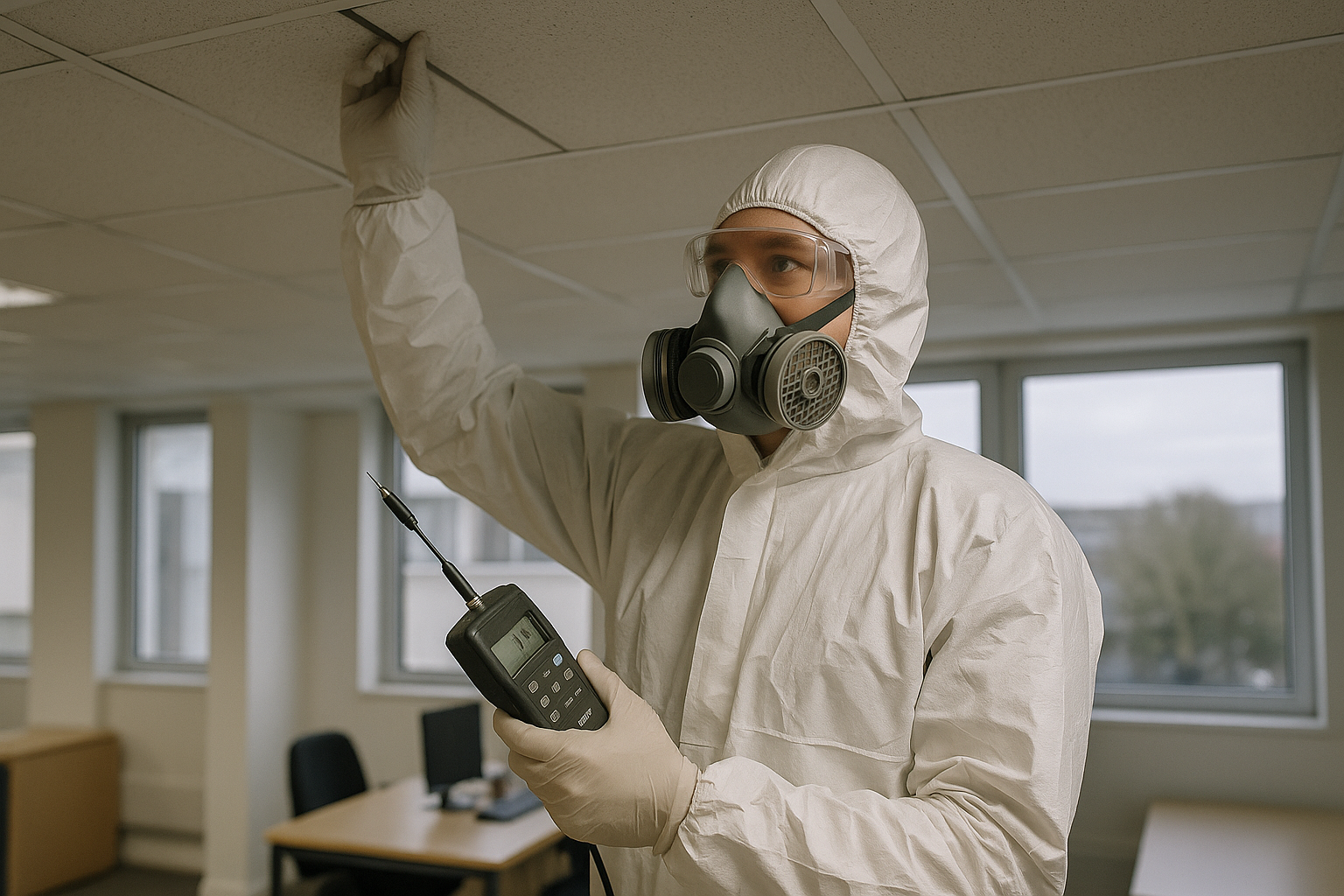
Renovation work can uncover more than old pipework and hidden voids. One of the biggest risks is asbestos, and the point many people miss is simple: in a building some materials that are suspected to contain asbestos can be positively identified only after the right inspection, sampling and analysis. If you rely on guesswork, you can turn a manageable issue into a serious safety and compliance problem within minutes.
That matters whether you manage a school, office, warehouse, rental block or older home. The safest response is to stop work, secure the area and get competent advice before anyone drills, cuts, sands or removes anything.
Why suspected asbestos should never be treated as guesswork
Asbestos was used in a huge range of building products across the UK, particularly in premises built or refurbished before 2000. Some materials are obvious suspects, but many are not.
Textured coatings, floor tiles, insulation boards, cement sheets, soffits, bitumen products and service riser linings can all look ordinary at first glance. That is why in a building some materials that are suspected to contain asbestos can be positively identified by appearance alone only in limited cases.
Even experienced surveyors will often presume a material contains asbestos until testing proves otherwise. That cautious approach follows the Control of Asbestos Regulations, HSE guidance and accepted surveying practice under HSG264.
For property managers and dutyholders, the practical rule is straightforward:
- If a suspect material is damaged, stop work immediately.
- If refurbishment or demolition is planned, do not rely on visual checks alone.
- If there is any doubt, arrange professional inspection and testing before work continues.
This protects workers, occupants and contractors. It also gives you a clear record of what was found, where it was found and what action was taken.
Where asbestos is commonly found during renovation work
Older buildings can hide asbestos in places that look completely routine. Renovations often disturb materials before anyone realises what they are dealing with.
Common suspect materials
- Textured coatings on ceilings and walls
- Vinyl floor tiles and older adhesives
- Pipe lagging and thermal insulation
- Asbestos insulating board in partitions, risers and ceiling voids
- Cement roofing sheets, gutters and downpipes
- Soffits, fascias and external wall panels
- Toilet cisterns, bath panels and service duct linings
- Sprayed coatings on structural elements
- Rope seals, gaskets and older plant components
- Ceiling panels, boxing and fire protection materials
Some of these products are higher risk than others. Pipe lagging, loose fill insulation and sprayed coatings can release fibres far more easily than asbestos cement.
That difference affects how urgently the area should be secured and whether licensed contractors are likely to be needed. Even so, lower-risk materials are not harmless if they are cut, broken, drilled or badly weathered.
In a building some materials that are suspected to contain asbestos can be positively identified through survey and testing
The safest way to remove uncertainty is to use a competent asbestos surveyor and, where needed, laboratory analysis. This is where the phrase in a building some materials that are suspected to contain asbestos can be positively identified becomes practical rather than theoretical.
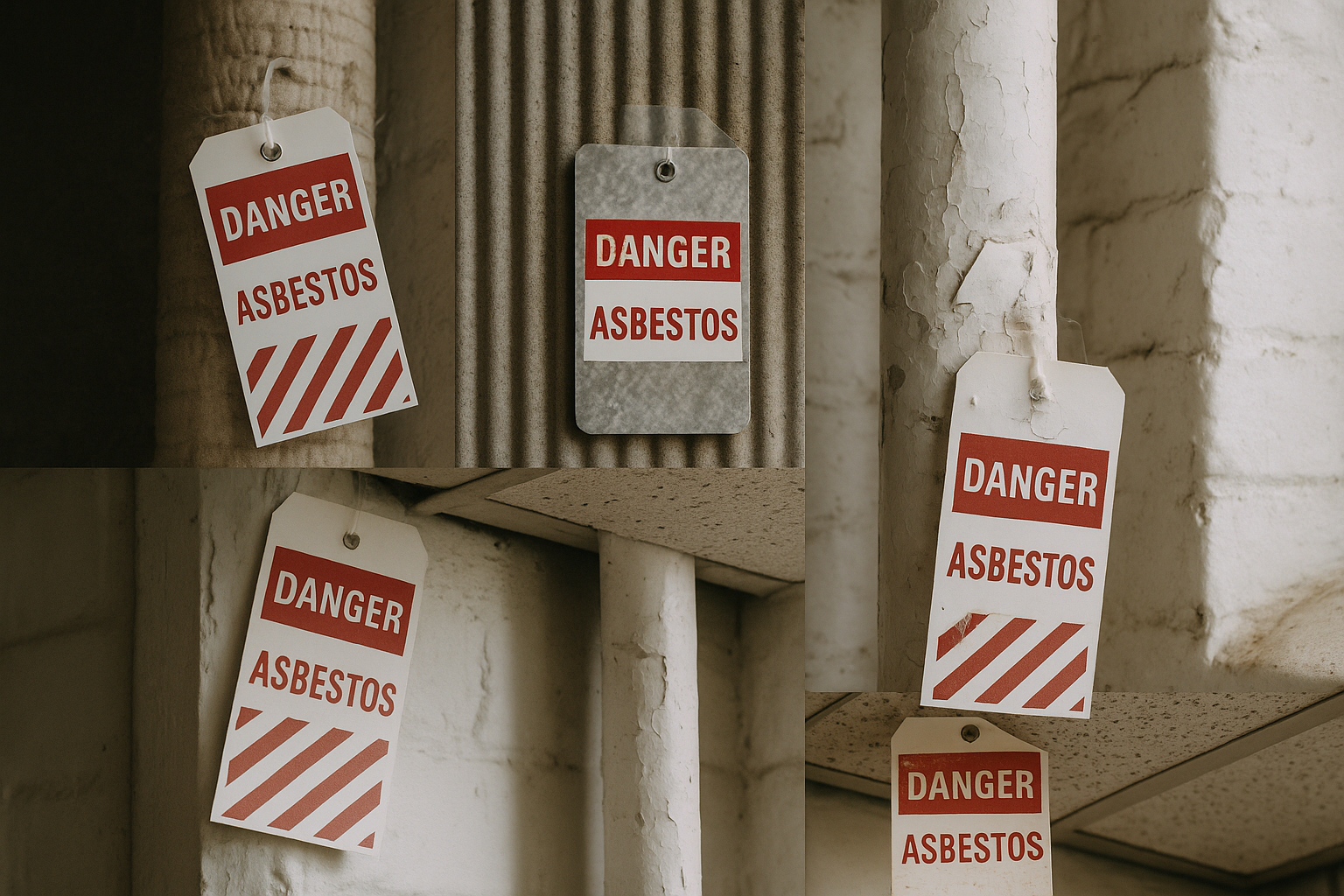
Visual identification has limits
Experienced surveyors can often recognise materials strongly associated with asbestos use. Asbestos insulating board, cement products and certain insulation materials can have recognisable features.
But many non-asbestos products look similar. Modern fibre cement, mineral boards, textured finishes and later replacement materials can easily be mistaken for asbestos-containing materials.
That is why visual inspection alone is rarely enough when safety, project delays and legal compliance are on the line.
Sampling confirms what the material actually is
Targeted sampling allows a small piece of the suspect material to be analysed in a laboratory. In many cases, this is the only reliable way to confirm whether asbestos is present.
If you need certainty before maintenance or refurbishment, arrange professional asbestos testing. A clear result tells you whether the material can remain in place and be managed, or whether repair, encapsulation or removal is the better option.
Choose the right survey for the work planned
Not every survey serves the same purpose. If the building is occupied and you need to locate asbestos-containing materials that could be disturbed during normal use, a management survey is normally the starting point.
If major works are planned, the survey must match the scope of those works. For intrusive projects, a demolition survey is usually required before the structure or affected areas are disturbed.
Always tell the surveyor exactly what is planned. A survey that is too limited can miss hidden asbestos in the areas your contractors are about to open up.
What to do immediately if asbestos is suspected during renovations
The first few minutes matter. Poor decisions at this stage can spread debris and fibres into adjacent rooms, circulation spaces and occupied areas.
- Stop work at once. Do not cut, drill, break or move the material.
- Keep people away. Restrict access and stop unnecessary movement through the area.
- Avoid improvised cleaning. Do not sweep, brush or use a standard vacuum cleaner.
- Reduce disturbance. Shut down activities that could spread dust, including some fans and local air movement.
- Arrange professional assessment. Get a surveyor or testing specialist to inspect the area.
If the material has already been disturbed, make a record straight away. Note the location, what work was underway, who was present and whether visible dust or debris was released.
This helps the surveyor assess the situation properly and gives you a clear audit trail if further action is needed.
Should you seal the area yourself?
Only in a limited, sensible way. Close doors, prevent access and post warnings if you can do so without disturbing the material further.
Do not start handling broken pieces, taping debris or attempting a makeshift clean-up. The goal is containment, not amateur remediation.
Testing, sample analysis and when to use each option
Once the area is safe, the next step is to establish the facts. In a building some materials that are suspected to contain asbestos can be positively identified through competent inspection and laboratory analysis, and those results should drive every decision that follows.
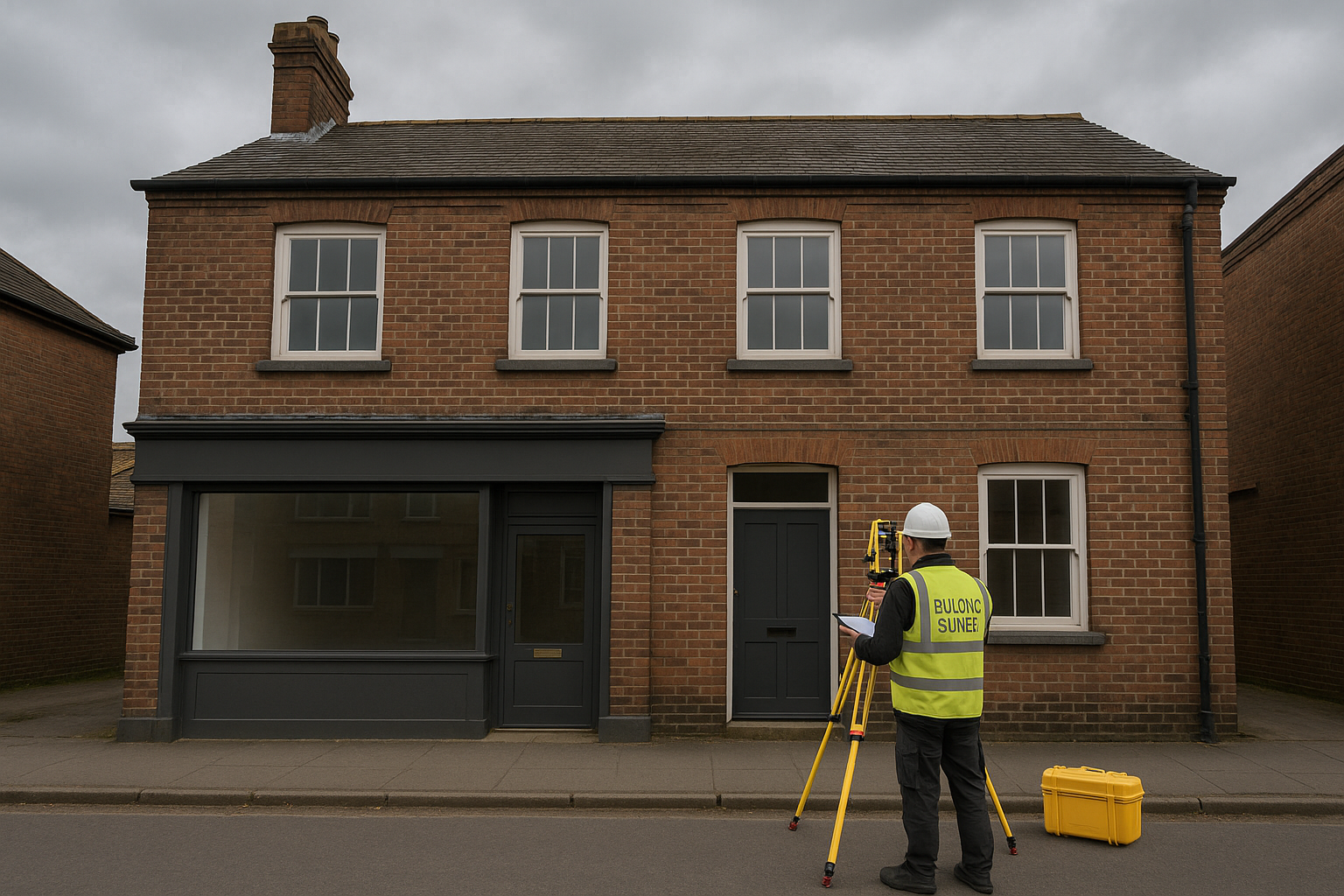
When testing is the right option
Testing is useful when a specific material is in question and you need a clear answer. This often happens during small refurbishment jobs, pre-purchase checks, maintenance planning or reactive investigations after an unexpected discovery.
If you already have a sample taken correctly and need laboratory confirmation, professional sample analysis can provide that certainty.
Can you use a testing kit?
For some low-disturbance situations, a postal sampling option may be considered. If you are looking at an asbestos testing kit, be realistic about the risk before taking a sample.
Sampling the wrong way can damage the material and release fibres. If the product is friable, damaged, overhead, difficult to reach or part of a larger refurbishment project, do not do it yourself.
In lower-risk cases, some people choose a testing kit for straightforward materials. Even then, the instructions must be followed exactly, dust must be minimised and the sample must be taken only if it can be done safely.
If there is any uncertainty, bring in a professional instead. Supernova also offers dedicated asbestos testing support for clients who want fast, clear results without taking unnecessary risks.
Legal duties and compliance for owners, agents and dutyholders
Asbestos is not just a health issue. It is also a legal compliance issue.
The Control of Asbestos Regulations place duties on those who manage non-domestic premises and the common parts of multi-occupied residential buildings. HSE guidance and HSG264 set out how asbestos should be surveyed, assessed and managed.
What dutyholders need to do
If you are responsible for maintenance or repair in non-domestic premises, you may have a duty to manage asbestos. In practice, that usually means:
- Finding out whether asbestos is present, and where
- Assessing the risk from any asbestos-containing materials
- Keeping an asbestos register up to date
- Making sure anyone likely to disturb asbestos has the right information
- Reviewing the management plan regularly
Survey work should be carried out in line with HSG264. A poor survey creates false confidence, and false confidence is one of the main reasons asbestos gets disturbed during works.
Domestic properties still need proper care
Private homes are treated differently in some legal respects, but the practical risk does not disappear. Tradespeople, contractors and waste handlers still need to work safely.
If you are renovating a house or flat, do not assume domestic status makes informal handling acceptable. It does not. If suspect materials are present, stop and get them checked.
Removal, management in place and why competent contractors matter
Once asbestos has been identified, the next decision is whether it should stay in place and be managed, or whether it needs to be removed. Removal is not automatically the first answer.
If a material is in good condition, sealed and unlikely to be disturbed, management may be the safer and more proportionate option. If it is damaged, in a work area or due to be affected by refurbishment, removal may be necessary.
Where removal is the right course, use a specialist service for asbestos removal. Do not ask a general builder to make that decision on the fly.
Why removal should never be improvised
Different asbestos materials fall into different work categories. Some tasks require a licensed contractor, while others may be non-licensed or notifiable non-licensed work depending on the material, its condition and the activity involved.
That assessment should be made by someone competent. A rushed decision on site can lead to avoidable exposure, project delays and enforcement issues.
Safe disposal basics
Asbestos waste must be packaged, labelled, transported and disposed of correctly. It cannot go into a general skip or mixed construction waste.
If you are appointing a contractor, ask for:
- Evidence of competence and licensing where relevant
- A clear plan of work or method statement
- Waste consignment arrangements
- Details of cleaning and inspection after the work
Practical precautions for occupied buildings and live sites
Asbestos is dangerous when fibres become airborne and are inhaled. Exposure does not usually cause immediate symptoms, which is one reason people underestimate the risk.
The safest approach is to prevent disturbance in the first place. That means planning ahead, briefing contractors properly and making asbestos information easy to access before work starts.
Simple site controls that prevent bigger problems
- Check the asbestos register before authorising intrusive work
- Brief contractors on known or presumed asbestos locations
- Stop unauthorised drilling, chasing, sanding and demolition
- Use trained specialists for sampling and removal decisions
- Keep records of surveys, test results and remedial actions
- Make sure staff and tenants know who to contact if suspect materials are uncovered
Communication matters as much as technical control. On a busy site, confusion causes delays and poor decisions. A simple reporting route can stop a minor incident becoming a major one.
How to choose the right asbestos support for your location
Fast access to competent help makes a real difference when renovation work stops unexpectedly. If you manage property in the capital, arranging an asbestos survey London service can help you move from suspicion to evidence quickly.
For projects in the North West, an asbestos survey Manchester appointment can provide the same clarity before work restarts.
The key is not just speed, but suitability. The survey, inspection or testing service must match the type of building, the planned work and the level of risk.
How to avoid asbestos delays before a project starts
The cheapest time to deal with asbestos is before the first ceiling tile is lifted or the first wall is opened. Too many projects only discover the issue after contractors are already on site.
If you are planning works, take these steps early:
- Review existing asbestos records and check whether they are still current.
- Confirm whether the planned work is routine maintenance, refurbishment or demolition.
- Arrange the correct survey before tendering or starting works.
- Share the findings with everyone who may disturb the materials.
- Build time into the programme for testing, access and any remedial action.
This is one of the simplest ways to avoid emergency stoppages, unexpected costs and disputes with contractors. It also shows that you are managing risk in a sensible, documented way.
Frequently Asked Questions
Can asbestos be identified just by looking at it?
Sometimes a material may strongly suggest asbestos, but visual inspection alone is not enough in many cases. In a building some materials that are suspected to contain asbestos can be positively identified only through proper sampling and laboratory analysis.
What should I do if I find suspected asbestos during renovation work?
Stop work immediately, keep people away from the area and avoid sweeping or vacuuming debris. Then arrange professional inspection or testing so the material can be assessed safely.
Do I always need asbestos removed if it is found?
No. If the material is in good condition and unlikely to be disturbed, it may be safer to leave it in place and manage it. If it is damaged or affected by planned works, removal may be necessary.
Is a survey always needed before refurbishment?
If the work will disturb the fabric of the building, the answer is usually yes. The type of survey depends on the scope of works, and it should be arranged before contractors begin intrusive activity.
Can I take a sample myself?
Only in limited low-risk situations, and only if it can be done without creating dust or further damage. If the material is friable, damaged, overhead or part of a wider project, professional sampling is the safer option.
If renovation work has uncovered a suspect material, do not leave the decision to guesswork. Supernova Asbestos Surveys provides surveys, testing, sample analysis and asbestos removal support across the UK. Call 020 4586 0680 or visit asbestos-surveys.org.uk to arrange expert help.