Get asbestos removal equipment wrong and a routine maintenance task can turn into a contamination incident within minutes. The right kit does far more than protect the person doing the work. It helps contain fibres, protects occupants, supports legal compliance and makes sure waste leaves site safely.
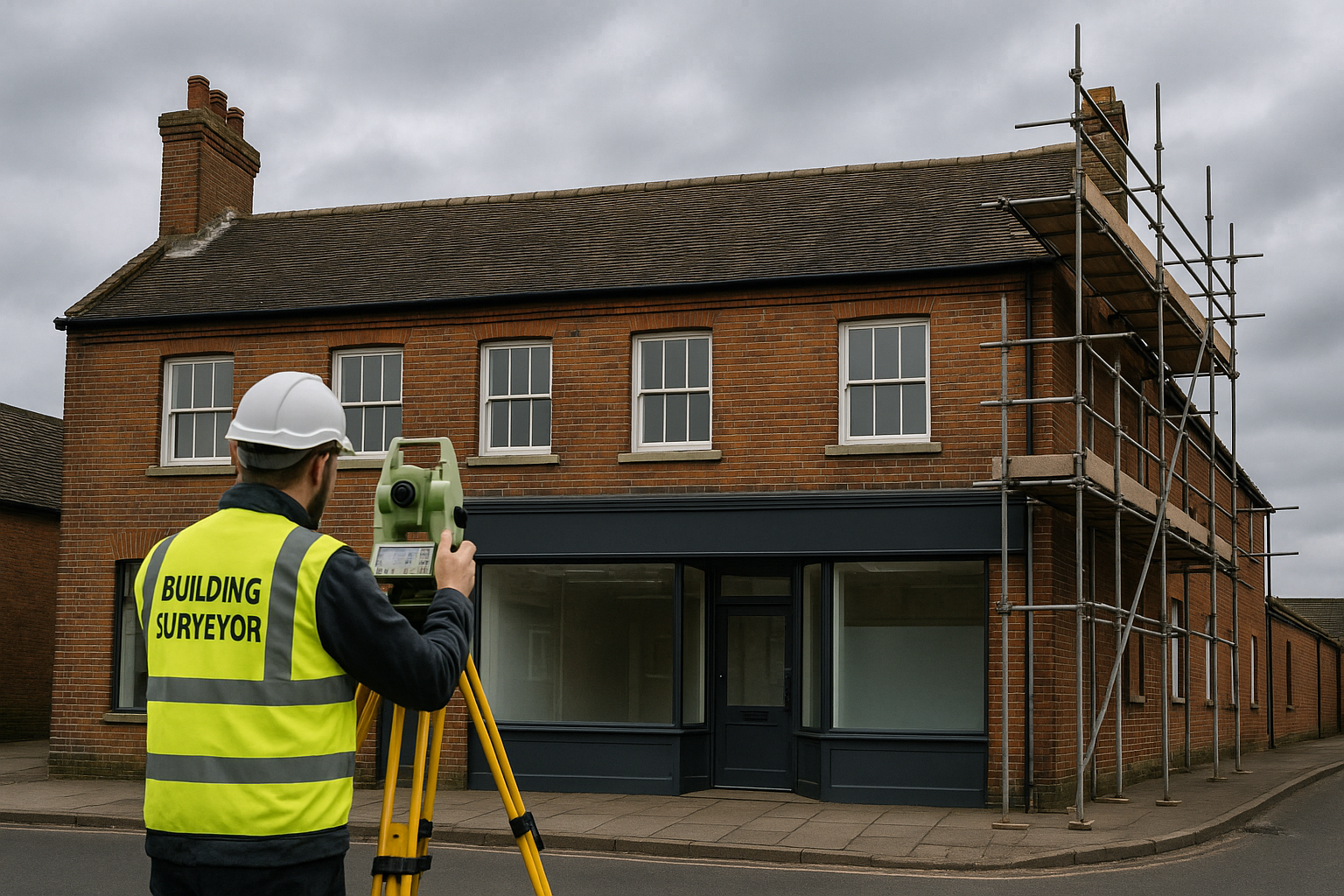
For property managers, landlords and dutyholders, that makes equipment choice a practical risk management issue rather than a paperwork exercise. Before anyone drills, strips, scrapes or breaks a suspect material, you need to know exactly what it is, what category of work applies and whether removal is even the right option.
Under the Control of Asbestos Regulations, some work must only be carried out by a licensed contractor. Other tasks may fall under notifiable non-licensed work or non-licensed work, but they still require the correct assessment, training, control measures and method of work. HSE guidance and HSG264 also make it clear that asbestos decisions must be based on proper identification and risk assessment, not guesswork.
Why asbestos removal equipment matters
Asbestos-containing materials can release microscopic fibres when disturbed. Those fibres are easy to inhale, impossible to see with the naked eye and difficult to control without suitable asbestos removal equipment.
The purpose of that equipment is straightforward:
- reduce fibre release at source
- stop contamination spreading beyond the work area
- protect workers and other people nearby
- support safe cleaning and decontamination
- ensure waste is packaged, labelled and removed correctly
Good asbestos work is never about one mask or one vacuum. It is a system of controls. If one part is missing, the rest can quickly become less effective.
Before any work starts, ask these questions:
- Has the material been identified by a competent surveyor or analyst?
- Does the task fall under licensed, notifiable non-licensed or non-licensed work?
- Do the people doing the work have the right training and asbestos removal equipment for that exact task?
- Is there a clear plan for containment, cleaning, decontamination and waste disposal?
- What happens if the material breaks unexpectedly or contamination is suspected?
If any answer is unclear, stop the job and get advice. Most avoidable asbestos incidents begin when suspect materials are disturbed before the risk is properly understood.
Personal protective asbestos removal equipment
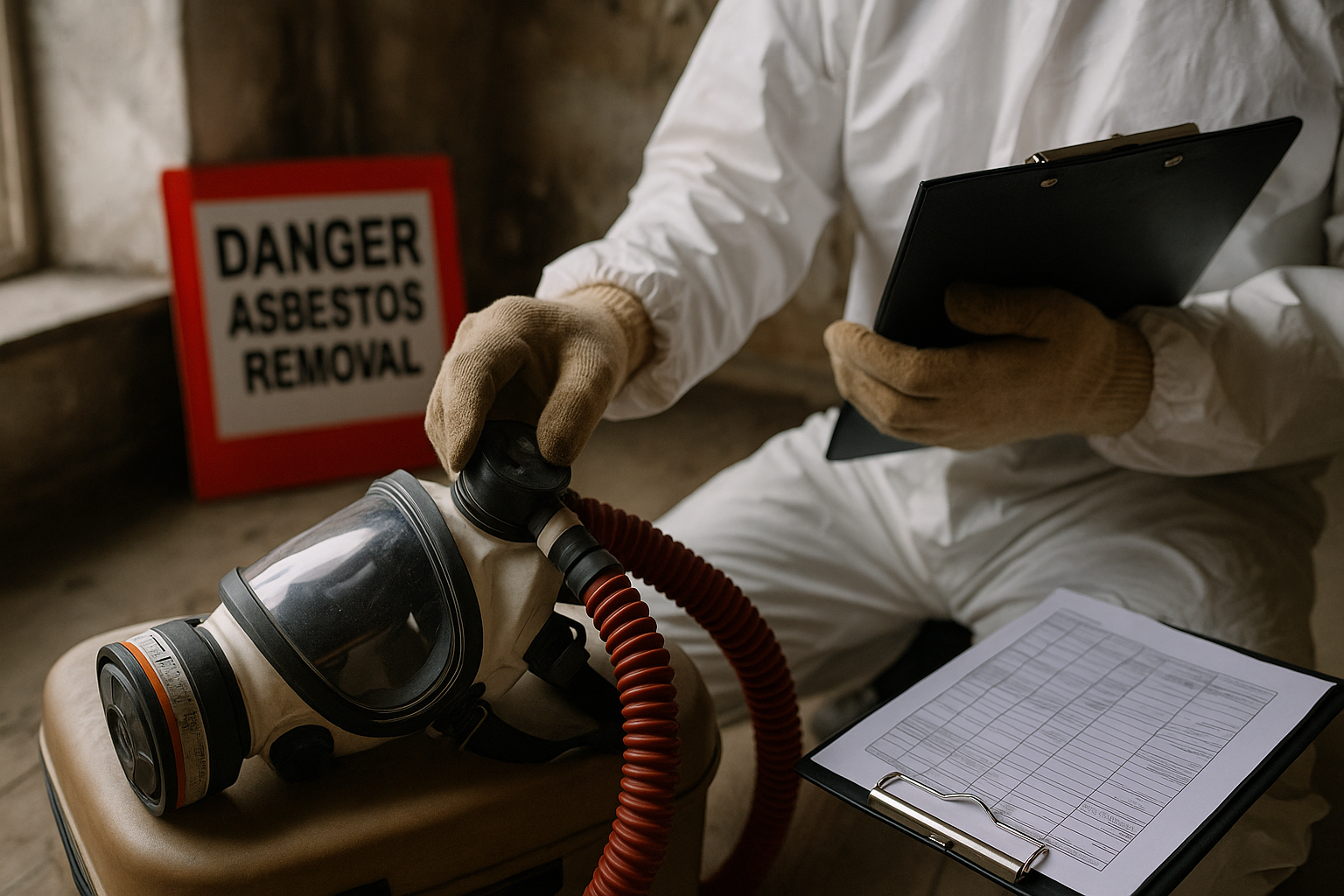
Personal protective equipment is only one part of the control package, but it remains essential. The aim is to reduce exposure and stop fibres being carried into clean areas, vehicles and welfare facilities.
Disposable coveralls
Disposable coveralls suitable for asbestos work help stop fibres settling on everyday clothing. They should fit properly, be worn correctly and be removed in a controlled way to avoid spreading contamination.
Loose, torn or reused coveralls create unnecessary risk. If operatives move in and out of the work area without proper clothing discipline, debris can spread well beyond the original location.
Respiratory protective equipment
Respiratory protective equipment is one of the most critical items of asbestos removal equipment. The exact type depends on the material, the method and the likely level of exposure identified in the risk assessment.
In UK practice, respirators must be suitable for the work. Tight-fitting masks must also be face-fit tested for the individual wearer. A mask that does not seal properly offers false reassurance rather than real protection.
Good practice includes:
- selecting RPE based on the planned method of work
- checking seals, filters and straps before use
- making sure face-fit testing is current where required
- training staff to put on, remove and maintain equipment correctly
- storing respirators properly between uses
Facial hair, poor storage and damaged straps are common reasons for ineffective protection. These sound like small details, but they matter on site.
Gloves and eye protection
Gloves are often used to reduce skin contamination and support safe handling. Suitable eye protection may also be needed where there is a risk of dust, fragments or splashes from wetting agents.
These items do not replace proper fibre control. They work best when combined with controlled removal methods, cleaning procedures and clear decontamination arrangements.
Specialist asbestos removal equipment used on site
The most effective asbestos removal equipment is designed to control fibres at source. This is where specialist site equipment becomes essential, especially when materials are friable or the work area is inside an occupied building.
Class H vacuum cleaners
For asbestos debris and fine dust, only suitable vacuums designed for hazardous dust should be used. In practice, that generally means Class H vacuum cleaners maintained and used in line with HSE guidance.
Domestic or standard commercial vacuums are not acceptable. They can spread fibres rather than contain them.
Class H vacuums are commonly used for:
- cleaning fine asbestos dust from surfaces
- supporting controlled removal work
- cleaning tools and equipment where the method allows
- final cleaning before inspection, where appropriate
They should be checked regularly, used only by trained people and emptied or bag-changed under controlled conditions. A good vacuum in the wrong hands is still a risk.
Negative pressure units
Negative pressure units help prevent airborne fibres escaping from an enclosure. They draw air through high-efficiency filtration and maintain inward airflow, supporting containment during higher-risk work.
This type of asbestos removal equipment is usually associated with licensed work. It must be correctly sized, installed, tested and monitored for the enclosure in use.
If a contractor is proposing enclosure work without proper negative pressure arrangements where they are needed, challenge it immediately. Containment failure can lead to delays, extra cleaning, analyst attendance and serious compliance issues.
Controlled wetting equipment
Keeping asbestos-containing materials damp can significantly reduce fibre release during removal. Controlled wetting equipment may include low-pressure sprayers, injection systems or other tools suited to the material being handled.
The aim is to dampen the material thoroughly without causing unnecessary run-off. Dry stripping is a warning sign unless there is a very specific method and justification behind it.
Hand tools rather than aggressive power tools
One of the most overlooked parts of selecting asbestos removal equipment is understanding what should not be used. Grinders, sanders, saws and other aggressive power tools can release large amounts of fibres if used on asbestos-containing materials.
Where removal is permitted, controlled hand tools are generally preferred because they create less disturbance. The task-specific plan of work should set out exactly which tools are allowed and why.
Containment, enclosures and decontamination equipment
Safe asbestos work is not only about what the operative wears or holds. The surrounding area must be controlled too, especially where there is a risk of fibre spread into offices, corridors, communal areas, plant rooms or neighbouring units.
Enclosures and airlocks
For higher-risk work, contractors may build a sealed enclosure using polythene sheeting and a suitable frame. Entry and exit airlocks help isolate the operation from the rest of the building.
These arrangements need careful planning and checking. A poorly built enclosure can fail and create contamination far beyond the original work area.
Decontamination units
Decontamination units allow workers to leave the work area in a controlled manner. Their purpose is to reduce the chance of asbestos fibres being carried on clothing, footwear or equipment.
They are a standard part of many licensed jobs. The exact setup depends on the work type and site conditions, but the principle is always the same: keep contamination from leaving the controlled area.
Warning signs and barriers
Simple site controls are easy to overlook, yet they are a basic part of effective asbestos removal equipment. Signage, barriers and exclusion zones stop unauthorised access and make it clear that hazardous work is in progress.
On busy sites this matters a great deal. Cleaners, maintenance teams, tenants and visitors can wander into a risk area surprisingly quickly if boundaries are unclear.
Waste packaging and handling equipment
Once asbestos has been removed, the risk does not disappear. Waste handling is a major part of the process, and poor packaging can contaminate loading bays, service lifts, vehicles, bin stores and public areas.
Approved asbestos waste bags
Asbestos waste is typically double-bagged using suitable inner and outer bags intended for hazardous waste. The packaging must be robust, sealed correctly and labelled in line with legal requirements.
Larger items that cannot be bagged may need to be wrapped in heavy-duty polythene and sealed with tape. The aim is to prevent fibre release during handling, storage and transport.
Labels and hazard identification
Clear hazard labelling is part of proper waste control. Bags and wrapped items should identify the contents as asbestos waste so anyone handling them understands the risk immediately.
This is basic discipline, but it prevents confusion and helps keep removal work compliant from the work area to the final disposal point.
Cleaning materials and disposable sheeting
Rags, wipes, tack cloths and disposable sheeting may all form part of the wider asbestos removal equipment setup. If these materials become contaminated, they must be treated as asbestos waste.
Never use a dry brush to sweep asbestos dust. Never use compressed air. Both methods can spread fibres rapidly and turn a small issue into a major clean-up job.
How to choose the right asbestos removal equipment for the job
Not every asbestos task looks the same. The right asbestos removal equipment depends on the product, its condition, its location and whether the work is licensed.
Removing asbestos insulating board from a plant room is very different from collecting broken asbestos cement debris in an outdoor service yard. The controls, PPE, containment and waste arrangements will not be identical.
When reviewing a contractor’s proposal, look for these essentials:
- Material identification – the asbestos-containing material should be identified through survey information or sampling
- Risk assessment – the likely exposure and spread risk should be clearly assessed
- Plan of work – the method should explain what asbestos removal equipment will be used and why
- Cleaning strategy – there should be a practical procedure for cleaning the area and equipment
- Waste route – packaging, temporary storage and removal from site should be fully planned
- Emergency arrangements – the contractor should explain what happens if a bag splits, an enclosure fails or contamination is suspected
If your building has not yet been assessed properly, arrange a survey before maintenance or refurbishment starts. Supernova can help with an asbestos survey London clients can book quickly, as well as support for regional projects through our asbestos survey Manchester service and our asbestos survey Birmingham team.
Common mistakes people make with asbestos removal equipment
Most asbestos incidents are not caused by having no equipment at all. They happen because the wrong equipment is used, the right equipment is used badly, or the work begins before the risk is properly understood.
Watch out for these common mistakes:
- using a standard vacuum instead of a suitable Class H vacuum
- relying on PPE while ignoring containment and cleaning controls
- using power tools that break up the material unnecessarily
- failing to face-fit test respirators where required
- bagging waste poorly or leaving it in unsecured areas
- allowing untrained maintenance staff to disturb suspect materials
- starting removal before a survey or sample result is available
- assuming all asbestos materials present the same level of risk
Cement sheets, textured coatings, insulating board and pipe insulation all behave differently in practice. If there is any doubt, stop and get advice before the material is disturbed further.
That pause can save a great deal of money and disruption. Cleaning up contamination after an avoidable mistake is usually far more difficult than getting the method right in the first place.
When asbestos should not be removed straight away
Finding asbestos does not automatically mean it should be removed. In some cases, asbestos-containing materials in good condition can be managed safely in place if they are not likely to be disturbed.
That decision must be based on proper information, not convenience. The material type, condition, location and likelihood of disturbance all matter.
Removal may be appropriate when:
- the material is damaged or deteriorating
- refurbishment or demolition will disturb it
- it is in a vulnerable location where impact is likely
- repair or encapsulation is no longer a reliable option
Management in place may be suitable when:
- the material is in good condition
- it is sealed or protected
- it is unlikely to be disturbed during normal occupation
- there is a clear asbestos management plan
This is why survey information matters so much. If the scope of works involves refurbishment, a management survey is not enough. The correct survey type must match the planned work.
Practical checks for property managers and dutyholders
If you are overseeing contractors, you do not need to do the removal yourself to spot warning signs. A few practical checks can tell you a lot about whether the job is being approached properly.
Ask to see:
- the asbestos survey or sampling information
- the risk assessment and plan of work
- evidence of training relevant to the task
- details of the asbestos removal equipment being used
- face-fit testing records where tight-fitting RPE is involved
- waste handling arrangements and consignment process
On site, look for:
- clear barriers and warning signage
- controlled access to the work area
- appropriate PPE being worn correctly
- suitable cleaning equipment, including Class H vacuum provision where needed
- properly packaged waste, not loose debris or damaged bags
- a tidy work area with obvious control over contamination
If you see operatives dry-sweeping debris, using ordinary vacuums or working without clear containment where it is needed, stop the job and escalate it immediately.
Licensed and non-licensed work: why the distinction matters
The category of work affects the method, the training requirement and the asbestos removal equipment expected on site. This is not a technical detail to leave unchecked.
Higher-risk materials such as pipe insulation, loose insulation and many jobs involving asbestos insulating board are more likely to require licensed contractors and stricter controls. Lower-risk tasks involving some asbestos cement products may not require a licence, but that does not mean they are risk-free.
The right approach depends on:
- the type of asbestos-containing material
- its friability and condition
- how much disturbance the task will cause
- the duration of the work
- whether significant fibre release is likely
If the classification is wrong, the controls may be wrong as well. That can affect worker safety, legal compliance and the condition of the building after the work is complete.
After removal: cleaning, inspection and reoccupation
Removing the material is only part of the job. The area then needs to be cleaned properly, checked carefully and, where required, assessed before people return.
Depending on the work, this may include detailed cleaning with suitable asbestos removal equipment, visual inspection and analyst involvement. For licensed enclosure work, formal clearance procedures may be required before the area is handed back.
From a client perspective, do not assume the job is finished when the last bag leaves the room. Ask:
- how was the area cleaned?
- who checked the cleanliness?
- was analyst attendance required?
- what records will be provided for your files?
Good contractors expect these questions. Clear paperwork and a controlled handover are signs of a professional job.
Getting expert help before work starts
The safest asbestos job is the one planned properly from the start. That means identifying the material, deciding whether removal is necessary and making sure the proposed method matches the real risk.
If you need support with surveys, sampling or arranging professional asbestos removal, Supernova Asbestos Surveys can help. We work with property managers, landlords, contractors and dutyholders across the UK to keep projects compliant and practical.
Call 020 4586 0680 or visit asbestos-surveys.org.uk to book a survey, discuss suspect materials or arrange the right support before work begins.
Frequently Asked Questions
What equipment is essential for asbestos removal?
The exact equipment depends on the material and the type of work, but common items include suitable RPE, disposable coveralls, Class H vacuum cleaners, controlled wetting equipment, waste bags, warning signage and, for higher-risk work, enclosures, negative pressure units and decontamination facilities.
Can you use a normal vacuum for asbestos dust?
No. Standard domestic or commercial vacuums are not suitable for asbestos dust and can spread fibres. HSE guidance expects suitable hazardous dust equipment, which in practice generally means a Class H vacuum used and maintained correctly.
Does all asbestos removal require a licensed contractor?
No, not all asbestos work is licensed, but many tasks are. Some lower-risk work may fall under non-licensed or notifiable non-licensed categories. The classification depends on the material, its condition and the likely level of disturbance, so it should be assessed before work starts.
Should asbestos always be removed if it is found?
No. Some asbestos-containing materials in good condition can be managed in place if they are unlikely to be disturbed. Removal is often needed where materials are damaged, deteriorating or likely to be affected by refurbishment, demolition or repeated access.
What should a property manager check before asbestos work starts?
You should check that the material has been identified, the work category has been assessed correctly, the contractor has a clear plan of work, the proposed asbestos removal equipment is suitable and the waste and cleaning arrangements are fully planned.