
Ask ten people is any asbestos safe and you will hear ten slightly different versions of the same worry. One person means a ceiling coating that has been there for years. Another means a single dusty incident during maintenance. A third means whether a legal exposure limit somehow makes asbestos harmless. The straight answer is no: asbestos is never risk-free, even when the immediate risk can sometimes be controlled.
That distinction matters in real buildings. For landlords, dutyholders, facilities managers and property owners, the practical question is not whether asbestos becomes safe, but whether asbestos-containing materials can remain in place under proper control without being disturbed. Managed asbestos is not the same as safe asbestos.
Is any asbestos safe in a building?
If you are asking is any asbestos safe, you are usually trying to work out one of three things:
- Is asbestos safe if it is left alone?
- Is a small amount of asbestos exposure harmless?
- Is one brief exposure likely to cause illness?
The honest answer is that no asbestos can be described as safe in the ordinary sense of the word. Some asbestos-containing materials present a lower immediate risk when they are intact, sealed and unlikely to be disturbed, but that does not make the material itself harmless.
Under the Control of Asbestos Regulations, asbestos in good condition may sometimes remain in place and be managed. HSE guidance and HSG264 make clear that the starting point is identification, assessment and control. You need to know where the material is, what type of product it is, what condition it is in, and whether anyone could disturb it during normal occupation, maintenance, refurbishment or demolition.
So, is any asbestos safe? No. In some cases it can be managed safely for a period of time, but it should never be ignored, assumed away or treated casually.
Why asbestos still turns up in UK properties
Asbestos was used widely because it was durable, resistant to heat and a useful insulator. That made it attractive across domestic, commercial and industrial buildings, which is why it still appears in many older premises throughout the UK.
Common asbestos-containing materials include:
- Pipe lagging and boiler insulation
- Asbestos insulating board in partitions, risers and ceiling tiles
- Textured coatings on walls and ceilings
- Floor tiles and bitumen adhesives
- Asbestos cement roof sheets, wall panels, gutters and flues
- Sprayed coatings used for fire protection
- Soffits, bath panels and boxing-in
- Gaskets, rope seals and plant insulation
- Electrical backing boards and older panels
Not all asbestos products behave in the same way. Friable materials release fibres more easily when damaged, which is why pipe lagging, sprayed coatings and asbestos insulating board are generally considered higher risk than asbestos cement products.
Even lower-risk materials can become a serious problem if they are drilled, broken, sanded, cut or left to deteriorate. That is why survey work comes before maintenance and refurbishment, not after an incident. If you are managing older premises in the capital, arranging an asbestos survey London service before planned works can prevent accidental fibre release and costly delays.
Why asbestos is dangerous
Asbestos becomes dangerous when fibres are released into the air and inhaled. Those fibres are microscopic, so you cannot rely on sight or smell to judge whether a space is contaminated.
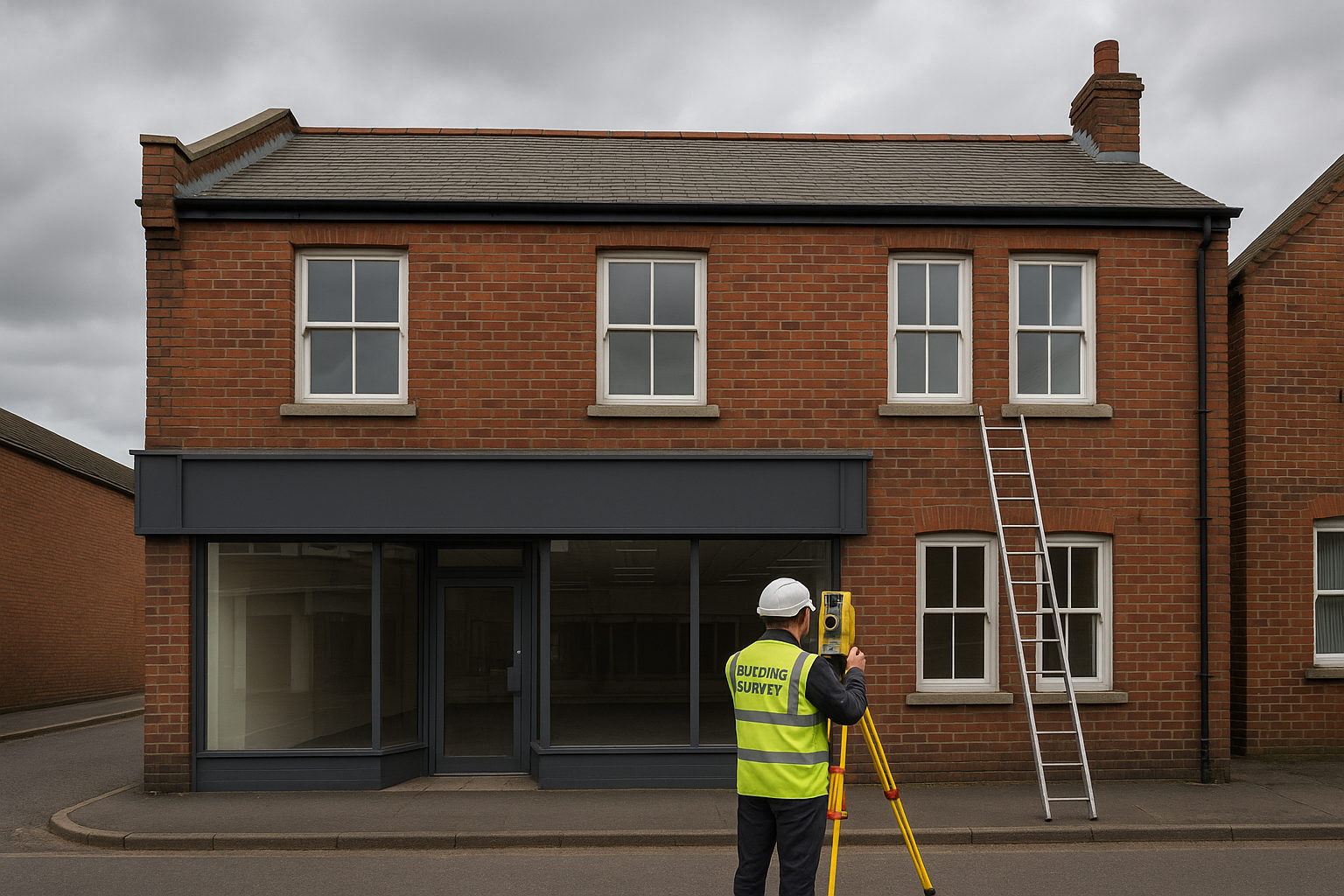
A room can look clean and still contain airborne fibres. Once inhaled, fibres can lodge deep in the lungs or in the lining around the lungs, where the body struggles to break them down.
Over time, that can lead to serious disease. The main asbestos-related diseases include:
- Mesothelioma – a cancer affecting the lining of the lungs or abdomen and strongly linked to asbestos exposure
- Asbestos-related lung cancer – lung cancer caused by asbestos exposure
- Asbestosis – permanent scarring of the lungs, usually linked to heavier exposure over time
- Pleural thickening and pleural plaques – changes affecting the lining of the lungs associated with past exposure
One reason people struggle with the question is any asbestos safe is that the effects are not immediate. Asbestos-related disease has a long latency period. Symptoms do not appear straight after exposure, and the absence of immediate illness does not mean there was no risk.
Asbestos and cancer: the point people often miss
Any useful answer to is any asbestos safe has to be clear about cancer risk. Asbestos is a known human carcinogen. The real issue is not whether it can cause cancer, but how risk changes depending on the amount, duration and nature of exposure.
In broad terms, risk increases with cumulative exposure. Repeated occupational exposure over time is more dangerous than a single brief event. That is why tradespeople, insulation workers, maintenance teams and others working repeatedly in older buildings have historically faced significant risk.
Lower risk does not mean no risk. There is no personal guarantee that a small exposure was harmless. That is why HSE guidance focuses on preventing disturbance, controlling exposure and using suitable information before work starts, rather than trying to reassure people with a so-called harmless threshold.
Mesothelioma
Mesothelioma affects the mesothelium, usually around the lungs. It is strongly associated with asbestos exposure and can develop many years after the original contact with fibres.
Asbestos-related lung cancer
Asbestos can also cause lung cancer. Smoking significantly increases the risk, so anyone with a history of asbestos exposure who smokes should consider stopping as a practical health step.
Asbestosis
Asbestosis is generally linked to heavier and prolonged exposure rather than a one-off incident. It causes permanent scarring of the lungs and can seriously affect breathing.
How much asbestos exposure is dangerous?
This is where confusion usually starts. People want a neat line between safe and unsafe, but asbestos risk does not work that way. There is no recognised safe exposure level that can be used as a personal reassurance test.
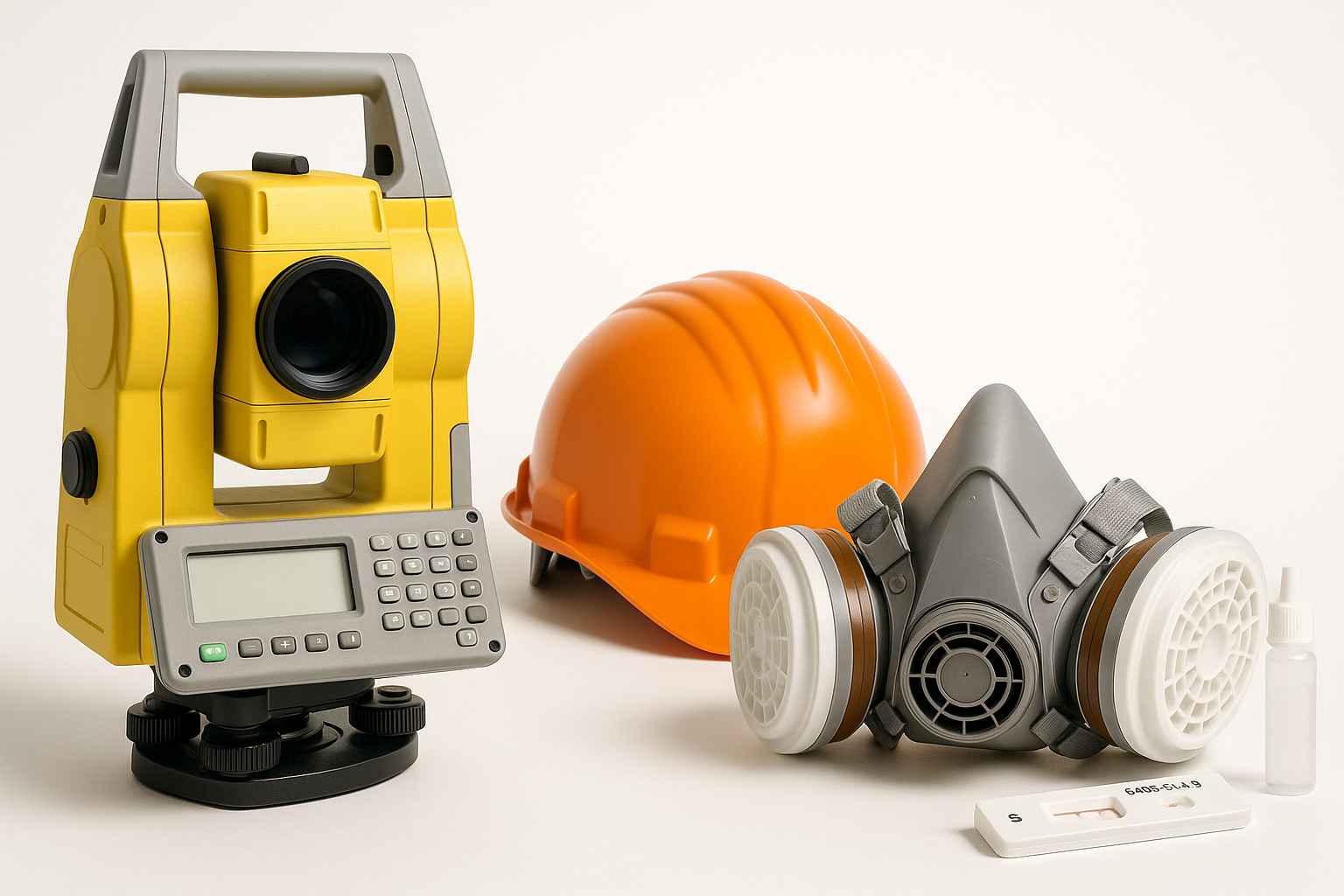
The workplace control limit under the Control of Asbestos Regulations is often misunderstood. It is not a safe level. It is a legal benchmark used in regulated work settings, and the duty still remains to reduce exposure as low as reasonably practicable.
Risk depends on several factors working together:
- The type of asbestos-containing material
- Its condition before the incident
- Whether it was disturbed
- The method of disturbance, such as drilling, sanding or breaking
- The amount of dust generated
- How long the exposure lasted
- Whether the area was enclosed or well ventilated
- Whether suitable respiratory protective equipment was worn
- Whether similar exposures have happened before
That is why two incidents that sound similar can carry very different levels of risk. Walking past an intact asbestos cement roof is not the same as drilling asbestos insulating board in a tight service riser.
So when someone asks is any asbestos safe, the practical answer is that risk has to be judged by the material, the condition and the activity involved. Assumptions are where problems start.
Is asbestos safe if it is left alone?
This is one of the most common versions of the question is any asbestos safe. Undisturbed asbestos-containing materials in good condition may present a lower immediate risk, but they are not safe in the everyday sense of the word.
They may sometimes remain in place if they are:
- Properly identified
- In sound condition
- Protected from accidental damage
- Included in an asbestos register
- Managed under a suitable asbestos plan
- Communicated to anyone who may disturb them
This is the basis of asbestos management in occupied buildings. Removal is not always the first or best option. In some circumstances, leaving materials in place and managing them is the correct approach.
That only works if the information is accurate and the controls are real. A survey sitting in a drawer does not protect anyone. Contractors need the information before they start work, and the condition of known materials needs to be reviewed.
Practical steps for dutyholders
- Arrange the correct survey for the building and the planned works
- Keep the asbestos register up to date
- Review the condition of known materials regularly
- Label or otherwise identify asbestos risks where appropriate
- Make sure contractors see asbestos information before starting work
- Stop work immediately if suspect materials are uncovered
If you are planning works in the Midlands, booking an asbestos survey Birmingham inspection before intrusive activity starts is a practical way to reduce risk and avoid disruption.
How bad is one-time or short-term asbestos exposure?
Short-term exposure causes understandable anxiety. Someone drills into a wall, removes old ceiling tiles, lifts flooring or enters a ceiling void before realising asbestos may be present. The first question is usually whether serious harm has already been done.
In many brief, one-off situations, the absolute risk is likely to be low. That is the balanced answer. It is not the same as saying the exposure was safe.
If you are asking is any asbestos safe after a single incident, avoid panic and deal with the facts. One brief exposure is generally far less concerning than repeated exposure over months or years.
The difficulty is that many so-called one-off incidents are not truly one-off. They happen repeatedly in older buildings where no proper survey has been carried out and no one has checked what is behind a panel, above a ceiling or inside a riser.
Short-term exposure becomes more concerning when:
- The material was friable, such as lagging or insulating board
- Power tools were used
- The work created visible dust
- The area was enclosed and poorly ventilated
- Clothing became contaminated
- There have been previous similar incidents
For property managers, the lesson is simple: do not rely on luck. If maintenance staff or contractors may disturb hidden materials, commission the correct survey before work begins. For projects in the North West, an asbestos survey Manchester appointment can identify risks before they turn into an incident.
What to do if asbestos is disturbed
The worst response is to carry on working and hope for the best. The right response is controlled, calm and documented.
- Stop work immediately. Do not drill, cut, break or move the material any further.
- Keep people out of the area. Restrict access so fibres are not spread.
- Avoid dry cleaning. Do not sweep and do not use a standard vacuum cleaner.
- Prevent further contamination. Do not walk debris through occupied areas if it can be avoided.
- Wash exposed skin gently. Rinse dust away rather than scrubbing aggressively.
- Remove dusty clothing carefully. Bag it if needed and seek advice on handling and disposal.
- Report the incident. Tell the employer, dutyholder, landlord or site manager straight away.
- Arrange professional assessment. A competent surveyor or analyst can inspect, sample and advise on next steps.
- Record what happened. Note the location, activity, duration and who was present.
If the material has already been disturbed, sampling may be needed to confirm whether asbestos is present. If there is wider contamination, specialist cleaning and remedial work may be required before the area is used again.
What employers and dutyholders should do next
Employers and dutyholders should treat every suspected disturbance seriously. Good asbestos management is not just about having a survey on file. It is about making sure the information is current, accessible and used before work starts.
After a suspected incident, practical steps include:
- Secure the area immediately
- Check the asbestos register and management plan
- Arrange inspection or sampling by a competent person
- Review whether contractors had the correct pre-work information
- Update risk assessments and permit systems if needed
- Prevent re-entry until the area is assessed and, where necessary, made safe
- Keep written records of the incident and the response
Where asbestos was known, or should reasonably have been known, poor management can lead to enforcement action, project delays and avoidable exposure. The practical fix is straightforward: identify asbestos early, communicate clearly and control the work properly.
Survey first, then decide whether to manage or remove
One reason the question is any asbestos safe keeps causing confusion is that people jump straight to removal. In reality, the first step is to establish what is actually present.
A suitable asbestos survey helps answer the questions that matter:
- Is asbestos present?
- What product contains it?
- What condition is it in?
- Is it likely to be disturbed during normal use or planned works?
- Does it need management, encapsulation, repair or removal?
For occupied premises, an asbestos management survey helps locate, as far as reasonably practicable, the presence and extent of asbestos-containing materials that could be disturbed during normal occupation and routine maintenance.
For planned intrusive works, a refurbishment or demolition survey is usually required before the work starts. This is essential where the project will disturb the fabric of the building.
Without the right survey, decisions are based on guesswork. That is when people drill into insulating board, break asbestos cement during strip-out or expose maintenance staff to avoidable risk.
Common myths that lead to bad decisions
“If it’s only a small amount, it’s safe”
Small amount does not mean safe. It may mean lower risk, depending on the material and the activity, but it should never be treated as harmless by default.
“If there is a legal limit, anything below it is fine”
No. Legal control limits are not a promise of safety. They are part of a wider framework that still requires exposure to be prevented or reduced as far as reasonably practicable.
“If I can’t see dust, there’s no problem”
Asbestos fibres are microscopic. You cannot assess risk properly just by looking at the area.
“All asbestos has to be removed immediately”
Not always. Some asbestos-containing materials can remain in place under proper management if they are in good condition and unlikely to be disturbed.
“One brief exposure means serious illness is certain”
No. A single short incident will often involve a low absolute risk, but it still needs to be assessed properly and should not be dismissed as safe.
Frequently Asked Questions
Is any asbestos safe if it is sealed and undisturbed?
No asbestos is truly safe, but asbestos-containing materials in good condition may sometimes be left in place and managed if they are properly identified, protected and unlikely to be disturbed. Managed does not mean harmless.
Can one exposure to asbestos hurt you?
One brief exposure is usually far less concerning than repeated exposure over time, and the absolute risk is often low. However, that does not make it safe, especially if the material was friable or the work created dust in an enclosed area.
Should I remove all asbestos from my building?
Not necessarily. Some materials are best managed in place if they are sound and unlikely to be disturbed. The right decision depends on the type of material, its condition, where it is located and whether planned works will affect it.
What should I do if I think asbestos has been disturbed?
Stop work immediately, keep people out of the area, avoid sweeping or using a standard vacuum cleaner, report the incident and arrange professional assessment. Do not resume work until the area has been checked and the risk properly controlled.
Do I need a survey before maintenance or refurbishment?
If the building may contain asbestos, yes. The correct survey helps identify materials before they are disturbed. That protects workers, occupants, budgets and project timelines.
If you are unsure whether asbestos in your property can be safely managed, or you need a survey before maintenance, refurbishment or demolition, speak to Supernova Asbestos Surveys. We provide clear, practical advice backed by nationwide experience. Call 020 4586 0680 or visit asbestos-surveys.org.uk to book a survey.