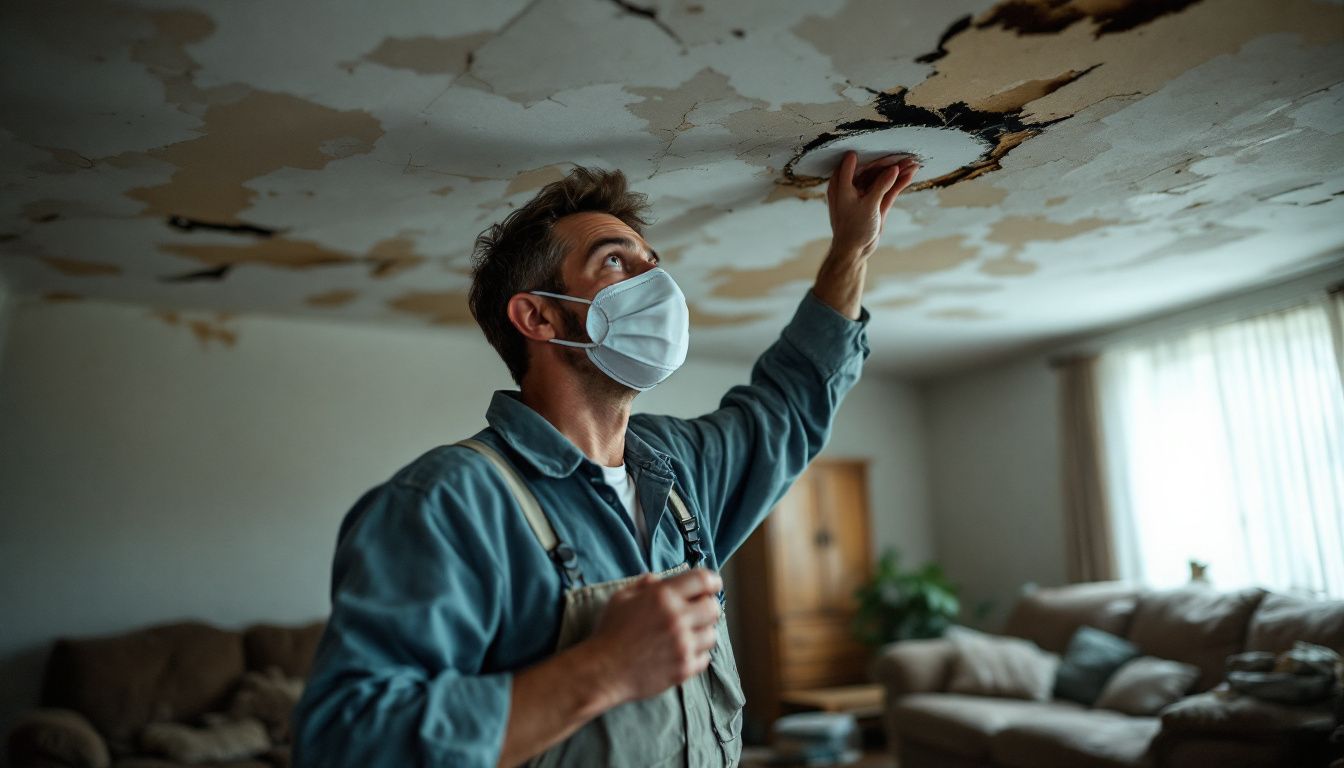
How Much to Remove an Asbestos Ceiling? Costs, Process, and What to Expect
Asbestos ceilings remain one of the most common discoveries during property renovations across the UK — and one of the most frequently misunderstood hazards in older buildings. If you’ve just found out your ceiling may contain asbestos, the first question is almost always the same: how much to remove asbestos ceiling materials safely and legally?
The answer depends on several factors, but getting it wrong can cost far more than the removal itself. Whether you’re a homeowner, landlord, or commercial property manager, here’s exactly what drives the cost, what the process involves, and why cutting corners is never worth the risk.
Why Asbestos Ceilings Are Still So Common in UK Properties
Asbestos was used extensively in UK construction right up until its full ban in 1999. Ceiling tiles, Artex coatings, textured finishes, and spray-applied insulation all frequently contained asbestos fibres — particularly in properties built or refurbished between the 1950s and 1980s.
The material was favoured for its fire resistance, durability, and low cost. Millions of properties across the UK still contain it today, and many owners don’t discover it until they begin renovation work or commission a survey ahead of a sale or refurbishment.
The critical point is this: asbestos in a ceiling isn’t automatically dangerous if left undisturbed. The risk comes the moment you disturb it — sanding, drilling, cutting, or pulling it down without proper controls in place.
How Much to Remove Asbestos Ceiling: The Key Cost Factors
There is no single fixed price for asbestos ceiling removal. Costs vary considerably depending on the specifics of the job. Here are the main factors that determine what you’ll pay.
Type of Asbestos-Containing Material
Not all asbestos ceiling materials carry the same risk or removal cost. Artex and textured coatings typically contain lower concentrations of asbestos — usually chrysotile (white asbestos) — and are often considered lower risk. Spray-applied asbestos coatings or insulation board ceilings may contain more hazardous fibre types and require more intensive removal procedures.
The type of material directly affects the level of containment required, the protective equipment needed, and the disposal classification — all of which feed into the final cost.
Size of the Area
Removal is typically priced per square metre. A small bathroom ceiling is a very different job from an entire commercial floor. As a rough guide, domestic asbestos ceiling removal in the UK can range from around £500 for a small room to several thousand pounds for larger or more complex spaces.
Commercial properties — offices, warehouses, schools, and retail units — often involve much larger surface areas, and costs scale accordingly. Always get a site-specific quotation rather than relying on ballpark online estimates.
Accessibility and Location
A ground-floor ceiling with easy access is a straightforward job. A ceiling in a basement, a high-rise flat, or a property with limited working space adds complexity and time. Scaffolding requirements, restricted access, or working around occupied areas all affect the final price.
Condition of the Material
Asbestos-containing materials are classified as either friable (easily crumbled) or non-friable (bound and intact). Friable asbestos releases fibres far more readily and requires a higher level of containment, more stringent air monitoring, and more careful disposal procedures. This increases both the time on site and the overall cost.
Survey and Testing Requirements
Before any removal work begins, you need a professional asbestos survey to confirm the presence and type of asbestos. This is a separate cost from the removal itself. Skipping this step is not just inadvisable — in many circumstances, it is a legal requirement under the Control of Asbestos Regulations.
If you’re based in the capital, an asbestos survey London team can assess your property quickly and provide the documentation you need before any contractor starts work.
Disposal Costs
Asbestos waste is classified as hazardous waste in the UK. It must be double-bagged, clearly labelled, transported under a waste carrier licence, and deposited at a licensed facility. These disposal costs are a real and unavoidable part of the total price — any quote that doesn’t include them should raise immediate questions.
Asbestos Ceiling Removal Costs by Property Type
Costs differ meaningfully between residential and commercial properties. Here’s a practical breakdown based on typical UK market rates.
Domestic Properties
- Single room (e.g. bathroom or bedroom): Typically £500–£1,500 depending on size and material type
- Whole-house Artex removal: Can range from £2,000 to £5,000+ for a standard three-bedroom property
- Insulation board ceiling tiles: Higher cost due to licensed work requirements — quotes vary widely by property and specification
Commercial Properties
- Office suites and retail units: Costs scale with floor area; large open-plan spaces can run to tens of thousands of pounds
- Schools and public buildings: Often subject to additional regulatory requirements and extended air monitoring periods
- Industrial premises: Spray-applied asbestos coatings in older warehouses and factories represent some of the most complex and costly removal projects
If you manage commercial property in the Midlands, an asbestos survey Birmingham team can assess your premises and advise on the scope and likely cost of any required removal work.
What Does the Asbestos Ceiling Removal Process Actually Involve?
Understanding what you’re paying for helps you assess whether a quote is realistic. Professional asbestos removal follows a structured process governed by HSE guidance and the Control of Asbestos Regulations.
Step 1: Survey and Sample Analysis
A qualified surveyor inspects the ceiling, takes samples, and sends them for laboratory analysis. This confirms whether asbestos is present, which type, and in what concentration. The survey report informs the removal specification and method statement.
If you want to test a specific material before commissioning a full survey, professional sample analysis services can provide a fast, accredited result from a single bulk sample.
Step 2: Method Statement and Risk Assessment
The licensed contractor prepares a detailed method statement and risk assessment before work begins. For licensed asbestos work, the contractor must also notify the relevant enforcing authority — the HSE or local authority — at least 14 days before starting.
Step 3: Enclosure and Containment
The work area is sealed off using heavy-duty polythene sheeting. An airlock entry system is set up, and negative pressure units with HEPA filtration run continuously throughout the job. This creates a controlled environment where fibres cannot escape into the wider building.
Step 4: Removal
Workers in full respiratory protective equipment and disposable coveralls carefully remove the ceiling material. Wet methods are used where possible to suppress dust. Materials are double-bagged immediately and placed in clearly labelled asbestos waste containers.
Step 5: Decontamination and Air Clearance Testing
Once removal is complete, the enclosure is thoroughly cleaned using industrial HEPA vacuums and damp wiping. Air clearance testing is carried out by an independent analyst to confirm that fibre levels are below the clearance indicator before the enclosure is dismantled. The area is only handed back once it passes.
Step 6: Waste Disposal
All asbestos waste is transported off site by a licensed waste carrier and deposited at an approved hazardous waste facility. You should receive a waste transfer note as documentation that disposal was handled correctly.
Licensed vs Non-Licensed Asbestos Work — What’s the Difference?
Not all asbestos ceiling work requires a fully licensed contractor, but much of it does. The Control of Asbestos Regulations divides asbestos work into three categories: licensed, notifiable non-licensed (NNLW), and non-licensed.
Spray-applied asbestos coatings and asbestos insulation board almost always fall under licensed work. Textured coatings like Artex may fall under NNLW depending on fibre type and concentration — but this must be determined by a professional, not assumed. Non-licensed work covers only a narrow range of low-risk activities and rarely applies to ceiling removal.
Using an unlicensed contractor for licensed work is a criminal offence. It also invalidates any insurance claims related to the work and leaves you personally liable for any health consequences. Always verify that your contractor holds a current HSE asbestos removal licence before work begins.
Can You Remove an Asbestos Ceiling Yourself?
In short: no. The Control of Asbestos Regulations make it illegal for unlicensed individuals to carry out licensable asbestos work, and most asbestos ceiling removal falls squarely into this category.
Even for lower-risk materials, the practical dangers of DIY removal are severe. Asbestos fibres are invisible to the naked eye. Disturbing a ceiling without proper containment can contaminate an entire building within hours — fibres settle on surfaces, circulate through ventilation systems, and remain in the environment long after the work is done.
The resulting cleanup costs — and potential health consequences for occupants — far outweigh any saving made by avoiding professional fees. Improper disposal adds another layer of risk. Dumping asbestos waste illegally carries significant fines and can result in prosecution, and local authorities actively investigate illegal asbestos disposal.
Getting an Accurate Quote for Asbestos Ceiling Removal
The only reliable way to get an accurate cost is to have the property surveyed first, then obtain quotes from licensed contractors based on that survey report. Be cautious of any contractor who quotes without seeing the site or reviewing a survey report.
When comparing quotes, check the following:
- Is the contractor HSE-licensed for asbestos removal?
- Does the quote include waste disposal and clearance air testing?
- Is the method statement included or available on request?
- Does the contractor carry adequate public liability and employer’s liability insurance?
- Will they provide a waste transfer note on completion?
A significantly lower quote that omits any of the above should be treated with caution. Cutting corners on asbestos work creates liability for the property owner as well as real risk for occupants and future visitors.
Property managers in the North West can access specialist advice from an asbestos survey Manchester team who understand the specific building stock and regulatory requirements in the region.
What If You Leave an Asbestos Ceiling in Place?
Removal is not always the only option. If asbestos-containing ceiling materials are in good condition and are not going to be disturbed, managing them in place is sometimes the appropriate course of action under the duty to manage asbestos.
This approach — known as encapsulation or management in situ — involves sealing the material to prevent fibre release, monitoring its condition regularly, and keeping a clear record in the property’s asbestos register. It is often lower cost in the short term and entirely legal provided it is properly managed.
However, if renovation work is planned, if the material is deteriorating, or if the property is being sold or transferred, removal is usually the more practical long-term solution. A professional surveyor can advise on which approach is appropriate for your specific situation.
The Legal Duty to Manage Asbestos in Non-Domestic Properties
For commercial property owners and managers, the duty to manage asbestos under the Control of Asbestos Regulations is not optional. You are legally required to identify whether asbestos is present in your premises, assess its condition, and either manage it safely or arrange for its removal.
Failure to comply can result in enforcement action, prohibition notices, and prosecution by the HSE. More importantly, it puts the health of anyone who works in or visits the building at genuine risk.
HSG264 — the HSE’s guidance on asbestos surveys — sets out the standards that surveyors and duty holders must meet. A management survey is typically the starting point for non-domestic properties, with a refurbishment and demolition survey required before any intrusive work begins.
Keeping an up-to-date asbestos register, ensuring contractors are informed before any work starts, and reviewing the register when conditions change are all part of meeting your legal obligations.
Frequently Asked Questions
How much does it cost to remove an asbestos ceiling in a domestic property?
Costs vary depending on the size of the area, the type of asbestos-containing material, and the level of containment required. As a rough guide, a single room can cost between £500 and £1,500, while whole-house removal of textured coatings can range from £2,000 to £5,000 or more. Always get a site-specific quote from a licensed contractor after a professional survey has been completed.
Do I need a survey before getting asbestos ceiling removal quotes?
Yes. A professional asbestos survey is essential before any removal work begins. It confirms whether asbestos is present, identifies the type and condition of the material, and provides the information contractors need to prepare an accurate quote and a compliant method statement. In many circumstances, a survey is also a legal requirement under the Control of Asbestos Regulations.
Can I encapsulate an asbestos ceiling instead of removing it?
In some cases, yes. If the material is in good condition and will not be disturbed, encapsulation or management in situ can be a legitimate and cost-effective option. This involves sealing the material to prevent fibre release and monitoring it regularly. However, if renovation work is planned or the material is deteriorating, removal is usually the safer long-term choice. A qualified surveyor can advise on the most appropriate approach for your property.
Is it illegal to remove an asbestos ceiling yourself?
For most asbestos ceiling materials, yes. The Control of Asbestos Regulations prohibit unlicensed individuals from carrying out licensable asbestos work, which includes the removal of most ceiling materials containing asbestos. Even where work is technically non-licensed, DIY removal carries serious health risks and practical dangers that make professional involvement essential. Illegal disposal of asbestos waste also carries significant fines and can result in prosecution.
How do I verify that an asbestos removal contractor is properly licensed?
You can check whether a contractor holds a current HSE asbestos removal licence directly through the HSE’s public register of licensed asbestos contractors. Always ask to see evidence of the licence before work begins, and confirm that the contractor carries adequate public liability and employer’s liability insurance. A reputable contractor will also provide a waste transfer note confirming that all asbestos waste has been disposed of correctly at a licensed facility.
Get Professional Advice from Supernova Asbestos Surveys
If you’re trying to work out how much to remove asbestos ceiling materials from your property — whether it’s a single room or a large commercial premises — the starting point is always a professional survey from a qualified team.
Supernova Asbestos Surveys has completed over 50,000 surveys across the UK. Our UKAS-accredited surveyors work with homeowners, landlords, and commercial property managers to identify asbestos, assess risk, and provide clear, practical advice on the most appropriate course of action.
Call us today on 020 4586 0680 or visit asbestos-surveys.org.uk to book a survey or request a quote. We cover locations nationwide, with specialist teams available across London, Birmingham, Manchester, and beyond.