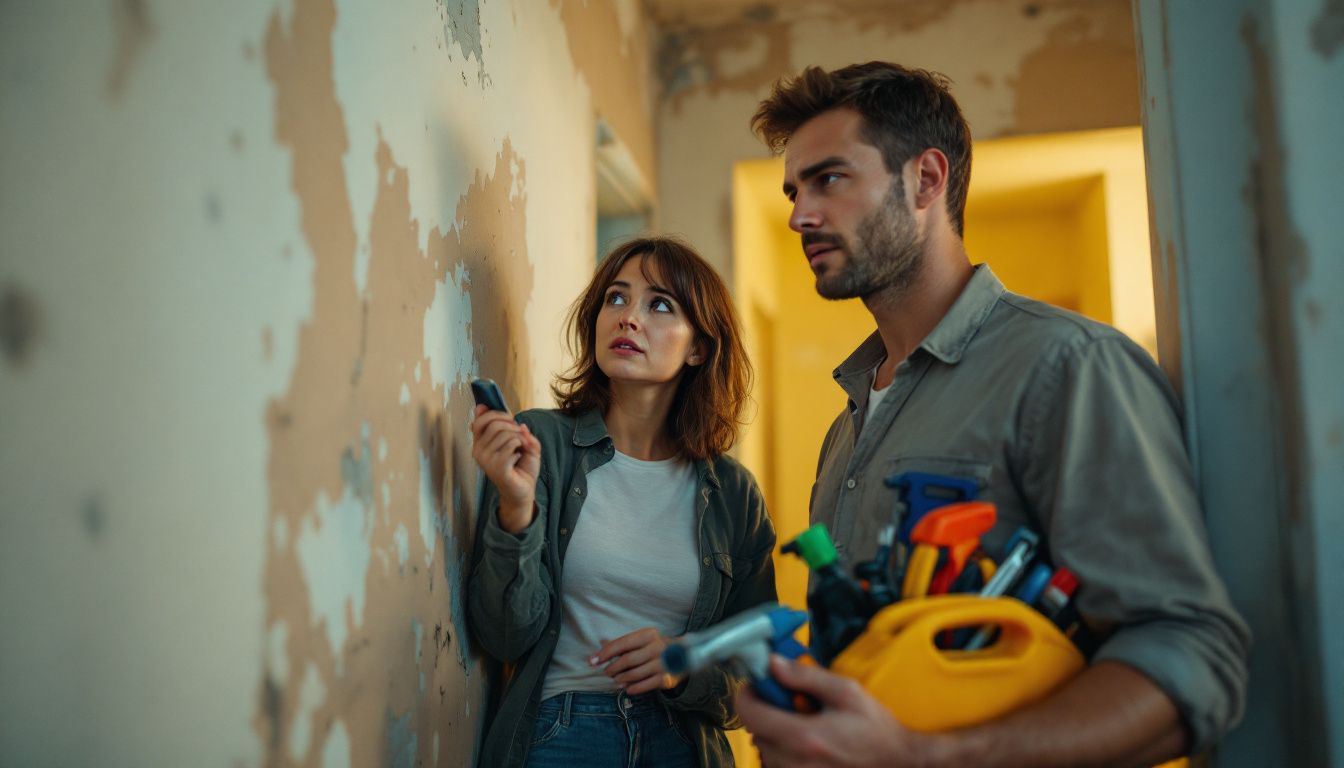
Before You Pick Up a Drill: What Every DIY Enthusiast Must Know About Asbestos
Millions of UK homes built before 2000 contain asbestos, and most homeowners have absolutely no idea it’s there. The moment you start drilling, sanding, or ripping out old materials, you could be releasing microscopic fibres into the air — fibres that lodge permanently in lung tissue and cause fatal diseases decades later.
One of the most common questions from DIY enthusiasts is whether an asbestos full face mask is enough to keep them safe during renovation work. The honest answer is: it depends entirely on what you’re doing, what type of mask you’re using, and whether you should be doing the work at all.
What follows is a straightforward breakdown of the risks, the regulations, the right equipment, and the point at which you need to put the tools down and call a professional.
Where Asbestos Hides in Older UK Homes
Asbestos was used extensively in UK construction from the 1920s right through to the late 1990s. It was cheap, fire-resistant, and effective as insulation — which is exactly why it ended up in so many different building materials across the country.
Knowing where it commonly hides is the first step to staying safe during any home project.
Insulation Around Pipes, Boilers and Water Tanks
Lagging around pipework and boilers is one of the most common locations for asbestos in older homes. If you see white or grey fluffy material wrapped around central heating pipes or a hot water tank, treat it as suspect until proven otherwise.
Disturbing this type of insulation releases fibres rapidly and in high concentrations. It is among the most hazardous materials a homeowner can encounter.
Textured Coatings and Ceiling Tiles
Artex and similar textured coatings were applied to millions of UK ceilings and walls from the 1960s through to the 1980s. Many of these products contained chrysotile (white asbestos) as a strengthening agent.
If your ceiling has a swirled, stippled, or patterned finish, it may contain asbestos. Sanding or scraping it without proper protection is extremely dangerous. Square ceiling tiles, particularly in older kitchens and bathrooms, are another common source.
Floor Tiles and Adhesives
Vinyl floor tiles from the 1960s to the 1980s frequently contained asbestos, as did the black bitumen adhesive used to bond them to concrete subfloors. Lifting old tiles or scraping up adhesive residue without testing first is a significant risk.
The same applies to old linoleum, which sometimes had an asbestos-containing backing layer that’s easy to miss on visual inspection alone.
Loft Insulation and Wall Cavities
Loose-fill asbestos insulation was used in some loft spaces and cavity walls, particularly in properties built or refurbished during the 1960s and 1970s. This is among the most hazardous forms because the fibres are already loose and become airborne with the slightest disturbance.
If you’re planning any loft conversion work, a management survey before work begins is not optional — it’s essential for your safety and legal compliance.
The Health Risks: Why This Isn’t Something to Gamble With
Asbestos-related diseases are responsible for thousands of deaths in the UK every year. What makes asbestos particularly insidious is the latency period — symptoms can take anywhere from 10 to 60 years to appear after initial exposure. By the time a diagnosis is made, the damage is already severe and irreversible.
The diseases caused by asbestos fibre inhalation include:
- Mesothelioma — a cancer of the lining of the lungs, chest, or abdomen, almost exclusively caused by asbestos exposure and carrying a very poor prognosis
- Asbestosis — progressive scarring of lung tissue that causes permanent breathing difficulties
- Lung cancer — asbestos exposure significantly increases risk, particularly in smokers
- Pleural thickening — scarring of the lung lining that restricts breathing capacity over time
There is no safe level of asbestos exposure. Even a single, significant exposure event can trigger disease. This is precisely why the question of respiratory protection — including what constitutes an adequate asbestos full face mask — matters so much for anyone working on older properties.
Asbestos Full Face Mask: What You Actually Need and Why It Matters
This is where many DIY guides get dangerously vague. Not all face masks are created equal, and the wrong type of mask offers essentially no protection against asbestos fibres.
Why Standard Dust Masks Are Completely Inadequate
Basic paper dust masks — the kind sold in hardware shops for general DIY use — are not suitable for asbestos work. Asbestos fibres are microscopic, measuring just 0.1 to 10 micrometres in length. They pass straight through the filter material in standard dust masks without any meaningful resistance.
Wearing one while disturbing asbestos-containing materials gives a false sense of security. That false confidence is arguably more dangerous than wearing nothing at all, because it encourages people to continue work they should have stopped.
What a Proper Asbestos Full Face Mask Must Provide
For any work where asbestos exposure is possible, the minimum standard required under HSE guidance is an FFP3-rated respirator. An asbestos full face mask that covers the entire face — eyes included — provides significantly better protection than a half-mask because it eliminates gaps around the cheeks and chin where fibres can be drawn in.
Key features of a proper asbestos full face mask include:
- Full face coverage including eye protection
- P3-rated filters (or FFP3 for disposable half-masks, though a full face mask is preferable for higher-risk tasks)
- A proper face seal — facial hair prevents an adequate seal and compromises protection entirely
- Compatibility with other PPE such as disposable overalls and gloves
- Compliance with EN 136 (full face masks) or EN 149 (filtering facepieces) standards
It’s worth noting that a full face mask also protects your eyes from asbestos dust, which a half-mask respirator does not. For anything beyond the most minor, low-risk tasks, a full face mask is the appropriate choice.
Fit Testing: The Step Most People Skip
Even the most expensive asbestos full face mask on the market is useless if it doesn’t fit correctly. A mask that gaps at the sides or sits poorly against the face allows contaminated air to bypass the filter entirely.
Proper fit testing — where the seal is checked under controlled conditions — is a requirement for workers in professional settings and should be taken seriously by anyone using respiratory protection for asbestos work. If you have a beard, a full face mask will not seal adequately. That is not a minor inconvenience; it renders the mask ineffective.
When Even the Right Mask Isn’t Enough
Here is the critical point that many DIY guides avoid stating clearly: even a correctly fitted, high-specification asbestos full face mask does not make asbestos work legal or safe for unlicensed individuals.
Under the Control of Asbestos Regulations, certain categories of asbestos work — particularly involving friable or high-risk materials — can only be carried out by licensed contractors. Wearing the right PPE is one layer of protection; it does not replace legal compliance, proper training, or professional assessment.
If you suspect you’ve already disturbed asbestos-containing material, stop work immediately, leave the area, close doors and windows to contain any dust, and seek professional advice before re-entering.
Safe DIY Practices Around Asbestos-Containing Materials
The safest approach is always to test before you touch. But if you’re working in an area where asbestos-containing materials may be present and the material is in good condition and will not be disturbed, there are steps you can take to reduce risk.
Never Drill, Sand, or Cut Suspect Materials
Mechanical action is what releases asbestos fibres into the air. Drilling through an Artex ceiling, cutting old floor tiles, or sanding painted surfaces in a pre-2000 property are all high-risk activities. If you cannot confirm a material is asbestos-free through laboratory testing, treat it as though it contains asbestos and act accordingly.
Set Up Containment Before Any Work
If you must work near suspect materials, use heavy-duty polythene sheeting to seal off the work area. Tape sheeting over doorways, vents, and any gaps. This prevents fibres from spreading to other rooms and contaminating the wider property.
Do not use a domestic vacuum cleaner to clean up dust. Standard vacuum filters cannot capture asbestos fibres and will simply redistribute them back into the air. Only a vacuum cleaner fitted with a HEPA H-class filter is appropriate.
Wear the Correct PPE — Every Time
Beyond the asbestos full face mask, your PPE should include:
- Disposable coveralls (Type 5/6 minimum) — worn once and then sealed in a double-bagged waste sack
- Nitrile gloves
- Disposable boot covers
- Safety goggles if not using a full face mask
Remove PPE carefully in the correct order to avoid self-contamination. Never take contaminated clothing into your home or wash it with household laundry. Asbestos fibres on clothing can expose other members of your household to risk — a phenomenon known as secondary exposure.
Conduct a Proper Risk Assessment First
Before starting any renovation in a pre-2000 property, walk through the space and identify all materials that could potentially contain asbestos. Photograph suspect areas and note the condition of materials. Damaged, crumbly, or friable materials present a far higher risk than materials that are intact and painted over.
If you’re unsure, professional asbestos testing will give you definitive answers about what you’re dealing with before any work begins.
Getting Your Property Tested: What the Options Are
Testing is the only way to know for certain whether a material contains asbestos. Visual inspection alone — even by experienced surveyors — cannot confirm the presence of asbestos without laboratory analysis. Anyone who tells you otherwise is guessing.
Professional Asbestos Survey
A professional survey is the gold standard. A qualified surveyor will inspect your property, take samples from suspect materials, and have them analysed by an accredited laboratory. The results tell you exactly which materials contain asbestos, what type, and what condition they’re in — giving you a clear picture of the risk before any renovation work begins.
If you’re based in the capital, our asbestos survey London service covers properties across the city. We also offer an asbestos survey Manchester service and an asbestos survey Birmingham service for property owners across the UK’s major cities.
Home Testing Kits
For homeowners who want to take a preliminary sample themselves, an asbestos testing kit allows you to collect a small sample from a suspect material and send it to an accredited laboratory for analysis. This is a lower-cost option that can provide useful information, but it comes with important caveats.
Taking a sample still involves disturbing the material, which carries risk if asbestos is present. You must follow the safety instructions included with the testing kit precisely, including wearing appropriate PPE throughout the process.
A home kit also only tests the specific sample you take — it doesn’t give you the whole-property picture that a professional survey provides. For a broader understanding of what professional asbestos testing involves, including what happens during laboratory analysis and how results are interpreted, our dedicated testing page covers the process in full.
When to Call a Professional — And Why Licensed Removal Matters
There are situations where DIY is simply not an option, legally or practically. Under the Control of Asbestos Regulations, licensed asbestos removal contractors must be used for work involving:
- Sprayed asbestos coatings
- Asbestos insulation and insulating board (AIB) in significant quantities
- Any material where the risk assessment indicates high fibre release potential
Even for notifiable non-licensed work — a middle category that covers some lower-risk tasks — there are strict requirements around training, PPE, and waste disposal. If you’re in any doubt about which category your project falls into, assume it requires a licensed contractor and seek professional advice before proceeding.
Professional asbestos removal ensures that materials are removed safely, waste is disposed of at a licensed facility, and the area is cleared to a standard confirmed by air testing. It also protects you legally — if unlicensed asbestos removal is discovered during a property sale or insurance claim, the consequences can be significant and costly.
UK Legal Requirements: What Property Owners Must Know
The Control of Asbestos Regulations place legal duties on anyone who manages or owns a non-domestic property. For domestic homeowners, the regulations primarily apply when hiring contractors — you have a duty to inform them of any known asbestos in the property before they begin work.
Key legal points for DIY enthusiasts to understand:
- You cannot legally carry out licensed asbestos removal work yourself, regardless of what PPE you wear
- Asbestos waste is classified as hazardous waste and must be disposed of at a licensed facility — it cannot go in your household bin or a general skip
- Failing to manage asbestos risks properly can result in enforcement action from the HSE
- Contractors working in your property have a right to be informed about known asbestos hazards before starting work
HSG264, the HSE’s guidance on asbestos surveying, provides detailed information on how surveys should be conducted and what duty holders are expected to know about their properties. Familiarising yourself with this guidance is worthwhile for any property owner planning renovation work.
The Bottom Line on Asbestos Full Face Masks and DIY Safety
An asbestos full face mask is a critical piece of equipment — but it is one component of a much larger safety framework, not a licence to proceed with whatever work you had planned. The correct mask, correctly fitted, with the correct filters, worn alongside appropriate disposable PPE, provides meaningful protection for low-risk tasks in areas where asbestos may be present.
It does not make high-risk work safe. It does not replace professional testing. And it does not satisfy the legal requirements that govern licensed asbestos removal.
The sensible approach for any DIY enthusiast is straightforward: test before you touch, use the correct PPE for the specific risk level, and know when to step back and bring in a qualified professional. Your lungs will thank you for it — even if the symptoms of getting it wrong won’t appear for another 30 years.
Frequently Asked Questions
Is an asbestos full face mask enough protection for DIY work in an older property?
A correctly fitted asbestos full face mask with P3-rated filters provides significantly better protection than a half-mask or standard dust mask, but it is not sufficient on its own. You also need appropriate disposable coveralls, gloves, and boot covers. More importantly, a mask does not make it legal or safe to carry out licensed asbestos removal work. Always test materials before disturbing them and use a licensed contractor for high-risk work.
What is the difference between an FFP3 mask and a full face mask for asbestos?
An FFP3 disposable mask covers the nose and mouth and provides a high level of filtration, making it suitable for lower-risk asbestos tasks. A full face mask covers the entire face including the eyes, providing both respiratory and eye protection, and typically uses replaceable P3 filters. For higher-risk tasks or prolonged exposure scenarios, a full face mask is the preferred option under HSE guidance.
Can I test for asbestos myself before starting renovation work?
Yes — a home asbestos testing kit allows you to take a sample from a suspect material and send it to an accredited laboratory for analysis. However, taking the sample still involves disturbing the material, so you must wear appropriate PPE throughout the process. A home kit only tests the specific sample you take; it won’t give you a whole-property assessment. For a complete picture, a professional survey is recommended.
What materials in my home are most likely to contain asbestos?
In properties built or renovated before 2000, common locations include textured coatings such as Artex on ceilings and walls, vinyl floor tiles and their adhesive, pipe lagging and boiler insulation, ceiling tiles, and loose-fill loft or cavity wall insulation. If your property dates from this period, you should treat any of these materials as potentially containing asbestos until laboratory testing confirms otherwise.
Do I need a licensed contractor to remove asbestos from my home?
It depends on the type and condition of the material. Under the Control of Asbestos Regulations, certain materials — including sprayed coatings, asbestos insulation, and insulating board — must be removed by a licensed contractor. Other lower-risk materials may fall into the category of notifiable non-licensed work, which still carries strict requirements. If you are unsure which category applies to your project, always seek professional advice before proceeding.
Get Expert Help Today
If you need professional advice on asbestos in your property, our team of qualified surveyors is ready to help. With over 50,000 surveys completed across the UK, Supernova Asbestos Surveys delivers clear, actionable reports you can rely on.
Call us on 020 4586 0680 or visit asbestos-surveys.org.uk for a free, no-obligation quote.