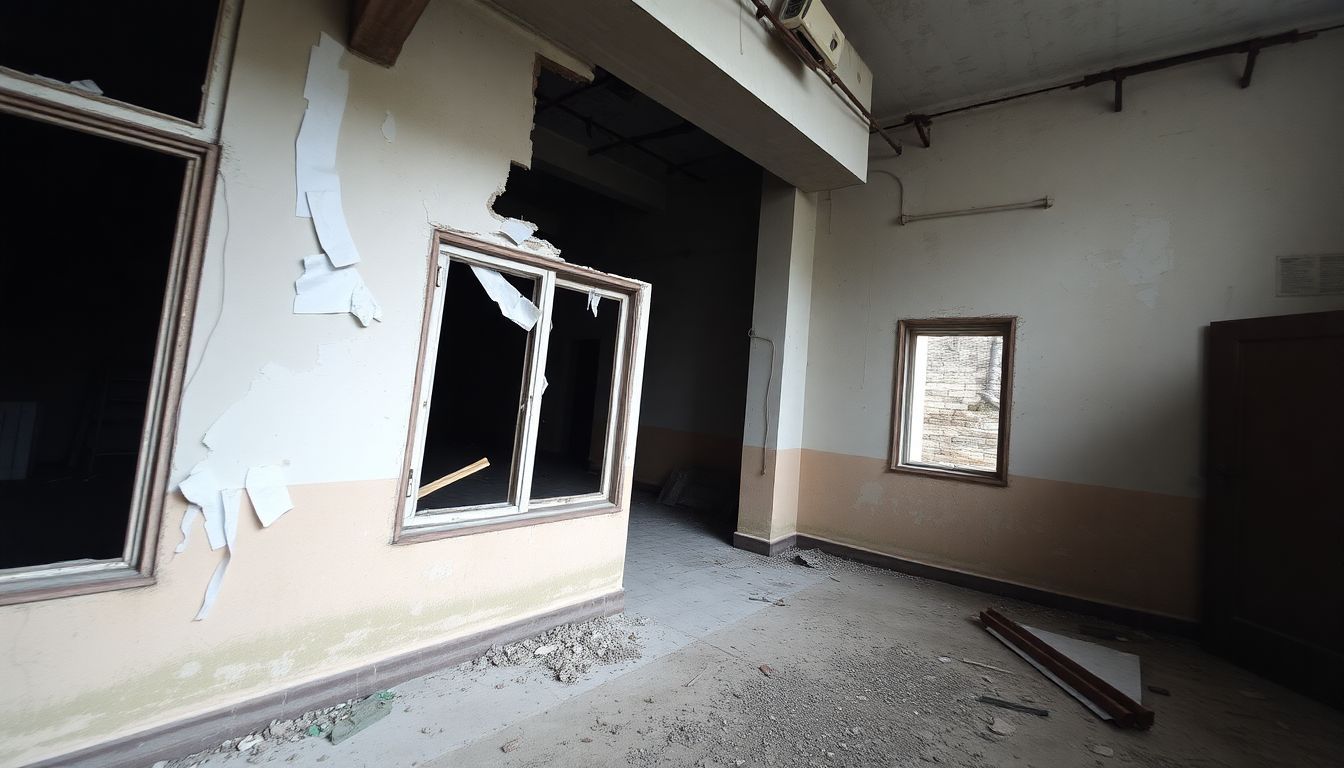
How to Identify Asbestos in Older Homes: What Every Homeowner Needs to Know
If your home was built before 2000 — and especially if it dates from the 1940s, 50s, or 60s — there is a real possibility it contains asbestos. The material was woven into British construction for decades, prized for its fire resistance, strength, and insulating properties. Knowing how to identify asbestos in older homes could protect your health, your family, and anyone you bring in to carry out renovation work.
The challenge is that asbestos cannot be identified by sight alone. It hides inside walls, under floors, above ceilings, and around pipework — often looking identical to ordinary building materials. What follows covers where it is most likely to be found, what warning signs to look for, and exactly what to do when you suspect it is present.
Why Older Homes Carry a Higher Risk
Asbestos use in the UK was not fully banned until 1999. Before that, it appeared in hundreds of building products — from roof sheets to floor tiles, textured coatings to pipe insulation. Homes built or refurbished between the 1930s and the late 1990s are all potentially affected.
The older the property, the wider the range of asbestos-containing materials (ACMs) that may be present. A 1940s house might contain several different types of asbestos across multiple locations. A 1970s home might have fewer materials but could still include textured ceiling coatings, floor tiles, and insulation boards.
Age alone does not tell you whether asbestos is dangerous. What matters is condition. Intact, undisturbed ACMs pose a much lower risk than materials that are damaged, crumbling, or about to be disturbed by building work. Understanding this distinction is central to managing asbestos safely in any older property.
Common Locations of Asbestos in Older Properties
Understanding where asbestos was typically used is the first step in learning how to identify asbestos in older homes. These are the areas that warrant the closest attention in any pre-2000 property.
Loft Insulation and Cavity Walls
Loose-fill insulation in loft spaces is one of the more hazardous forms of asbestos found in older homes. It can look like grey or white fluffy material, sometimes mixed with other fibres. Once disturbed — by fitting a loft hatch, laying boards, or installing new insulation — it releases fibres freely into the air.
Cavity wall insulation from earlier decades may also contain asbestos. Sprayed coatings applied to structural beams or ceiling surfaces are another concern. If your loft or wall cavities have never been inspected, treat them as suspect until proven otherwise.
Textured Coatings and Artex Ceilings
Textured decorative coatings — commonly known by the brand name Artex — were applied to millions of ceilings across the UK from the 1940s through to the early 1990s. Many of these products contained asbestos, typically at concentrations of between 1% and 10% by weight.
The coating itself is not necessarily dangerous if it remains intact. The risk arises when it is scraped, sanded, drilled through, or damaged. Even a small repair job on an Artex ceiling can release fibres if asbestos is present. Do not attempt to remove or resurface textured ceilings in an older property without a professional assessment first.
Vinyl Floor Tiles and Adhesives
Vinyl floor tiles manufactured before the 1980s frequently contained asbestos to improve strength and heat resistance. The black mastic adhesive used to fix them is often just as likely to contain asbestos as the tiles themselves.
Look for tiles that are cracked, curling at the edges, or worn through. Dark adhesive lines visible between or beneath tiles are a common indicator of older installation methods. Never sand, scrape, or attempt to lift these tiles without professional advice — doing so can make fibres airborne in seconds.
Pipe Lagging and Boiler Insulation
Pipe lagging — the insulating material wrapped around heating pipes, boilers, and hot water systems — is one of the most hazardous ACMs found in older properties. It was commonly made from amosite (brown asbestos) or chrysotile (white asbestos), and it degrades badly over time.
Fraying, crumbling, or visibly damaged lagging is a serious warning sign. Even lagging that appears intact may be releasing fibres if it has been knocked, compressed, or disturbed by previous maintenance work. Pipe lagging in basements, under floors, and in airing cupboards deserves particular attention in any pre-1980s property.
Cement Sheets, Soffits, and Cladding
Asbestos cement was used extensively in external and semi-external building components. You will find it in garage roofs, outbuildings, soffits, fascias, guttering, wall cladding, and flat roof sections. It was cheap, durable, and easy to work with — which is precisely why it was so widely used.
Asbestos cement is generally considered lower risk than softer insulation materials, but it becomes hazardous when it weathers, cracks, or is cut and drilled. Many homeowners are surprised to discover that their garage roof or garden shed is an ACM. If a structure looks like corrugated or flat grey sheeting and was built before 2000, treat it as potentially containing asbestos.
Roofing Materials
Asbestos was added to roofing felt and roof shingles for fire resistance and weather durability. In 1940s and 1950s properties, the original roof may still be in place. Dimpling, cracking, and broken edges on roof tiles or shingles can indicate asbestos-containing materials.
Roofing work on older properties carries particular risk because materials are often in poor condition and the work itself is physically disruptive. Never carry out repairs to a suspected asbestos roof without a professional inspection first.
Joint Compounds and Acoustic Tiles
Joint compounds used to fill gaps between plasterboard panels often contained asbestos in older properties. Acoustic ceiling tiles — popular from the 1950s through to the 1970s — are another common location. Both materials are easily damaged and can release fibres during even minor renovation work.
How to Identify Asbestos in Older Homes: Practical Steps
Learning how to identify asbestos in older homes starts with a careful visual inspection — but it must end with professional testing. Visual checks can indicate risk; only laboratory analysis can confirm it.
Carry Out a Careful Visual Inspection
Walk through the property systematically and look for the materials described above. Focus on areas most likely to contain ACMs:
- Loft spaces and insulation materials
- Boiler cupboards, airing cupboards, and pipework
- Ceilings with textured coatings
- Vinyl floor tiles, especially in kitchens and hallways
- Garage roofs, soffits, and external cladding
- Cement sheets around windows, outbuildings, and boundary walls
- Any sprayed or fibrous insulation on beams or structural elements
Do not touch, scrape, drill, or disturb anything during this inspection. Wear gloves and a dust mask as a precaution. Take photographs of anything that concerns you and share them with a qualified surveyor.
Look for Age and Condition Clues
Materials installed before 1980 carry the highest risk. If you have access to building records, original plans, or old receipts, these can help establish when materials were fitted. Some older products carry brand names such as Turner & Newall or Cape Asbestos — if you see these on packaging in a shed or loft, treat the contents as a potential ACM.
Condition matters as much as age. Look for:
- Cracking, flaking, or crumbling surfaces
- Water staining or powdery residue on tiles or sheets
- Frayed or broken pipe lagging
- Loose fibres visible on sprayed coatings
- Worn or damaged floor tiles with dark adhesive showing
Damaged materials are a higher priority for professional assessment than intact ones. If in doubt, stop what you are doing and call a qualified surveyor before proceeding.
Do Not Attempt DIY Sampling
It is tempting to cut a small piece from a suspect material and send it to a laboratory yourself. This approach is not advisable. Cutting or breaking ACMs releases fibres, and without proper protective equipment and containment procedures, you risk significant exposure.
Professional asbestos testing involves controlled sampling techniques, HEPA filtration, and strict decontamination procedures that protect both the surveyor and the occupants of the property. The cost of a professional sample is negligible compared to the health risk of doing it yourself.
When Asbestos Becomes Dangerous
Asbestos fibres cause harm when they are inhaled. The fibres are invisible to the naked eye and have no smell — you cannot tell whether you have been exposed without specialist monitoring. Once lodged in lung tissue, the fibres can cause mesothelioma, asbestosis, and lung cancer, sometimes decades after the original exposure.
The Health and Safety Executive is clear that there is no safe level of asbestos exposure. That said, intact and undisturbed ACMs present a much lower day-to-day risk than damaged or disturbed ones. The key triggers for fibre release are:
- Renovation, refurbishment, or demolition work
- Cutting, drilling, sanding, or scraping ACMs
- Water damage, fire, or physical impact
- Natural deterioration over many years
If you are planning any building work — even something as minor as fitting a new light fitting through a textured ceiling — you need to know what is in the materials above, below, and around the work area before you start.
Getting a Professional Asbestos Survey
A professional survey is the only reliable way to identify asbestos in older homes with any confidence. Surveyors are trained to recognise ACMs, take samples safely, and interpret laboratory results. They also know where asbestos is likely to be hiding based on the age, construction type, and history of the property.
Management Surveys
A management survey is the standard survey for occupied properties. It identifies the location, extent, and condition of any ACMs that could be disturbed during normal occupation or routine maintenance. The surveyor carries out a visual inspection, takes samples where necessary, and produces a report telling you what is present, where it is, and what condition it is in.
This type of survey is required by the Control of Asbestos Regulations for non-domestic premises, but it is equally valuable for homeowners who want to understand what they are living with. It gives you a clear baseline and a management plan going forward.
Refurbishment and Demolition Surveys
If you are planning significant renovation work, a more intrusive refurbishment survey is required. This involves accessing areas that would be disturbed by the planned work — including behind walls, under floors, and above ceilings. It is a legal requirement before any major refurbishment or demolition of a commercial property, and it is strongly advisable for residential properties too.
For properties being taken down entirely, a demolition survey is required. This is the most thorough type of inspection, designed to locate every ACM in the structure before any demolition work begins.
What Happens During an Inspection
A qualified surveyor will begin with a thorough visual inspection of the property, focusing on all the areas described above. Where materials are suspected to contain asbestos, small samples are collected using controlled techniques to minimise fibre release.
Samples are then sent to an accredited laboratory for analysis. You will receive a detailed written report listing every ACM identified, its location, its condition, and the recommended course of action. This might range from monitoring an intact material through to urgent asbestos removal for materials that are severely damaged or about to be disturbed.
What to Do If You Suspect Asbestos
If you have carried out a visual inspection and have concerns, the steps are straightforward:
- Stop any work in progress — do not continue drilling, cutting, or disturbing the area until you know what you are dealing with.
- Do not clean up dust or debris — if you have already disturbed something, leave the area and keep others out. Do not vacuum or sweep, as this can spread fibres further.
- Ventilate the space — open windows if it is safe to do so, and avoid spending time in the affected area.
- Contact a qualified asbestos surveyor — book a professional inspection as soon as possible. Provide photographs and as much information about the property’s age and history as you can.
- Follow the surveyor’s recommendations — whether that is monitoring, encapsulation, or removal, act on the advice given in your survey report.
If you are concerned about potential exposure, contact your GP and mention the possibility of asbestos contact. Keep a record of when and where the disturbance occurred.
Asbestos Surveys Across the UK
Supernova Asbestos Surveys operates nationwide, with specialist teams covering major cities and surrounding areas. Whether you need an asbestos survey in London, an asbestos survey in Manchester, or an asbestos survey in Birmingham, our UKAS-accredited surveyors can be with you quickly.
We have completed over 50,000 surveys across the UK, working with homeowners, landlords, property managers, and contractors. Every survey follows HSE guidance and the Control of Asbestos Regulations, and every report is clear, actionable, and legally compliant.
If you are unsure whether your property needs a survey, or which type of survey is right for your situation, call us on 020 4586 0680 or visit asbestos-surveys.org.uk. We will give you straightforward advice with no obligation.
Frequently Asked Questions
How do I know if my older home contains asbestos?
You cannot confirm the presence of asbestos by looking at a material alone. If your home was built before 2000, particularly before 1980, there is a realistic chance that some materials contain asbestos. A professional survey is the only way to know for certain. In the meantime, look for the common locations described above — textured ceilings, vinyl floor tiles, pipe lagging, and cement sheeting — and treat any suspect material as potentially hazardous until tested.
Is asbestos in older homes always dangerous?
Not necessarily. Asbestos-containing materials that are intact, in good condition, and left undisturbed pose a much lower risk than damaged or deteriorating materials. The danger arises when fibres become airborne — typically through cutting, drilling, sanding, or physical damage. The priority is to identify what is present, assess its condition, and manage it appropriately rather than assuming all ACMs need immediate removal.
Can I test for asbestos myself?
DIY sampling is strongly discouraged. Cutting or breaking a suspected ACM to take a sample releases fibres into the air, creating a risk of exposure without proper containment equipment. Professional asbestos testing uses controlled sampling methods, protective equipment, and HEPA filtration to keep exposure risks as low as possible. The cost of professional sampling is far outweighed by the health risk of attempting it yourself.
Do I need a survey before renovating an older home?
Yes — and this applies even to relatively minor renovation work. Any activity that involves cutting, drilling, or removing building materials in a pre-2000 property carries the risk of disturbing asbestos. A refurbishment survey should be carried out before work begins so that contractors know exactly what they are dealing with. This protects both the workers and the occupants, and it is a legal requirement for commercial premises undergoing refurbishment.
What should I do if I have accidentally disturbed asbestos?
Stop work immediately and leave the area. Do not vacuum, sweep, or attempt to clean up any dust or debris. Keep other people out of the space and ventilate it by opening windows if safe to do so. Contact a qualified asbestos surveyor to assess the situation, and speak to your GP if you are concerned about potential exposure. Keep a record of the incident including when it happened, what material was disturbed, and for how long you were in the area.