
One patch of damaged insulation board in a ceiling void can stop an entire project, trigger a dispute between landlord and tenant, and put workers at risk in the same afternoon. When commercial clients ask who is responsible for asbestos removal, they usually want one name and one clear answer. In practice, the answer depends on control of the premises, repairing obligations, the type of work planned, and whether removal is actually necessary at all.
That matters because asbestos duties in commercial property are not based on guesswork or convenience. Under the Control of Asbestos Regulations, the duty to manage asbestos in non-domestic premises usually sits with the person or organisation responsible for maintenance and repair, or the party with control of that part of the building. That can be a landlord, freeholder, managing agent, employer, tenant, or more than one party where duties are shared.
If you manage offices, schools, retail units, warehouses, factories, healthcare premises or mixed-use buildings, the safest approach is to identify responsibility before anyone starts drilling, stripping out, refurbishing or demolishing. The legal question of who is responsible for asbestos removal should always be tied to proper asbestos information, a suitable survey, and a practical plan for managing risk.
Who is responsible for asbestos removal in commercial buildings?
In most cases, who is responsible for asbestos removal comes down to control rather than simple ownership. The dutyholder is usually the person with responsibility for maintenance and repair, or the person who controls the area where the asbestos is located.
That may include:
- the freeholder or building owner
- a landlord
- a managing agent acting for the owner
- an employer occupying the premises
- a tenant with repairing obligations under the lease
- more than one party where control is shared
This is why asbestos issues become complicated in multi-let property. A landlord may control common parts and structural elements, while a tenant controls its own demise. Both may owe duties to staff, contractors and visitors.
It is also worth being clear on one point: asbestos does not always need to be removed. If an asbestos-containing material is in good condition, sealed, and unlikely to be disturbed, the right approach may be to manage it in place. Before deciding on removal, the responsible party should have reliable asbestos information, often starting with a suitable management survey.
The legal duty to manage asbestos
To understand who is responsible for asbestos removal, you first need to understand the wider duty to manage asbestos. The Control of Asbestos Regulations apply to non-domestic premises and to the common parts of some domestic buildings. Removal is only one possible control measure within that wider duty.
HSE guidance and HSG264 make it clear that asbestos surveys must be suitable for their purpose. A survey is not a paper exercise. It should give you practical information that helps you decide whether a material can remain in place, needs sealing, requires monitoring, or must be removed before work starts.
The dutyholder must take reasonable steps to:
- find out whether asbestos is present
- presume materials contain asbestos unless there is strong evidence otherwise
- assess the risk from asbestos-containing materials
- keep an up-to-date record of location and condition
- prepare and implement an asbestos management plan
- share information with anyone liable to disturb asbestos
- review and update the plan regularly
For occupied premises, arranging an asbestos management survey is often the sensible first step. It gives you an asbestos register and practical information for maintenance teams, contractors and property managers.
If you do not know what is in the building, you cannot sensibly decide who is responsible for asbestos removal, whether removal is required, or how contractors should work safely.
Landlord, tenant or managing agent: who pays and who acts?
This is where most disputes start. The party who pays is not always the same as the party who holds the legal duty. If you are trying to work out who is responsible for asbestos removal, the lease and the actual control of the area both need to be reviewed carefully.
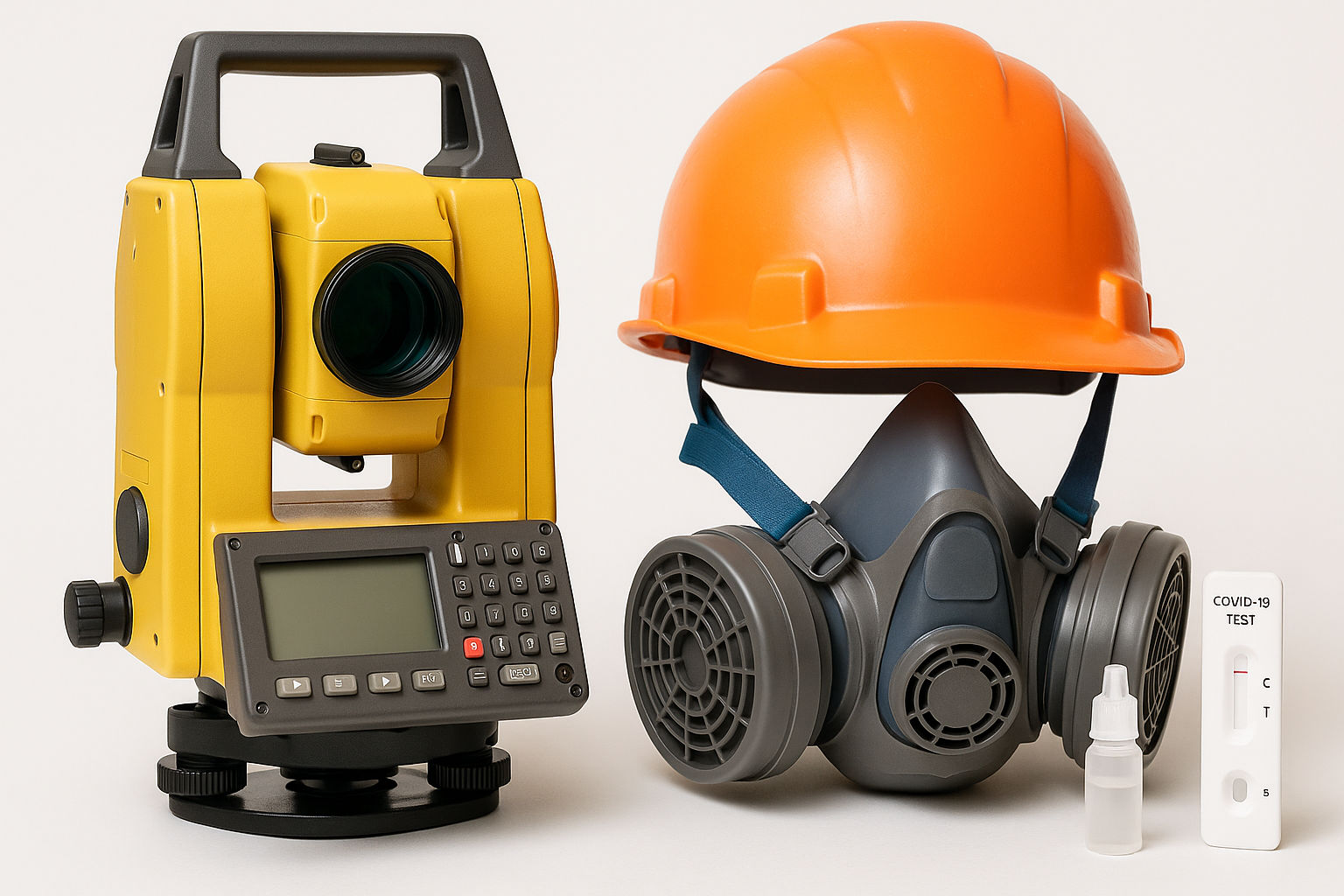
As a general rule:
- landlords are commonly responsible for common parts, retained areas, structure, roofs, risers and plant rooms
- tenants may be responsible for asbestos within their demise if the lease gives them internal repairing obligations or fit-out responsibility
- managing agents may arrange surveys and contractors, but that does not automatically transfer legal liability
- employers must protect staff and contractors in the areas they control
Before any work starts, ask these questions:
- Who controls the affected area?
- Who is responsible for maintenance and repair under the lease?
- Was the material present before the tenancy began?
- Is the work routine maintenance, refurbishment or demolition?
- Can asbestos-related costs be recovered through service charge?
For example, if asbestos insulation board is found in a landlord-controlled corridor ceiling, the landlord will usually be responsible for managing the risk and arranging any necessary work. If asbestos floor tiles are found inside a demised office and the tenant has full internal repairing obligations, the tenant may carry that responsibility, depending on the lease wording and the planned works.
Do not rely on assumptions or informal conversations. Review the lease, identify the dutyholder, and get competent advice before instructing contractors. That is the practical route to answering who is responsible for asbestos removal without creating a bigger legal problem.
When asbestos removal is actually required
A common mistake is assuming asbestos must always be removed as soon as it is found. That is not what the regulations require. The real issue is whether removal is the right control measure for the material, its condition and the work planned.
Removal is usually required when:
- the material is damaged or deteriorating
- it is likely to be disturbed during normal occupation or maintenance
- refurbishment or demolition will affect it
- encapsulation is not suitable
- the risk assessment shows management in place is no longer adequate
Materials that often need urgent attention include:
- sprayed coatings
- pipe lagging
- asbestos insulation board
- damaged textured coatings in active work areas
- broken asbestos cement products where fibre release is possible
Lower-risk materials such as asbestos cement sheets, vinyl floor tiles and some bonded products may sometimes remain in place if they are in good condition and protected from disturbance. The correct decision depends on the survey findings, the material assessment, the condition of the product and how the area will be used.
If there is uncertainty about a suspect material, arrange professional asbestos testing before anyone touches it. Guesswork is how exposure happens.
Responsibilities before maintenance, refurbishment or demolition
Routine occupation is one thing. Building work changes the risk completely. If intrusive work is planned, the responsible party must make sure the asbestos information is suitable for that work.
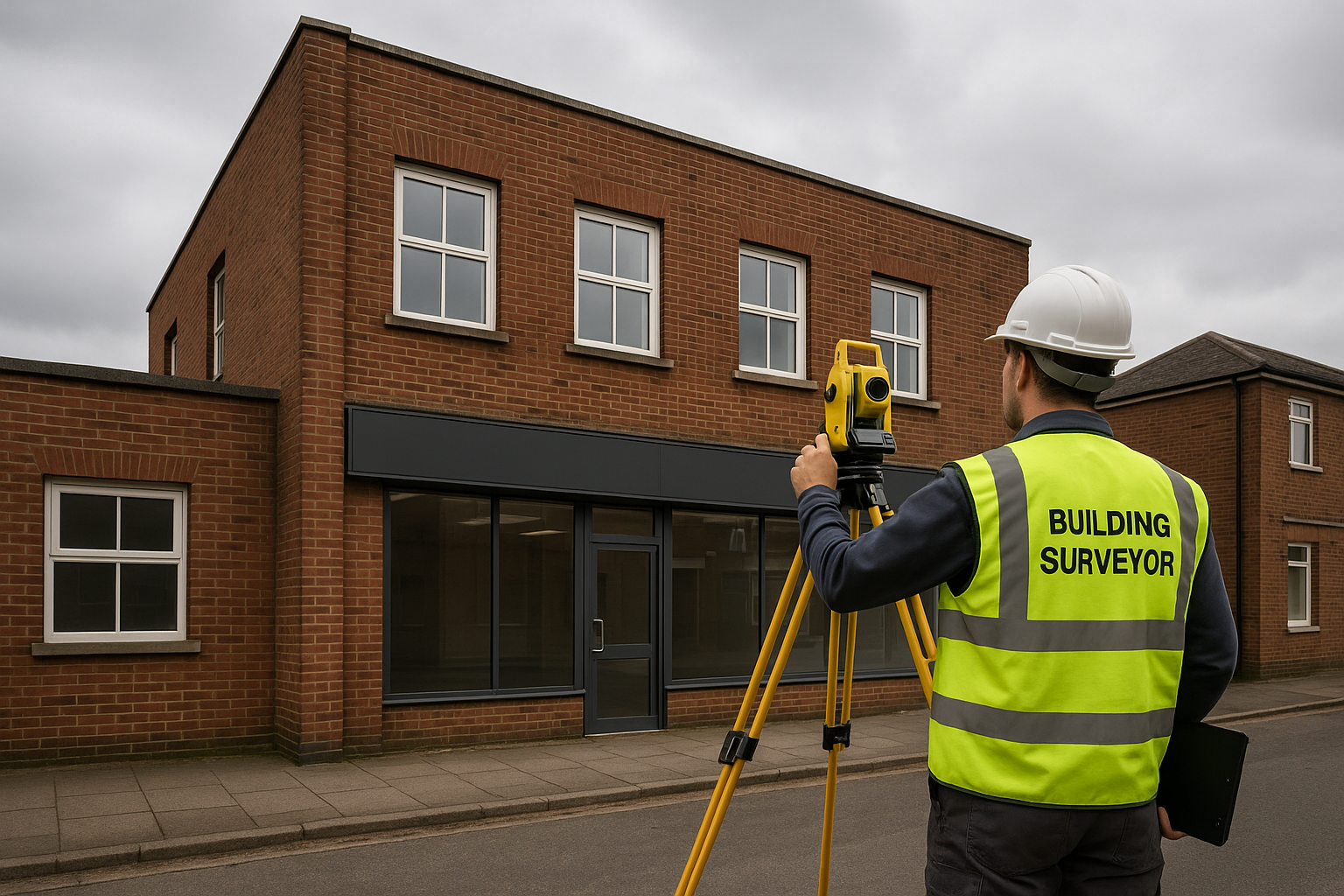
A standard management survey is not enough for major refurbishment or demolition. Where works will disturb the fabric of the building, a more intrusive survey is usually needed to locate hidden asbestos in the affected area. Asbestos is often concealed behind walls, above ceilings, inside risers, below floor finishes and within service ducts.
Before work starts, the responsible party should:
- define the scope of works clearly
- check whether existing asbestos information is adequate
- stop work in areas where asbestos information is missing
- arrange sampling of suspect materials where needed
- brief every contractor on the asbestos risks
- appoint competent specialists for any removal work
This is often where arguments over who is responsible for asbestos removal become expensive. A tenant planning a fit-out may be responsible within its own demise, but the landlord may still need to provide existing asbestos records for the wider building and common services.
Good coordination avoids delays, unsafe work and disputes over cost. If you are planning intrusive works and the material is not confirmed, book independent asbestos testing early rather than waiting for a contractor to uncover a problem on site.
Licensed and non-licensed asbestos work
Not every asbestos job requires a licensed contractor, but many dutyholders underestimate how tightly asbestos work is controlled. The type of material, its condition and the method of work determine whether the task is licensed, notifiable non-licensed or non-licensed.
Work that often requires a licensed contractor
- removal of asbestos insulation board in many situations
- work on pipe lagging
- work on sprayed asbestos coatings
- higher-risk removal where fibre release is likely
Work that may be non-licensed or notifiable non-licensed
- some work on asbestos cement sheets
- certain short-duration tasks involving textured coatings
- carefully controlled removal of lower-risk bonded materials
Even where a licence is not required, the work still needs proper planning, trained operatives, suitable control measures, PPE, cleaning and compliant waste handling. Non-licensed does not mean casual.
If removal is necessary, use a specialist provider for asbestos removal who can assess the material, confirm the work category and complete the job safely in line with HSE guidance.
Who is responsible for asbestos waste disposal?
Once asbestos has been removed, it becomes hazardous waste. Responsibility does not end when the material leaves the ceiling void, service riser or plant room. If you are asking who is responsible for asbestos removal, you also need to ask who is making sure the waste is packaged, labelled, transported and disposed of correctly.
The party arranging the work should make sure there is a clear record of:
- what was removed
- where it came from
- who removed it
- how it was packaged
- who transported it
- where it was taken for disposal
In practice, a competent contractor will usually manage this process, but the dutyholder or client should keep the paperwork. Retain removal records and waste documentation with the asbestos file. That helps demonstrate compliance and supports future maintenance planning, audits and property transactions.
Shared duties in multi-let and managed buildings
Multi-let premises create the most confusion around who is responsible for asbestos removal. Different parties may control different parts of the same building, and those responsibilities do not always line up neatly.
For example:
- the landlord may control the structure and common parts
- individual tenants may control internal demise areas
- the managing agent may coordinate surveys and contractor access
- employers may have duties to staff and visitors in occupied spaces
In these buildings, the best approach is a written division of responsibilities backed by accurate asbestos records. Everyone involved should know:
- which areas they control
- who holds the asbestos register
- who can authorise surveys and sampling
- who approves removal works
- how contractors are briefed before starting work
If you manage a portfolio, standardise the process. A simple responsibility matrix can prevent expensive confusion when maintenance teams, fit-out contractors or emergency repair operatives arrive on site.
What to do if asbestos is discovered unexpectedly
Unexpected discoveries are common during maintenance, strip-out and repair works. Old boxing, service risers, ceiling voids, floor coverings and duct panels can all hide asbestos-containing materials.
When that happens, speed matters, but so does control. If suspect asbestos is discovered:
- stop work immediately
- keep people out of the area
- avoid sweeping, drilling, breaking or sampling it yourself
- prevent further disturbance until advice is obtained
- check the asbestos register and existing survey information
- arrange professional sampling if the material is not identified
- review who controls the area and who must authorise next steps
Do not allow contractors to continue on the basis that the material is probably harmless. If the asbestos information is missing, the safe assumption is that the material may contain asbestos until proven otherwise.
Where fast identification is needed, arrange professional assessment straight away. For properties in the capital, a local asbestos survey London service can help keep projects moving safely. The same applies if you need support in the North West through an asbestos survey Manchester team or in the Midlands with an asbestos survey Birmingham provider.
Practical steps for property managers and commercial landlords
If you are responsible for a building or a portfolio, the easiest way to avoid disputes is to put your asbestos process in writing before a problem appears. Waiting until a contractor uncovers suspicious material usually means delay, cost and confusion.
Use this checklist:
- identify the dutyholder for each premises and each area within it
- review leases to confirm repairing obligations and control
- make sure asbestos surveys are suitable and current
- keep the asbestos register accessible to anyone who may disturb materials
- brief contractors before maintenance, fit-out or repair works begin
- arrange further survey work before refurbishment or demolition
- use competent asbestos specialists for sampling, assessment and removal
- keep records of works, waste documentation and updates to the asbestos plan
These steps make it much easier to answer who is responsible for asbestos removal in a real-world situation. More importantly, they reduce the chance of accidental disturbance and help demonstrate that you have taken reasonable steps to comply with the regulations.
Common mistakes when deciding who is responsible for asbestos removal
Most asbestos disputes are caused by poor information rather than unusual legal principles. The same mistakes appear again and again in commercial property.
Watch out for these problems:
- assuming the owner is always responsible
- assuming the tenant is always responsible within its demise
- relying on an old survey that does not match the planned works
- starting refurbishment before hidden materials have been checked
- failing to share asbestos information with contractors
- treating non-licensed work as low-risk work
- forgetting that waste disposal must also be handled properly
If you want a cleaner process, link responsibility to evidence. Check the lease, confirm who controls the area, review the survey information, and decide whether the material should be managed or removed. That is the practical answer to who is responsible for asbestos removal in most commercial settings.
Why early surveys save time and money
Many commercial asbestos problems start because the right survey was not commissioned early enough. A dutyholder may have a valid management survey for day-to-day occupation, but that does not mean the building is cleared for intrusive works.
Early surveying gives you time to:
- identify asbestos before contractors disturb it
- price works more accurately
- allocate responsibility before disputes arise
- plan phased removal where needed
- avoid emergency stoppages on site
That is especially useful in older commercial stock, where asbestos may be present in more places than the visible finishes suggest. Ceiling voids, plant rooms, risers, partition walls, service ducts and floor build-ups can all contain hidden materials.
When clients ask who is responsible for asbestos removal, the best answer often starts earlier than removal itself. It starts with the right survey, the right records and the right communication between everyone involved in the premises.
Get expert help before asbestos becomes a dispute
If you are unsure who is responsible for asbestos removal in your building, do not leave the question to a contractor on site or try to resolve it after works have started. Check the lease, confirm who controls the area, and get competent asbestos advice before decisions are made.
Supernova Asbestos Surveys supports landlords, tenants, managing agents, employers and property managers across the UK with surveys, testing and removal coordination. If you need clear advice, call 020 4586 0680 or visit asbestos-surveys.org.uk to arrange the right service for your property.
Frequently Asked Questions
Is the landlord always responsible for asbestos removal in a commercial property?
No. The landlord is often responsible for common parts, retained areas and structural elements, but responsibility depends on control of the area and the lease terms. A tenant may be responsible within its demise if it has repairing or fit-out obligations.
Does asbestos always have to be removed if it is found?
No. Some asbestos-containing materials can be managed in place if they are in good condition, sealed and unlikely to be disturbed. Removal is usually required where the material is damaged, deteriorating, or likely to be affected by maintenance, refurbishment or demolition.
Who is responsible for asbestos removal during a tenant fit-out?
That depends on the lease, the area affected and the scope of the works. A tenant may be responsible for asbestos within its demise during a fit-out, but the landlord may still need to provide existing asbestos information for the wider building and common services.
Can a managing agent be the dutyholder for asbestos?
A managing agent may coordinate surveys, records and contractors on behalf of the owner, but that does not automatically make the agent legally responsible. Dutyholder status depends on who has responsibility for maintenance and repair or control of the premises.
Who is responsible for asbestos waste after removal?
The waste must be handled as hazardous waste and disposed of correctly. In practice, the removal contractor will usually package, transport and dispose of it, but the dutyholder or client should keep the records and make sure the process is properly documented.