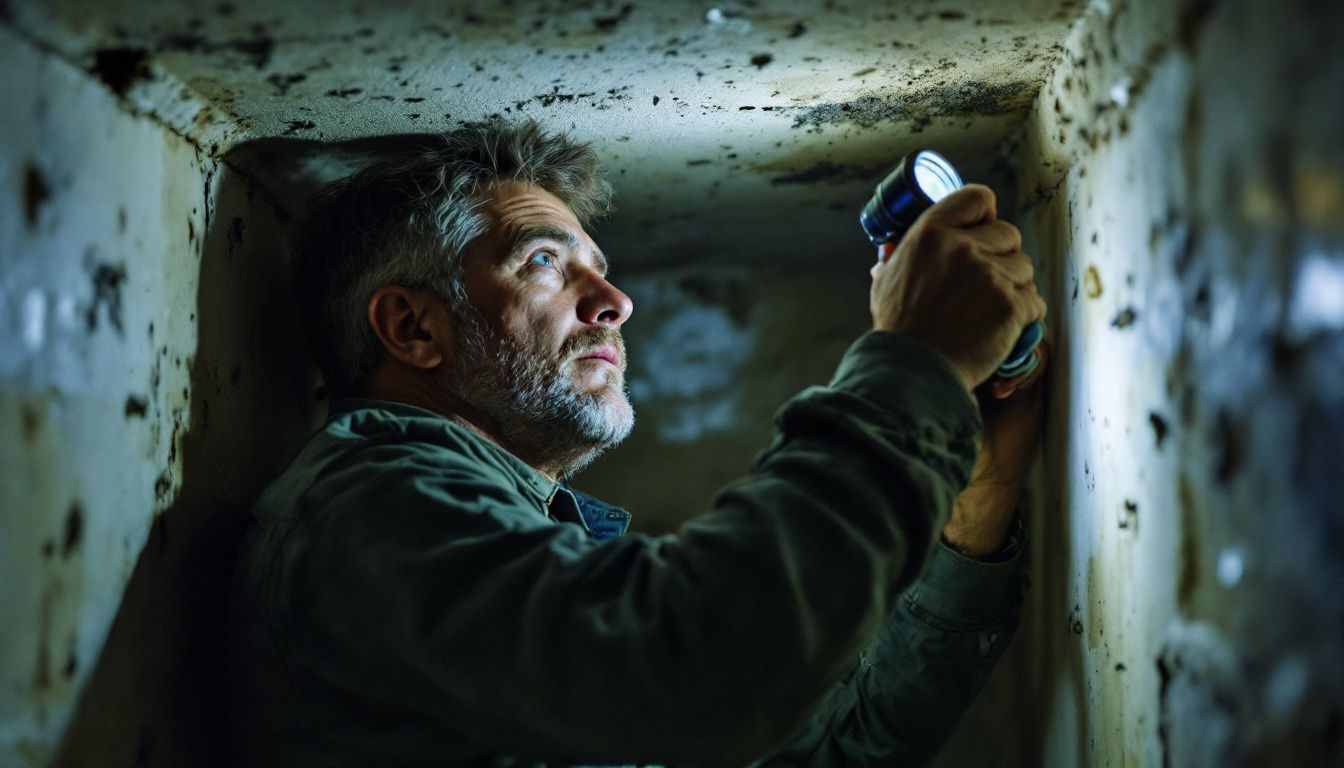
Why Hotel Asbestos Surveys Are a Legal and Moral Obligation
If your hotel was built or refurbished before the year 2000, there is a very real chance asbestos-containing materials (ACMs) are present somewhere in the building. That is not scaremongering — it is a straightforward consequence of how widely asbestos was used in UK construction throughout the twentieth century.
Hotel asbestos surveys are the only reliable way to know exactly what you are dealing with, where it is, and what condition it is in. For hotel owners and managers, the stakes are uniquely high. You are responsible not just for your employees, but for dozens or hundreds of guests who may be sleeping, eating, and spending extended time in a building where ACMs could be disturbed at any moment by routine maintenance, a leaking pipe, or a minor refurbishment.
Getting this wrong carries serious legal consequences and potentially devastating reputational damage. Getting it right is straightforward — if you know what is required of you.
Where Asbestos Hides in Hotels
Asbestos was used extensively across commercial buildings throughout the twentieth century, and hotels are no exception. Understanding the common locations helps you prioritise which areas need professional attention first.
Structural and Decorative Materials
Textured coatings such as Artex on ceilings and walls are among the most frequently encountered ACMs in older hotels. Asbestos insulating board (AIB) was used extensively for partition walls, ceiling tiles, and fire doors — all of which are commonplace in hotel corridors and guest rooms.
- Textured decorative coatings (Artex and similar products)
- Ceiling tiles and suspended ceiling systems
- Partition walls and internal boarding
- Floor tiles and the adhesive beneath them
- Roof sheets and external cladding panels
Plant Rooms, Boiler Rooms, and Service Areas
Back-of-house areas are often where the highest concentrations of asbestos are found. Pipe lagging, boiler insulation, and sprayed coatings were all standard practice in commercial buildings of that era.
These areas are also where maintenance staff spend significant time, increasing the risk of exposure if ACMs are not properly identified and managed.
- Pipe lagging and thermal insulation on boilers
- Sprayed asbestos coatings on structural steelwork
- Old rope seals and gaskets in boiler and plant rooms
- Laundry room equipment and ducting
- Electrical panels and meter cupboards
Guest-Facing Areas You Might Overlook
It is easy to focus on plant rooms and forget that guest-facing areas carry their own risks. Bathroom panels, window surrounds, and even some older built-in furniture can contain asbestos.
Any drilling, cutting, or sanding in these areas — whether by your maintenance team or a contractor — can release fibres into spaces where guests are present. That is a risk no responsible hotel operator should leave unmanaged.
Legal Responsibilities of Hotel Owners and Managers
The legal framework around asbestos in non-domestic premises is unambiguous. The Control of Asbestos Regulations places a clear duty to manage on anyone who owns, occupies, or is responsible for the maintenance of a non-domestic building. Hotels fall squarely within that definition.
The Duty to Manage
Under Regulation 4 of the Control of Asbestos Regulations, the duty holder — typically the hotel owner or the person with control over the building — must take reasonable steps to find out whether ACMs are present, assess their condition, and manage them to ensure they do not pose a risk to anyone in the building.
This duty does not just apply when you are planning building work. It is an ongoing obligation. The law requires you to treat any suspect material as if it contains asbestos unless a qualified surveyor has confirmed otherwise through sampling and analysis.
HSG264 and Survey Standards
The HSE’s guidance document HSG264 sets out the standards that asbestos surveys must meet. Any survey carried out at your hotel should follow HSG264 methodology, using BOHS P402-qualified surveyors and UKAS-accredited laboratory analysis.
A survey that does not meet these standards will not satisfy your legal obligations and could leave you seriously exposed if something goes wrong.
Consequences of Non-Compliance
The penalties for failing to manage asbestos properly are severe. A basic breach of the Control of Asbestos Regulations can result in a fine of up to £20,000 or 12 months’ imprisonment. More serious failings can attract unlimited fines or up to two years in custody.
Beyond the legal penalties, the reputational damage to a hotel that makes the news for an asbestos incident can be devastating and long-lasting. Guests have alternatives, and bad news travels quickly through review platforms and social media. One avoidable incident can undo years of reputation building.
A Devon hotel owner was fined £80,000 following unsafe asbestos work carried out during renovations, with breaches found under the Health and Safety at Work Act. That figure does not include legal costs, remediation work, or the reputational fallout that followed.
Hotel Asbestos Surveys: What Type Do You Need?
Not all asbestos surveys are the same, and choosing the right type is essential. Using the wrong survey type — or relying on an outdated one — can leave you legally non-compliant and operationally exposed.
Management Surveys
A management survey is the standard survey for hotels that are in normal use with no major works planned. It identifies ACMs in accessible areas, assesses their condition, and produces an asbestos register and risk-rated management plan.
This is the baseline requirement under the duty to manage and should be your starting point if your hotel has never been surveyed, or if the existing survey is out of date. Management surveys must be revisited whenever there is a significant change to the building, and the asbestos register should be reviewed and updated regularly.
Refurbishment and Demolition Surveys
If you are planning any building work — even something as seemingly minor as removing a partition wall or replacing a suspended ceiling — you need a demolition survey before work begins. This is a more intrusive survey that accesses areas which would be disturbed during the works.
It is a legal requirement, not an optional extra. Commissioning one before any refurbishment project is one of the most straightforward ways to protect your staff, your contractors, and your guests.
Re-inspection Surveys
If your hotel already has an asbestos register in place, a re-inspection survey allows you to keep that register current without commissioning a full management survey from scratch. Re-inspections assess the condition of known ACMs and update the risk ratings accordingly.
The frequency of re-inspections should be determined by the condition and risk rating of the materials identified. Higher-risk materials may need checking annually or more frequently.
Developing an Asbestos Management Plan for Your Hotel
Once your hotel asbestos survey is complete, the register and report it produces form the foundation of your Asbestos Management Plan (AMP). An AMP is not a document that sits in a filing cabinet — it is a living record that guides how your team operates around ACMs on a daily basis.
What a Robust AMP Must Include
- A complete asbestos register with locations, types, and condition ratings for all identified ACMs
- Clear maps and floor plans showing where ACMs are located throughout the building
- Named duty holders and their specific responsibilities
- Staff training records and schedules for ongoing asbestos awareness training
- Safe working procedures for maintenance tasks that might bring staff close to ACMs
- Emergency procedures for accidental disturbance of asbestos materials
- Contact details for licensed asbestos contractors
- A schedule of re-inspections and plan reviews
- Records of all asbestos-related work, including contractor reports and waste transfer notes
Training Your Hotel Team
Every member of staff who might encounter ACMs in the course of their work — from maintenance engineers to housekeeping supervisors — needs asbestos awareness training. This is a legal requirement under the Control of Asbestos Regulations, not a discretionary extra.
Training should cover what asbestos is, where it might be found in your specific building, what to do if they suspect they have encountered it, and who to contact. New starters should receive this training as part of their induction, and all training should be documented with signed records.
Emergency Procedures
If asbestos is accidentally disturbed — during a maintenance task or following damage to the building — your team needs to know exactly what to do without hesitation. The immediate steps are straightforward but critical:
- Stop work immediately and evacuate the affected area
- Seal off the area and post warning notices
- Prevent guests and other staff from entering
- Do not attempt to clean up the material yourself
- Contact a licensed asbestos contractor immediately
- Report the incident to the HSE if required under RIDDOR
- Document everything — what happened, who was present, what actions were taken
When Asbestos Removal Is the Right Answer
Not all ACMs need to be removed immediately. In many cases, materials that are in good condition and are not at risk of disturbance are best left in place and managed carefully. However, there are clear circumstances where asbestos removal is the right course of action.
Removal becomes necessary when ACMs are in poor condition and deteriorating, when they are in an area that is regularly accessed or disturbed, or when building works cannot proceed safely around them. It is also worth considering removal proactively during planned refurbishments — the cost of removal as part of a wider project is almost always lower than carrying out a separate dedicated removal programme later.
Working with Licensed Contractors
The Control of Asbestos Regulations requires that most work involving high-risk asbestos materials — including all work with sprayed coatings, AIB, and pipe lagging — is carried out by HSE-licensed contractors. Using an unlicensed contractor for licensable work is a criminal offence, regardless of whether the work appears to have been carried out safely.
Licensed contractors will bring the correct personal protective equipment, establish appropriate enclosures, follow strict decontamination procedures, and dispose of asbestos waste at a licensed facility with a valid waste transfer note. Insist on seeing their HSE licence before any work begins, and keep copies of all documentation they provide.
Asbestos and Fire Safety: The Overlap Hotels Cannot Ignore
Asbestos management and fire safety are distinct legal obligations, but they overlap in important ways for hotel operators. Fire doors, fire-resistant panels, and ceiling systems in older hotels frequently contain asbestos.
Any fire safety upgrade or fire door replacement programme needs to account for the potential presence of ACMs in the materials being removed or modified. A fire risk assessment is a separate legal requirement for all hotels under the Regulatory Reform (Fire Safety) Order, but it should be carried out with full knowledge of your asbestos register. Your fire risk assessor needs to know where ACMs are located so that any recommended works can be planned safely.
Treating these two obligations in isolation is a common mistake — and one that can create unnecessary risk and cost.
Practical Options for Initial Asbestos Testing
If you have a specific material you suspect might contain asbestos and want a quick, low-cost answer before commissioning a full survey, there are options available. A testing kit allows you to collect a bulk sample yourself and have it analysed by a UKAS-accredited laboratory.
This is not a substitute for a full management survey, but it can be a useful first step when you need a rapid answer about a specific material. Always follow the sampling instructions carefully and use appropriate protective measures when collecting samples. If in any doubt, have a professional surveyor collect the sample instead.
For a fuller picture of what asbestos testing involves — including the difference between bulk sampling and air monitoring — speaking to a qualified surveyor will help you understand which approach is appropriate for your situation.
Hotel Asbestos Surveys Across the UK: Where We Work
Hotel operators across England, Scotland, and Wales have a legal obligation to manage asbestos regardless of their location. Whether your property is a city centre business hotel or a rural country house, the same regulations apply and the same survey standards must be met.
If you operate in the capital, our team provides a fully compliant asbestos survey London service covering all property types. For operators in the north of England, our asbestos survey Manchester service delivers the same HSG264-standard inspections with fast turnaround times.
We also cover the rest of the UK — contact us directly to discuss your specific location and requirements.
Frequently Asked Questions
Do I need a hotel asbestos survey if my building was built after 2000?
If your hotel was built entirely after the year 2000, it is unlikely to contain ACMs since asbestos was banned from use in new construction before that point. However, if the building underwent significant refurbishment using older materials, or if you are uncertain of the full construction history, a survey is still a sensible precaution. If in doubt, commission one — the cost of a survey is negligible compared to the risk of getting it wrong.
How often should hotel asbestos surveys be repeated?
A full management survey does not need to be repeated on a fixed schedule, but the asbestos register it produces must be kept current. Re-inspection surveys should be carried out at intervals determined by the risk rating of the ACMs identified — typically annually for higher-risk materials. A new survey or refurbishment and demolition survey is required before any building works take place, regardless of when the last survey was conducted.
Who is responsible for managing asbestos in a leased hotel building?
Responsibility under the Control of Asbestos Regulations falls on whoever has control over the maintenance and repair of the building. In a leased hotel, this is often shared between the landlord and the tenant depending on the terms of the lease. Both parties should review their responsibilities carefully and ensure there is a clear, documented agreement about who holds the duty to manage. If there is any ambiguity, seek legal advice.
Can my maintenance team carry out asbestos work themselves?
Only certain low-risk, short-duration tasks involving non-licensed materials can be carried out by non-licensed workers, and even then strict controls apply. Any work involving high-risk materials such as sprayed coatings, AIB, or pipe lagging must be carried out by an HSE-licensed contractor. Attempting to remove or disturb licensable materials without the appropriate licence is a criminal offence. When in doubt, assume the work requires a licensed contractor and verify before proceeding.
What should I do if asbestos is discovered during hotel renovations?
Stop all work in the affected area immediately. Seal off the space, prevent access by guests and staff, and contact a licensed asbestos contractor to assess the situation and advise on next steps. Do not attempt to clean up or dispose of any disturbed material yourself. Depending on the nature and scale of the disturbance, you may also be required to report the incident to the HSE under RIDDOR. Document everything from the moment the discovery is made.
Get Your Hotel Asbestos Survey Booked Today
Supernova Asbestos Surveys has completed over 50,000 surveys across the UK, working with hotel operators, property managers, and facilities teams to deliver fully compliant, HSG264-standard asbestos surveys. Our BOHS P402-qualified surveyors carry out thorough inspections, collect samples using UKAS-accredited laboratory analysis, and produce clear, actionable reports that meet your legal obligations and give you a practical basis for managing ACMs in your building.
Whether you need a management survey for an operational hotel, a refurbishment survey ahead of building works, or a re-inspection to update an existing register, we can help. We work with hotels of all sizes across the UK, with fast turnaround times and straightforward pricing.
Call us on 020 4586 0680 or visit asbestos-surveys.org.uk to request a quote or speak to one of our surveyors.