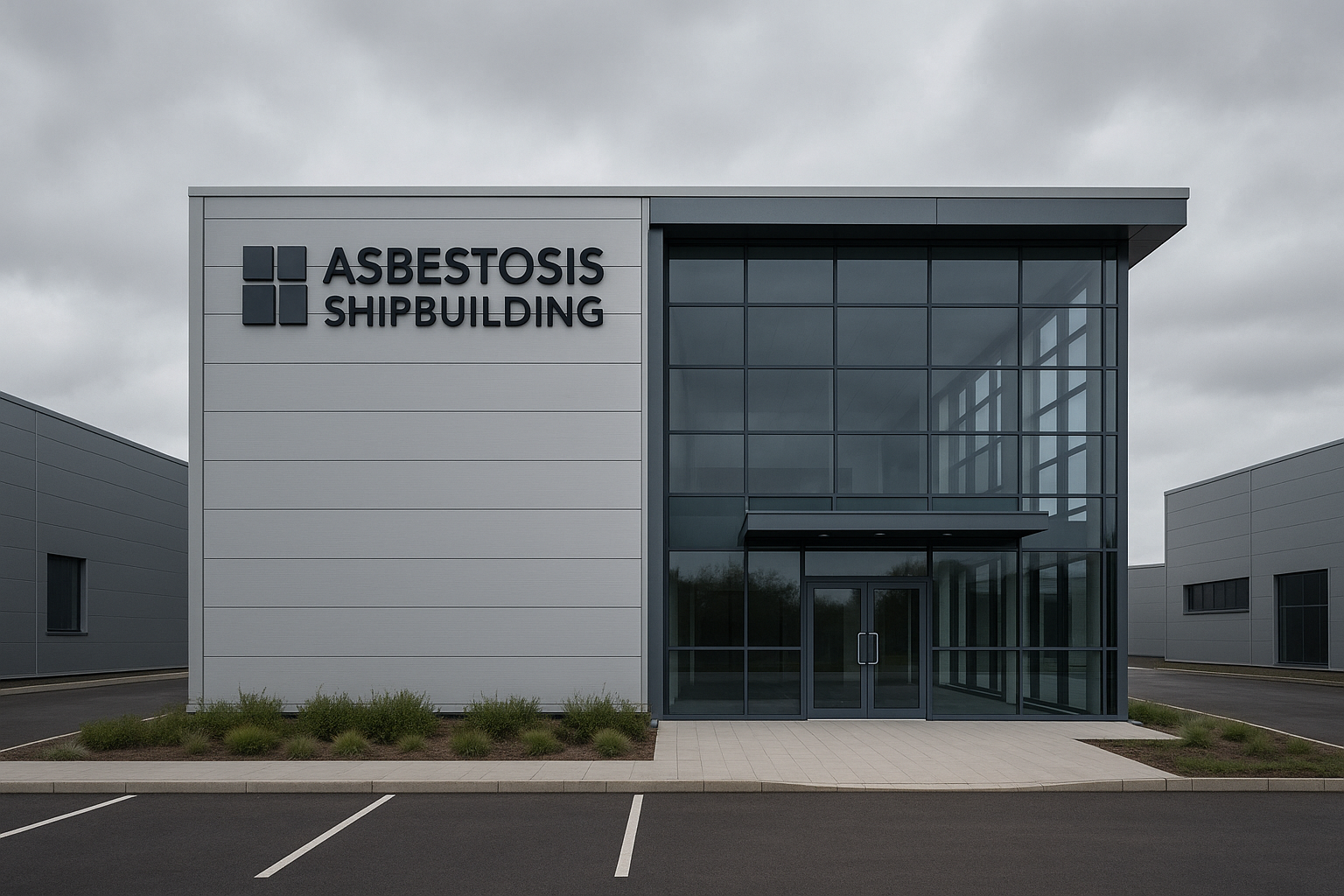
Asbestos in shipbuilding is not a museum piece. It still turns up in older vessels, dock buildings, marine workshops, warehouses, depots and former shipyard estates where maintenance teams, contractors and project managers can disturb it without realising what is in front of them.
That is what makes asbestos in shipbuilding such a live issue for property managers and dutyholders today. If you are responsible for an older marine, industrial or port-related site, the real question is not whether asbestos was once used there. It is whether you know where it may still be, what condition it is in, and what needs to happen before any work starts.
Why asbestos in shipbuilding became so widespread
Shipbuilding demanded materials that could cope with heat, fire, vibration, salt-laden air and cramped mechanical spaces. Asbestos seemed to offer all of that, which is why it was used so heavily across ships and the buildings that supported construction, repair and maintenance.
It was built into insulation systems, fire protection, plant components and everyday finishes. That broad use is why asbestos in shipbuilding still creates problems decades later.
Why it was considered useful
- Heat resistance around boilers, pipes and exhaust systems
- Fire protection in bulkheads, partitions and doors
- Durability in harsh marine and industrial conditions
- Insulating properties for electrical and mechanical systems
- Use in friction products, seals, gaskets and rope materials
- Inclusion in coatings, adhesives, flooring and boards
The result was not a single asbestos product in one isolated area. Asbestos in shipbuilding was often woven into the wider fabric of a site, from engine spaces and plant rooms to offices, stores and welfare buildings.
Where asbestos in shipbuilding may still be found
One of the hardest parts of managing asbestos in shipbuilding is the sheer range of possible locations. It may be visible, enclosed, painted over, boxed in or hidden behind later alterations.
It can also appear in places people do not immediately associate with marine risk, such as office refurbishments within former dock estates or warehouse conversions on old shipyard land.
Common locations on older vessels
Older ships may still contain original asbestos-containing materials, historic repairs or legacy replacement parts fitted many years ago. Even where obvious asbestos has been removed, residues or overlooked products may remain.
- Pipe lagging and thermal insulation
- Boiler insulation and access panels
- Engine room gaskets, seals and packing
- Exhaust insulation and heat shields
- Bulkhead panels and partition boards
- Deck tiles and floor coverings
- Ceiling tiles and sprayed insulation
- Fire doors and fire-resistant cores
- Electrical switchgear backing boards
- Cable insulation and arc-resistant components
- Brake linings, clutch parts and friction materials
- Adhesives, mastics and some coatings
Common locations in shipyards and support buildings
Asbestos in shipbuilding extends well beyond the vessel itself. Former shipbuilding and repair sites often include mixed-use premises built and altered over many decades, which makes hidden asbestos more likely.
- Workshops and fabrication bays
- Plant rooms and service tunnels
- Pipe insulation in industrial buildings
- Asbestos insulating board in partitions, soffits and fire breaks
- Cement sheets on roofs and wall cladding
- Floor tiles and bitumen adhesive in offices and welfare areas
- Boiler houses, compressor rooms and storage areas
- Legacy spares and materials in depots
- Ceiling voids, risers, ducts and service routes
A simple job such as replacing a fire door, running a cable, upgrading lighting or altering pipework can disturb asbestos if the site has not been properly assessed first.
Why asbestos in shipbuilding is still a serious health risk
The risk comes from fibre release. When asbestos-containing materials are damaged, drilled, cut, stripped, broken or allowed to deteriorate, microscopic fibres can become airborne and be inhaled.
Once inhaled, those fibres can remain in the lungs for many years. The diseases linked to exposure are well established and include mesothelioma, asbestos-related lung cancer, asbestosis and pleural thickening.
A major issue with asbestos in shipbuilding is latency. People exposed during shipbuilding, repair or maintenance may not become unwell until many years after the original exposure.
Symptoms that should not be ignored
Anyone with a history of likely exposure should seek medical advice if symptoms develop. Warning signs can include:
- Persistent cough
- Shortness of breath
- Chest pain
- Unexplained fatigue
- Unexplained weight loss
Smoking does not cause mesothelioma, but smoking alongside asbestos exposure increases the risk of lung cancer. That is another reason to treat asbestos in shipbuilding as a current control issue, not just a historical one.
How exposure happened in shipbuilding environments
Exposure was never limited to one specialist trade. Laggers and insulation workers were heavily exposed, but so were fitters, welders, electricians, joiners, engineers, labourers, pipeworkers and maintenance teams.
Confined spaces made matters worse. Engine rooms, boiler spaces, service voids and enclosed work areas could allow fibre concentrations to build up when asbestos was being handled or disturbed.
High-risk tasks historically linked to exposure
- Removing lagging from pipes and boilers
- Cutting or drilling asbestos insulating board
- Replacing gaskets and seals in hot plant
- Repairing damaged fireproof panels
- Sweeping up contaminated dust
- Working on deteriorating insulation in tight spaces
- Stripping out old machinery and plant
- Breaking through walls, ceilings or partitions without prior checks
Secondary exposure to families
Asbestos in shipbuilding also affected families. Fibres could be carried home on workwear, boots, hair or tools, exposing anyone handling contaminated clothing or laundry.
That is why the legacy of asbestos in shipbuilding is often described as multigenerational. For property managers today, the practical lesson is simple: never assume the risk ended when the original shipbuilding activity stopped.
Legal duties for managing asbestos in shipbuilding properties
If you manage non-domestic premises linked to marine engineering, dock operations, ship repair, warehousing or former shipyard use, you may have duties under the Control of Asbestos Regulations. Those duties apply to asbestos in shipbuilding settings in the same way they apply to any other commercial property.
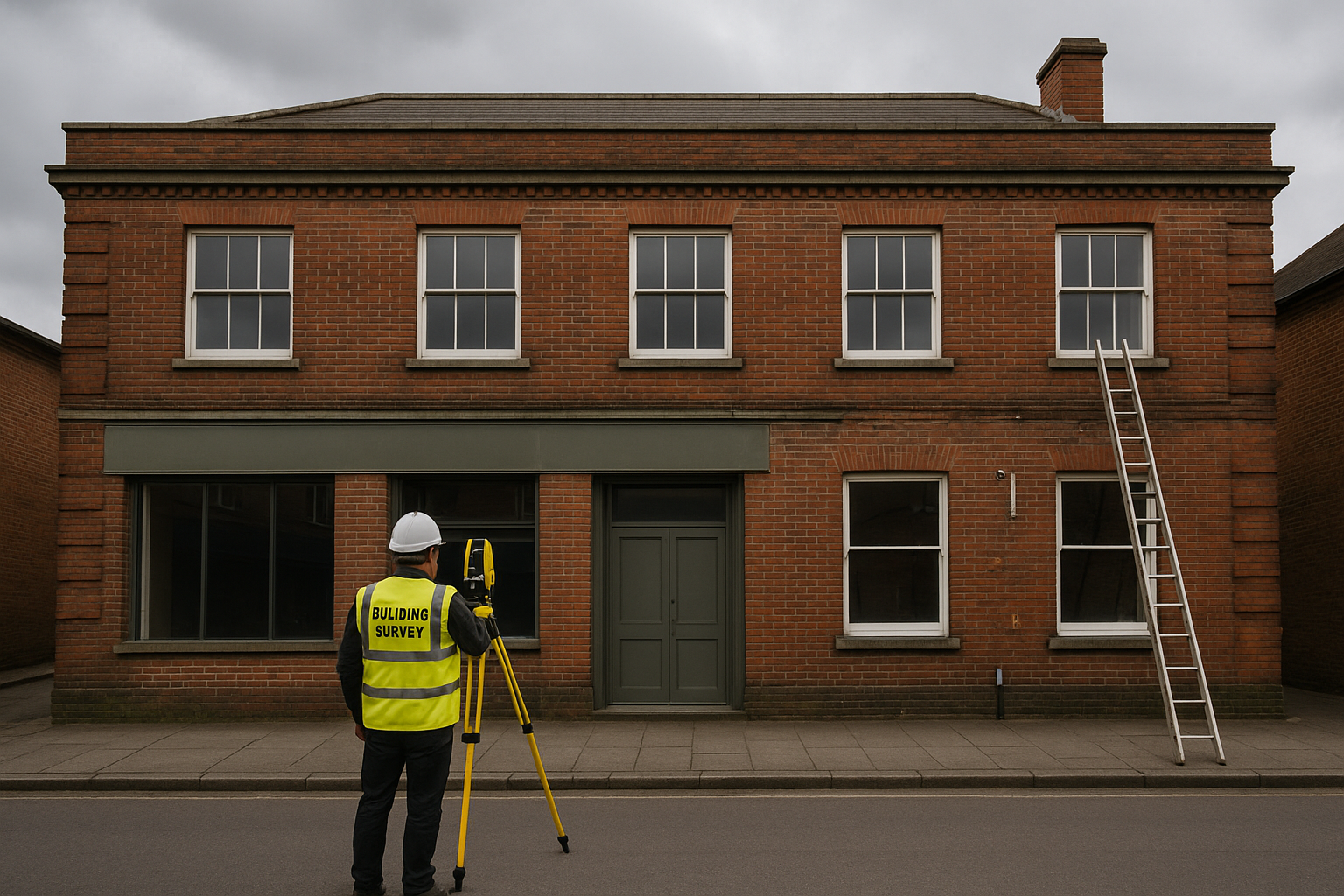
The duty to manage requires reasonable steps to find out whether asbestos is present, assess the risk, and put arrangements in place to prevent exposure. HSE guidance and HSG264 set out how asbestos surveys should be planned and carried out.
If intrusive work is planned, an old register or a quick visual check is not enough. The survey type must match the activity.
What dutyholders should do
- Identify whether asbestos-containing materials are present
- Keep an accurate and up-to-date asbestos register
- Assess the condition of materials and the risk of disturbance
- Prepare and maintain an asbestos management plan
- Share asbestos information with staff, contractors and consultants
- Review records after damage, alterations or new works
For day-to-day occupation and routine maintenance, a management survey is usually the right starting point. It helps locate, as far as reasonably practicable, materials that could be disturbed during normal occupation or minor maintenance.
Where major strip-out or structural works are planned, a more intrusive survey is needed. Before full clearance or major structural dismantling, a demolition survey is essential so asbestos likely to be disturbed is identified before work begins.
Surveying asbestos in shipbuilding sites properly
Good decisions depend on reliable information. Asbestos in shipbuilding cannot be managed safely through guesswork, assumptions or outdated drawings.
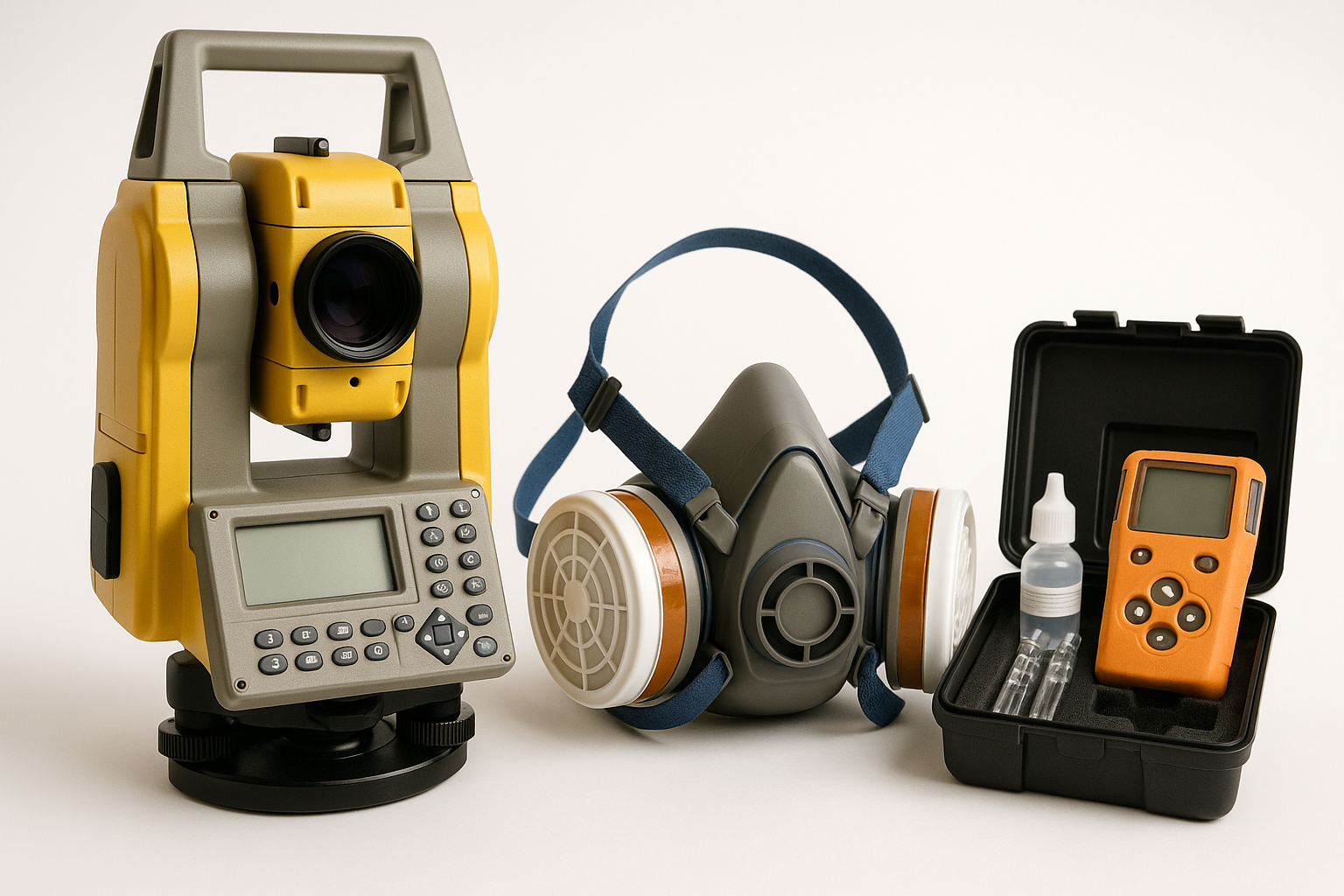
Visual identification alone is not enough because many asbestos-containing materials look similar to non-asbestos alternatives. Sampling and laboratory analysis are often needed to confirm what a material is.
What a competent survey should consider
- The age and construction of the building or structure
- The site’s shipbuilding, repair or engineering history
- Past alterations, partial removals and legacy repairs
- Known hotspots such as plant rooms, risers, ducts and service voids
- The likelihood of hidden asbestos behind linings or inside fabric
- The planned works and how intrusive they will be
Marine and industrial estates are rarely straightforward. A single site may include workshops, offices, depots, stores and welfare blocks built at different times and altered repeatedly.
That makes asbestos in shipbuilding especially easy to underestimate. If one building has been refurbished, do not assume the next one was treated the same way.
Managing multiple sites across the UK
Consistency matters if your organisation manages more than one location. A dockside office or support building in the capital may need an asbestos survey London service before maintenance or refurbishment starts.
Northern facilities may require an asbestos survey Manchester ahead of plant upgrades or internal alterations. The same applies to Midlands premises needing an asbestos survey Birmingham before redevelopment, strip-out or change of use.
What to do if asbestos is found
Finding asbestos in shipbuilding premises does not automatically mean everything must be removed. The right response depends on the type of material, its condition, where it is located and whether it is likely to be disturbed.
In some cases, the safest option is to leave asbestos-containing materials in place and manage them properly. If a material is in good condition, sealed, recorded and unlikely to be disturbed, removal may create more risk than controlled management.
When management in place may be suitable
- The material is in good condition
- It is sealed or enclosed
- It is unlikely to be disturbed during normal use
- Its location is known and recorded
- Its condition can be inspected and monitored
When removal is more likely to be needed
- The material is damaged or deteriorating
- It is friable and more likely to release fibres
- It sits within an area due for refurbishment
- It cannot be safely managed where it is
- Maintenance, access or redevelopment will disturb it
Where removal is necessary, use competent specialists for asbestos removal. The work must be properly planned, risk assessed and carried out with the right controls.
Do not ask general trades to disturb suspect materials. If there is uncertainty, stop work, prevent access where needed, and get competent advice before anyone continues.
Practical risk management for property managers
Asbestos in shipbuilding is best controlled through systems, not last-minute reactions. The most effective dutyholders build asbestos checks into maintenance planning, contractor management and project procurement from the start.
If you are responsible for an older marine or industrial property, paperwork alone will not protect people. A register that no one checks is not a control measure.
Actions that reduce risk day to day
- Check the asbestos register before any work starts
- Use permit-to-work controls for intrusive tasks
- Require asbestos information to be shared with contractors
- Train relevant staff in asbestos awareness
- Review older reports before planning works
- Inspect known materials regularly for damage or deterioration
- Update records after repairs, removals or alterations
- Escalate uncertainty immediately rather than letting work continue
These steps matter because asbestos in shipbuilding is often hidden in service areas, behind linings or around old plant. Early identification prevents delays, protects workers and reduces the risk of enforcement action.
Permit-to-work and contractor control
One practical improvement is to link asbestos checks to every intrusive work order. If a task touches ceilings, risers, ducts, wall linings, floor finishes, plant rooms or hidden voids, the asbestos register and survey information should be reviewed before the permit is issued.
Contractors should never be left to make assumptions on site. Give them the relevant survey information, explain any exclusions, and make sure they know what to do if they encounter suspect materials.
Refurbishment, redevelopment and change of use
Many former shipbuilding sites are being repurposed. Old dock buildings become offices, workshops become light industrial units, and marine land is brought into wider regeneration schemes.
That change of use often increases the risk of disturbing asbestos in shipbuilding settings because projects become more intrusive. New layouts, upgraded services, demolition, strip-out and fabric alterations can all expose materials that stayed untouched for years.
Common project mistakes
- Relying on an old management survey for refurbishment work
- Tendering works before asbestos information is complete
- Assuming previous removals cleared the whole area
- Forgetting about outbuildings, stores, ducts or service trenches
- Starting strip-out before intrusive surveys are finished
The best time to deal with asbestos in shipbuilding is during early planning, not after contractors are on site. Commission the correct survey before design is finalised and before the programme is fixed.
That gives you time to price the work properly, sequence removal where needed, and avoid expensive delays once the project is live.
How to approach older marine and industrial estates safely
Older marine estates often have a patchwork history. One building may have had partial asbestos removal, another may only have a basic survey, and a third may have changed use several times without records being updated properly.
That is why asbestos in shipbuilding needs a site-wide strategy rather than a building-by-building guess. Start with what you know, identify gaps, and close those gaps before maintenance or redevelopment exposes people to risk.
A practical approach for dutyholders
- Review all existing asbestos records and plans
- Check whether survey types match current and planned activities
- Identify areas with limited access, exclusions or outdated information
- Prioritise higher-risk buildings such as workshops, plant areas and older service zones
- Update the asbestos register and management plan
- Brief internal teams and contractors on the findings
- Monitor condition and re-inspect where materials remain in place
This approach is especially useful where asbestos in shipbuilding may exist across mixed portfolios that include offices, industrial units, storage buildings and former operational dock structures.
Frequently Asked Questions
Is asbestos in shipbuilding only a problem on old ships?
No. Asbestos in shipbuilding can also be found in dockside buildings, workshops, warehouses, plant rooms, depots and former shipyard support facilities. The risk often extends across the wider estate, not just the vessel itself.
Do I need an asbestos survey before maintenance work at a former shipyard site?
If the building is older and there is a possibility that materials could be disturbed, you should make sure suitable asbestos information is available before work starts. For routine occupation and standard maintenance, a management survey is typically used. For intrusive works, a more invasive survey may be required.
Does finding asbestos mean it must be removed straight away?
No. If the material is in good condition, sealed, recorded and unlikely to be disturbed, it may be safer to manage it in place. Removal is more likely where the material is damaged, friable, or will be affected by planned works.
Who is responsible for managing asbestos in shipbuilding premises?
In non-domestic premises, the duty to manage usually falls on those with responsibility for maintenance or repair, such as owners, landlords, managing agents or other dutyholders. Responsibilities should be clear, documented and reflected in day-to-day controls.
What should happen if contractors uncover a suspect material during work?
Work should stop immediately in the affected area. Access should be restricted if needed, and the material should be assessed by a competent asbestos professional before work resumes. Do not allow general trades to disturb or sample suspect materials themselves.
Need expert help with asbestos in shipbuilding?
If you manage an older marine, industrial or former shipyard property, do not leave asbestos in shipbuilding to assumption or outdated records. Supernova Asbestos Surveys carries out surveys nationwide and can help you identify risk before maintenance, refurbishment, demolition or redevelopment begins.
For clear advice and fast support, call 020 4586 0680 or visit asbestos-surveys.org.uk to arrange the right survey for your site.