
One hidden panel, one drilled ceiling void, one rushed strip-out job — that is all it takes for an ordinary project to become an asbestos problem. If you are arranging asbestos removal Chelmsford, the priority is not speed at any cost. It is getting the right survey, the right advice and the right removal plan before anyone disturbs suspect materials.
Chelmsford has a broad mix of older homes, offices, schools, retail units, warehouses and public buildings. Many were built or refurbished when asbestos was still widely used for insulation, fire protection and durability. That means duty holders, landlords, facilities teams and contractors still need to treat asbestos as a live issue across the area.
Supernova Asbestos Surveys has completed more than 50,000 surveys nationwide. We help clients across Chelmsford and Essex with asbestos identification, sampling, reporting, management support and access to compliant removal services, with practical advice that keeps projects moving while protecting people and meeting legal duties.
Asbestos removal Chelmsford: what property managers need to know
Asbestos removal Chelmsford is only one part of proper asbestos risk management. Before any material is removed, you need to know whether asbestos is present, what type of material it is, what condition it is in and whether the planned work is likely to disturb it.
Under the Control of Asbestos Regulations, those responsible for non-domestic premises must manage asbestos risk. HSE guidance and HSG264 make it clear that the starting point is competent inspection and the correct survey type for the building and the work planned.
Do not let contractors start intrusive work based on assumptions. If asbestos is found halfway through a job, you can face stop-start delays, emergency sampling, resequencing of trades and avoidable exposure risks.
- Assume asbestos may be present in older properties until proven otherwise
- Check whether you already have a current asbestos register and survey reports
- Match the survey type to the building use and planned works
- Share asbestos information with anyone who may disturb the fabric of the building
- Arrange removal only when assessment shows management in place is not suitable
What asbestos is and where it is commonly found
Asbestos is a naturally occurring mineral fibre that was used in thousands of construction products because it resists heat, chemicals and wear. In UK buildings, it was commonly added to insulation products, boards, cement sheets, coatings, floor materials and fire protection systems.
Some asbestos-containing materials are more friable than others. Pipe lagging, sprayed coatings and some insulation materials can release fibres more easily when damaged. More bonded products such as asbestos cement can be lower risk when in good condition, but they still need proper assessment and handling.
Common locations in Chelmsford properties
If you manage an older building in Chelmsford, asbestos may be present in visible and hidden areas. It often turns up in places that look routine to maintenance teams.
- Pipe lagging and boiler insulation
- Asbestos insulating board in risers, ceilings and partition walls
- Sprayed coatings and fire protection materials
- Textured coatings on ceilings and walls
- Floor tiles and bitumen adhesive
- Roof sheets, wall cladding, soffits and gutters
- Ceiling tiles and service voids
- Fire doors, panels and plant room materials
If a property was built or refurbished before the UK ban on asbestos use, the safest approach is to presume asbestos may be present until a competent survey confirms otherwise.
Why asbestos is dangerous when disturbed
The risk comes from inhaling airborne asbestos fibres. Materials that are drilled, sawn, broken, stripped out or damaged during maintenance, refurbishment or demolition can release fibres into the air.
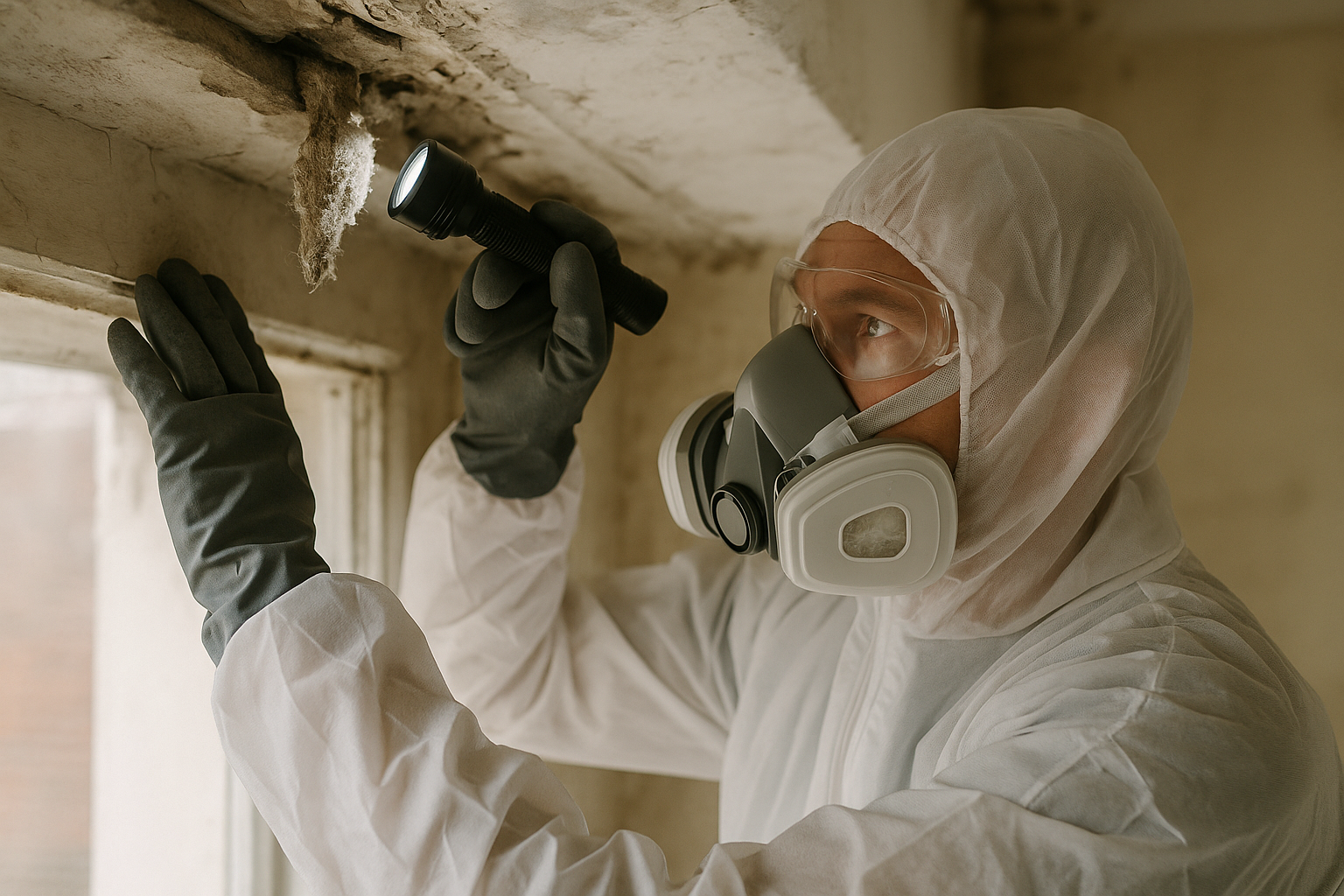
Exposure can lead to serious diseases including asbestosis, mesothelioma, asbestos-related lung cancer and pleural thickening. These illnesses often develop many years after exposure, which is why asbestos management has to be taken seriously even when a material looks minor or localised.
Practical steps if suspect materials are found
- Stop work immediately in the affected area.
- Keep others away and prevent further disturbance.
- Do not sweep, vacuum or break up the material.
- Arrange sampling and professional advice.
- Review whether the existing survey information was suitable for the work.
That response is simple, but it prevents a small issue from becoming a major incident. Good asbestos management is about controlling risk early, not dealing with the fallout later.
When asbestos removal is necessary and when management may be enough
Not every asbestos-containing material needs to be removed. In many buildings, asbestos can remain safely in place if it is in good condition, properly recorded and unlikely to be disturbed.
Asbestos removal Chelmsford becomes necessary when the material is damaged, deteriorating, difficult to protect, or in an area where refurbishment or demolition will disturb it. The right decision depends on the material, its condition, its location and the planned use of the space.
Removal may be the right option when:
- The material is damaged or breaking down
- Maintenance or fit-out works will disturb it
- Refurbishment or demolition is planned
- Its location creates an ongoing management problem
- Temporary controls are no longer reliable
- Occupants or contractors could accidentally damage it
Management in place may be suitable when:
- The material is in good condition
- It is sealed, protected and clearly recorded
- It is in a low-disturbance area
- There is a current asbestos register and management plan
- Regular condition checks are being carried out
This is where competent surveying matters. Removal without proper scoping can create unnecessary cost and disruption. Leaving material in place without proper controls can create a legal and safety problem.
Start with the right asbestos survey
The survey type should always match the building and the work planned. HSG264 sets out the purpose of different survey types, and choosing the wrong one is one of the most common reasons asbestos issues appear mid-project.
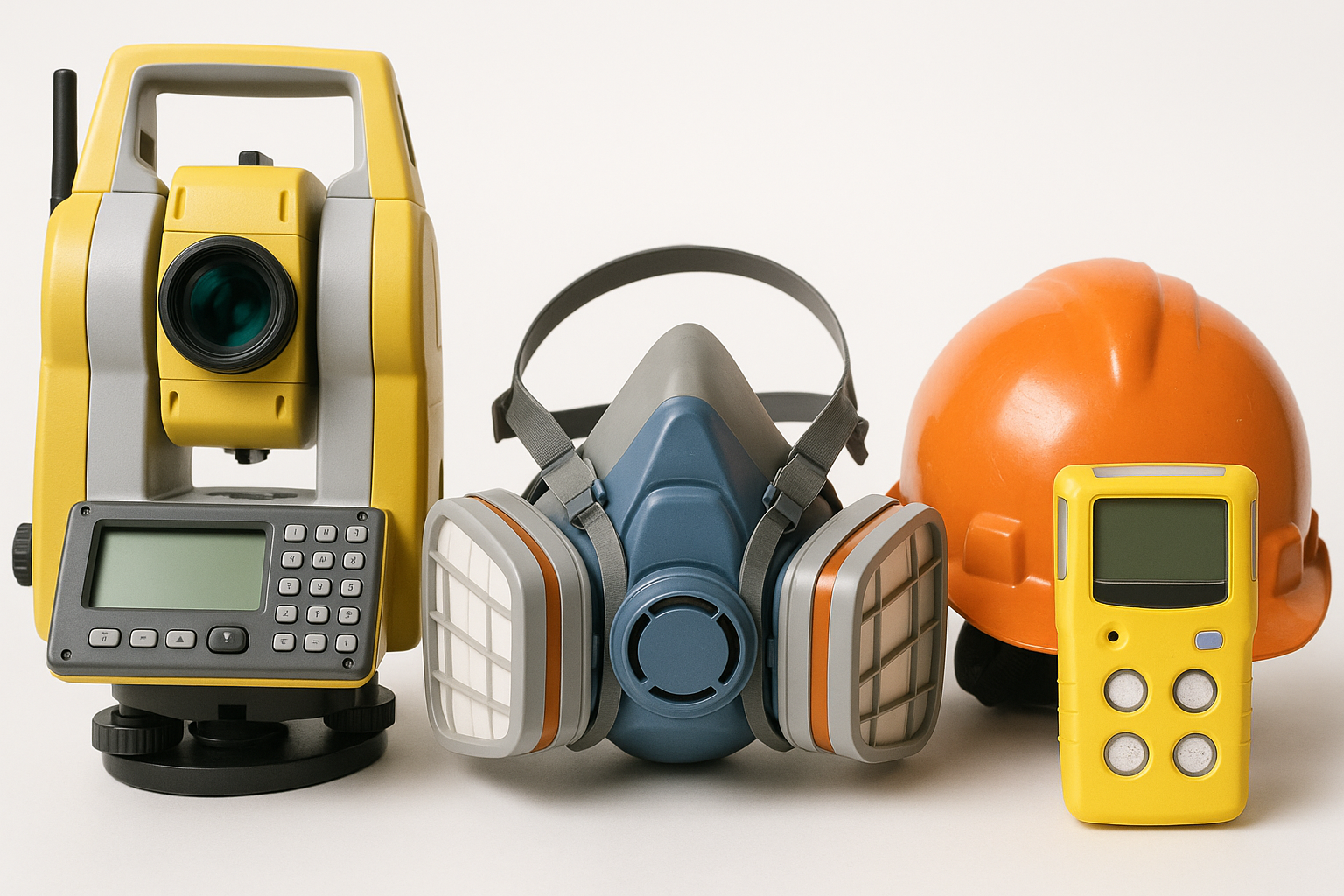
Management survey
For occupied buildings in normal use, a management survey helps identify asbestos-containing materials that could be disturbed during routine occupation, maintenance or minor works. This is often the foundation of an asbestos register for non-domestic premises.
Refurbishment survey
If intrusive works are planned, a refurbishment survey is usually required. This survey is designed to locate asbestos in the specific areas affected by the works, including hidden voids and building fabric that will be disturbed.
Demolition survey
Where a structure is due to be taken down, a demolition survey is needed before demolition starts. It is fully intrusive and intended to identify asbestos throughout the building so it can be dealt with properly ahead of demolition.
Re-inspection survey
If asbestos is being managed in situ, a re-inspection survey helps review the condition of known materials and keeps your asbestos register up to date. This is particularly useful for estates, managed portfolios and buildings with known asbestos-containing materials that remain in place.
For many clients arranging asbestos removal Chelmsford, the survey stage is where cost control begins. Accurate survey information reduces surprises, helps contractors price correctly and avoids unnecessary delays once work starts.
How asbestos removal and disposal should be handled
Once asbestos has been identified and assessed, the next step is deciding how the work will be carried out. Some work is licensed, some is notifiable non-licensed work and some is non-licensed. The classification depends on the material and the task, so it should be assessed properly before work starts.
If removal is required, use a competent specialist and make sure the scope is based on survey findings, not guesswork. You can find support for compliant asbestos removal where materials have been identified and the project needs a clear, legally sound next step.
Waste disposal is not an afterthought
Asbestos waste is hazardous waste. It must be packaged, labelled, transported and disposed of in line with legal requirements. That includes using the correct waste stream, a registered waste carrier and the proper consignment note process.
For duty holders and property managers, the paperwork matters as much as the physical removal. If waste is mishandled, mixed incorrectly or fly-tipped, the consequences can come back to the person or organisation that arranged the work.
Before removal starts, check:
- The survey clearly identifies the affected materials and locations
- The work area and access arrangements are understood
- Occupants and contractors know what areas are restricted
- The removal scope matches the planned refurbishment or maintenance activity
- Waste handling and documentation are in place from the start
Typical asbestos issues in Chelmsford buildings
Chelmsford properties present a wide range of asbestos risks because the local building stock is varied. The approach for a school with ageing service ducts is different from a retail unit with asbestos cement roofing, and both differ from a residential block with textured coatings and riser panels.
Experience matters because asbestos work is rarely just about the material itself. It is also about access, sequencing, occupancy, contractor coordination, waste documentation and keeping the wider project on track.
Common findings include:
- Asbestos insulating board in ceilings, risers and partition walls
- Textured coatings uncovered during refurbishment
- Cement roofs, garages and outbuildings on domestic and commercial sites
- Floor tiles and adhesive in offices, schools and healthcare premises
- Pipe lagging in older plant rooms and service areas
- Soffits, panels and fire protection materials in post-war buildings
Asbestos removal Chelmsford projects often become more complex when buildings remain occupied. In those cases, planning access windows, isolating work areas and coordinating trades carefully can make the difference between a controlled job and a disruptive one.
Sector-specific advice for Chelmsford property owners and managers
Older buildings across almost every sector can contain asbestos. The legal duties may vary depending on the premises and who controls them, but the practical need is the same: know what is there before anyone disturbs it.
Commercial offices and managed workspaces
In offices, asbestos is often found above suspended ceilings, in floor tiles, partition walls, risers and plant rooms. The main challenge is usually keeping disruption low while ensuring maintenance teams and fit-out contractors do not disturb hidden materials.
Industrial units and warehouses
Industrial premises often contain asbestos in roof sheets, wall cladding, insulation, pipework and older service installations. These sites need careful planning because operational hazards, access equipment and large service areas can complicate both surveying and removal.
Schools and healthcare premises
Education and healthcare settings need extra care because occupancy is sensitive and service continuity matters. Survey timing, access windows and communication with estates teams should be agreed early to avoid unnecessary disruption.
Residential portfolios and communal areas
Landlords and block managers often need help with communal areas, garages, service cupboards, ceiling finishes and planned refurbishment between tenancies. Clear records, sensible prioritisation and regular review make asbestos management more manageable across larger portfolios.
Local authority oversight and who is responsible for asbestos disposal
Property managers often ask whether the local council oversees every part of asbestos disposal. In practice, responsibility is shared across different parties, and the duty holder cannot simply hand over all responsibility once a contractor is appointed.
The HSE is the main regulator for workplace health and safety, including asbestos work under the Control of Asbestos Regulations. Local authorities may have roles linked to environmental health, planning, local waste arrangements or enforcement in certain premises, but that does not replace the legal duties on those who manage buildings or commission work.
What local government may be involved in
- Environmental health matters in some premises
- Oversight of local waste sites and disposal routes where relevant
- Action on fly-tipping or improper waste disposal
- Public sector estate management for council-owned buildings
What remains with the duty holder or client
- Arranging the correct survey before work starts
- Providing asbestos information to contractors
- Ensuring work is properly planned and scoped
- Using competent professionals for surveying and removal
- Keeping records, registers and waste paperwork
So if you are arranging asbestos removal Chelmsford, do not assume the council will validate the process for you. The safest approach is to make sure your own documentation, survey information and contractor arrangements are correct from the outset.
Practical checklist before any asbestos removal Chelmsford project
Most asbestos problems become expensive because the early steps were skipped. A little preparation gives you better control over cost, programme and compliance.
- Check the building age and history. If it is older or has had past refurbishments, treat asbestos as a real possibility.
- Review existing records. Look for previous surveys, asbestos registers, sampling records and management plans.
- Commission the correct survey. Do not rely on a management survey for intrusive refurbishment or demolition work.
- Share reports with contractors. Asbestos information must be available to anyone who could disturb the building fabric.
- Mark affected areas clearly. Site teams should know where asbestos is present or presumed.
- Plan sequencing properly. Resolve asbestos issues before intrusive trades begin.
- Confirm waste arrangements. Disposal must be documented correctly from site to final facility.
- Schedule follow-up reviews. If materials remain in place, re-inspection should be part of the management plan.
These steps are straightforward, but they prevent avoidable delays and help you make better decisions about whether removal is necessary.
Getting quotations and planning work in Chelmsford
When asbestos is suspected, delays create uncertainty. Contractors may be stood down, parts of the building may become unusable and project costs can climb quickly if the scope is unclear.
A proper quotation should reflect the type of survey or service required, the layout of the property, access constraints, timescales and the level of intrusion involved. Vague pricing usually leads to problems later.
Information to have ready before requesting a quote
- Property address and building use
- Approximate age of the building
- Details of any planned maintenance, refurbishment or demolition
- Floor plans if available
- Any previous asbestos reports or registers
- Preferred access dates and site restrictions
The more accurate the initial information, the easier it is to scope the work correctly. That applies whether you need one survey, a phased programme or support across multiple sites.
Support beyond Chelmsford for multi-site property portfolios
If you manage buildings in more than one location, consistency matters. Survey formats, risk information and follow-up actions should be clear across the whole estate so contractors and internal teams can work safely.
Supernova supports clients locally and nationwide, including those needing services such as an asbestos survey London, an asbestos survey Manchester or an asbestos survey Birmingham. That is useful for property managers, FM teams and organisations with regional estates that need a consistent approach to asbestos compliance.
Frequently Asked Questions
Do I always need asbestos removal if asbestos is found?
No. If the material is in good condition, protected from disturbance and properly recorded, it may be safer and more practical to manage it in place. Removal is usually needed when the material is damaged, deteriorating or likely to be disturbed by planned works.
What survey do I need before refurbishment work?
If the work will disturb the fabric of the building, you will usually need a refurbishment survey for the affected areas. A management survey is not designed for intrusive refurbishment work.
Who is responsible for asbestos disposal paperwork?
The contractor handling the waste will manage the transport and disposal documentation, but the client or duty holder should make sure the process is compliant and records are retained. You should not treat disposal paperwork as someone else’s problem.
Can work continue if unexpected asbestos is discovered on site?
Not in the affected area. Work should stop immediately, the area should be secured and professional advice should be obtained before anything resumes. Continuing without assessment increases the risk of fibre release and non-compliance.
How do I arrange asbestos removal Chelmsford support quickly?
Start by gathering the property details, any previous asbestos records and information about the planned works. Then speak to a competent asbestos specialist who can advise on the right survey, whether removal is necessary and how the project should be sequenced.
If you need clear advice on asbestos removal Chelmsford, surveys, sampling or ongoing asbestos management, Supernova Asbestos Surveys can help. Call 020 4586 0680 or visit asbestos-surveys.org.uk to arrange the right service for your property.