Get licensed asbestos removal wrong and the consequences show up fast: unsafe exposure, halted works, enforcement action and a building nobody wants to sign off with confidence. For landlords, duty holders, managing agents and contractors, the real issue is knowing when the law requires a licensed contractor, how to prove that requirement, and how to manage the job properly from survey through to clearance and disposal.
This comes up on refurbishments, reactive maintenance, school estates work, retail fit-outs and full redevelopment projects. If the work is licensable, there is no lawful shortcut. The safest route is to identify the risk early, appoint the right people and keep clear records from start to finish.
What licensed asbestos removal actually means
Licensed asbestos removal is work on higher-risk asbestos-containing materials that must be carried out by a contractor holding a current asbestos licence from the Health and Safety Executive. That licence is a legal permission, not a marketing badge and not a generic health and safety certificate.
The legal framework sits under the Control of Asbestos Regulations. HSE guidance supports those duties, and HSG264 sets the standard for asbestos surveying so materials are identified properly before anyone starts disturbing the building fabric.
In practical terms, licensable work usually involves asbestos materials that are more friable, more easily damaged and more likely to release fibres when handled. That is why licensed asbestos removal demands tighter planning, stricter supervision and stronger site controls than lower-risk asbestos tasks.
Why some asbestos work must be licensed
Not all asbestos materials behave in the same way. Some are relatively hard and stable when left intact. Others can release fibres very easily if they are cut, broken, stripped back or already in poor condition.
The licence system exists because certain asbestos jobs carry a much higher risk of fibre release. The HSE expects those jobs to be handled only by contractors who can show suitable competence, management systems, training, equipment and site controls.
Materials commonly associated with licensed asbestos removal include:
- Sprayed asbestos coatings
- Pipe lagging and thermal insulation
- Loose-fill insulation
- Many forms of asbestos insulating board, especially where disturbance is significant
- Friable asbestos debris and contamination
Condition matters as much as product type. A material that may present lower risk when sealed and undamaged can become a licensable issue if it is broken, degraded, water-damaged or affected by fire.
Which jobs usually require licensed asbestos removal
One of the biggest mistakes on site is assuming all asbestos work sits in the same category. It does not. Some tasks are licensable, some are notifiable non-licensed work, and some are non-licensable.
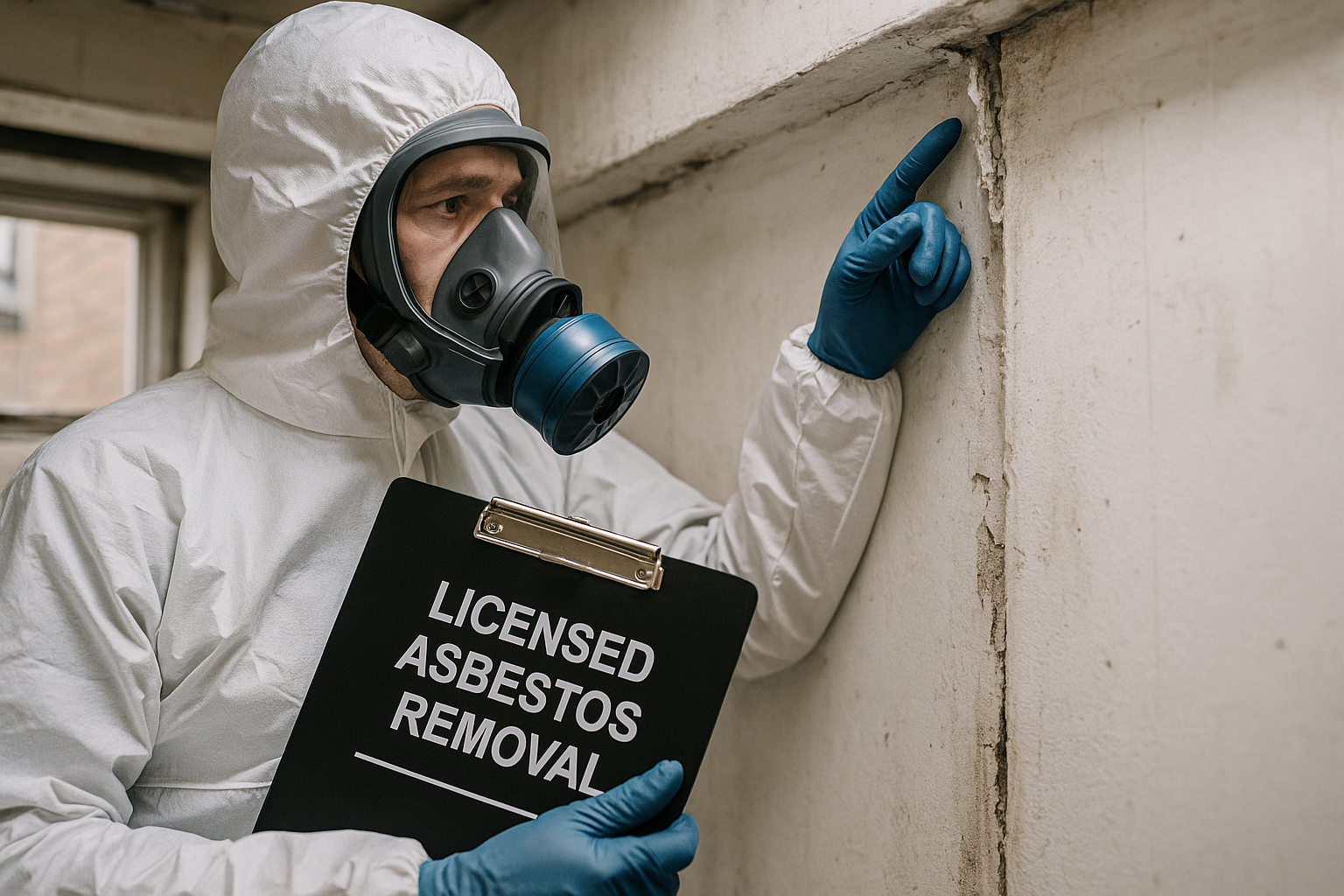
The right category depends on the material, its condition and the method of work. As a rule, licensed asbestos removal is typically required where the asbestos is higher risk, significantly damaged, or likely to be substantially disturbed during the job.
Common examples of licensable work
- Removing sprayed coatings from beams, columns, soffits or ceilings
- Removing asbestos insulation from pipework, boilers, calorifiers and plant
- Removing loose-fill asbestos from lofts, voids or cavities
- Removing asbestos insulating board where it will be cut, broken, drilled or dismantled in a way that creates fibre release
- Large-scale removal of damaged asbestos insulating board ceiling tiles, partitions, riser panels or fire protection linings
- Cleaning substantial contamination from friable asbestos debris
- Remedial works following uncontrolled disturbance, flooding or fire damage affecting asbestos materials
If you are unsure whether a task falls into this category, do not rely on assumptions from a photo, a caretaker or a general contractor. Get the material assessed properly before work starts.
Typical settings where licensable work appears
Licensed asbestos removal is regularly needed in:
- Plant rooms and boiler houses
- Service risers and ceiling voids
- Schools and healthcare estates
- Older offices and retail units
- Industrial premises with older insulation systems
- Redevelopment sites where hidden asbestos is uncovered during strip-out
These are exactly the places where poor planning causes the biggest delays. Once contaminated areas are discovered mid-project, costs rise quickly and programmes slip.
Refurbishment and demolition: where projects go wrong
Refurbishment and demolition work creates the highest chance of accidental disturbance because walls, ceilings, floors and services are opened up. A standard survey for normal occupation is not enough if the building fabric will be disturbed.
For occupied premises under normal use, a management survey helps duty holders locate and manage asbestos-containing materials that could be disturbed during everyday occupation and routine maintenance. That is useful for ongoing compliance, but it is not the right basis for intrusive strip-out.
If the planned works involve opening up the structure, removing finishes or taking the building down, you need a demolition survey before work begins. This is essential for planning licensed asbestos removal properly and preventing uncontrolled exposure.
Common licensable scenarios on redevelopment projects
- Removing asbestos insulating board ceiling tiles and partition panels before M&E strip-out
- Removing lagging from basement and rooftop pipework
- Stripping sprayed coating from structural steel before demolition
- Cleaning asbestos debris from service voids found during intrusive works
- Removing contaminated doors, riser enclosures or boxing containing asbestos insulating board
Practical advice: never allow demolition or strip-out teams to start first and “deal with asbestos if they find it”. By that point, the material may already have been disturbed, the work area contaminated and the programme compromised.
What does not always need a licence
Not every asbestos task requires licensed asbestos removal. Some lower-risk work can be carried out without an HSE licence if it has been assessed correctly and suitable controls are in place.
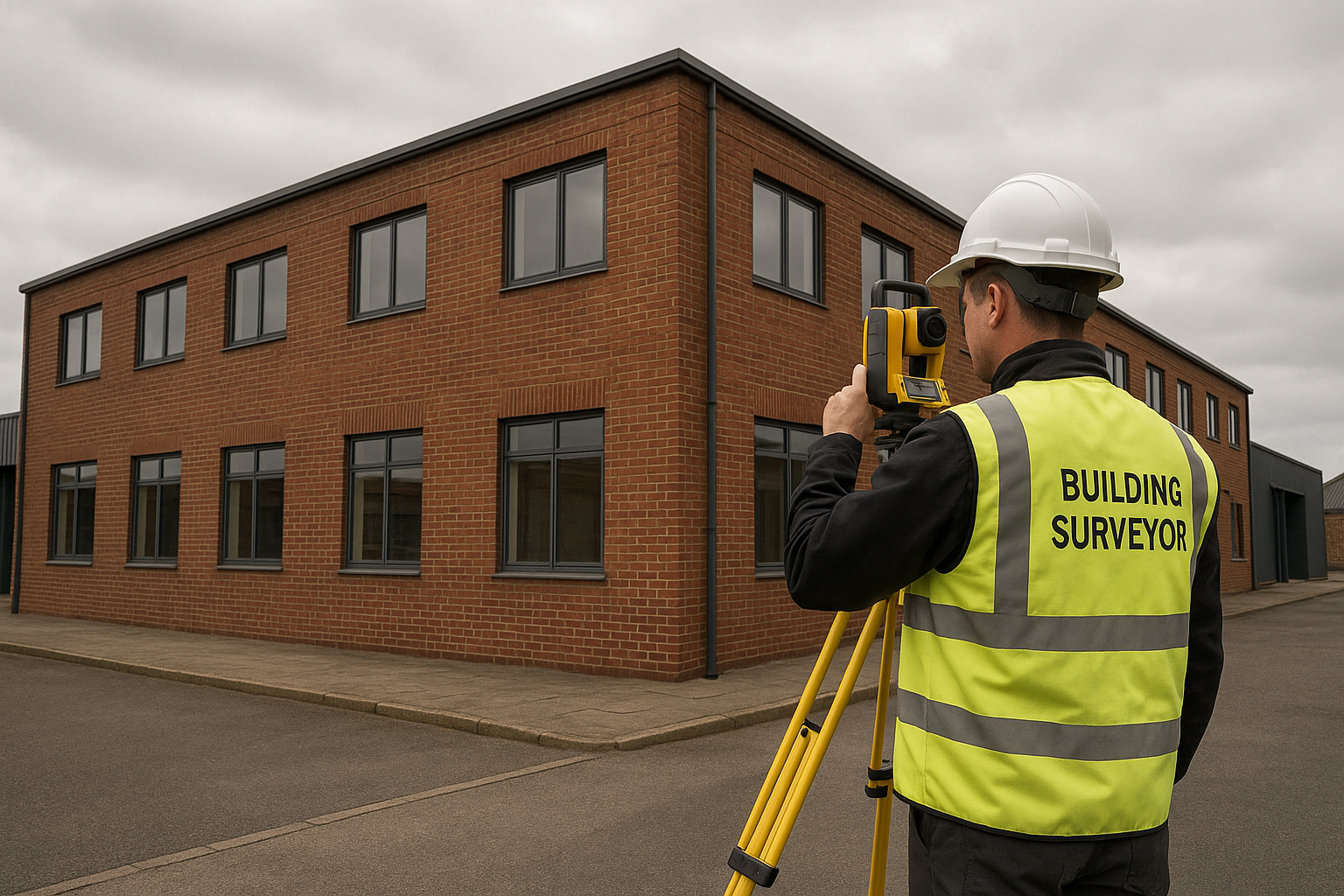
That does not mean the work is casual or low-standard. Non-licensable work still requires competence, asbestos training, task-specific controls, safe waste handling and proper risk assessment.
Examples of work that may be non-licensable
- Removing a small number of intact asbestos cement sheets without breaking them
- Removing asbestos cement gutters or downpipes in good condition
- Lifting intact thermoplastic floor tiles containing asbestos
- Minor work on textured coatings where fibre release is kept low
- Encapsulating stable asbestos-containing materials that are not being significantly disturbed
The confusion usually comes from oversimplifying the material type. Asbestos cement in good condition is very different from friable insulation. But even lower-risk materials can become more hazardous if they are heavily damaged, cut with power tools or broken up during removal.
Notifiable non-licensed work
Between licensable and non-licensable work sits notifiable non-licensed work. This category applies to certain tasks that do not require a licence but still trigger notification and extra record-keeping duties.
If there is any doubt, stop and get competent advice. Guessing the category is one of the quickest ways to create legal and practical problems on site.
Do asbestos disposal companies need to be licensed or certified?
This is where many clients get caught out. The answer depends on what the company is actually doing.
If a contractor is carrying out licensed asbestos removal, that contractor must hold the relevant HSE asbestos licence. If another business is only transporting packaged asbestos waste, the legal focus shifts to waste carriage, consignment and disposal requirements rather than the asbestos removal licence itself.
In other words, removal and disposal are linked, but they are not identical legal roles. A company collecting sealed asbestos waste is not automatically carrying out licensable asbestos removal. But if the work on site involves disturbing higher-risk asbestos materials, the removal contractor must be licensed.
What clients should check
- Who is actually removing the asbestos from the building
- Whether that removal work is licensable
- Whether the contractor holds a current HSE asbestos licence where required
- How the waste will be packaged, labelled and taken from site
- Whether the waste route and paperwork are clear and traceable
Do not separate removal from disposal in your mind as if one matters and the other does not. A lawful job needs both parts handled properly.
How to check a contractor for licensed asbestos removal
If the work is licensable, you must appoint a contractor with a current HSE asbestos licence. That sounds obvious, yet many clients are shown outdated paperwork, unrelated accreditations or generic safety certificates instead of the actual evidence they need.
When procuring licensed asbestos removal, ask for the essentials first.
What to request before appointment
- Confirmation of the contractor’s current HSE asbestos licence
- The exact legal company name matching the entity you are appointing
- A site-specific plan of work or method statement
- Training records for supervisors and operatives
- Evidence of respiratory protective equipment arrangements and face-fit testing
- Relevant insurance details
- Waste carrier arrangements and disposal route information
- Experience on similar properties and materials
Trade association membership can be useful, but it is not a substitute for the HSE licence. For licensable work, the licence is the key legal requirement.
Questions worth asking directly
- What asbestos product are you removing?
- Why is the work classed as licensable?
- What enclosure or segregation measures will be used?
- How will decontamination be managed?
- Who will carry out any required independent clearance procedures?
- How will waste leave site and where will it be taken?
- What happens if additional asbestos is found during the works?
A competent contractor should answer clearly. If the answers are vague, overly sales-led or inconsistent with the survey, do not proceed until the gaps are resolved.
What the process should look like from survey to completion
Good licensed asbestos removal starts long before the enclosure goes up. It begins with accurate information about the building, the materials present and the scope of works.
1. Identify the asbestos properly
The first step is using the correct survey for the planned activity. For routine occupation and maintenance, that means a management-focused inspection. For intrusive works, it means a refurbishment or demolition-focused inspection so hidden materials can be identified before contractors disturb them.
If you are managing property in the capital, arranging an asbestos survey London service can help you get the right pre-work information in place quickly. The same applies regionally if you need an asbestos survey Manchester or an asbestos survey Birmingham for planned works.
2. Classify the work correctly
Once the material is identified, the next step is deciding whether the task is licensable, notifiable non-licensed or non-licensable. This decision should be based on product type, condition and method of work, not guesswork or convenience.
3. Prepare the plan of work
Before licensed asbestos removal starts, the contractor should provide a clear plan of work linked to the survey findings. This should explain the removal method, site controls, access arrangements, emergency procedures, decontamination arrangements and waste handling route.
Review it carefully. If the survey identifies asbestos in several areas but the plan only addresses one, stop and query it.
4. Control the site during removal
During the works, access should be restricted and the work area properly segregated. Where enclosures are needed, they should be built, tested and maintained correctly. Operatives should follow the agreed method, not improvise on site.
If you are the client or duty holder, do not disappear once the order is placed. Check that the controls described in the paperwork are actually being used.
5. Arrange clearance and records
After licensed asbestos removal, the area may require independent clearance procedures before reoccupation. You should also receive documentation showing what was removed, where it came from and how the waste was managed.
Keep these records with your asbestos management information. They matter for future maintenance, tenant queries, insurance matters and later refurbishment planning.
Waste disposal and why it matters
Clients often focus on the removal stage and forget that waste handling can create its own compliance issues. Once asbestos has been removed, it still needs to be packaged, labelled, transported and consigned correctly.
That means you should expect a clear disposal route, proper documentation and a contractor who can explain how waste leaves site safely. If somebody is vague about where the waste is going or how it will be recorded, treat that as a warning sign.
Practical steps for clients include:
- Ask where the waste will be taken
- Check who is responsible for transport
- Make sure consignment paperwork is retained
- Match waste records to the area and materials removed
- Store documentation with the asbestos register and project file
Whether you are arranging a standalone job or a wider package of asbestos removal, disposal should never be treated as an afterthought.
Common mistakes that lead to enforcement action or delays
Most asbestos problems on live projects are not caused by unusual circumstances. They come from familiar mistakes made under time pressure.
Frequent errors to avoid
- Starting strip-out before the right survey has been completed
- Assuming a management survey is enough for refurbishment or demolition
- Letting a general contractor decide the work category without specialist input
- Using paperwork that is out of date or not site-specific
- Failing to check whether the appointed company actually holds the required licence
- Ignoring damaged materials because they were previously recorded as lower risk
- Not keeping waste and clearance records together
The practical fix is simple: pause early, verify the scope, and make sure the survey, work category and contractor all line up. That is far cheaper than dealing with contamination after the fact.
Practical advice for landlords, duty holders and project teams
If you manage property, the safest approach is to treat asbestos planning as an early project task rather than a last-minute compliance box. Licensed asbestos removal is usually straightforward when the information is right and the sequencing makes sense.
Use this checklist before any intrusive work starts:
- Confirm what type of works are planned
- Commission the correct asbestos survey for that scope
- Review the findings against the planned method of work
- Decide whether the task is licensable, notifiable non-licensed or non-licensable
- Appoint the right contractor for the category of work
- Review the plan of work and site controls before mobilisation
- Keep survey, removal, clearance and waste records in one place
If something changes on site, stop and reassess. Hidden asbestos is common in older buildings, especially where previous alterations have concealed original materials.
Why early surveys save time on licensed asbestos removal
Many project delays blamed on asbestos are really caused by late asbestos information. When the survey is done too late, teams are forced to make decisions under pressure, and that is when poor assumptions creep in.
Early surveying helps you:
- Identify higher-risk materials before contractors disturb them
- Sequence removal works before the main programme is affected
- Price the job more accurately
- Avoid emergency closures and reactive call-outs
- Reduce the risk of contamination spreading beyond the original work area
For planned refurbishments, that early step often makes the difference between a controlled package of licensed asbestos removal and a much more expensive incident response.
When to get specialist advice
You should seek specialist advice whenever the material is unclear, the condition is poor, or the planned works will disturb hidden areas of the building. The same applies if survey findings and contractor advice do not seem to match.
Get help early if:
- The asbestos register is old or incomplete
- The project involves opening up risers, voids or plant areas
- There has been water ingress, fire damage or impact damage
- Previous removal records are missing
- Multiple contractors are working in the same zone
One clear review at the start can prevent weeks of disruption later.
Need help with licensed asbestos removal?
If you need clear advice on surveys, work categories or licensed asbestos removal, Supernova Asbestos Surveys can help. We support landlords, managing agents, contractors and duty holders across the UK with asbestos surveys, project support and removal services.
Call 020 4586 0680 or visit asbestos-surveys.org.uk to arrange the right survey, discuss a live project or get help planning safe, compliant asbestos works.
Frequently Asked Questions
Do all asbestos removal companies need an HSE licence?
No. Not all asbestos work is licensable. Some lower-risk tasks can be non-licensable or notifiable non-licensed work. But if the job involves higher-risk materials or methods, the contractor carrying out the work must hold a current HSE asbestos licence.
How can I tell if licensed asbestos removal is required?
You need to look at the material type, its condition and how the work will be carried out. Friable materials such as lagging, sprayed coatings, loose-fill insulation and many disturbed asbestos insulating board tasks are more likely to require licensed asbestos removal. The decision should be based on competent assessment, not guesswork.
Is a management survey enough before refurbishment works?
No. A management survey is for normal occupation and routine maintenance. If the project involves intrusive work, opening up the structure or demolition, a refurbishment or demolition-focused survey is needed before work starts.
Does asbestos waste disposal require separate checks?
Yes. Even where the removal contractor is properly licensed, you should still check how asbestos waste will be packaged, transported and consigned. Disposal paperwork should be clear, traceable and retained with the project records.
What records should I keep after licensed asbestos removal?
Keep the survey, plan of work, any relevant clearance documentation, waste consignment records and details of what was removed and from where. These records support future maintenance, compliance checks, tenant queries and later refurbishment planning.