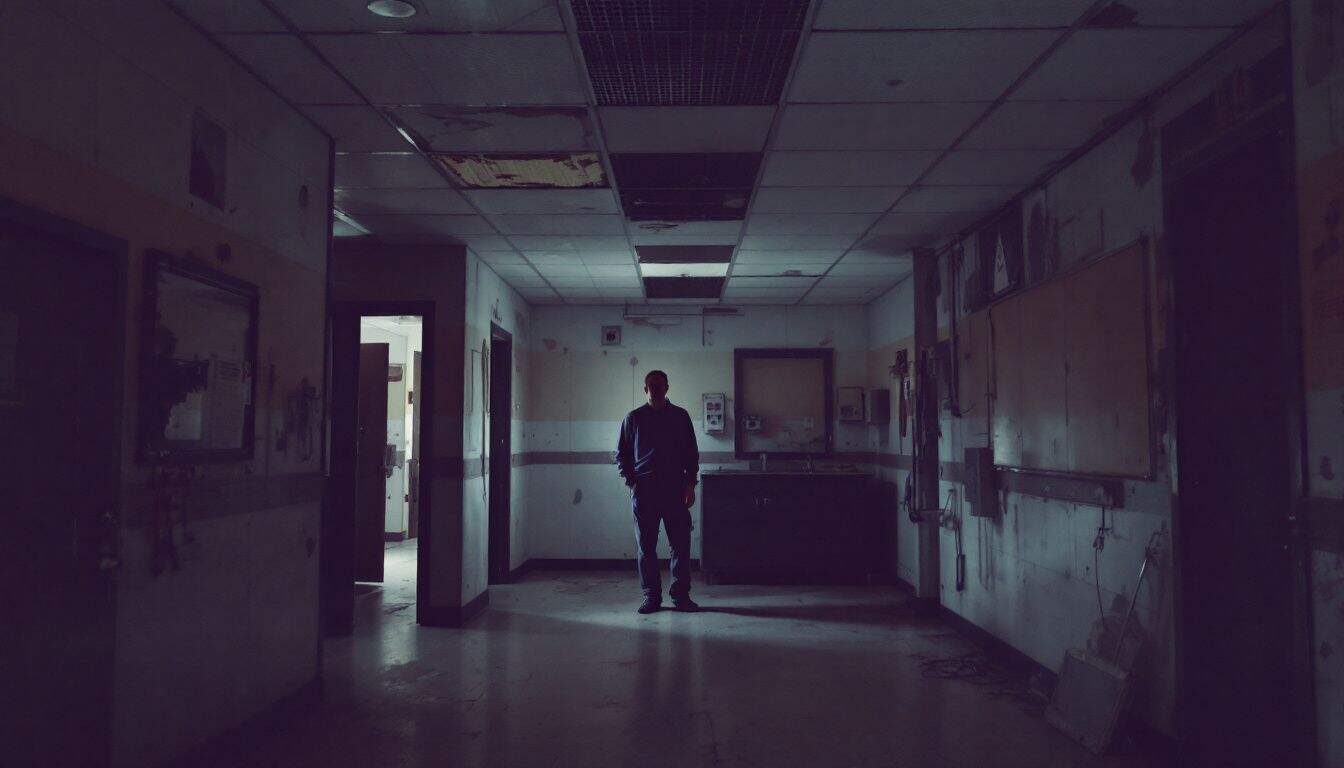
Why Asbestos Surveys for Healthcare Settings Demand a Different Approach
Healthcare buildings present one of the most complex asbestos management challenges in the UK. Approximately two-thirds of NHS buildings are estimated to contain asbestos-containing materials (ACMs), meaning the risk isn’t theoretical — it’s embedded in the walls, ceilings, and floors of facilities where vulnerable patients and dedicated staff spend their days. Asbestos surveys for healthcare environments require specialist knowledge, careful coordination, and a thorough understanding of both the regulatory landscape and the unique operational demands of clinical settings.
Whether you manage an NHS trust, a GP surgery, a private hospital, or a care home, understanding your legal duties and the practicalities of asbestos management could be the difference between a safe environment and a serious liability.
The Legal Framework: What Healthcare Managers Must Know
The Control of Asbestos Regulations sets the legal baseline for asbestos management across all non-domestic premises in the UK, and healthcare facilities are firmly within scope. These regulations place a duty to manage asbestos on anyone responsible for the maintenance or repair of non-domestic premises — which in a healthcare context means estates managers, facilities directors, and trust boards.
The Health and Safety Executive (HSE) enforces these requirements and has the authority to inspect, issue improvement notices, and prosecute organisations that fail to comply. In a sector already under intense regulatory scrutiny, asbestos non-compliance adds an entirely avoidable layer of risk.
Key Legal Obligations for Healthcare Facilities
- Conduct an asbestos survey of all non-domestic premises built or refurbished before 2000
- Maintain an up-to-date asbestos register and management plan
- Make the register accessible to anyone who may disturb ACMs, including contractors and maintenance staff
- Ensure all staff who may encounter asbestos receive appropriate asbestos awareness training
- Arrange regular reinspections to monitor the condition of known ACMs
- Ensure any licensable asbestos work is carried out by a licensed contractor
The HSE’s guidance document HSG264 provides the technical framework for how asbestos surveys should be planned and carried out. Any surveyor working in a healthcare setting should be working in accordance with this guidance as a minimum standard.
Types of Asbestos Survey Used in Healthcare Buildings
Not all surveys are the same, and choosing the right type for your healthcare facility is critical. The two main survey types — management surveys and refurbishment and demolition surveys — serve different purposes and are used at different stages of a building’s lifecycle.
Management Surveys
A management survey is the standard survey used to locate and assess ACMs that could be disturbed during normal occupancy, maintenance, and day-to-day activities. In a healthcare setting, this includes areas accessed by porters, maintenance engineers, and facilities staff. The surveyor will inspect accessible areas, take samples where ACMs are suspected, and produce a detailed report and register.
Management surveys are the foundation of your duty to manage. Without one, you cannot demonstrate that you know what asbestos is present in your building — and that’s a significant legal and safety failing.
Refurbishment and Demolition Surveys
Before any refurbishment, building work, or demolition, a refurbishment and demolition (R&D) survey must be carried out in the affected areas. Healthcare buildings are frequently subject to upgrades, ward reconfigurations, and infrastructure improvements — all of which require an R&D survey before work begins.
This type of survey is intrusive by nature. Surveyors access areas that wouldn’t normally be disturbed, including voids, ceiling spaces, and structural elements. In a clinical environment, this work must be carefully planned to avoid disrupting patient care or compromising infection control standards.
Where Asbestos Hides in Healthcare Buildings
Healthcare facilities built or refurbished before 2000 can contain asbestos in a wide range of locations, many of which are not immediately obvious. Understanding where ACMs are typically found helps estates teams prioritise inspections and manage risk proactively.
Common Locations for ACMs in Healthcare Settings
- Pipe and boiler lagging — thermal insulation on heating systems is one of the most common sources of asbestos in older buildings
- Spray coatings — used on structural steelwork and ceilings for fire protection and insulation
- Insulation boards — found in ceiling tiles, partition walls, and around fire doors
- Floor tiles and adhesives — vinyl floor tiles and the bitumen adhesive beneath them frequently contain asbestos
- Textured coatings — Artex-style finishes on ceilings and walls in older ward areas and corridors
- Roof materials — asbestos cement sheets used in outbuilding roofs and external structures
- Gaskets and seals — found within plant rooms and mechanical equipment
The three main types of asbestos fibres — crocidolite (blue), amosite (brown), and chrysotile (white) — can all be present in healthcare buildings. Chrysotile is the most commonly found, but all three types are classified as hazardous and must be managed accordingly.
The Unique Challenges of Asbestos Surveys in Healthcare
Carrying out asbestos surveys for healthcare facilities isn’t simply a matter of booking a surveyor and walking through the building. The operational complexity of a live clinical environment creates challenges that require careful management at every stage.
Maintaining Patient Safety and Infection Control
Any survey or sampling activity in a clinical area must be coordinated with infection control teams. Dust and debris generated during sampling — even in small quantities — can pose risks to immunocompromised patients. Surveyors working in healthcare settings should have experience of working in clinical environments and understand the protocols involved.
Access to wards, theatres, and treatment rooms will often need to be agreed in advance, with work scheduled outside of peak clinical hours or during planned downtime. This requires close collaboration between the surveying team and the estates or facilities management department.
Access to Complex Building Fabric
Older NHS buildings often have layered construction histories — extensions added over decades, original structures modified multiple times, and plant rooms crammed with ageing infrastructure. Gaining access to all areas that need to be surveyed can be logistically challenging, particularly in buildings that have never had a thorough asbestos survey carried out.
A competent surveying team will plan access requirements in advance, use appropriate equipment to reach difficult areas, and document any areas that could not be accessed — flagging them as presumed to contain asbestos until they can be properly inspected.
Coordinating with Contractors and Maintenance Teams
Healthcare facilities rely on a constant flow of contractors — from plumbers and electricians to IT engineers and decorators. All of these individuals may potentially disturb ACMs during their work, which is why the asbestos register must be kept current and accessible. Estates managers should ensure that all contractors receive a pre-work briefing that includes the relevant sections of the asbestos register for the areas they’ll be working in.
Asbestos Training for Healthcare Staff
The duty to manage asbestos doesn’t sit solely with estates teams. All staff who work in or around areas where ACMs may be present need appropriate training — and in a healthcare setting, that can mean a wide range of roles.
Who Needs Asbestos Awareness Training?
- Estates and facilities management staff
- Maintenance engineers and porters
- Nursing and clinical staff who may disturb surfaces during patient moves or equipment installation
- Contractors working on site
- Any member of staff who may work in ceiling voids, plant rooms, or other high-risk areas
Asbestos awareness training should cover how to identify materials that may contain asbestos, what to do if ACMs are accidentally disturbed, and who to contact in an emergency. The Royal College of Nursing (RCN) has advocated for asbestos education to be embedded in nursing training programmes — recognition that clinical staff are not immune to the risk.
Keeping Training Records
Employers must keep records of all asbestos training delivered to staff. These records form part of your compliance evidence and should be made available to safety representatives on request. Training should be refreshed regularly — particularly when regulatory guidance is updated or when staff move into roles that involve greater exposure risk.
What Happens After the Survey: Managing ACMs in Healthcare
A survey is the starting point, not the end point. Once ACMs have been identified and assessed, a management plan must be put in place that sets out how each material will be managed — whether that means leaving it in place with regular monitoring, encapsulating it, or arranging for asbestos removal by a licensed contractor.
The condition of each ACM is a key factor in this decision. Materials that are in good condition and unlikely to be disturbed can often be safely managed in situ. Materials that are deteriorating, or that are in areas subject to regular maintenance activity, may need to be removed or encapsulated as a priority.
Reinspection and Monitoring
Asbestos management is an ongoing process. Known ACMs must be reinspected at regular intervals — typically annually — to assess whether their condition has changed. If a material that was previously stable shows signs of deterioration, the management plan must be updated and appropriate action taken.
The asbestos register should be a living document, updated whenever new information is available — whether that’s the result of a reinspection, a refurbishment survey, or the discovery of a previously unknown ACM during maintenance work.
National Coverage: Asbestos Surveys for Healthcare Across the UK
Supernova Asbestos Surveys provides specialist asbestos surveys for healthcare facilities across the UK. Our teams operate nationwide, with particular strength in major urban centres where the concentration of older NHS estate is highest.
For healthcare facilities in the capital, our asbestos survey London service covers NHS trusts, private hospitals, GP surgeries, and care homes across all London boroughs. We understand the complexity of working in live clinical environments and have extensive experience coordinating surveys around patient care.
In the North West, our asbestos survey Manchester team works with healthcare estates teams across Greater Manchester and the surrounding region, providing management surveys, R&D surveys, and reinspection services.
For healthcare providers in the Midlands, our asbestos survey Birmingham service delivers the same high standard of survey work, with surveyors who are experienced in the unique challenges of healthcare environments.
Frequently Asked Questions
Do all healthcare buildings need an asbestos survey?
Any healthcare building built or refurbished before the year 2000 should be assumed to contain asbestos until a survey proves otherwise. This includes NHS hospitals, GP surgeries, dental practices, care homes, and private healthcare facilities. If no survey has been carried out, the duty holder is not fulfilling their legal obligations under the Control of Asbestos Regulations.
Who is responsible for asbestos management in an NHS trust?
Responsibility sits with the duty holder — typically the organisation that has control of the premises. In an NHS trust, this is usually the trust board, with day-to-day responsibility delegated to the estates or facilities management team. Safety representatives must have access to the asbestos register and management plan, and all relevant staff must receive appropriate training.
How often should asbestos surveys be updated in healthcare settings?
The asbestos register should be kept up to date on an ongoing basis. Known ACMs should be reinspected at least annually, and a new refurbishment and demolition survey must be carried out before any building or refurbishment work begins in areas that may contain asbestos. If a management survey was carried out many years ago, it may need to be updated to reflect changes to the building.
Can asbestos work be carried out while a healthcare facility is operational?
Minor survey and sampling work can often be carried out in occupied buildings with appropriate controls in place. More intrusive work — including refurbishment surveys, encapsulation, or removal — will typically require the affected area to be vacated and appropriate containment measures to be established. This must be coordinated with clinical teams and infection control to protect patient safety.
What should I do if asbestos is accidentally disturbed in a healthcare setting?
Stop all work immediately in the affected area. Prevent access to the area and avoid disturbing the material further. Contact your asbestos management team and, if necessary, a licensed contractor to assess the situation and carry out any required remediation. Incidents involving potential asbestos exposure must be documented and reported in accordance with your organisation’s health and safety procedures.
Speak to Supernova About Asbestos Surveys for Healthcare
Supernova Asbestos Surveys has completed over 50,000 surveys across the UK, including extensive work in healthcare environments. Our surveyors are BOHS-qualified, experienced in clinical settings, and fully conversant with HSE guidance and the Control of Asbestos Regulations.
If you manage a healthcare facility and need a management survey, refurbishment survey, reinspection, or asbestos management plan, we’re ready to help. Call us on 020 4586 0680 or visit asbestos-surveys.org.uk to request a quote or speak to a member of our team.