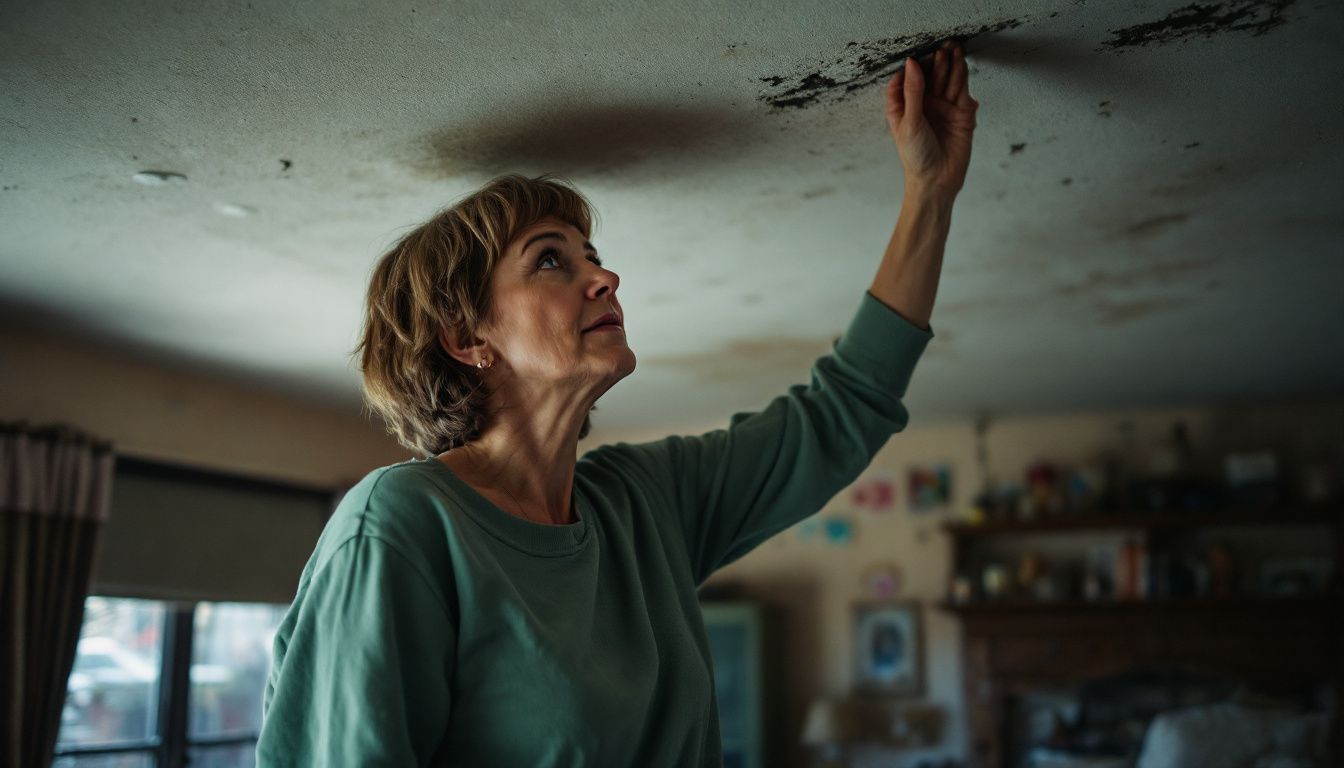
The Asbestos Environmental Crisis Hiding in Plain Sight Across UK Housing
Millions of UK homes are sitting on a slow-burning public health and asbestos environmental crisis. Deteriorating building materials, improper waste disposal, and disturbed fibres are contaminating not just the air inside affected properties, but the soil, water, and communities surrounding them.
If your property was built before 1999, there is a very real chance asbestos-containing materials (ACMs) are present. Understanding what that means — environmentally, legally, and for the health of the people inside — could protect lives and keep you on the right side of UK law.
The UK banned the final forms of asbestos in 1999, but the legacy of decades of widespread use in construction remains embedded in our housing stock. This is not a historical footnote. It is an active, ongoing risk that property owners, landlords, and tenants cannot afford to ignore.
How Widespread Is Asbestos in UK Housing?
The scale of the problem is difficult to overstate. A significant proportion of pre-1999 buildings across the UK contain ACMs, and social landlords own a large share of these properties. Many council homes built before 2000 still contain original asbestos materials that are ageing and increasingly vulnerable to damage.
Asbestos was used extensively in construction because it was cheap, durable, and fire-resistant. It found its way into a remarkably wide range of building materials, including:
- Insulation boards and pipe lagging
- Floor tiles and ceiling tiles
- Roofing felt and corrugated roofing sheets
- Textured coatings such as Artex
- Adhesives and bitumen products
- Sprayed coatings used for fireproofing
Blue and brown asbestos (crocidolite and amosite) were banned in the late 1980s, but white asbestos (chrysotile) remained legal in construction until 1999. The result is a vast and largely invisible legacy. Many homeowners and tenants have no idea the materials around them contain asbestos — until something goes wrong.
The Asbestos Environmental Impact: Soil, Water, and Air
When people think about asbestos risks, they typically think about lung disease. But the asbestos environmental impact extends far beyond the buildings themselves. Disturbed or improperly disposed of asbestos poses serious risks to the wider environment — risks that can persist for generations.
Contamination of Soil and Land
Asbestos fibres released during demolition, renovation, or illegal dumping can settle into soil and remain there for decades. Unlike many contaminants, asbestos does not break down — it persists in the environment indefinitely.
Once in the soil, fibres can be disturbed again by construction work, gardening, or erosion, releasing them back into the air. Fly-tipping of asbestos waste is a persistent problem across the UK, creating hotspots of contaminated land — particularly in urban areas and on brownfield sites earmarked for redevelopment. This creates significant risk for future occupants and workers who may disturb the ground without knowing what lies beneath.
Water Contamination Risks
Asbestos fibres can leach into groundwater and surface water when waste is improperly disposed of, or when contaminated soil is disturbed by rainfall and runoff. While the primary route of harm is inhalation rather than ingestion, the presence of asbestos in water systems is taken seriously by environmental regulators.
This adds considerable complexity to remediation efforts on contaminated sites, where multiple environmental pathways must be assessed and managed simultaneously.
Airborne Fibre Dispersal
Asbestos fibres are microscopic and extraordinarily light. Once released into the air — whether from a crumbling ceiling tile, a disturbed floor during DIY work, or improperly handled demolition waste — they can travel considerable distances before settling.
This means that asbestos environmental contamination is rarely confined to a single property or site. Neighbours, passers-by, and workers on adjacent sites can all be exposed when asbestos is disturbed without proper controls. This is precisely why the regulatory framework around licensed removal and waste management is so stringent.
Health Consequences of Asbestos Exposure
The link between asbestos exposure and serious disease is well established. Asbestos fibres, when inhaled, lodge deep in the lung tissue and cannot be expelled. Over time — often 15 to 60 years — this leads to a range of life-limiting and fatal conditions.
More than 5,000 people die each year in the UK from asbestos-related illnesses. These include:
- Mesothelioma — a cancer of the lining of the lungs and abdomen, for which there is currently no cure
- Lung cancer — significantly increased risk with asbestos exposure, particularly in smokers
- Asbestosis — a chronic scarring of the lung tissue causing progressive breathlessness
- Pleural disease — thickening or plaques of the pleura that can impair breathing
By the time symptoms appear, the disease is typically advanced. This long latency period is one of the reasons asbestos remains such a significant public health issue decades after its ban.
Who Is Most at Risk?
Historically, the greatest exposure occurred in industrial settings — shipbuilding, construction, railway maintenance, and insulation work. But domestic exposure has become increasingly significant as the UK housing stock ages and more people undertake DIY renovations in older properties.
The following groups face elevated risk:
- DIY renovators working in pre-1999 homes who disturb materials without knowing they contain asbestos
- Tenants in social housing where ACMs are ageing and maintenance has been delayed
- Children and elderly residents who spend more time indoors and may be more physiologically vulnerable
- Construction and maintenance workers who regularly work in older buildings
- Workers on contaminated land where asbestos has been illegally dumped or inadequately remediated
There is no known safe level of exposure to asbestos fibres. Even lower-level, intermittent exposure accumulates risk over time.
Asbestos Waste Disposal: The Environmental Challenge
Disposing of asbestos waste safely is one of the most significant asbestos environmental challenges facing the UK. Standard household waste facilities cannot accept asbestos — it must be taken to licensed hazardous waste sites, and the packaging, transport, and documentation requirements are strict and non-negotiable.
Licensed contractors must double-bag asbestos waste in heavy-duty polythene, clearly label it as hazardous, and transport it using appropriately registered vehicles. A waste consignment note must accompany every load, and records must be retained. The Environment Agency and the Health and Safety Executive (HSE) both have oversight roles in this process.
The Problem of Illegal Dumping
The cost and complexity of legal asbestos disposal creates an incentive for illegal dumping. Fly-tipped asbestos is found regularly across the UK — in rural lay-bys, on industrial estates, and on vacant urban land. Local authorities have powers under the Environmental Protection Act to issue clean-up notices and pursue prosecutions, but the scale of the problem stretches resources.
Budget pressures on the HSE and local councils have made enforcement more difficult, meaning that some illegal disposal goes undetected and contaminated sites may remain unaddressed for extended periods — creating ongoing asbestos environmental and public health risks.
Encapsulation as an Alternative to Removal
Not all asbestos needs to be removed. Where ACMs are in good condition and unlikely to be disturbed, encapsulation — sealing the material with a specialist coating — can be a safe and cost-effective management strategy. This approach reduces the volume of asbestos waste requiring disposal and limits the risk of fibre release during the management process.
However, encapsulation is not a permanent solution. Sealed materials must be monitored regularly, and any deterioration must be addressed promptly. An up-to-date asbestos register and management plan are essential for any property using encapsulation as its primary strategy.
Legal Responsibilities for Property Owners and Landlords
UK law places clear duties on those who own or manage non-domestic properties, and significant obligations on residential landlords. The Control of Asbestos Regulations set out the duty to manage asbestos in non-domestic premises, requiring a suitable and sufficient assessment, an asbestos register, and a written management plan.
For residential properties, the Housing Act and the Landlord and Tenant Act both impose requirements to maintain properties in a safe and habitable condition. Asbestos in a deteriorating state that poses a risk to health can constitute a hazard under the Housing Health and Safety Rating System (HHSRS), triggering enforcement action by the local authority.
What Landlords Must Do
Landlords of residential properties should take the following steps to manage their legal and moral obligations:
- Commission a professional asbestos survey before undertaking any renovation, refurbishment, or maintenance work
- Maintain an asbestos register identifying the location, type, and condition of all ACMs
- Ensure that any contractors working on the property are made aware of the asbestos register before work begins
- Arrange for damaged or deteriorating ACMs to be assessed by a licensed professional without delay
- Keep tenants informed about the presence and condition of asbestos in their homes
Tenants who believe their landlord is failing in these duties can report concerns to their local council or to the Housing Ombudsman. The Environmental Protection Act also empowers councils to issue Abatement Notices where asbestos poses a statutory nuisance.
Penalties for Non-Compliance
Failure to comply with asbestos regulations can result in substantial fines and, in serious cases, criminal prosecution. The HSE and local authorities have enforcement powers that extend to prohibition notices, improvement notices, and prosecution under health and safety legislation.
Property owners who knowingly ignore asbestos risks expose themselves to civil liability as well as regulatory action. The financial and reputational consequences of getting this wrong far outweigh the cost of proper management.
Safe Asbestos Removal: What the Process Involves
Where asbestos must be removed — because it is damaged, in a location where disturbance is inevitable, or because a property is being demolished — the work must be carried out by appropriately licensed contractors. Professional asbestos removal is tightly regulated under the Control of Asbestos Regulations, and work involving higher-risk materials such as sprayed coatings or pipe lagging requires a licence from the HSE.
The removal process involves several critical stages:
- A full asbestos survey to identify all ACMs and assess their condition before work begins
- Preparation of a detailed method statement and risk assessment
- Erection of a controlled work area with physical barriers and negative pressure air filtration
- Workers wearing full personal protective equipment including respiratory protection, disposable overalls, and gloves
- Wet methods used throughout to suppress fibre release
- Continuous air monitoring during the removal process
- Double-bagging and labelling of all waste materials
- A thorough visual inspection and air clearance test before the enclosure is dismantled
- Disposal of all waste at a licensed hazardous waste facility with full documentation
Only once air clearance testing confirms that fibre levels are within acceptable limits can the area be signed off as safe for reoccupation. Any contractor who bypasses these steps is operating illegally — and putting lives at risk.
The Social Consequences: Housing Inequality and Asbestos
The asbestos environmental problem does not affect all communities equally. Older social housing — much of which was built during the post-war construction boom of the 1950s, 1960s, and 1970s — contains some of the highest concentrations of ACMs in the UK housing stock. Residents of these properties are disproportionately from lower-income households, with less ability to demand action or seek alternative accommodation.
When asbestos management is delayed or inadequate, it is frequently the most vulnerable tenants who bear the consequences. Children growing up in homes with deteriorating ACMs face cumulative exposure that may not manifest as illness for decades — by which time the connection to their housing conditions may be difficult to prove.
The DIY Risk in Private Housing
In the private housing sector, the risk profile is different but equally concerning. Homeowners undertaking renovations — fitting a new kitchen, removing a partition wall, or replacing flooring — may unknowingly disturb asbestos without any of the protective measures that a licensed contractor would deploy.
This is not a niche problem. Millions of UK homes built before 1999 contain ACMs, and the renovation activity across this housing stock is substantial. The HSE’s guidance, including HSG264, provides clear direction on how surveys should be conducted before any notifiable work begins — but awareness among homeowners remains patchy.
A professional asbestos survey before any renovation is not just good practice — it is the single most effective step a homeowner can take to protect themselves, their family, and their contractors from asbestos environmental exposure.
Regional Dimensions: Asbestos Risk Across the UK
Asbestos risk is not evenly distributed across the country. Areas with large concentrations of post-war social housing, heavy industrial heritage, or significant brownfield redevelopment activity tend to face greater asbestos environmental challenges.
In London, the density of older buildings and the pace of development and refurbishment means that asbestos management is a constant operational consideration. Our team regularly carries out asbestos survey London work across a wide range of property types, from Victorian terraces to mid-century commercial blocks.
In the North West, the industrial legacy of manufacturing and construction means that asbestos is frequently encountered in both commercial and residential properties. Our asbestos survey Manchester service covers the full range of survey types required under the Control of Asbestos Regulations.
In the Midlands, a similar picture emerges — older housing stock, significant brownfield activity, and a large proportion of pre-1999 commercial premises. Our asbestos survey Birmingham team works across residential, commercial, and industrial sites throughout the region.
Wherever you are in the UK, the asbestos environmental challenge is real and present. The geography changes; the underlying risk does not.
What Good Asbestos Management Looks Like
Effective asbestos management is not a one-off exercise. It is an ongoing process that requires regular review, clear documentation, and a proactive approach to identifying and addressing deterioration before it becomes a crisis.
For non-domestic properties, the duty to manage under the Control of Asbestos Regulations requires a written asbestos management plan that is kept up to date and acted upon. This means regular reinspection of known ACMs, prompt action when condition deteriorates, and clear communication with anyone who may work in or around the building.
For residential landlords, the standard is not identical in law, but the moral and practical obligations are comparable. Knowing what is in your property, keeping it monitored, and acting swiftly when something changes is the foundation of responsible asbestos management.
The key elements of a robust asbestos management approach include:
- A management or refurbishment survey carried out by a qualified surveyor
- A clear, accurate asbestos register that is accessible to relevant parties
- A written management plan with defined actions and review dates
- Regular reinspection of ACMs — typically annually for materials in fair or poor condition
- Prompt engagement of licensed contractors when removal or remediation is required
- Full documentation of all surveys, inspections, and works carried out
Getting this right is not complicated, but it does require working with qualified professionals who understand both the regulatory framework and the practical realities of managing asbestos in occupied buildings.
Frequently Asked Questions
What is meant by asbestos environmental contamination?
Asbestos environmental contamination refers to the presence of asbestos fibres in the surrounding environment — soil, water, or air — as a result of disturbed, deteriorating, or improperly disposed of asbestos-containing materials. Unlike contamination confined to a building interior, environmental contamination can affect people who have never entered the affected property, including neighbours, passers-by, and future occupants of redeveloped land.
Can asbestos in soil be dangerous?
Yes. Asbestos fibres that have settled into soil do not break down over time. They can be disturbed by construction, gardening, erosion, or rainfall, releasing fibres back into the air where they can be inhaled. This is a particular concern on brownfield sites and areas where fly-tipping of asbestos waste has occurred. Any land suspected of asbestos contamination should be assessed by a qualified environmental professional before any ground disturbance takes place.
Do landlords have a legal duty to manage asbestos?
Yes, though the specific legal framework differs between non-domestic and residential properties. The Control of Asbestos Regulations place a formal duty to manage on those responsible for non-domestic premises. For residential landlords, obligations arise under housing legislation, including the Housing Health and Safety Rating System, which can treat deteriorating asbestos as a category one hazard. In practice, all landlords should commission a professional survey and maintain an up-to-date record of any ACMs in their properties.
Is all asbestos removal the same?
No. The level of control required depends on the type and condition of the asbestos. Some lower-risk work can be carried out by trained non-licensed contractors following strict procedures. However, work involving higher-risk materials — such as sprayed coatings, pipe lagging, and asbestos insulating board — requires a licence from the HSE. Using an unlicensed contractor for notifiable work is illegal and creates serious liability for the property owner.
How do I know if my property contains asbestos?
You cannot tell whether a material contains asbestos by looking at it. The only reliable way to determine whether ACMs are present is to commission a professional asbestos survey carried out by a qualified surveyor in accordance with HSE guidance, including HSG264. Samples of suspect materials are analysed in an accredited laboratory, and the results form the basis of an asbestos register. If your property was built before 1999 and has not been surveyed, arranging a survey before any renovation or maintenance work is the responsible course of action.
Speak to Supernova Asbestos Surveys
Supernova Asbestos Surveys has completed more than 50,000 surveys across the UK, working with residential landlords, housing associations, commercial property managers, and local authorities. Our qualified surveyors provide management surveys, refurbishment and demolition surveys, and bulk sampling services — all carried out in accordance with HSG264 and the Control of Asbestos Regulations.
If you have concerns about asbestos environmental risks at your property, or you need a survey before planned renovation or maintenance work, our team is ready to help. Call us on 020 4586 0680 or visit asbestos-surveys.org.uk to request a quote or find out more about our services nationwide.