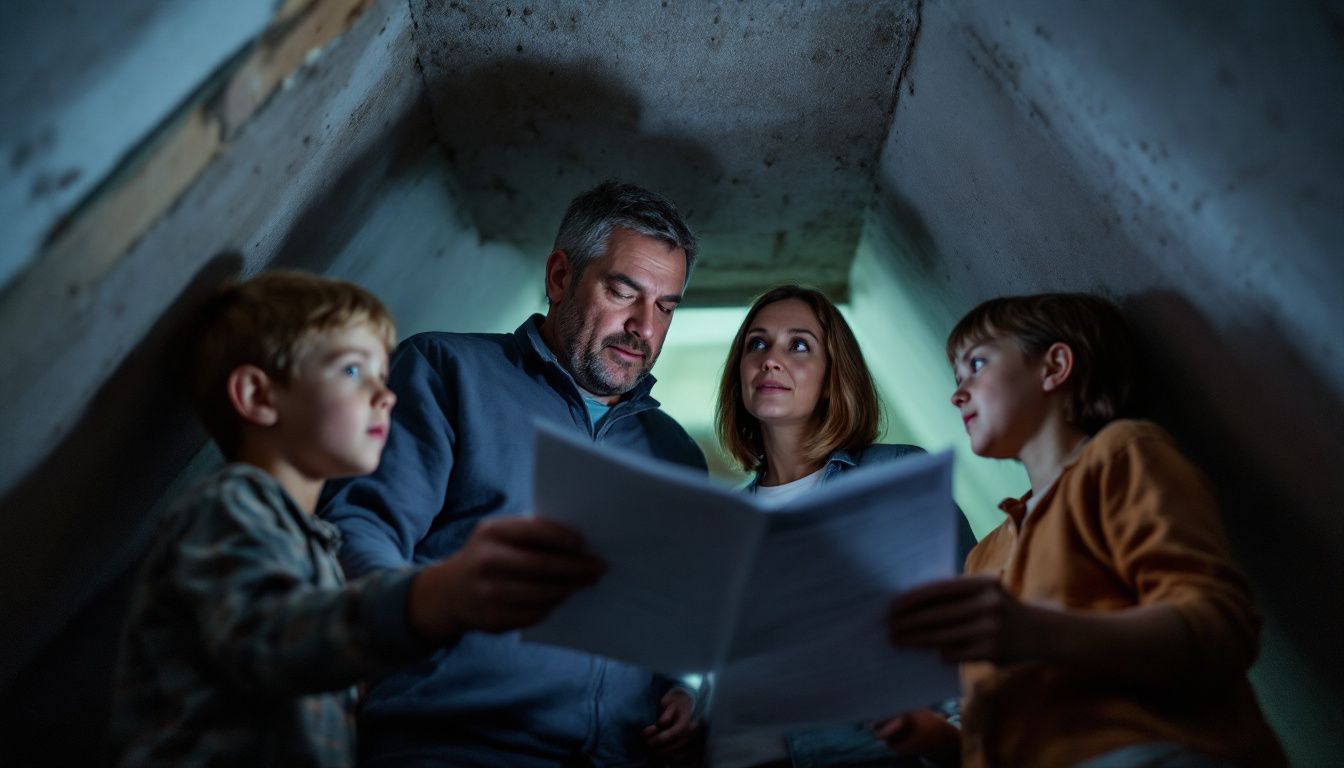
Why Home Buyer Asbestos Reporting in Portsmouth Matters Before You Exchange
Portsmouth’s housing stock tells a story in bricks and mortar — and in some cases, in asbestos. Terraced streets in Southsea, Victorian semis in Fratton, post-war estates across Paulsgrove: a significant proportion of the city’s properties were built during the decades when asbestos was used as a matter of course in construction.
If you’re buying a home here, home buyer asbestos reporting in Portsmouth isn’t a formality. It’s one of the most consequential steps you can take before exchanging contracts — and one that too many buyers overlook until it’s too late.
Asbestos-containing materials (ACMs) were used in everything from floor tiles and Artex ceilings to pipe lagging and roof soffits. In any property built before 2000, there’s a realistic chance some of those materials are still present. Knowing where they are, what condition they’re in, and what that means for your purchase gives you the information you need to proceed with confidence — or to renegotiate on solid ground.
What Is a Home Buyer Asbestos Survey?
A home buyer asbestos survey — sometimes called a pre-purchase asbestos survey — is an inspection carried out by a qualified surveyor before you complete a property purchase. It is entirely distinct from a standard RICS homebuyer report, which typically doesn’t include asbestos sampling or laboratory analysis.
The survey identifies suspected ACMs, assesses their condition, and provides a risk rating for each material found. You receive a written report detailing exactly what’s been found, where it is, and what action — if any — is recommended.
What the Survey Covers
- Visual inspection of all accessible areas throughout the property
- Identification of materials likely to contain asbestos based on age, appearance, and location
- Sampling of suspected materials for laboratory analysis where instructed
- A written report with photographs, risk ratings, and clear recommendations
- Guidance on whether materials require removal, encapsulation, or ongoing monitoring
Surveys are carried out in line with the HSE guidance document HSG264, which sets out the methodology for asbestos surveys across both domestic and non-domestic properties. This is the benchmark against which all reputable surveyors operate.
If you want to understand the science behind identifying ACMs, our asbestos testing service explains how sampling and laboratory analysis works in practice.
Why Portsmouth Properties Carry a Higher Risk
Portsmouth has one of the densest concentrations of pre-1980 housing in the south of England. The city’s naval heritage also means there’s a legacy of industrial-era construction methods across both residential and commercial stock — materials and techniques that were standard practice at the time but are now known to be hazardous.
Properties most likely to contain asbestos in Portsmouth include:
- Terraced houses built between 1930 and 1980 in areas such as Southsea, Milton, and North End
- Post-war prefabricated homes and council-built estates from the 1950s and 1960s
- Victorian and Edwardian properties that underwent mid-century renovations
- Converted flats and HMOs where original building fabric may have been disturbed
- Properties with garages, outbuildings, or extensions added before 2000
Asbestos wasn’t fully banned in the UK until 1999. That means any property built or significantly renovated before that date could contain ACMs. In Portsmouth, that covers a very large proportion of the housing market — and it’s why independent asbestos reporting is so valuable here.
Common Asbestos-Containing Materials Found in Portsmouth Homes
Understanding where asbestos is most commonly found in residential properties helps you ask the right questions during the purchase process. Surveyors working on Portsmouth properties regularly encounter ACMs in locations that many buyers wouldn’t think to consider.
The most frequently identified materials in pre-2000 homes include:
- Textured coatings — Artex and similar products applied to ceilings and walls were commonly manufactured with chrysotile asbestos fibres
- Floor tiles and adhesives — Vinyl floor tiles and the bitumen-based adhesives used to fix them frequently contain asbestos
- Insulation board — Used in fire doors, partition walls, ceiling tiles, and around boilers and heating systems
- Pipe lagging — Thermal insulation wrapped around pipes in airing cupboards, lofts, and under floors
- Roof materials — Corrugated asbestos cement sheets were widely used in garages, outbuildings, and extensions
- Soffit boards — Particularly on properties built between the 1960s and 1980s, external soffits were routinely manufactured from asbestos cement
- Boiler and heating system components — Rope seals, gaskets, and insulating panels around older heating equipment can contain asbestos
Many of these materials are not immediately visible or obvious. A qualified surveyor knows where to look — and that knowledge is exactly what you’re paying for.
How Asbestos Findings Affect Your Property Purchase
Finding asbestos in a survey doesn’t automatically mean the deal falls apart. ACMs in good condition, left undisturbed, can often be managed safely in place. But the discovery does change the conversation — and your negotiating position significantly.
Impact on Property Price
Buyers routinely use asbestos survey findings to renegotiate purchase prices. If the survey identifies materials that require professional removal, those costs need to factor into your offer.
Remediation costs vary depending on the type and extent of the material involved — from a few hundred pounds for a small area of textured coating to several thousand for pipe lagging, insulation board, or roofing materials. A detailed survey report gives you a factual, documented basis for any price negotiation — far more effective than guesswork or verbal assurances from the seller.
Impact on Mortgage and Insurance
Some lenders and insurers ask specifically about asbestos when processing applications. An unresolved asbestos issue — particularly one that’s been identified but not formally documented — can complicate mortgage approvals or result in exclusions in buildings insurance policies.
A formal survey report confirming the condition of any ACMs and outlining a management plan can resolve these concerns directly. Lenders and insurers respond well to documented evidence rather than uncertainty.
Impact on Future Renovation Plans
If you’re planning to renovate — knocking through walls, replacing floors, upgrading the roof — you need to know what you’re dealing with before work starts. Disturbing asbestos-containing materials without proper precautions is illegal under the Control of Asbestos Regulations and poses serious health risks.
A pre-purchase survey gives you the information you need to plan any works safely and budget accurately. It also protects contractors who will be working on the property — they have a right to know what they may encounter.
Legal Obligations for Sellers and What Buyers Should Know
Sellers have a legal duty not to misrepresent the condition of a property. Where a seller is aware of asbestos in the property, they are expected to disclose it. Concealing known defects — including the presence of hazardous materials — can expose sellers to legal action after completion.
The practical reality is that many sellers simply don’t know whether their property contains asbestos. That’s not necessarily bad faith — it’s often a genuine lack of information. But it does mean that as a buyer, you cannot rely on seller disclosure alone.
What Sellers Are Required to Disclose
- Any known asbestos-containing materials identified in previous surveys
- The results of any asbestos testing carried out on the property
- Any remediation work that has been carried out and by whom
- Copies of any existing asbestos management plans
If a seller has had a survey done, they should provide the report. If they haven’t, that’s a gap in information you’ll want to fill before exchange. Commissioning your own survey is the only way to obtain an independent, qualified assessment you can rely on.
Asbestos Management vs. Removal: Understanding Your Options
Not all asbestos needs to be removed. The HSE’s guidance is clear: ACMs in good condition and unlikely to be disturbed can often be safely managed in place. The right course of action depends on the type of material, its condition, its location, and your plans for the property.
When Removal Is the Right Choice
Removal makes sense when materials are deteriorating, when they’re in areas that will be disturbed during renovation, or when you want a clean start before moving in. It’s also the better long-term choice if you’re planning to sell the property again — future buyers and their solicitors will scrutinise any existing asbestos documentation carefully.
Removal must be carried out by a licensed contractor for higher-risk materials such as pipe lagging, sprayed coatings, and insulation board. For lower-risk materials, a contractor with appropriate training and insurance may be sufficient — your surveyor will advise on this. You can find out more about what’s involved through our asbestos removal service page.
When Encapsulation or Management Is Appropriate
Encapsulation involves sealing ACMs with a specialist coating to prevent fibre release. It’s a cost-effective option for materials in reasonable condition that don’t need to be disturbed. However, it’s not a permanent solution — encapsulated materials still require monitoring and periodic re-inspection.
A management plan sets out how ACMs will be monitored, who is responsible, and what triggers further action. For landlords and property managers, a formal asbestos management plan is a legal requirement under the Control of Asbestos Regulations for non-domestic premises.
Choosing the Right Asbestos Surveyor in Portsmouth
The quality of your asbestos survey is only as good as the surveyor carrying it out. In the UK, asbestos surveyors should hold the BOHS P402 qualification as a minimum, and the organisation carrying out the survey should be UKAS accredited. These aren’t optional extras — they’re the benchmark set by the HSE and required under the Control of Asbestos Regulations.
When selecting a surveyor for home buyer asbestos reporting in Portsmouth, look for:
- UKAS accreditation for asbestos surveying and sampling
- Surveyors holding BOHS P402 qualifications
- Experience with residential properties, not just commercial or industrial sites
- Clear written reports with photographs, risk ratings, and actionable recommendations
- Transparent pricing with no hidden laboratory fees
- Fast turnaround — critical when you’re working to a purchase timeline
Supernova Asbestos Surveys operates nationwide, covering Portsmouth and the surrounding areas. With over 50,000 surveys completed across the UK, our BOHS-qualified surveyors deliver detailed, accurate reports that give home buyers the information they need to make confident decisions.
What Happens After the Survey?
Once your surveyor has completed the inspection and any samples have been analysed by a UKAS-accredited laboratory, you’ll receive a written report — typically within a few working days. Speed matters when you’re working to a conveyancing timeline, and a good surveyor will be clear about turnaround times upfront.
The report will include:
- A summary of all suspected or confirmed ACMs found during the inspection
- Photographs of each material and its location within the property
- A risk assessment for each material based on type, condition, and accessibility
- Recommendations for action — removal, encapsulation, monitoring, or no action required
- A priority score to help you understand which materials require the most urgent attention
Armed with this report, you have several options. You can proceed with the purchase as planned, renegotiate the price to account for remediation costs, request that the seller arranges removal before completion, or — in rare cases where the findings are severe — withdraw from the purchase with a clear, documented rationale.
Our dedicated asbestos testing page outlines exactly how samples are collected, sent to the laboratory, and analysed — so you understand every step of the process.
Supernova Surveys Across the UK
While our focus here is Portsmouth, Supernova Asbestos Surveys operates across the entire country. Whether you’re purchasing in the capital and need an asbestos survey London buyers can rely on, or you’re looking at property in the north and require an asbestos survey Manchester team to inspect before exchange, we have qualified surveyors ready to respond quickly.
For buyers in the Midlands, our asbestos survey Birmingham service covers the full range of residential and commercial property types. Wherever you’re buying, the same standards apply — UKAS-accredited, BOHS-qualified, and delivered with the speed that conveyancing timelines demand.
Practical Steps for Portsmouth Home Buyers
If you’re in the process of buying a property in Portsmouth — or about to begin — here’s a straightforward sequence to follow:
- Check the build date. If the property was built or significantly renovated before 2000, commission an asbestos survey as part of your pre-purchase due diligence.
- Ask the seller for any existing documentation. Previous survey reports, management plans, or records of remediation work should be disclosed. If they can’t provide anything, that tells you something.
- Commission an independent survey. Don’t rely on a seller’s assurances or a general homebuyer report. A dedicated asbestos survey from a UKAS-accredited provider gives you independent, qualified findings you can act on.
- Review the report with your solicitor. Survey findings can affect your legal position, your mortgage application, and the terms of the sale. Your solicitor should be aware of any ACMs identified.
- Get remediation quotes if needed. If the survey identifies materials requiring removal or encapsulation, obtain quotes from licensed contractors before deciding whether to renegotiate or proceed.
- Factor findings into your offer. Use the documented evidence from your survey to support any price adjustment request. Sellers and their solicitors take formal survey reports seriously.
This process doesn’t need to delay your purchase significantly. A well-organised surveyor can typically complete a residential inspection and deliver a report within a few working days — well within the window most conveyancing transactions allow.
Frequently Asked Questions
Does a standard homebuyer survey cover asbestos?
No. A standard RICS homebuyer report does not include asbestos sampling or laboratory analysis. It may flag visible concerns but will not provide a risk-rated assessment of ACMs or confirm whether materials actually contain asbestos. A dedicated pre-purchase asbestos survey, carried out to HSG264 standards, is the only way to get that level of detail.
What should I do if asbestos is found in a Portsmouth property I want to buy?
Finding asbestos doesn’t mean you have to walk away. Review the survey report carefully — materials in good condition that won’t be disturbed can often be managed safely in place. If removal is recommended, get quotes from licensed contractors and use those figures to renegotiate the purchase price or request that the seller arranges remediation before completion.
Is the seller legally required to disclose asbestos in a property?
Sellers are legally required not to misrepresent the condition of a property. If they are aware of asbestos, they are expected to disclose it. However, many sellers genuinely don’t know whether their property contains ACMs — particularly in older homes where no survey has ever been carried out. This is why commissioning your own independent survey is essential rather than relying on seller disclosure alone.
How long does a home buyer asbestos survey take?
For a typical residential property, the physical inspection usually takes between one and three hours depending on the size and accessibility of the building. Laboratory analysis of any samples collected typically takes two to five working days. Most reputable surveyors can deliver a completed report within a few working days of the inspection — fast enough to fit within most conveyancing timelines.
Do I need a licensed contractor to remove asbestos from a residential property?
It depends on the type of material. Higher-risk ACMs — including pipe lagging, sprayed coatings, and asbestos insulation board — must be removed by a contractor licensed by the HSE under the Control of Asbestos Regulations. Lower-risk materials such as asbestos cement or floor tiles may be handled by a non-licensed but trained and insured contractor. Your survey report will specify which category applies to each material found.
Get Your Pre-Purchase Asbestos Survey Booked Today
Supernova Asbestos Surveys has completed over 50,000 surveys across the UK, working with home buyers, landlords, and property professionals who need accurate, fast, and reliable asbestos assessments. Our BOHS-qualified surveyors cover Portsmouth and the wider Hampshire area, delivering reports that give you the clarity to make confident decisions before exchange.
Don’t leave one of the biggest financial decisions of your life to chance. Call us on 020 4586 0680 to speak with a member of our team, or visit asbestos-surveys.org.uk to book your home buyer asbestos survey online.