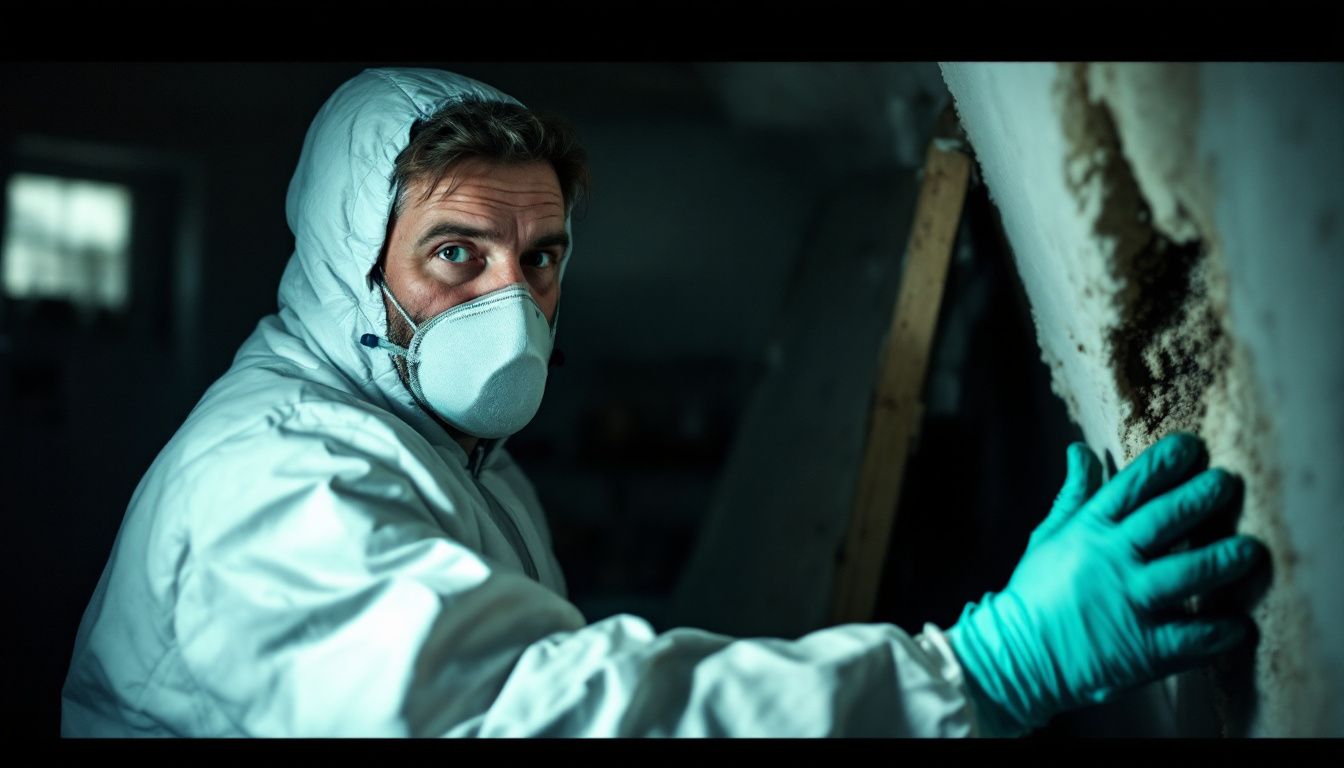
Why Landfilling Asbestos Is No Longer the Only Answer
For decades, the default response to asbestos waste in the UK has been straightforward: bag it, label it, and bury it. Landfill has served as the catch-all solution for thousands of tonnes of hazardous material removed from homes, schools, and commercial buildings every year.
But that approach is under serious pressure — from shrinking landfill capacity, rising disposal costs, and a growing body of research pointing to genuinely better alternatives. Advanced asbestos disposal technologies beyond landfilling are now moving from experimental stages into real-world application, and for anyone involved in property management or asbestos removal, understanding what those technologies look like is increasingly relevant.
The Problem With Traditional Asbestos Landfilling
Landfill has never been a perfect solution for asbestos waste. The fibres do not break down — chrysotile, amosite, crocidolite — none of these materials degrade in any meaningful timeframe when buried. They simply sit there, contained in theory by engineered barriers, waiting.
The risks emerge when those barriers fail. Leachate migration, cap erosion, and the disturbance of old sites during development have all raised legitimate questions about the long-term integrity of asbestos landfill cells. The number of licensed sites in the UK willing to accept asbestos waste continues to shrink, while the volume of material arising from refurbishment and demolition projects remains substantial.
There are also significant cost pressures. Landfill tax, transport costs, and the administrative burden of compliant disposal make the traditional route increasingly expensive. For large-scale projects — housing regeneration schemes, school rebuilding programmes, or major commercial refurbishments — those costs accumulate quickly and cannot be ignored.
Thermal Destruction: Turning Asbestos Into Inert Material
One of the most promising advanced asbestos disposal technologies beyond landfilling is thermal treatment. The principle is straightforward: heat asbestos to temperatures high enough to destroy its fibrous crystalline structure, converting it into a glassy, non-hazardous material with no detectable fibres.
How High-Temperature Vitrification Works
Vitrification involves heating asbestos waste — typically mixed with other materials — to temperatures above 1,000°C. At these temperatures, the silicate structure of asbestos fibres breaks down entirely. What comes out the other side is a dense, glass-like slag with no detectable asbestos fibres and no measurable toxicity under standard testing protocols.
This slag can, in some applications, be reused as aggregate or construction fill — a genuinely circular outcome for a material that has historically had no recovery pathway whatsoever. Pilot projects across Europe have demonstrated the technical viability of this approach, and interest from UK waste processors is growing steadily.
Plasma Arc Technology
Plasma arc treatment takes the thermal approach considerably further. Using an electrical arc to generate plasma at temperatures that can exceed 5,000°C, this technology can process mixed hazardous waste streams including asbestos-containing materials. The extreme heat ensures complete mineralogical transformation — there is simply nothing left of the original fibre structure.
The energy demands are significant, and the capital cost of plasma arc facilities is high. But for large-scale asbestos waste processing — particularly where mixed hazardous waste streams are involved — the economics can make sense, especially as landfill costs continue to rise and environmental liability concerns intensify.
Chemical and Mechanochemical Treatment
Thermal technologies require substantial infrastructure and energy input. Chemical and mechanochemical approaches offer alternatives that can, in some cases, be applied closer to the source of waste generation — a meaningful practical advantage.
Acid and Alkaline Dissolution
Research has demonstrated that certain asbestos types — particularly chrysotile — can be broken down using strong acid solutions. The magnesium-silicate structure of chrysotile is vulnerable to acid attack, and under controlled conditions, the fibrous structure can be dissolved, leaving behind silica gel and soluble magnesium salts rather than hazardous fibres.
Amphibole asbestos types — amosite and crocidolite — are more resistant to acid treatment, but alkaline dissolution has shown some promise for these materials. The challenge in both cases is scaling up from laboratory conditions to industrial processing, managing the chemical waste streams produced, and ensuring complete fibre destruction rather than fragmentation.
Mechanochemical Processing
Mechanochemical treatment uses high-energy milling to physically and chemically alter asbestos fibres. Grinding asbestos in the presence of specific reagents can break down the crystalline structure, with the right combination of mechanical energy and chemical environment producing non-fibrous, non-hazardous end products.
This approach has attracted serious research attention because it operates at ambient temperatures, avoiding the substantial energy demands of thermal treatment. Several European research groups have published encouraging results, and the technology is edging closer to commercial application — making it one of the more realistic near-term alternatives to landfill for certain waste streams.
Biological and Emerging Approaches
At the more experimental end of the spectrum, researchers are investigating whether biological processes can play a role in asbestos remediation. Certain fungi and bacteria have demonstrated the ability to alter mineral surfaces, and some studies have explored whether microbial activity could contribute to asbestos fibre transformation over time.
This work remains firmly in the research phase. The timescales involved in biological processes, the difficulty of controlling microbial activity in heterogeneous waste streams, and the challenge of verifying complete fibre destruction all present significant hurdles. But the direction of travel is genuinely interesting, and it reflects a broader shift in thinking about what advanced asbestos disposal technologies beyond landfilling could look like over the next generation.
What These Technologies Mean for UK Property Owners Right Now
It is worth being clear about where things actually stand. The majority of asbestos waste arising from UK building projects today still goes to licensed landfill. The advanced technologies described above are real and advancing, but they are not yet available at scale across the UK as a straightforward alternative to conventional disposal.
What this means practically is that the most important steps for any property owner or manager remain unchanged:
- Identify what asbestos-containing materials are present in your building
- Assess their condition and risk level accurately
- Manage materials in place where they are in good condition and low risk
- Use licensed contractors for any removal or disturbance work
- Ask your contractor about disposal routes — it is a legitimate question
The disposal route used by your licensed contractor is a reasonable question to raise. As alternatives to landfill become more commercially accessible, specifying a preference for treatment-based disposal will become an increasingly meaningful choice for clients who want to minimise long-term environmental liability.
If you are managing a property in a major urban centre, professional survey services are the essential starting point. Whether you need an asbestos survey in London, an asbestos survey in Manchester, or an asbestos survey in Birmingham, having an accurate picture of what asbestos-containing materials are present — their type, location, and condition — is the prerequisite for any decision about management or removal.
The Regulatory Context: What UK Law Currently Requires
The Control of Asbestos Regulations set out the legal framework for managing asbestos in non-domestic premises. The duty to manage extends to anyone with responsibility for the maintenance or repair of a building, and HSE guidance — including HSG264 — provides detailed technical direction on survey types, sampling, and risk assessment.
Current regulations do not mandate specific disposal technologies. Licensed landfill remains a compliant route provided the waste is correctly packaged, labelled, and consigned to a site holding the appropriate environmental permit to accept hazardous waste. However, the regulatory direction of travel — both in the UK and across the EU — is towards tighter controls on hazardous waste disposal and greater emphasis on treatment technologies that neutralise rather than merely contain hazardous materials.
Building owners and facilities managers planning significant refurbishment programmes would be well served by understanding how the disposal landscape is likely to evolve. Engaging now with licensed contractors who are aware of emerging treatment technologies is a practical step, not a premature one.
Sustainable Replacement Materials in New Construction
Advanced disposal technologies address the legacy problem — what to do with asbestos that already exists in buildings. But the broader picture of sustainable construction also involves ensuring that replacement materials are genuinely better, not simply different.
The materials that have replaced asbestos in UK construction — mineral wool, cellulose fibre insulation, fibreglass, and others — have strong performance credentials and well-understood environmental profiles. Mineral wool provides excellent thermal and acoustic performance, is fire resistant, and can be manufactured from recycled content. Cellulose fibre insulation, made largely from recycled paper, carries a low embodied carbon footprint and performs well in service.
These materials do not carry the catastrophic health legacy of asbestos. They can be disposed of through conventional waste streams at end of life. And unlike asbestos, they do not present an ongoing liability that compounds over decades — a distinction that matters enormously when you are thinking about whole-life building costs and long-term estate management.
The Bigger Picture: Asbestos, Housing, and Long-Term Liability
The UK has a substantial stock of pre-2000 buildings containing asbestos-containing materials. Many of those materials are in good condition and are best managed in place — undisturbed, monitored, and properly recorded in an asbestos register. But as buildings age, refurbishment programmes accelerate, and the housing stock turns over, the volume of asbestos waste requiring disposal will remain significant for many years to come.
Advanced asbestos disposal technologies beyond landfilling represent a genuinely important development in how that waste can be handled. They offer the prospect of true hazard neutralisation rather than containment, reduced long-term environmental liability, and in some cases, material recovery from what has historically been a pure waste stream with no secondary value.
The transition from landfill dominance to a more diversified, technology-led disposal landscape will not happen overnight. Infrastructure investment, regulatory development, and commercial scale-up all take time. But the direction is clear, and for anyone with a professional or commercial interest in asbestos management, staying informed about these developments is a practical necessity rather than an optional extra.
The key takeaways for property owners and managers are straightforward:
- Understand what asbestos-containing materials exist in your buildings through a professional survey
- Keep accurate records and review them regularly, particularly before any planned works
- Use only licensed contractors for removal — and ask about their disposal arrangements
- Stay informed about regulatory changes affecting hazardous waste disposal
- Factor emerging disposal technologies into long-term estate planning conversations
The asbestos problem in UK housing is not going away quickly. But the tools available to manage it — both in terms of identification and disposal — are improving, and making informed decisions starts with getting the basics right.
Frequently Asked Questions
What are the main advanced asbestos disposal technologies beyond landfilling?
The principal alternatives currently under development or in limited commercial use include high-temperature vitrification, plasma arc treatment, chemical dissolution using acid or alkaline processes, and mechanochemical milling. Each works by destroying the fibrous crystalline structure of asbestos rather than simply containing it. Vitrification and plasma arc produce an inert glassy slag; chemical and mechanochemical methods break down the mineral structure at lower temperatures. None of these is yet available at scale across the UK as a standard alternative to landfill, but all are advancing towards commercial application.
Is asbestos landfill still legal in the UK?
Yes. Licensed landfill disposal remains a legal and compliant route for asbestos waste in the UK, provided the waste is correctly packaged, labelled, and consigned to a site with the appropriate environmental permit to accept hazardous waste. The Control of Asbestos Regulations and associated HSE guidance set out the requirements for licensed removal and waste handling. Landfill remains the dominant disposal route, but regulatory and environmental pressures are driving growing interest in treatment-based alternatives.
Do I need to specify the disposal technology when commissioning asbestos removal?
Current UK regulations do not require you to specify a particular disposal technology — licensed landfill is compliant. However, you are entirely entitled to ask your licensed contractor how they intend to dispose of the waste arising from your project. As treatment-based alternatives become more commercially available, clients who want to minimise environmental liability or demonstrate sustainability commitments may reasonably prefer contractors who can offer non-landfill disposal options.
Does the type of asbestos affect which disposal technology can be used?
Yes, to an extent. Chrysotile (white asbestos) is more amenable to acid dissolution than the amphibole types — amosite and crocidolite — which are more chemically resistant. Thermal technologies such as vitrification and plasma arc treatment are effective across all asbestos types because the extreme temperatures destroy the fibre structure regardless of mineral composition. Mechanochemical approaches also show broad applicability, though research is ongoing. Your surveyor or licensed contractor can advise on which disposal routes are appropriate for the specific materials identified in your building.
What should I do if I suspect asbestos is present in my property?
Do not disturb the material. Commission a professional asbestos survey from a licensed surveyor to identify, locate, and assess the condition of any asbestos-containing materials. The survey report will inform your management plan and any decisions about removal or encapsulation. Only licensed contractors should undertake removal of licensable asbestos materials, and all waste must be handled and disposed of in accordance with the Control of Asbestos Regulations and relevant environmental permit conditions.
Speak to Supernova Asbestos Surveys
Supernova Asbestos Surveys has completed over 50,000 surveys nationwide, working with property owners, facilities managers, housing associations, and commercial clients across the UK. Whether you need an initial management survey, a refurbishment and demolition survey ahead of planned works, or specialist advice on asbestos removal and disposal, our team is ready to help.
Call us on 020 4586 0680 or visit asbestos-surveys.org.uk to find out how we can support your asbestos management obligations — and help you plan for a disposal landscape that is changing fast.