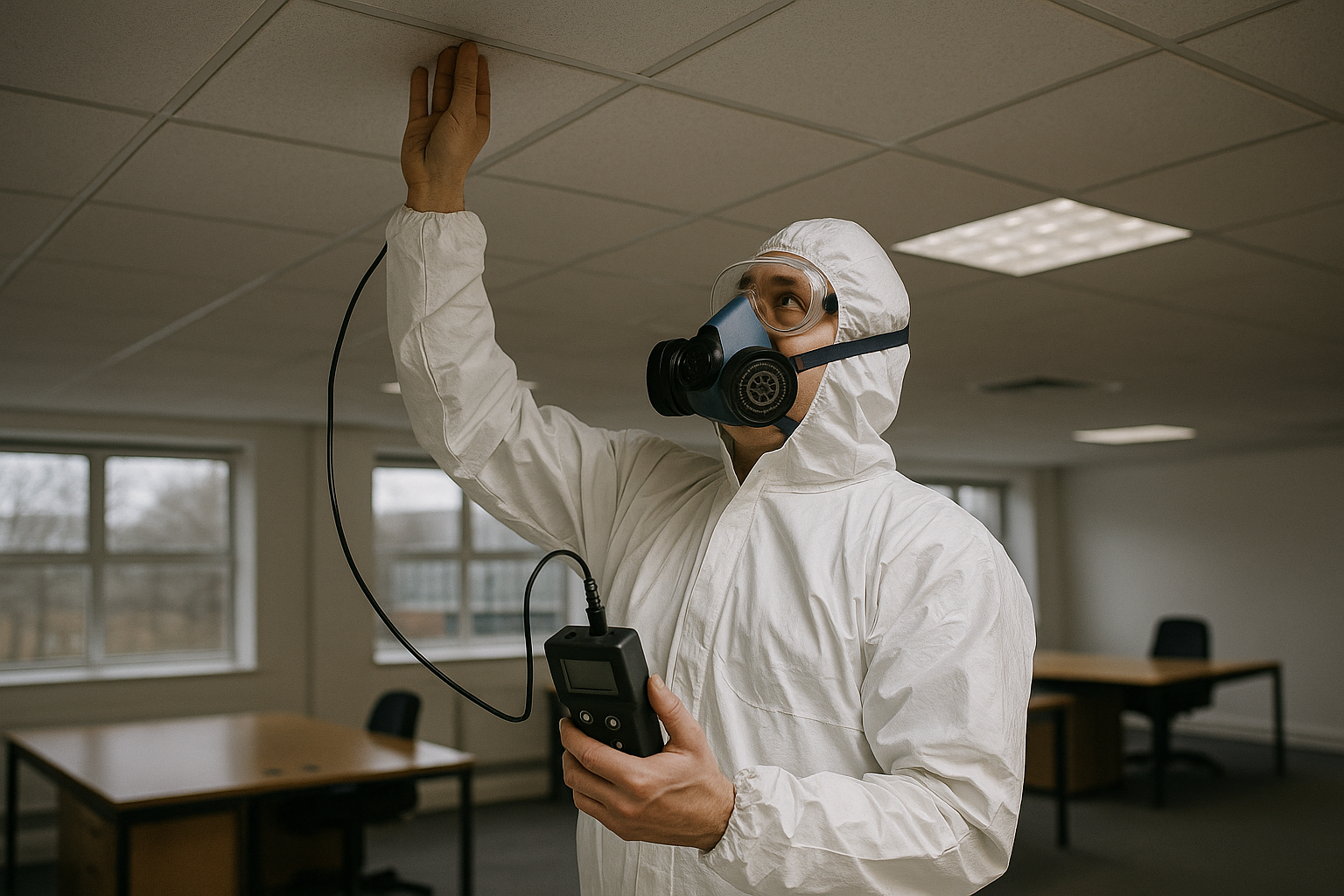
One careless drill hole can turn a routine job into a contamination incident, a site shutdown and a stack of awkward questions from contractors, tenants or insurers. Asbestos abatement is how that risk is controlled properly, whether the right answer is management in place, encapsulation, enclosure or safe removal before work begins.
For property managers, landlords, facilities teams and contractors, the real issue is rarely asbestos itself. It is making the right call early, based on a suitable survey, a sound risk assessment and competent advice that aligns with the Control of Asbestos Regulations, HSG264 and current HSE guidance.
What asbestos abatement actually means
Asbestos abatement is a broad term. It does not simply mean stripping asbestos out of a building.
It covers the measures used to prevent fibre release and protect people from exposure. The correct approach depends on the material, its condition, where it is located and whether planned work could disturb it.
In practice, asbestos abatement may involve:
- Removal where asbestos-containing materials are damaged, deteriorating or in the way of planned works
- Encapsulation where a suitable sealant or coating can protect stable material
- Enclosure where the material can be isolated behind a durable barrier
- Management in situ where the material is in good condition and unlikely to be disturbed
That is why asbestos abatement should never be treated as a one-size-fits-all service. The right option comes from evidence, not guesswork.
Why asbestos abatement matters in UK properties
Asbestos was widely used in UK buildings because it was durable, heat resistant and affordable. It can still be found in many premises built or refurbished before 2000, including offices, schools, warehouses, shops, flats and industrial units.
Common asbestos-containing materials include:
- Insulation board
- Pipe lagging
- Sprayed coatings
- Textured coatings
- Floor tiles and adhesives
- Cement sheets and roof panels
- Soffits, panels and service riser materials
When these materials remain in good condition and are left undisturbed, the immediate risk may be low. Problems start when someone drills, cuts, sands, breaks or removes them without the right controls.
That is where asbestos abatement becomes essential. The aim is simple: stop fibres becoming airborne and prevent exposure during occupation, maintenance, refurbishment or demolition.
DIY vs professional asbestos abatement: making the right choice
The idea of dealing with a small asbestos issue yourself can seem tempting, especially when budgets are tight or the job looks minor. In practice, DIY asbestos abatement is where expensive mistakes happen.
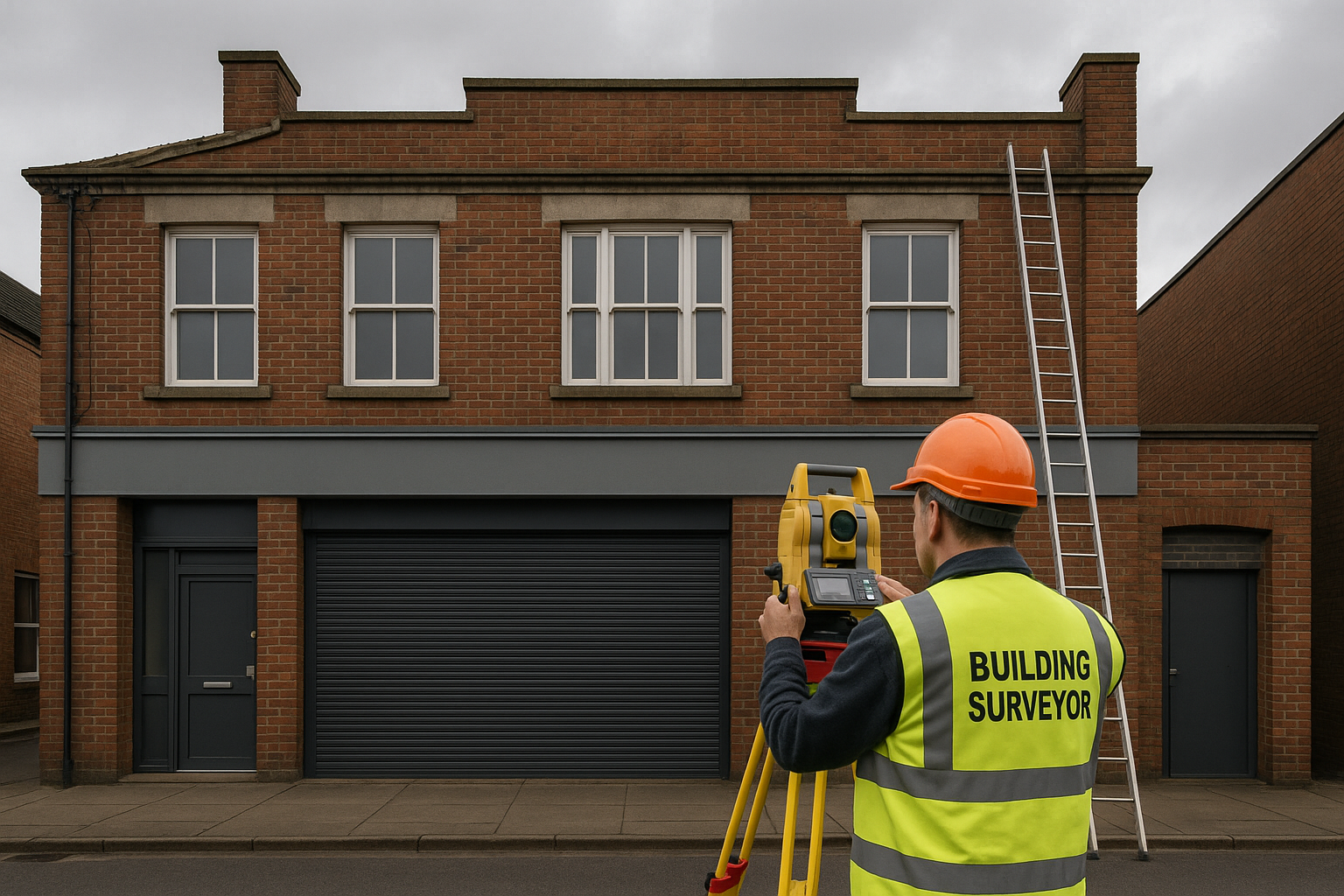
Even lower-risk materials can become dangerous if they are handled badly. Without the right survey information, training, equipment and waste arrangements, it is very easy to turn a manageable issue into contamination across a wider area.
Why DIY asbestos abatement is risky
People usually underestimate asbestos in one of two ways. They either assume a material is harmless because it looks solid, or they assume quick removal will solve the problem.
Both approaches are unsafe. You cannot judge asbestos risk reliably by sight alone, and disturbing a material without proper controls can release fibres immediately.
DIY asbestos abatement often fails because of:
- Misidentifying materials
- Starting work without a survey or sampling
- Using unsuitable tools that create dust
- Having no containment in place
- Wearing incorrect or ineffective protective equipment
- Trying to clean with standard vacuum cleaners or dry sweeping
- Disposing of waste incorrectly
For dutyholders and property managers, there is another problem. If maintenance staff or contractors disturb asbestos because the right checks were not made, the legal and operational consequences can be serious.
When professional asbestos abatement is the only sensible option
Professional support is essential where materials are damaged, friable, difficult to access or likely to be disturbed by planned works. It is also the right choice where you need a documented process that stands up to scrutiny.
In practical terms, professional asbestos abatement gives you:
- Accurate identification of asbestos-containing materials
- A clear decision on whether to manage, encapsulate, enclose or remove
- Suitable risk assessments and method statements
- Correct classification of the work
- Proper site controls and decontamination procedures
- Independent clearance where required
- Legally compliant hazardous waste handling
- A full paper trail for your records
If you are responsible for occupied premises, professional asbestos abatement is not just the safer route. It is the route that helps avoid disruption, delays and preventable compliance failures.
What should happen before asbestos abatement starts
Good asbestos abatement starts long before anyone puts on protective clothing or sets up an enclosure. The first step is understanding exactly what is present, where it is, what condition it is in and whether planned work could disturb it.
Start with the right survey
If the building is occupied and you need to locate asbestos that could be disturbed during normal use or routine maintenance, a management survey is usually the right starting point.
If intrusive work is planned, the survey needs to match the scope of that work. Before upgrades, strip-out or alterations, a refurbishment survey is normally required to identify asbestos in the affected area.
Where a structure is due to be taken down, a demolition survey is essential before demolition or major dismantling begins.
Surveying should be carried out by competent professionals, and samples should be analysed by a UKAS-accredited laboratory. If there is reasonable doubt and no confirmation yet, the safe approach is to presume the material contains asbestos until proven otherwise.
Review the risk before choosing the method
Once the survey information is available, the next step is deciding what form of asbestos abatement is appropriate. That decision should take account of:
- The type of asbestos-containing material
- Its condition and any surface damage
- How likely it is to be disturbed
- Whether the building is occupied
- The planned scope of maintenance or construction work
- Access constraints and contamination risks
This is where experienced advice saves time. Removing asbestos that could safely be managed may create unnecessary cost and disruption, while leaving damaged or vulnerable material in place can create a larger problem later.
How professional asbestos abatement works on site
Safe asbestos abatement follows a clear sequence. If stages are skipped, rushed or improvised, the risk rises quickly.
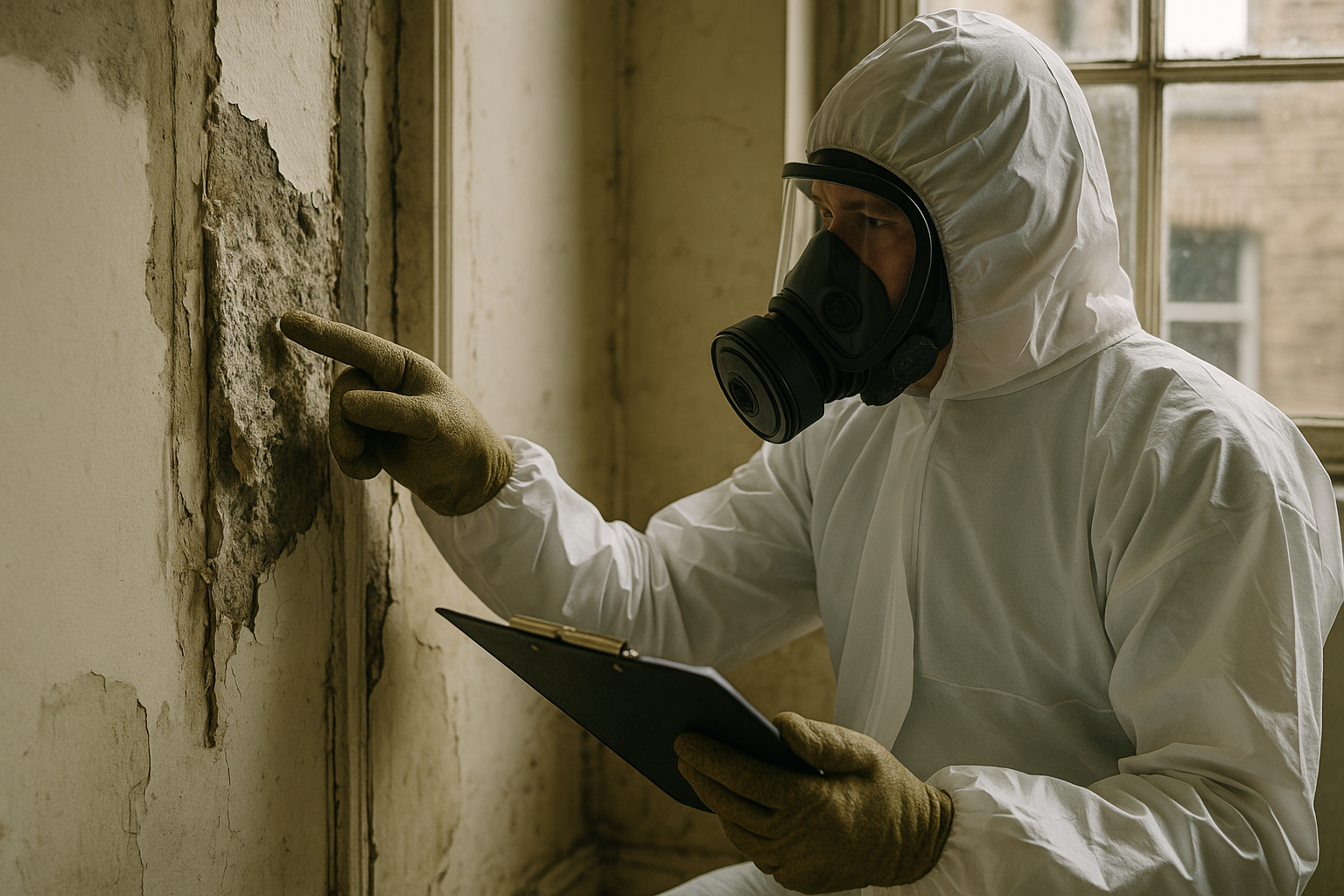
1. Identification and planning
The contractor reviews the survey findings and site conditions, then prepares a written risk assessment and method statement. These documents should explain the hazards, control measures, work sequence, emergency arrangements, decontamination process and waste handling procedures.
Before work starts, ask practical questions:
- Is the work licensable, notifiable non-licensed or non-licensed?
- Will the area need to be vacated?
- How will access be restricted?
- What equipment and containment will be used?
- How long will the work take?
- What records will be issued when the job is complete?
2. Notification and licensing
Some asbestos abatement work must be carried out by a licensed contractor and notified to the relevant enforcing authority. This often applies to higher-risk materials such as pipe insulation, sprayed coatings and certain insulation board tasks, depending on the condition of the material and the nature of the work.
Other tasks may fall into notifiable non-licensed work or non-licensed work. That does not mean the work is casual or suitable for untrained people. Suitable controls, competent workers and correct waste disposal still apply.
3. Site set-up and containment
Before removal or treatment begins, the work area must be prepared to prevent fibre spread. Depending on the task, this may include:
- Sealed enclosures
- Negative pressure units
- Warning signage
- Restricted access points
- Decontamination facilities
- Controlled transit routes for waste
For lower-risk work, the exact controls may differ, but the principle is the same. Keep the work contained and stop contamination spreading into clean or occupied areas.
4. Removal or treatment
During asbestos abatement, materials should be handled in a way that minimises breakage and fibre release. Standard good practice may include wetting techniques, controlled dismantling, shadow vacuuming and immediate bagging or wrapping.
Workers need suitable respiratory protective equipment and disposable protective clothing. Waste must be labelled correctly, secured properly and kept under control until it is removed from site by an authorised carrier.
5. Cleaning and clearance
When the asbestos abatement work is finished, the area must be cleaned using specialist equipment with appropriate filtration. For licensed work, independent clearance procedures are carried out before the area is handed back.
Clearance is not a formality. It is the evidence that the work area has been cleaned properly and is suitable for reoccupation, subject to the scope of works completed.
6. Waste disposal and records
Asbestos waste is hazardous waste and must be handled accordingly. It should be transported by an authorised carrier to a permitted facility, with the required records retained.
Keep the following documents together:
- Survey report
- Risk assessment and method statement
- Training and licence details where relevant
- Waste consignment documentation
- Clearance certification where applicable
- Updated asbestos register or management records
If you manage several sites, create a compliance file for each property. That makes future maintenance, audits and contractor visits much easier to control.
When asbestos abatement means removal and when it does not
One of the biggest misunderstandings is assuming asbestos abatement always means removal. In many cases, management in place is the safer and more proportionate option.
Removal is often appropriate where:
- The material is damaged or deteriorating
- It is likely to be disturbed by planned works
- It cannot be reliably protected in place
- Its condition is worsening over time
Management in place may be suitable where:
- The material is in good condition
- It is sealed or protected
- It is unlikely to be disturbed
- There is a clear inspection and management plan
Encapsulation or enclosure may sit between those two options. They can be effective where the material is stable but needs additional protection.
Where removal is required, using a specialist contractor for asbestos removal helps ensure the work is planned and completed correctly.
Who is most at risk from poor asbestos abatement decisions
Exposure is not limited to specialist asbestos workers. Many incidents involve tradespeople and maintenance staff who disturb materials unexpectedly during everyday tasks.
Higher-risk occupations often include:
- Electricians drilling into walls, ceilings and risers
- Plumbers working around lagging and service ducts
- Joiners cutting boards, panels and ceiling materials
- Heating and ventilation engineers accessing plant rooms
- Decorators scraping textured coatings or preparing old surfaces
- Demolition and strip-out teams opening up hidden areas
- Caretakers and maintenance staff carrying out routine repairs
The risk is not confined to major projects. A small repair can be just as serious if no one checks the asbestos register first.
Health risks linked to asbestos exposure
Asbestos fibres are dangerous when inhaled. Exposure can lead to serious diseases including mesothelioma, asbestosis, asbestos-related lung cancer and pleural thickening.
These conditions usually develop many years after exposure. That delay is one reason poor asbestos abatement decisions can be so damaging.
For anyone managing property, the practical message is straightforward:
- Do not assume a material is safe because it looks intact
- Do not let contractors start intrusive work without the right survey information
- Do not treat asbestos records as paperwork to be filed and forgotten
Good asbestos abatement protects more than compliance. It protects the people who use, maintain and alter the building.
Practical steps for property managers and dutyholders
If you are responsible for a building, asbestos abatement decisions need to be built into your day-to-day management process. Waiting until a contractor uncovers a suspect panel or damaged lagging is how delays and emergency costs start.
A sensible approach includes:
- Know your building stock. Identify which premises are more likely to contain asbestos and prioritise them for review.
- Keep surveys current and accessible. Survey reports and asbestos registers should be easy for staff and contractors to obtain before work starts.
- Match the survey to the job. Routine occupation, refurbishment and demolition all require different levels of information.
- Brief contractors properly. Do not assume they will ask the right questions. Provide asbestos information as part of job planning.
- Act early on damaged materials. Small defects can become larger contamination problems if ignored.
- Record every decision. If you choose management in place, document why that option is suitable and how it will be monitored.
These steps are not complicated, but they do require consistency. The buildings that run into trouble are often the ones with fragmented records, unclear responsibilities and rushed maintenance decisions.
Common mistakes that make asbestos abatement harder
Most asbestos incidents are not caused by unusual situations. They happen because ordinary controls were missed.
Common mistakes include:
- Relying on old survey information that does not match current works
- Assuming a contractor can identify asbestos by eye
- Starting strip-out before intrusive areas have been surveyed
- Failing to isolate the work area
- Allowing occupants to remain too close to uncontrolled works
- Using general waste routes for asbestos waste movement
- Not updating the asbestos register after work is completed
If you want asbestos abatement to run smoothly, the best habit is to challenge assumptions early. Ask what has been identified, what could be disturbed and what controls will be in place before anyone starts work.
Asbestos abatement in occupied buildings
Occupied premises need especially careful planning. Offices, schools, retail units, healthcare settings and residential blocks often require asbestos abatement to be phased around normal use.
That does not mean work should be squeezed into unsuitable conditions. It means planning must be realistic about access, segregation, communication and handover.
In occupied buildings, good practice usually includes:
- Scheduling work to reduce contact with occupants
- Clearly separating work zones from live areas
- Using signage and access controls that people actually understand
- Briefing building users on what is happening and why
- Confirming reoccupation arrangements only after suitable clearance
If tenants or staff are likely to be concerned, communicate early and stick to facts. Clear information prevents rumours and helps maintain confidence in the process.
Regional support for asbestos abatement projects
Multi-site property portfolios often need the same level of control in different locations. Consistency matters, whether you are managing a single office fit-out or a programme of works across several regions.
If your property is in the capital, arranging an asbestos survey London service before maintenance or refurbishment helps establish the right starting point.
For sites in the North West, an asbestos survey Manchester can support planned works, compliance reviews and contractor management.
If you are overseeing premises in the Midlands, an asbestos survey Birmingham service can help you identify risks before they affect programme, budget or safety.
How to decide the right next step
If you suspect asbestos may be present, do not start by asking whether it should be removed. Start by asking what information you actually have.
A simple decision process looks like this:
- Check whether there is an existing asbestos survey or register.
- Confirm whether it is suitable for the planned activity.
- Inspect whether the suspected material is damaged or likely to be disturbed.
- Get competent advice on whether management, encapsulation, enclosure or removal is appropriate.
- Make sure the work category, controls, waste arrangements and records are all clear before work begins.
This approach keeps asbestos abatement proportionate. It also helps avoid the two extremes that cause most problems: doing too little, or rushing into unnecessary removal.
Frequently Asked Questions
Is asbestos abatement the same as asbestos removal?
No. Asbestos abatement is a wider term that includes removal, but it also covers management in place, encapsulation and enclosure. The right option depends on the material, its condition and whether it will be disturbed.
Can I carry out asbestos abatement myself?
DIY asbestos abatement is rarely a sensible choice. Even where work is not licensable, it still requires proper identification, suitable controls, correct protective equipment and lawful waste disposal. If there is any doubt, get professional advice before touching the material.
What survey do I need before asbestos abatement?
That depends on the work. A management survey is typically used for normal occupation and routine maintenance. Refurbishment and demolition works need more intrusive surveys that match the planned scope.
Does all asbestos need to be removed from a building?
No. If asbestos-containing materials are in good condition, protected and unlikely to be disturbed, management in situ may be the right option. Removal is usually considered where materials are damaged, deteriorating or affected by planned works.
What should I do if a contractor accidentally disturbs suspected asbestos?
Stop work immediately, keep people out of the area and prevent further disturbance. Do not try to clean up with normal methods. Arrange competent assessment so the material can be identified and the area dealt with safely.
Need clear advice on asbestos abatement, the right survey, or whether materials should be managed or removed? Supernova Asbestos Surveys provides nationwide support for surveys, sampling, compliance advice and project planning. Call 020 4586 0680 or visit asbestos-surveys.org.uk to book the right service for your property.