What Asbestos Abatement Actually Means — and Why Getting It Wrong Is Costly
Disturb asbestos the wrong way and a routine maintenance job can escalate into a serious health incident, a regulatory investigation, and an unplanned building closure. Asbestos abatement is not simply a matter of pulling material out of a building — it is a structured process of identifying risk, choosing the right control measures, and preventing fibres from reaching workers, occupants, or neighbouring spaces.
For property managers, landlords, contractors, and dutyholders, the core challenge is knowing when asbestos can be managed in place and when action is genuinely required. UK law is clear: risks must be assessed and controlled, and any work must comply with the Control of Asbestos Regulations, HSE guidance, and the survey standards set out in HSG264.
Defining Asbestos Abatement in the UK Context
Asbestos abatement is the controlled process of reducing or eliminating the risk posed by asbestos-containing materials (ACMs). That can involve encapsulation, enclosure, repair, ongoing management, or full removal — depending on the condition of the material and the nature of planned works.
Many people use the term as shorthand for removal. In practice, it is considerably broader than that. If asbestos is in good condition and unlikely to be disturbed, leaving it in place and managing it properly is often the safest and most proportionate response.
Asbestos abatement can include:
- Identifying suspected asbestos-containing materials
- Sampling and laboratory analysis
- Asbestos surveys for management, refurbishment, or demolition purposes
- Sealing or encapsulating damaged surfaces
- Enclosing asbestos so it cannot be disturbed
- Removing higher-risk materials under controlled conditions
- Air monitoring and clearance procedures
- Packaging, transport, and disposal as hazardous waste
The right approach depends on the material, its condition, its location, and whether planned works are likely to disturb it.
Where Asbestos Is Commonly Found in UK Buildings
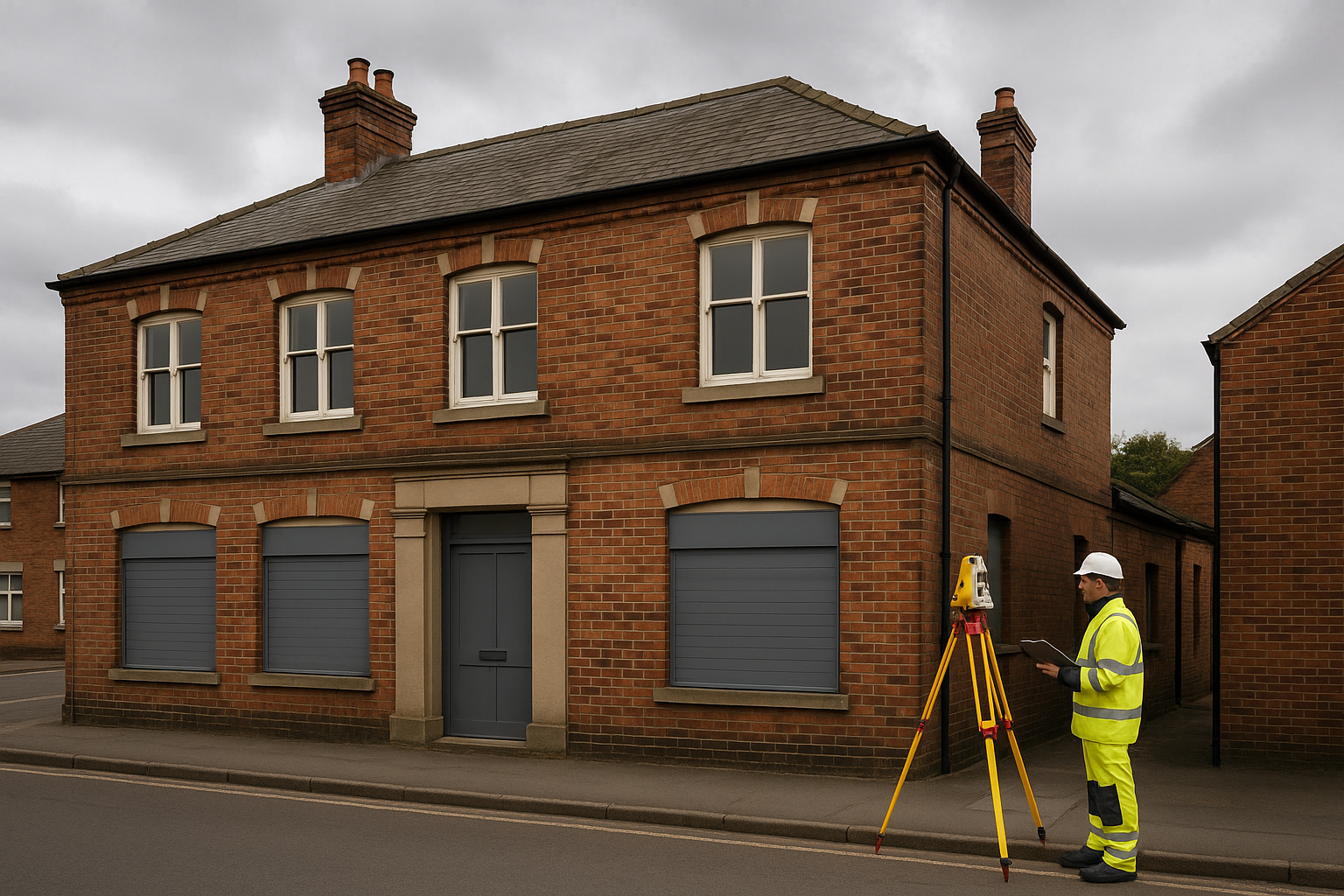
Asbestos was used in an enormous range of building products, particularly in domestic, commercial, industrial, and public sector properties built or refurbished before the year 2000. It appears in obvious places such as pipe lagging, but also in finishes, coatings, boards, and service infrastructure that is easy to overlook.
Common locations include:
- Pipe lagging and thermal insulation
- Asbestos insulating board in partitions, soffits, risers, and ceiling voids
- Textured coatings on ceilings and walls
- Floor tiles and bitumen adhesives
- Cement roof sheets, gutters, downpipes, and wall panels
- Boiler insulation and plant room materials
- Sprayed coatings on structural steel or ceilings
- Toilet cisterns, bath panels, and service ducts
- Fire doors, panels, and rope seals
You cannot confirm asbestos by sight alone. Some materials are more strongly associated with asbestos than others, but visual identification is only the starting point. If there is any doubt, sampling and analysis are required before work begins.
If you need material confirmation before maintenance or refurbishment work, arrange professional asbestos testing rather than relying on assumptions or guesswork.
How Asbestos Is Identified Before Abatement Begins
Good asbestos abatement starts with good information. That means understanding what is present, where it is, what condition it is in, and whether it is likely to be disturbed by planned or routine works. Under HSG264, the type of survey required depends on the purpose of the work.
Management Survey
A management survey is used to locate ACMs that could be disturbed during normal occupation, including routine maintenance and minor installation work. It is the standard survey type for occupied buildings and forms the basis of the asbestos register.
Refurbishment and Demolition Survey
A demolition survey is required before any intrusive refurbishment or demolition work where materials may be concealed within the building fabric. It is more thorough and intrusive than a management survey, and it must be completed before other trades begin work on site.
Key Identification Methods
- Visual inspection: Identifies suspect materials based on product type, age, location, and condition.
- Bulk sampling: Small samples are taken safely from suspect materials and sent to a UKAS-accredited laboratory for analysis.
- Surveying: A competent surveyor records the extent, accessibility, material risk, and recommendations for each identified ACM.
- Air monitoring: Used in specific situations to assess airborne fibre levels, particularly during and after licensed work.
For lower-risk situations — such as checking a single suspect material before minor maintenance — a professionally processed asbestos testing kit can be a practical starting point. It still requires laboratory analysis and does not replace a full survey where one is needed.
If you are unsure whether your building needs a survey or just a sample, consider the likely scope of work. If contractors will disturb walls, ceilings, risers, or service areas, a survey is the safer and more compliant route.
Risk Assessment and Planning for Asbestos Abatement
No asbestos abatement should begin without a suitable and sufficient risk assessment. The aim is to decide how exposure will be prevented or reduced so far as is reasonably practicable, and to determine whether the work falls into the licensed, notifiable non-licensed, or non-licensed category.

This is where many projects go wrong. People focus on the material itself but overlook access routes, occupied areas, ventilation systems, waste movement, and the sequence of other trades on site.
What a Proper Asbestos Risk Assessment Should Cover
- The type of asbestos-containing material and which fibre type it contains
- Its condition and friability
- The likelihood and frequency of disturbance
- The scale and duration of the planned work
- Whether the area is occupied during works
- How fibres could spread through the building via air, foot traffic, or ventilation
- What controls are needed to protect workers and others nearby
- How waste will be packaged, moved, and disposed of
A written plan of work follows the risk assessment. For higher-risk tasks, particularly licensed asbestos work, this document is central to compliance. It sets out the method, equipment, decontamination arrangements, emergency procedures, and clearance requirements.
Practical Planning Tips for Property Managers
- Stop all intrusive work until asbestos information has been checked.
- Review the asbestos register before instructing any contractor.
- Confirm that the survey type matches the planned scope of work.
- Separate occupied areas from the work zone before works begin.
- Clarify who is responsible for waste, air testing, and reoccupation sign-off.
If you manage multiple sites, keep survey data, sample results, and plans of work in one accessible compliance file. That reduces the risk of the wrong contractor entering the wrong area with the wrong information.
When to Manage, Encapsulate, or Remove Asbestos
Asbestos abatement does not always mean stripping material out. In many buildings, removal is not the first or best option. The decision depends on risk, condition, and the nature of future works.
Manage in Place
If an ACM is in good condition, sealed, and unlikely to be disturbed, it can often remain where it is. The key is proper management: labelling where appropriate, recording it accurately in the asbestos register, and ensuring anyone likely to work near it is informed of its presence.
Encapsulation or Enclosure
Where material is slightly damaged or vulnerable to minor disturbance, encapsulation may be suitable. This involves applying a protective coating or wrap to prevent fibre release. Enclosure creates a physical barrier around the material.
These approaches can be cost-effective, but they are only appropriate where the material remains stable and future access will not disturb it further.
Removal
Removal is usually the right choice where:
- The material is damaged or deteriorating
- Refurbishment or demolition will disturb it
- The location makes future accidental damage likely
- Previous repairs are failing
- There is no practical way to manage the risk long term
Where removal is needed, use a competent contractor and ensure the scope matches the material risk. For projects requiring licensed work or coordinated disposal, professional asbestos removal should be arranged before any other trade enters the affected area.
Containment and Isolation During Asbestos Abatement
One of the greatest risks during asbestos abatement is fibre spread. Once fibres move beyond the work area, the problem becomes larger, more disruptive, and considerably more expensive to resolve.
Containment measures depend on the material and the work category, but the principle is consistent: keep fibres under control at source and prevent them reaching clean areas.
Typical Containment Measures
- Sealing the work area with polythene sheeting and tape
- Closing and protecting ventilation openings
- Establishing controlled entry and exit points
- Using negative pressure units where required
- Setting up decontamination procedures for workers and equipment
- Restricting access with barriers and warning signage
In occupied buildings, communication matters as much as physical controls. Let tenants, staff, or facilities teams know which area is affected, how long controls will be in place, and which routes are temporarily unavailable.
If you manage properties across the capital, arranging an asbestos survey London service before planned works can help avoid last-minute closures and delays caused by unexpected discoveries on site.
Safe Removal Techniques Used in Asbestos Abatement
The safest removal method is the one that minimises fibre release while allowing the material to be handled and packaged without breakage. Different products require different techniques, and not all asbestos work is carried out in the same way.
Wet Removal Methods
Wetting is commonly used to suppress dust and reduce airborne fibre release. The material is carefully dampened — often with amended water — so fibres are less likely to become airborne during handling.
This method is useful for certain insulation products and debris, but it must be applied correctly. Over-wetting can create handling difficulties, while surface wetting alone may not penetrate the material sufficiently.
Controlled Dismantling
Where asbestos-containing components can be removed intact, controlled dismantling is preferred. The aim is to avoid snapping, drilling, sanding, or otherwise breaking the product. Examples include removing whole boards, panels, or cement sheets with fixings released carefully rather than forcing the material apart.
Shadow Vacuuming and Controlled Tools
In some tasks, H-class vacuums and carefully selected hand tools are used to control debris at the point of disturbance. Power tools are generally avoided unless a specific method and control arrangement makes their use safe and compliant.
Whatever the method, the plan of work should define exactly how the material will be handled from removal through to bagging and disposal.
Protective Equipment During Asbestos Abatement
Personal protective equipment is a last line of defence, not the primary control measure — but it remains essential. Workers involved in asbestos abatement need the correct respiratory protective equipment (RPE) and protective clothing for the specific task.
Typical PPE and RPE includes:
- Suitable respirators selected for the level of risk
- Disposable coveralls with a fitted hood
- Protective gloves
- Boots that can be decontaminated, or disposable overshoes where appropriate
- Eye protection where there is a risk of debris or splashes
Respiratory protective equipment must be face-fit tested where tight-fitting masks are used. Disposable clothing should be treated as contaminated waste after use if it has been exposed during the work.
Waste Disposal After Asbestos Abatement
Asbestos waste is classified as hazardous waste under UK law and must be handled, packaged, transported, and disposed of accordingly. This applies to removed material, contaminated PPE, polythene sheeting, and any other items that have come into contact with ACMs during the work.
Correct Waste Handling Steps
- Double-bag all asbestos waste in clearly labelled, UN-approved sacks.
- Seal bags securely and avoid compressing or puncturing them.
- Store waste in a designated, secure area away from other materials.
- Transport using a registered waste carrier with the appropriate licence.
- Dispose of at a licensed hazardous waste facility — not general skip or landfill.
- Retain consignment notes as required by hazardous waste regulations.
Failing to follow correct disposal procedures exposes dutyholders and contractors to significant legal liability. If you are unsure whether your waste contractor holds the correct licences, ask for documentation before work begins.
Clearance and Reoccupation After Asbestos Abatement
Before an area is reoccupied following licensed asbestos removal, a four-stage clearance procedure must be completed. This is not optional — it is a legal requirement for licensed work and a recognised best-practice standard for other higher-risk removal activities.
The Four-Stage Clearance Process
- Visual inspection: An independent analyst checks the work area for visible debris, dust, or residue.
- Thorough cleaning: Any remaining contamination is cleaned and the area is prepared for air testing.
- Background air sampling: Air samples are taken to establish a baseline before the enclosure is disturbed.
- Final air sampling: Samples are taken inside the enclosure after cleaning to confirm fibre levels are below the clearance indicator.
The clearance indicator for licensed work is set by HSE guidance. The analyst carrying out the clearance must be independent from the removal contractor — this separation is a key safeguard in the process.
Do not allow contractors, facilities staff, or building users back into the area until a written clearance certificate has been issued. Verbal confirmation is not sufficient.
Asbestos Abatement Across Different Property Types
The practical approach to asbestos abatement varies depending on the type of property and the nature of the works. What works in an empty industrial unit is not the same as what is required in an occupied school, hospital, or residential block.
Commercial and Industrial Properties
These buildings often contain a wide range of ACMs, including sprayed coatings, insulating board, and lagged pipework. Pre-construction surveys are essential before any fit-out, refurbishment, or demolition work begins. If you are managing works in Birmingham, an asbestos survey Birmingham team can provide the pre-works information you need before contractors mobilise.
Residential Properties
Houses and flats built before 2000 commonly contain textured coatings, floor tiles, and cement products. Landlords have legal duties under the Control of Asbestos Regulations and must manage the risk for tenants. Where refurbishment is planned, a survey is required before work begins — not after unexpected materials are discovered mid-project.
Public Sector and Education Buildings
Schools, hospitals, and public buildings often have complex asbestos histories with multiple surveys, previous removals, and varying records quality. A current, accurate survey is essential before any maintenance or improvement programme. If you are managing projects in the north-west, an asbestos survey Manchester service can help ensure your compliance records are up to date before works begin.
Choosing the Right Contractor for Asbestos Abatement
Not all asbestos work requires a licensed contractor, but higher-risk tasks — particularly those involving asbestos insulation, asbestos insulating board, or sprayed coatings — must be carried out by a contractor holding a licence issued by the HSE.
When selecting a contractor, check the following:
- HSE licence number and expiry date (for licensed work)
- Evidence of relevant training and competence for the specific task
- Membership of a recognised trade body such as ARCA or ACAD
- References from comparable projects
- Adequate insurance, including public liability and employer’s liability
- A clear plan of work before any price is agreed
Price alone should never be the deciding factor. A contractor who undercuts significantly may be cutting corners on controls, waste disposal, or clearance — all of which carry legal and health consequences for the dutyholder as well as the contractor.
For situations where you need independent confirmation of what is present before appointing a removal contractor, a professional asbestos testing service gives you the material data needed to specify the work accurately and avoid scope creep on site.
If you are starting from scratch and want to check a suspect material at home or on a small site before arranging a full survey, a testing kit with laboratory analysis is a practical first step — provided you understand its limitations and follow up with a survey where the scope of work demands one.
Frequently Asked Questions
What is asbestos abatement and is it the same as removal?
Asbestos abatement is the broader process of controlling or eliminating the risk posed by asbestos-containing materials. It includes management in place, encapsulation, enclosure, and removal. Removal is one option within the abatement process, not a synonym for it. The correct approach depends on the material’s condition, location, and whether it is likely to be disturbed by planned works.
Do I need a licensed contractor for all asbestos abatement work?
Not always. The Control of Asbestos Regulations divides asbestos work into three categories: licensed, notifiable non-licensed, and non-licensed. Licensed work is required for higher-risk materials such as asbestos insulation, asbestos insulating board, and sprayed coatings. A competent surveyor or specialist adviser can confirm which category applies to your specific task before work begins.
How do I know if my building contains asbestos before starting refurbishment?
You cannot confirm asbestos by visual inspection alone. A refurbishment and demolition survey, carried out by a competent surveyor in line with HSG264, is the required step before any intrusive work. For minor maintenance tasks, sampling and laboratory analysis via a professional testing service may be sufficient to confirm whether a specific material contains asbestos.
What happens if asbestos is discovered unexpectedly during works?
All work in the affected area must stop immediately. The area should be vacated and secured, and a competent person should assess the material before any further activity. If the material has been disturbed, air monitoring may be required. Work must not resume until a suitable survey and risk assessment have been completed and appropriate controls are in place.
Who is responsible for asbestos abatement in a commercial property?
The dutyholder — typically the building owner, employer, or person in control of the premises — is responsible under the Control of Asbestos Regulations for managing asbestos risk. This includes commissioning surveys, maintaining an asbestos register, informing contractors of known ACMs, and ensuring any abatement work is carried out by competent people using appropriate controls.
Speak to Supernova Asbestos Surveys
Supernova Asbestos Surveys has completed over 50,000 surveys nationwide. Whether you need a management survey, a pre-demolition survey, material sampling, or guidance on the right abatement approach for your property, our team can help you make the right decision quickly and compliantly.
Call us on 020 4586 0680 or visit asbestos-surveys.org.uk to book a survey or request a quote. We cover the whole of the UK, with dedicated local teams available in London, Manchester, Birmingham, and beyond.