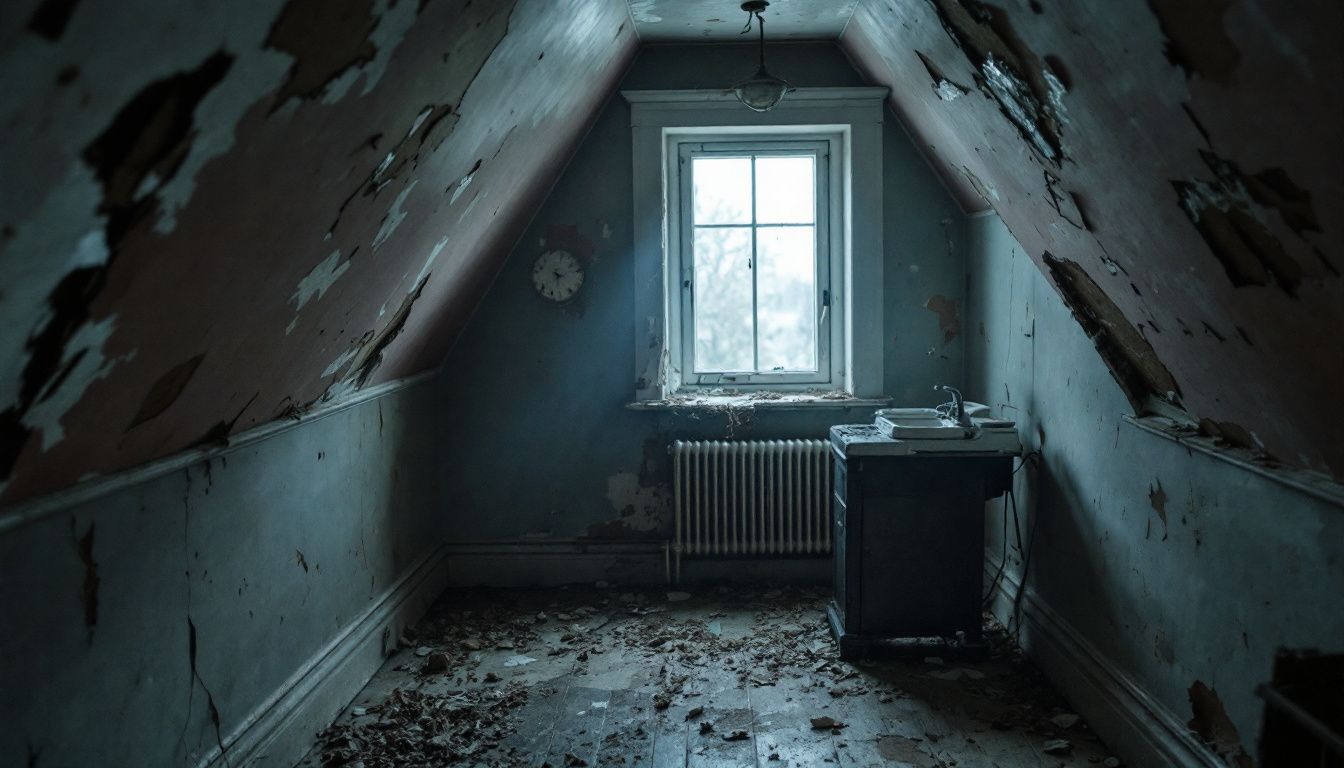
When Is Asbestos Dangerous? What Every Property Owner Needs to Know
Asbestos doesn’t always pose an immediate threat — but knowing when asbestos is dangerous could be the difference between a safe building and a serious health crisis. Millions of properties across the UK still contain asbestos-containing materials (ACMs), and the vast majority of occupants have no idea they’re living or working alongside them.
The good news is that undisturbed asbestos isn’t necessarily a problem. The danger lies in what happens when it’s disturbed, damaged, or deteriorating. Understanding exactly when asbestos becomes a risk — and what to do about it — is essential for any property owner, manager, or buyer.
What Makes Asbestos Dangerous in the First Place?
Asbestos is a naturally occurring fibrous mineral that was widely used in construction throughout the 20th century. Its fire-resistant, insulating, and durable properties made it incredibly popular — until the evidence of its devastating health effects became impossible to ignore.
The danger comes from the fibres. When asbestos-containing materials are disturbed, they release microscopic fibres into the air. These fibres are invisible to the naked eye, and once inhaled, they become lodged in the lungs and surrounding tissue — where they can remain for decades.
The diseases caused by asbestos exposure are serious and often fatal:
- Mesothelioma — a cancer of the lining of the lungs, chest, or abdomen, almost exclusively caused by asbestos exposure
- Asbestosis — scarring of the lung tissue that causes progressive breathing difficulties
- Lung cancer — significantly increased risk in those exposed to asbestos, particularly smokers
- Pleural thickening — thickening of the membrane surrounding the lungs, leading to breathlessness
What makes asbestos particularly insidious is the latency period. Symptoms may not appear for 20 to 50 years after exposure, meaning someone exposed during a renovation decades ago might only be receiving a diagnosis today.
The HSE records thousands of asbestos-related deaths in the UK every year — more than road traffic accidents. That figure alone explains why the regulatory framework around asbestos is so robust, and why understanding the risks matters so much.
When Is Asbestos Dangerous? The Key Triggers
This is the question that matters most. Asbestos in good condition, left undisturbed, is generally considered low risk. The danger escalates significantly in specific circumstances.
When It’s Damaged or Deteriorating
Asbestos-containing materials that are crumbling, cracked, or showing signs of physical deterioration are described as “friable” — meaning they can easily release fibres into the air. Friable asbestos is the most dangerous form and requires urgent professional attention.
Common causes of deterioration include water damage, age-related wear, impact damage, and previous poorly managed repair work. If you can see visible damage to materials you suspect may contain asbestos, do not touch them — call a professional surveyor immediately.
When Building Work or Renovation Takes Place
Renovation and refurbishment work is one of the most common triggers for dangerous asbestos exposure. Drilling, cutting, sanding, or demolishing materials that contain asbestos releases fibres in significant quantities.
Tradespeople — electricians, plumbers, carpenters, decorators — are at particular risk because they frequently work with building fabric without knowing what’s inside it. Before any refurbishment work begins, a refurbishment survey is a legal requirement for non-domestic premises, identifying all ACMs in areas to be disturbed so work can be planned safely.
When Asbestos Is in a High-Traffic Area
Even asbestos in reasonable condition can become dangerous if it’s located somewhere that sees frequent physical contact or vibration. Asbestos floor tiles in a busy corridor face repeated impact. Ceiling tiles in a workshop subject to machinery vibration can degrade more quickly than expected.
The location and condition of ACMs together determine the risk level — which is why a professional risk assessment is so much more valuable than a simple visual check.
When It’s Been Incorrectly Managed or Removed
Poorly executed asbestos removal — or well-intentioned but unqualified DIY attempts — can cause more harm than leaving materials in place. Unlicensed removal of certain asbestos types is illegal under the Control of Asbestos Regulations, and for good reason.
Disturbing asbestos without the correct equipment, training, and containment procedures can contaminate an entire building. If you suspect previous asbestos work has been carried out incorrectly, a professional survey and air testing should be arranged without delay. In some cases, professional asbestos removal by a licensed contractor is the only safe course of action.
When a Building Is Scheduled for Demolition
Full or partial demolition presents one of the highest-risk scenarios for asbestos fibre release. Structural elements, hidden voids, and materials that have never previously been disturbed can all be exposed during demolition activity.
A demolition survey is a legal requirement before any demolition work proceeds on non-domestic premises. This is a more intrusive survey type than a standard management survey, designed to locate all ACMs — including those within the building’s structure — so they can be safely removed before work begins.
Where Asbestos Is Commonly Found in UK Buildings
Any building constructed or refurbished before the year 2000 could contain asbestos. The UK banned the use of all asbestos types in 1999, but materials installed before that date remain in place in millions of properties. Buildings from the 1930s through to the 1980s are particularly likely to contain ACMs.
Common locations include:
- Insulation boards — around boilers, pipes, and structural steelwork
- Ceiling tiles — particularly in commercial and educational buildings
- Textured coatings — Artex and similar decorative finishes on ceilings and walls
- Roofing materials — corrugated asbestos cement sheets, particularly in garages and outbuildings
- Floor tiles and adhesives — vinyl floor tiles and the black bitumen adhesive beneath them
- Pipe lagging — insulation wrapped around heating and water pipes
- Soffit boards and guttering — particularly in properties built between the 1950s and 1980s
- Sprayed coatings — used on structural steelwork and ceilings in industrial and commercial buildings
If you’re unsure whether a material contains asbestos, do not disturb it. A testing kit can be used for preliminary sampling in some circumstances, though a professional survey remains the most reliable and legally defensible approach.
Your Legal Obligations as a Property Owner
Understanding when asbestos is dangerous is one thing — knowing your legal obligations is another. UK law is clear on this.
The Duty to Manage
Under the Control of Asbestos Regulations, owners and managers of non-domestic premises have a legal duty to manage asbestos. This means identifying whether ACMs are present, assessing their condition and risk, and putting a management plan in place to prevent exposure.
This duty doesn’t require you to remove all asbestos — it requires you to know what’s there and manage it appropriately. A management survey is the standard way to fulfil this obligation, providing a full asbestos register and risk-rated management plan.
HSG264: The Survey Standard
The HSE’s guidance document HSG264 sets out the standards for asbestos surveying in the UK. Any survey carried out to assess asbestos risk should comply with HSG264, covering methodology, sampling, reporting, and laboratory analysis.
All Supernova surveys are fully compliant with this guidance, ensuring your documentation will stand up to scrutiny from insurers, regulators, and prospective buyers alike.
Licensing Requirements for Removal
Not all asbestos removal requires a licence, but some types do. Work involving asbestos insulation, asbestos insulation board, and asbestos coating must be carried out by a licensed contractor.
Unlicensed work — such as removing asbestos cement sheets — still requires proper training, equipment, and notification in many cases. Always seek professional advice before any removal work begins.
Keeping Your Asbestos Register Up to Date
An asbestos register is a living document. As conditions change, materials deteriorate, or building work takes place, the register must be updated. A re-inspection survey should be carried out at regular intervals — typically annually — to reassess the condition of known ACMs and confirm the register remains accurate.
Buying an Older Property? Asbestos Due Diligence Is Essential
If you’re purchasing a building constructed before 2000, asbestos due diligence should be a non-negotiable part of the process. The presence of ACMs doesn’t necessarily devalue a property or make it unmortgageable — but undisclosed or poorly managed asbestos absolutely can.
Before exchanging contracts, consider commissioning an independent asbestos survey. This gives you an accurate picture of what’s present, its condition, and the likely cost of any remediation work. Armed with that information, you can negotiate accordingly or make an informed decision about whether to proceed.
Removal costs vary depending on the type and quantity of material. Factoring potential remediation costs into your purchase price could save you a significant sum further down the line.
Asbestos risk doesn’t exist in isolation either. Many older buildings with ACMs also carry other legacy hazards. A fire risk assessment is another important step for commercial property buyers, ensuring the building meets its obligations under fire safety legislation.
What Happens During a Professional Asbestos Survey?
If you’ve never commissioned an asbestos survey before, the process is straightforward. Here’s what to expect when you book with Supernova Asbestos Surveys:
- Booking — Contact us by phone or online. We confirm availability and send a booking confirmation. Appointments are often available within the same week.
- Site Visit — A BOHS P402-qualified surveyor attends at the agreed time and carries out a thorough visual inspection of the property.
- Sampling — Representative samples are collected from suspect materials using correct containment procedures to prevent fibre release.
- Laboratory Analysis — Samples are analysed under polarised light microscopy (PLM) at our UKAS-accredited laboratory.
- Report Delivery — You receive a detailed asbestos register and risk-rated management plan in digital format, typically within 3–5 working days.
All reports are fully compliant with HSG264 guidance and satisfy legal requirements under the Control of Asbestos Regulations.
Asbestos Survey Costs and Coverage Across the UK
Supernova Asbestos Surveys offers transparent, fixed-price surveys with no hidden fees. Here’s a guide to standard pricing:
- Management Survey — from £195 for a standard residential or small commercial property
- Refurbishment & Demolition Survey — from £295, covering all areas to be disturbed prior to works
- Re-inspection Survey — from £150, plus £20 per ACM re-inspected
- Bulk Sample Testing Kit — from £30 per sample, posted to you for collection where permitted
- Fire Risk Assessment — from £195 for a standard commercial premises
We operate UK-wide, with specialist teams covering major cities and surrounding areas. If you’re based in the capital, our team provides a full asbestos survey London service. In the North West, we offer a dedicated asbestos survey Manchester service — with the same standards, qualifications, and turnaround times wherever you are.
Get in touch for a free quote tailored to your property and requirements.
Why Choose Supernova Asbestos Surveys?
With over 50,000 surveys completed and more than 900 five-star reviews, Supernova Asbestos Surveys is one of the UK’s most trusted asbestos consultancies. Here’s what sets us apart:
- BOHS P402/P403/P404 Qualified Surveyors — the gold standard in asbestos surveying qualifications
- UKAS-Accredited Laboratory Analysis — results you can rely on and present to regulators
- HSG264-Compliant Reports — fully legally defensible documentation
- Fast Turnaround — appointments often available within days, reports within 3–5 working days
- Transparent Fixed Pricing — no surprises, no hidden charges
- UK-Wide Coverage — from London to Manchester and everywhere in between
Whether you’re managing an existing building, planning renovation work, or buying a property and need to understand the risks, our team is ready to help. Call us on 020 4586 0680 or visit asbestos-surveys.org.uk to book your survey today.
Frequently Asked Questions
Is asbestos dangerous if it’s in good condition and not disturbed?
Asbestos in good condition that is left completely undisturbed poses a low risk. The danger arises when fibres are released into the air — which happens when ACMs are damaged, deteriorating, or disturbed during building work. However, even stable asbestos should be monitored regularly through a professional re-inspection to ensure its condition doesn’t change over time.
How do I know if a material in my building contains asbestos?
You cannot identify asbestos by sight alone — laboratory analysis is the only reliable method. A professional asbestos survey will identify suspect materials, collect samples safely, and have them analysed at a UKAS-accredited laboratory. If you need a quick preliminary check in some circumstances, a testing kit is available, though a full professional survey remains the most legally defensible approach.
Do I have a legal duty to manage asbestos in my building?
If you own or manage a non-domestic premises, yes. The Control of Asbestos Regulations places a clear duty to manage asbestos on those responsible for non-domestic buildings. This involves identifying ACMs, assessing their condition and risk, and maintaining an up-to-date asbestos management plan. Failure to comply can result in enforcement action, fines, and — in serious cases — prosecution.
When is asbestos dangerous enough to require removal?
Asbestos doesn’t always need to be removed — in many cases, managing it in place is the appropriate response. Removal becomes necessary when ACMs are in poor condition and cannot be safely managed, when building work will disturb them, or when a building is being demolished. Any removal involving asbestos insulation, insulation board, or coating must be carried out by a licensed contractor under the Control of Asbestos Regulations.
Should I get an asbestos survey before buying an older property?
Absolutely. Any property built or refurbished before 2000 could contain ACMs. Commissioning an independent asbestos survey before exchange of contracts gives you an accurate picture of what’s present, its condition, and the likely cost of any remediation work. This information can be used to negotiate the purchase price or inform your decision to proceed — protecting you from potentially significant unexpected costs after completion.