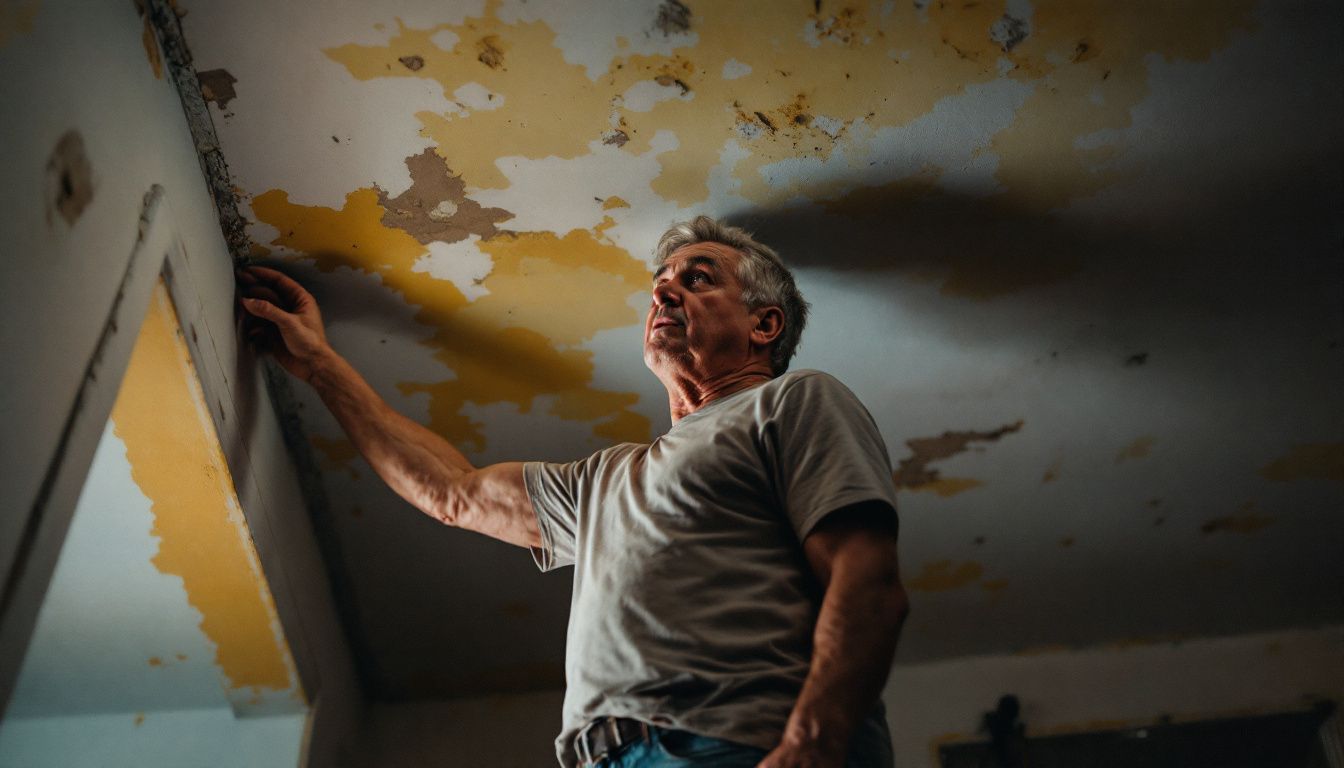
Does Asbestos Affect the Value of Your Property? Here’s What You Need to Know
Buying or selling an older property is rarely simple — but few discoveries carry the same weight as finding asbestos. If you’ve come across asbestos-containing materials (ACMs) in a building, the question is entirely understandable: does asbestos affect the value of your property? The honest answer is yes, it can. But the full picture is far more nuanced than a simple yes or no, and understanding it properly can save you from costly mistakes.
Whether you’re a homeowner, landlord, or commercial property manager, this post covers the key issues — from how asbestos influences valuations and what the law requires, to practical steps that protect both your property and your finances.
Why Asbestos Is Still Found in So Many UK Properties
Asbestos was used extensively in UK construction throughout most of the 20th century. It was cheap, fire-resistant, and highly effective as an insulator — making it a go-to material for builders and developers for decades.
It wasn’t banned in the UK until 1999, which means any building constructed or significantly refurbished before that date could contain asbestos. That covers an enormous proportion of the UK’s housing and commercial property stock — from Victorian terraces to 1980s office blocks.
Common locations where asbestos is found include:
- Textured coatings such as Artex on ceilings and walls
- Insulation boards around boilers, pipes, and heating systems
- Roof tiles, guttering, and rainwater pipes (asbestos cement)
- Floor tiles and the adhesives used to fix them
- Lagging around pipework and ducting
- Soffit boards and fascias
The material isn’t always immediately visible or obvious. That’s precisely why professional surveys exist — and why skipping one can be an expensive decision.
Does Asbestos Affect the Value of Your Property — and by How Much?
The presence of asbestos can reduce a property’s market value, but the degree of impact varies considerably. The type of asbestos, its condition, its location within the building, and whether a management plan is in place all influence how buyers and valuers respond.
Properties where asbestos has been identified but not properly managed tend to attract lower offers and longer time on the market. Buyers and their solicitors are increasingly aware of asbestos risks, and many will either negotiate the price down or walk away entirely if the situation isn’t properly documented.
The impact is typically more pronounced in the following scenarios:
- Asbestos in a friable or damaged condition, where fibres could become airborne
- No existing asbestos survey or register in place
- ACMs located in areas that would need to be disturbed during renovation
- Residential properties where buyers have concerns about family health
Conversely, a property where asbestos has been professionally surveyed, is in good condition, and is supported by a clear asbestos management survey and register can genuinely reassure buyers. Managed asbestos that is not disturbed poses a low risk — and demonstrating that through documentation makes a real difference to buyer confidence.
The Legal Framework: What Property Owners Must Know
Understanding the legal obligations around asbestos is essential for any property owner or manager. Getting this wrong doesn’t just affect your sale — it can result in serious penalties.
The Control of Asbestos Regulations
The Control of Asbestos Regulations set out the legal framework governing asbestos management in the UK. Under these regulations, the duty to manage asbestos applies to owners and managers of non-domestic premises.
If you own or manage a commercial property, a block of flats, or any building to which people have access for work purposes, you have a legal duty to identify ACMs, assess their condition and risk, and maintain an up-to-date asbestos register. Failing to comply can result in unlimited fines or, in cases of serious negligence, a custodial sentence. The Health and Safety Executive actively enforces these requirements.
HSG264 and Survey Standards
The HSE’s guidance document HSG264 — Asbestos: The Survey Guide — sets out how surveys should be conducted and what they must include. All surveys carried out by Supernova Asbestos Surveys follow HSG264 standards, ensuring the reports you receive are legally compliant and defensible in any dispute or transaction.
Disclosure Obligations When Selling
For residential sales, there is no specific statutory duty to disclose asbestos in the same way as for commercial premises. However, sellers are expected to answer property information forms honestly, and knowingly concealing a known hazard could expose you to claims of misrepresentation.
Transparency is always the safer — and more ethical — route. For commercial property transactions, buyers increasingly commission their own surveys as part of due diligence. If your building doesn’t have up-to-date documentation, that creates uncertainty which will be reflected in the offer price.
How an Asbestos Survey Protects Property Value
One of the most practical things a property owner can do — whether planning to sell, renovate, or simply manage their building responsibly — is commission a professional asbestos survey. Far from being a cost to dread, a survey is an investment that provides clarity, legal protection, and buyer confidence.
Management Surveys
A management survey is designed for buildings in normal use. It identifies the location and condition of ACMs that could be disturbed during everyday occupancy or maintenance, and produces a risk-rated register.
This is the baseline survey required under the duty to manage for non-domestic premises. Having this document in place when you sell demonstrates to buyers and their solicitors that you’ve taken your legal obligations seriously — and that the asbestos situation is known, assessed, and managed.
Refurbishment Surveys
If you’re planning renovation works before selling — or if a buyer is considering purchasing with a view to refurbishing — a refurbishment survey is required before any work begins. This is a more intrusive survey covering all areas to be disturbed, ensuring that contractors won’t inadvertently expose hidden ACMs during works.
Completing a refurbishment survey and addressing any identified ACMs before marketing a property can significantly improve its appeal and reduce the likelihood of price negotiations being derailed by asbestos concerns.
Demolition Surveys
If a property is being demolished — or if a buyer is purchasing with demolition in mind — a demolition survey is a legal requirement before any demolition work commences. This is the most thorough type of survey, designed to locate all ACMs throughout the entire structure so they can be safely removed prior to demolition.
Having this survey commissioned and available can streamline a transaction where the end use of the site involves clearance.
Re-Inspection Surveys
If you already have an asbestos register in place, it needs to be kept current. ACMs can deteriorate over time, and a re-inspection survey ensures your records accurately reflect the current condition of materials in the building.
An outdated register can undermine buyer confidence just as much as having no survey at all. Regular re-inspections demonstrate active, responsible management — something that carries genuine weight during a sale.
What Happens If Asbestos Needs to Be Removed?
Not all asbestos needs to be removed. In many cases, properly managed and encapsulated ACMs in good condition pose minimal risk and are best left undisturbed. However, there are circumstances where removal is the right course of action.
These include when materials are damaged or deteriorating, when renovation works require access to areas containing ACMs, or when a buyer or lender insists on removal as a condition of the transaction.
Professional asbestos removal must be carried out by licensed contractors for the most hazardous materials, including asbestos insulation board and sprayed coatings. The work must follow strict procedures to protect workers and building occupants, and the area must be properly decontaminated and air-tested on completion.
The cost of removal varies depending on the type and quantity of material, its location, and the complexity of the work. In many cases, however, the cost of professional removal is offset by the improvement in property value and the removal of a significant negotiating obstacle during the sales process.
Testing Suspected Materials Before Committing to a Full Survey
If you have a specific material you suspect may contain asbestos and want to confirm before commissioning a full survey, a testing kit allows you to collect a sample safely and have it analysed at a UKAS-accredited laboratory. This can be a cost-effective first step for homeowners who want to understand what they’re dealing with before deciding on next steps.
Sample collection should only be done where it can be carried out safely and without disturbing a significant area of material. If in any doubt, a professional survey is always the more prudent approach.
Practical Steps to Protect Your Property Value
If you own an older property and you’re concerned about how asbestos might affect its value, here’s a straightforward action plan:
- Commission a professional asbestos survey. Get a clear picture of what’s in the building, where it is, and what condition it’s in. Without this, you’re operating blind.
- Review the risk rating. Not all ACMs are equal. Your surveyor will provide a risk-rated register — focus first on any materials rated as high risk or in poor condition.
- Put a management plan in place. For non-domestic premises, this is a legal requirement. For residential properties, it demonstrates responsible ownership and reassures buyers.
- Address high-risk materials. Work with a licensed contractor to encapsulate or remove ACMs that pose a genuine risk or that will be disturbed during planned works.
- Keep records up to date. Ensure your asbestos register is reviewed and updated regularly, particularly if the condition of materials changes or works are carried out.
- Be transparent with buyers. Provide your asbestos survey documentation as part of the sale process. A well-managed asbestos situation is far less damaging to a sale than one that appears to have been concealed.
Other Compliance Considerations for Property Owners
Asbestos management doesn’t exist in isolation — it sits alongside a broader set of compliance obligations for property owners and managers. If you manage commercial premises, a fire risk assessment is also a legal requirement, and many property managers find it efficient to address both alongside each other.
Staying on top of your compliance obligations not only protects occupants and visitors — it also protects the value of your asset and reduces the risk of enforcement action that could complicate a future sale. The two areas of compliance often interact: asbestos in fire-stopping materials, for instance, is a consideration that bridges both disciplines.
If you manage a portfolio of properties, consider scheduling your fire risk assessments and asbestos surveys at the same time. It simplifies your compliance calendar and ensures nothing falls through the gaps.
Asbestos and Property Value: The Regional Picture
The impact of asbestos on property value can also vary by location. In high-demand urban markets, buyers may be more willing to proceed with a property that has a known asbestos situation — provided the documentation is in order and the risk is clearly managed. In slower markets, the same situation can be a more significant obstacle.
If you’re selling a property in a competitive urban market, having your paperwork in order becomes even more important. Buyers in cities such as London move quickly, and any uncertainty around asbestos can be enough to prompt a withdrawal or a sharp reduction in offer. If you need an asbestos survey in London, Supernova Asbestos Surveys operates across the capital with rapid turnaround times.
In all markets, the principle remains the same: documented, managed asbestos is a far smaller obstacle than undocumented, unknown asbestos. Taking control of the situation before you go to market is always the stronger position.
The Bottom Line: Asbestos Doesn’t Have to Derail a Sale
The question of whether asbestos affects the value of your property is real — but it’s a manageable issue, not an insurmountable one. The key is knowledge, documentation, and action.
Properties with properly surveyed, well-managed asbestos sell every day across the UK. What causes transactions to fall apart isn’t the presence of asbestos itself — it’s the absence of information about it. Buyers can work with a known, assessed risk. They struggle to accept an unknown one.
Investing in a professional survey, keeping your register up to date, and being open with buyers puts you in the strongest possible position — whether you’re selling now, planning to sell in the future, or simply managing your property responsibly for the long term.
Frequently Asked Questions
Does asbestos automatically reduce the value of a property?
Not automatically. The impact on value depends on the type and condition of the asbestos, where it’s located, and whether it has been professionally surveyed and managed. A property with a thorough asbestos register and management plan in place is far less likely to suffer a significant reduction in value than one with no documentation at all.
Do I have to tell buyers about asbestos when selling a property?
For residential sales, there is no specific statutory duty to disclose asbestos, but sellers are legally required to answer property information forms accurately and honestly. Knowingly concealing a hazard you’re aware of could expose you to claims of misrepresentation. For commercial properties, the duty to manage under the Control of Asbestos Regulations means documentation should already be in place and available to prospective buyers.
What type of asbestos survey do I need before selling?
For most commercial properties, a management survey is the starting point — it identifies the location and condition of ACMs and produces the register required under the duty to manage. If renovation works are planned before the sale, a refurbishment survey is required first. Your surveyor can advise on which type is appropriate for your specific situation.
Can asbestos be left in place, or does it always need to be removed?
Asbestos does not always need to be removed. ACMs in good condition that are not being disturbed can often be safely managed in place. Removal is generally recommended when materials are damaged or deteriorating, when they will be disturbed during renovation, or when a buyer or mortgage lender requires it as a condition of the transaction. A licensed professional can advise on the best course of action for your specific materials.
How often should an asbestos register be updated?
An asbestos register should be reviewed and updated regularly — typically at least every 12 months for non-domestic premises, or sooner if there is any reason to believe the condition of materials has changed. A re-inspection survey carried out by a qualified surveyor is the proper way to update your register and ensure it accurately reflects the current state of ACMs in your building.
Supernova Asbestos Surveys has completed over 50,000 surveys across the UK, helping property owners, landlords, and commercial managers understand and manage their asbestos obligations with confidence. Whether you need a management survey, a refurbishment survey ahead of renovation, or guidance on removal options, our qualified surveyors are ready to help.
Call us on 020 4586 0680 or visit asbestos-surveys.org.uk to book your survey or request a quote.