Asbestos safety can fail in minutes. A contractor opens a ceiling void, a maintenance team drills through a panel, or a strip-out starts before the right survey is in place. What looked like a routine task can quickly become a contamination issue, a project delay and a serious risk to anyone nearby.
That is why asbestos safety still matters so much across the UK. Asbestos remains in many older buildings, particularly those built before 2000, and the danger is not always obvious. If asbestos-containing materials are damaged or disturbed, fibres can be released without warning, so safe management depends on planning, accurate information and competent action before work starts.
Why asbestos safety still matters in UK buildings
Many asbestos-containing materials do not create an immediate risk simply because they are present. If they are in good condition and left undisturbed, they can often be managed safely in place. The problem starts when those materials are cut, drilled, broken, sanded, stripped out or otherwise disturbed.
For property managers, landlords and facilities teams, asbestos safety is really about control. You need to know what is in the building, where it is, what condition it is in and whether planned works could disturb it.
Higher-risk situations often include:
- Refurbishment in older offices, schools, shops and industrial units
- Maintenance work above ceilings, inside risers and within service ducts
- Removal of floor coverings, textured coatings, insulation or partitions
- Demolition where asbestos records are missing, incomplete or out of date
- Emergency repairs carried out under time pressure
- Vacant properties where previous records cannot be verified
If there is any doubt, stop work and verify the risk first. That single decision protects workers, prevents contamination and supports proper asbestos safety far better than trying to fix the situation afterwards.
The legal framework behind asbestos safety
In the UK, asbestos safety is shaped by clear legal duties. The main legislation is the Control of Asbestos Regulations, supported by HSE guidance and survey standards set out in HSG264.
For non-domestic premises, there is a duty to manage asbestos. In practice, this usually applies to the person or organisation responsible for maintenance and repair of the premises. That could be a landlord, employer, managing agent, freeholder or building owner.
These duties are practical. They require you to:
- Identify whether asbestos is present, or likely to be present
- Assess the condition of any asbestos-containing materials
- Assess the risk of disturbance
- Keep an up-to-date asbestos register
- Prepare and maintain a management plan
- Provide asbestos information to anyone who may disturb the material
- Use competent surveyors and, where required, licensed contractors
- Ensure waste is handled and disposed of correctly
Good asbestos safety is not just about paperwork. It is about making sure the right information reaches the right people before they start work.
What HSE guidance expects in practice
HSE guidance focuses on prevention. That means identifying asbestos before work begins, choosing the right control measures, preventing exposure so far as reasonably practicable and making sure workers are trained for the tasks they carry out.
If your survey is out of date, your register is difficult to access or your contractors have not seen the information, your system is already weak. The legal duty is only useful when it works on site.
Who is responsible for asbestos safety?
Responsibility for asbestos safety rarely sits with one person. In most buildings, several parties need to do the right thing at the right time.
Duty holders
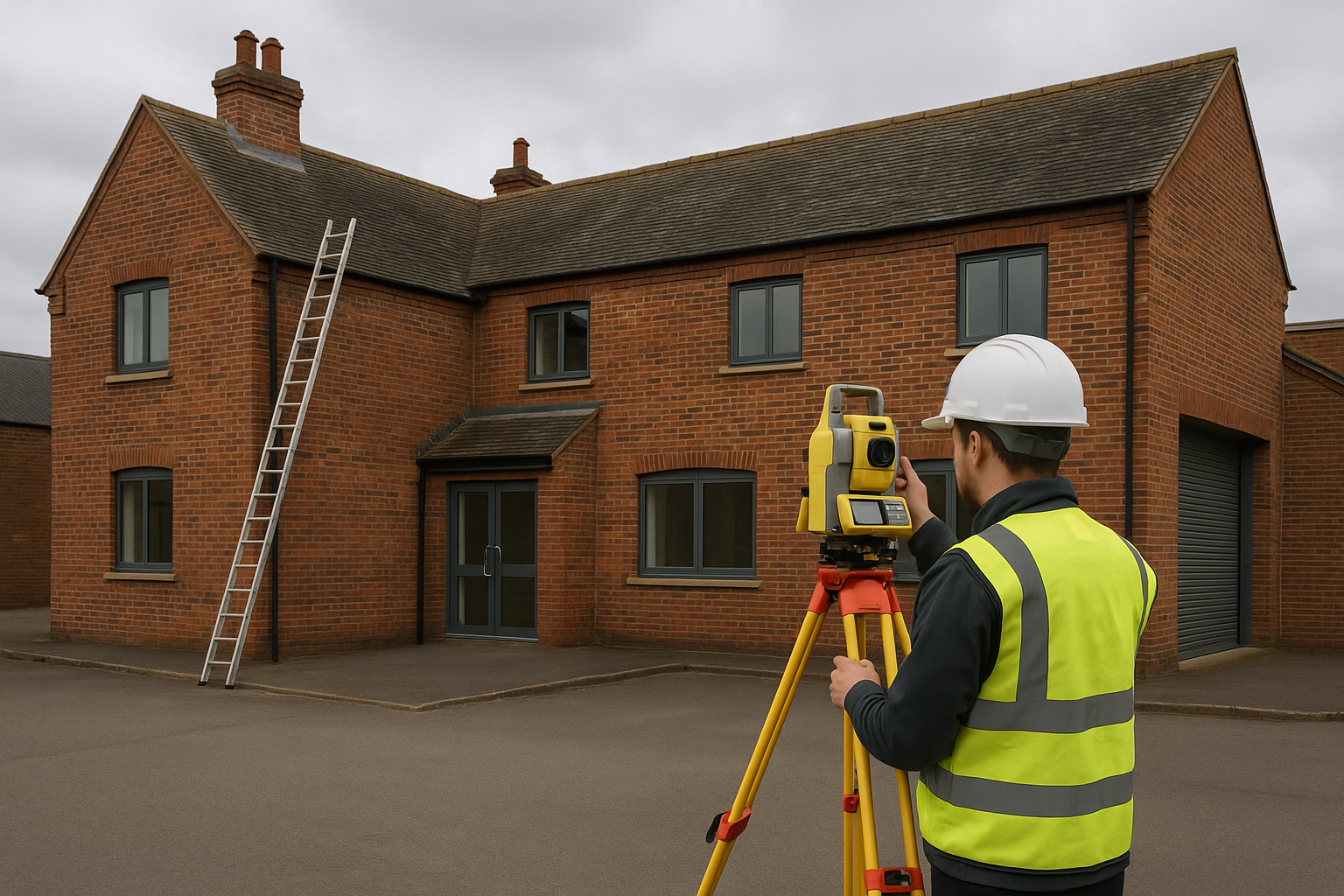
The duty holder has primary responsibility for managing asbestos in non-domestic premises. That includes arranging surveys, keeping records current, monitoring known materials and sharing information with anyone who could disturb them.
Employers
Employers must protect workers who may encounter asbestos. That means suitable risk assessments, training, supervision and safe systems of work. It also means stopping work when the information is unclear.
Property managers and facilities teams
If you control maintenance schedules, contractor access or fit-out works, you are often the link between the asbestos records and the people on site. One of the most common failures in asbestos safety is simple: the information exists, but nobody passes it on in time.
Designers and principal contractors
On refurbishment and demolition projects, asbestos must be considered before intrusive work starts. Weak pre-construction information creates risk from day one. Nobody should disturb the building fabric until the asbestos information is suitable for the planned task.
Start asbestos safety with the right survey
You cannot manage what you have not identified. Effective asbestos safety starts with choosing the correct survey for the building and the work being planned.
Management surveys
A management survey is used to locate, as far as reasonably practicable, asbestos-containing materials that could be disturbed during normal occupation and routine maintenance. It supports day-to-day asbestos safety in occupied buildings.
This type of survey is commonly suitable for offices, schools, retail premises, communal areas and other non-domestic properties where asbestos will be managed in place rather than disturbed by major works.
Demolition and intrusive surveys
If the work will disturb the structure or fabric of the building, you need a more intrusive approach. Before major strip-out or structural works, a demolition survey is needed to identify asbestos in all affected areas.
These surveys involve opening up floors, walls, ceilings and voids, so they are normally carried out in vacant areas. Using an old management survey for intrusive works is a common failure in asbestos safety, and it can become expensive very quickly.
Re-inspection surveys
Asbestos safety does not end once asbestos has been identified. A re-inspection survey checks known or presumed asbestos-containing materials to confirm whether their condition has changed and whether the management plan is still appropriate.
The right interval depends on the material, its condition, its location and the likelihood of disturbance. Annual review is common, but the actual frequency should reflect the risk.
What a useful survey report should include
A survey report should help you make decisions quickly. Look for:
- Clear locations and descriptions of materials
- Photographs and marked plans where appropriate
- Laboratory results for sampled materials
- Material assessments and practical recommendations
- Information that can be added directly to your asbestos register
- Enough detail to brief contractors properly
If a report is difficult to understand, your asbestos safety process slows down immediately.
Building an asbestos register and management plan
Once asbestos has been identified, the information needs to be controlled properly. For ongoing asbestos safety, two documents matter most: the asbestos register and the management plan.
The asbestos register
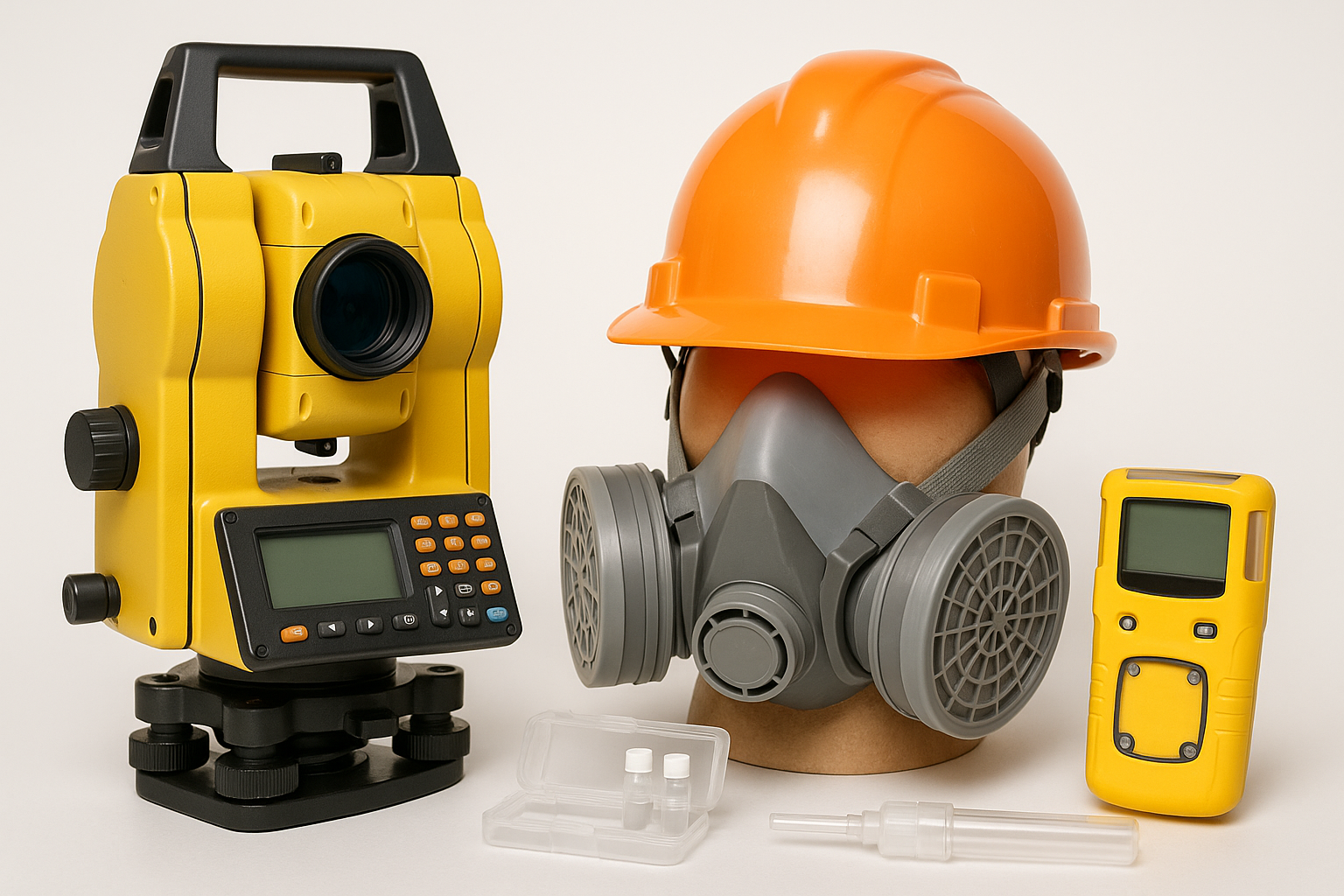
The register records the location, extent and condition of identified or presumed asbestos-containing materials. It should be clear, current and easy for relevant people to access.
That includes maintenance teams, visiting contractors and, where relevant, emergency responders. A register hidden in a folder or buried on a server does very little for asbestos safety.
The management plan
The management plan explains how asbestos risks will be controlled in practice. It should set out:
- Which materials will remain in place
- Which need repair, encapsulation or removal
- Who is responsible for monitoring them
- How contractors will be informed
- What happens if asbestos is damaged
- When re-inspections will take place
If the building changes, the records must change too. After removal works, accidental damage, refurbishment or new survey findings, update the register and management plan straight away.
A practical management routine
For property managers, a simple routine improves asbestos safety significantly:
- Check whether the current survey matches the planned work
- Review the asbestos register before issuing work orders
- Brief contractors before they arrive on site
- Restrict access to higher-risk areas where needed
- Record any damage, change in condition or remedial action
- Arrange re-inspection at suitable intervals
Practical control measures that improve asbestos safety
Good asbestos safety is about preventing fibre release and reducing exposure as far as reasonably practicable. The right controls depend on the material, its condition and the work involved.
Leave asbestos in place where appropriate
Not every asbestos-containing material needs immediate removal. If it is in good condition, sealed and unlikely to be disturbed, managing it in place may be the safest and most proportionate option.
That only works if the material is monitored properly and everyone who may work nearby knows it is there.
Encapsulation and enclosure
Encapsulation uses a protective coating or wrap to bind fibres and reduce the chance of damage. Enclosure isolates asbestos behind a barrier so it is less likely to be disturbed.
Both methods can support asbestos safety, but they do not remove the need for monitoring, record-keeping and contractor communication.
Controlled access
Where higher-risk asbestos is present, access should be restricted. Signage, permits to work and contractor briefings can all help prevent accidental disturbance.
This is especially useful in plant rooms, loft voids, risers and service areas where maintenance activity is common.
Safe working methods
Where asbestos work is permitted, safe methods typically include:
- Minimising breakage
- Using wet techniques where suitable to suppress dust
- Using class H vacuums where appropriate
- Avoiding uncontrolled power tools
- Following decontamination arrangements
- Bagging, labelling and disposing of waste correctly
Strong asbestos safety is planned before the job starts. It is never something to improvise on site.
PPE, RPE and decontamination
Personal protective equipment matters, but it is the last line of defence. The strongest approach to asbestos safety is always to identify the risk early and control fibre release at source.
Respiratory protective equipment
Where respiratory protection is needed, it must be suitable for the task and face-fit tested for the wearer. A badly fitting mask can create a false sense of security while offering poor protection.
The exact type of RPE depends on the work being carried out. Higher-risk tasks require tighter controls, especially where licensed asbestos work is involved.
Protective clothing
Disposable coveralls, gloves and suitable footwear help reduce contamination. They must be removed and handled correctly to avoid spreading fibres into clean areas, welfare facilities or vehicles.
Decontamination
Workers need clear decontamination arrangements before leaving the work area. If dust is carried beyond the immediate zone, the problem spreads quickly and asbestos safety breaks down fast.
For property managers, that means checking contractors have realistic site controls, not just tidy paperwork.
Training requirements for workers and managers
Training is one of the most practical parts of asbestos safety because it changes behaviour on site. People cannot work safely around asbestos by relying on memory, assumption or guesswork.
Asbestos awareness training
Anyone who may come across asbestos during their work should have asbestos awareness training. This commonly includes:
- Electricians
- Plumbers
- Joiners
- Decorators
- General maintenance staff
- Telecoms and IT installers
- Facilities and site teams
Awareness training helps workers recognise likely asbestos-containing materials, understand the risks and know what to do if they suspect asbestos is present. It does not qualify someone to remove asbestos.
Task-specific training
If workers will carry out non-licensed asbestos work, they need additional training relevant to those tasks. Licensed asbestos work requires a much higher level of specialist training, supervision and control.
Management training
Managers and supervisors also need a working understanding of asbestos safety. If the person authorising works does not understand survey scope, register access or escalation procedures, the whole system is weakened.
A useful manager checklist is:
- Know where the asbestos register is kept
- Check the survey is suitable for the planned works
- Confirm contractors have seen the asbestos information
- Stop work if there is uncertainty
- Update records after inspections, damage or removal
Licensed work, non-licensed work and asbestos removal
Not all asbestos work is treated the same under the regulations. The category depends on the material, its condition and the nature of the task.
Some lower-risk tasks may fall under non-licensed work. More hazardous materials and activities require a licensed contractor, and the distinction affects notification, medical surveillance, record-keeping and site controls.
If asbestos is damaged, deteriorating, likely to be disturbed repeatedly or stands in the way of planned works, removal may be the best option. In those cases, using a specialist provider for asbestos removal is essential.
Do not try to categorise borderline work by guesswork. If there is uncertainty, get competent advice before anyone starts.
What to do if asbestos is damaged or suspected
Incidents happen when people are under pressure, especially during reactive maintenance or fast-moving projects. A clear response plan is a vital part of asbestos safety.
If asbestos is damaged or suspected:
- Stop work immediately
- Keep people out of the area
- Prevent further disturbance
- Inform the responsible manager or duty holder
- Check the asbestos register and survey information
- Arrange competent assessment, sampling or remedial action
Do not sweep up debris, use a domestic vacuum or allow untrained staff to investigate. Those reactions often make the situation worse.
Asbestos safety during maintenance, refurbishment and demolition
The level of risk changes with the type of work. Day-to-day maintenance needs good records and contractor communication. Refurbishment and demolition need much more intrusive investigation before work starts.
Routine maintenance
Routine works can still disturb asbestos if the controls are weak. Ceiling access, cable installation, plumbing repairs and minor fit-out tasks all need the asbestos information checked first.
Refurbishment projects
Refurbishment creates a higher risk because the work often affects hidden areas. Before opening up walls, floors, ducts or ceilings, make sure the survey covers the exact scope of works.
Demolition projects
Demolition presents the highest level of disturbance. If the building is coming down, the asbestos information must be robust enough to identify materials in all areas affected by the works.
For multi-site portfolios, consistency matters. Whether you need an asbestos survey London, an asbestos survey Manchester appointment or an asbestos survey Birmingham service, the same principle applies: no intrusive work should begin until the asbestos information is suitable for the task.
Common asbestos safety mistakes to avoid
Most failures in asbestos safety are not complicated. They usually come from gaps in planning, communication or record control.
Watch out for these common mistakes:
- Relying on an old survey for new works
- Assuming a management survey is enough for refurbishment
- Failing to share asbestos records with contractors
- Not updating the register after removal or damage
- Allowing emergency works to start without checking the risk
- Treating PPE as the main control instead of the last control
- Leaving known asbestos in place without monitoring it
If you fix those issues, your asbestos safety arrangements become much stronger very quickly.
Frequently Asked Questions
Who is responsible for asbestos safety in a commercial building?
The duty holder is usually responsible for managing asbestos in non-domestic premises. This is often the person or organisation responsible for maintenance and repair, such as a landlord, managing agent, employer or building owner.
Does every older building need an asbestos survey?
Not every building needs the same type of survey, but if asbestos may be present and the premises are non-domestic, you need suitable information to manage the risk. The correct survey depends on whether the building is occupied, being maintained, refurbished or demolished.
Can asbestos be left in place safely?
Yes, in some cases. If asbestos-containing materials are in good condition and unlikely to be disturbed, they can often be managed in place with suitable monitoring, records and communication. If they are damaged or likely to be disturbed, further action may be needed.
What should contractors do if they suspect asbestos during work?
They should stop work immediately, prevent further disturbance, keep others away from the area and report the issue to the responsible manager or duty holder. The next step is to check the existing information and arrange competent assessment.
When is licensed asbestos work required?
Licensed work is required for certain higher-risk materials and tasks, depending on the type of asbestos-containing material, its condition and the work involved. If there is any doubt, seek competent advice before the job starts.
Need expert help with asbestos safety?
If you need clear advice, fast turnaround surveys or support managing asbestos across your property portfolio, Supernova Asbestos Surveys can help. We provide surveys, re-inspections and removal support nationwide, with practical reporting that helps you act quickly and stay compliant.
Call 020 4586 0680 or visit asbestos-surveys.org.uk to book a survey or speak to our team about the right next step for your building.