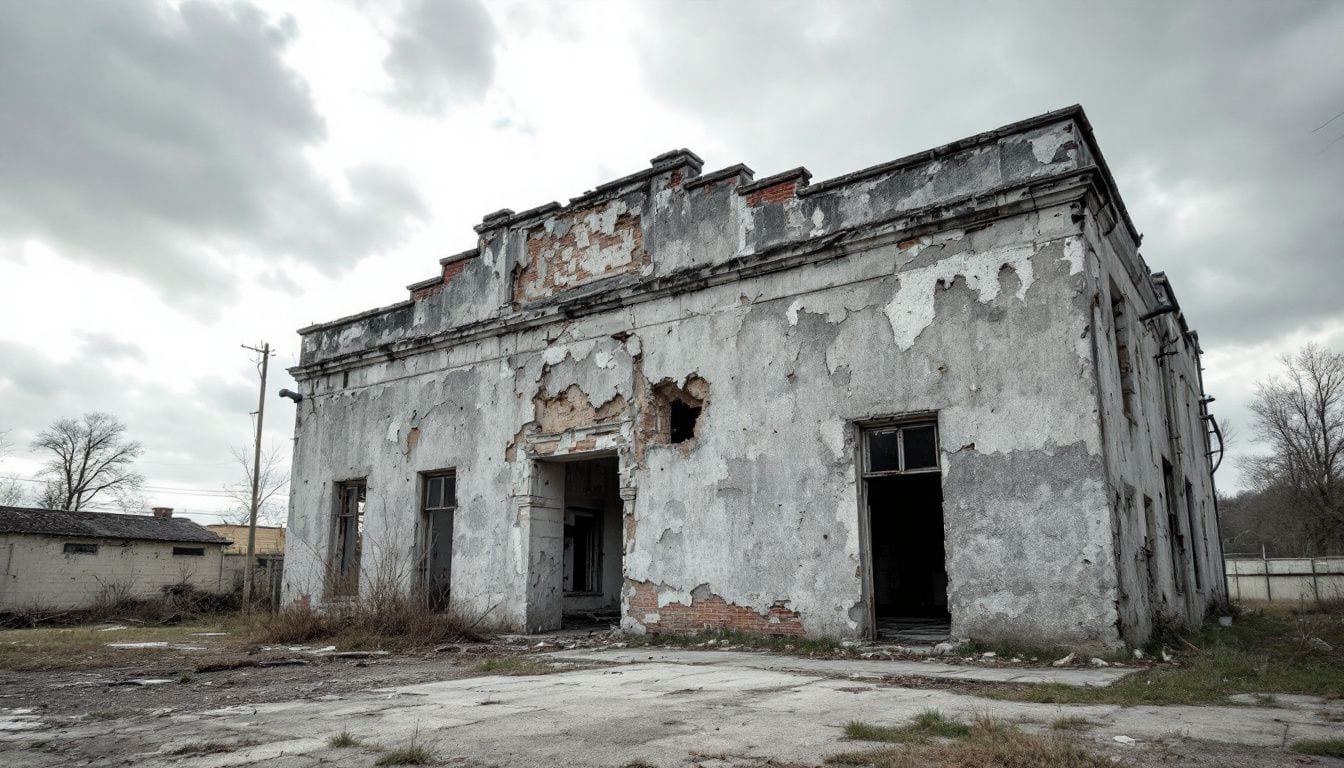
Asbestos in Soil: How It Gets There, Why It’s Dangerous, and What UK Law Requires You to Do
Most people picture asbestos as crumbling ceiling tiles or deteriorating pipe lagging — not something lurking beneath their feet. But asbestos in soil is a genuine and frequently underestimated hazard, one that catches out property developers, homeowners, and facilities managers alike. Whether you’re planning groundworks on a brownfield site, landscaping a garden attached to an older property, or overseeing a demolition project, contaminated ground can derail timelines, expose workers to serious health risks, and land you with significant legal liability.
This post sets out exactly how asbestos ends up in soil, what the risks are when it’s disturbed, how UK law applies, and the practical steps you need to take before any ground is broken.
How Does Asbestos Get Into the Soil?
Asbestos doesn’t appear in the ground by chance. There are several well-documented routes through which asbestos-containing materials (ACMs) contaminate soil, and understanding them is the first step in identifying risk before work begins.
Demolition and Construction Debris
When buildings constructed before 2000 are demolished, fragments of ACMs — asbestos cement sheets, floor tiles, pipe insulation — can be mixed into rubble and left scattered across or buried within a site. If waste isn’t handled correctly during demolition, these materials end up in the ground.
Brownfield sites are particularly high-risk. Repeated cycles of development over decades can mean asbestos is present at varying depths, making a thorough ground investigation essential before any earthworks begin. A refurbishment survey of any standing structures on the site should always be completed before intrusive work commences.
Fly-Tipping and Illegal Waste Disposal
Illegal dumping of asbestos waste remains a persistent problem across the UK. Asbestos roofing sheets, guttering, and insulation boards are regularly fly-tipped in rural areas, on industrial estates, and on land adjacent to commercial properties. Over time, these materials weather and break down, releasing fibres into the surrounding soil.
The Environment Agency and local authorities prosecute fly-tipping offences, but the contamination left behind still needs to be professionally assessed and remediated — and in many cases, that cost falls to the landowner.
Natural Geological Occurrence
In certain parts of the UK, asbestos minerals occur naturally within the geology. Chrysotile, crocidolite, and other fibrous minerals can be present in specific rock formations and, consequently, in the soils derived from them. This is less prevalent in the UK than in some other countries, but it is a recognised phenomenon that can affect sites in areas with particular geological profiles.
Industrial and Mining Legacy
Former asbestos processing facilities, shipyards, and heavy industrial sites have left a legacy of contaminated land across the UK. Fibres released during manufacturing or processing can settle on surrounding land and persist in the soil for decades. Sites with this kind of history require specialist investigation before any development or ground disturbance takes place — no exceptions.
What Happens When Asbestos in Soil Is Disturbed?
Asbestos fibres that remain bound within intact materials and buried in undisturbed soil present a lower immediate risk. The danger escalates sharply the moment that soil is disturbed — through digging, excavation, landscaping, or construction activity.
When contaminated soil is broken up, asbestos fibres can become airborne. Inhalation is the primary route of exposure, and it is well established that breathing in asbestos fibres can cause serious and life-threatening diseases, including mesothelioma, asbestosis, and lung cancer. These conditions can take decades to develop, which is precisely why no level of unnecessary exposure is acceptable.
Impact on Plant Life and Ecology
Asbestos contamination in soil can also affect plant health. Research has found that the presence of asbestos fibres can reduce seed germination rates, stunt plant growth, reduce biomass, and impair chlorophyll and protein production. This has direct implications for land intended for agricultural or horticultural use, and for ecological assessments on development sites.
Secondary Contamination Pathways
Disturbed asbestos in soil doesn’t only pose a risk at the point of excavation. Fibres can be carried by wind and water, potentially affecting neighbouring properties and local watercourses. Run-off from contaminated land can introduce asbestos into drainage systems and, in some cases, into local water supplies.
This makes proper site management and containment essential during any ground investigation or remediation work — not just for the protection of workers on site, but for anyone in the surrounding area.
How Asbestos Moves Between Soil, Air, and Water
Soil contamination rarely exists in isolation. Asbestos moves between environmental media, and understanding these pathways gives a clearer picture of the full risk.
Airborne Asbestos
Mining operations, road construction, and demolition activities are among the primary sources of airborne asbestos fibres. When ACMs are cut, broken, or disturbed, microscopic fibres are released into the atmosphere. Rural air typically contains very low concentrations of asbestos fibres, whilst urban and industrial environments — particularly near active construction sites — can have measurably higher levels.
The HSE sets strict workplace exposure limits for airborne asbestos fibres, and any work that is likely to disturb asbestos must be planned and carried out in accordance with the Control of Asbestos Regulations.
Asbestos in Water
Ageing asbestos cement water pipes — once widely used across the UK — can release fibres into drinking water as they degrade. Industrial waste disposal has historically introduced asbestos into rivers and groundwater. The Drinking Water Inspectorate monitors public water supplies, and whilst the risk from ingesting asbestos fibres in water is generally considered lower than from inhalation, it is not negligible.
Any contaminated site near a watercourse must be managed with this secondary pathway in mind. Containment measures during remediation are not optional — they are a legal and practical necessity.
Identifying Asbestos in Soil: Warning Signs to Look For
Asbestos-containing materials in soil are not always immediately obvious. Fragmented asbestos cement can resemble ordinary concrete rubble. Chrysotile fibres mixed into soil may not be visible to the naked eye at all. That said, there are clear indicators that should prompt further investigation before any groundworks proceed.
- The site has a history of industrial use, manufacturing, or demolition
- The ground contains fragments of corrugated sheeting, pipe sections, or insulation board
- Historical records or site maps indicate former asbestos-related activity on or near the land
- The site is a brownfield location with multiple phases of historical development
- Neighbouring properties or sites are known to have asbestos contamination
- The site was formerly used as a landfill or waste disposal area
If any of these factors apply, do not proceed with groundworks until a proper assessment has been carried out. A management survey can help establish the baseline condition of a site and identify ACMs that may influence ground investigation planning.
UK Regulations Governing Asbestos in Soil
Asbestos contamination in soil falls under several overlapping areas of UK law and guidance. Getting this right is not optional — non-compliance can result in enforcement action, significant fines, and personal liability for duty holders.
Control of Asbestos Regulations
The Control of Asbestos Regulations set out the legal framework for managing and working with asbestos in Great Britain. Any work liable to disturb asbestos — including ground investigation and excavation on contaminated sites — must comply with these regulations. Depending on the type of asbestos involved and the nature of the work, this may require the use of a licensed asbestos contractor.
HSG264 and the Survey Guide
HSE guidance document HSG264 provides the definitive framework for asbestos surveys. Whilst primarily focused on buildings, the principles of identifying, assessing, and managing ACMs apply equally to ground contamination scenarios. A refurbishment survey is required before any intrusive works — including significant excavation — on sites where asbestos may be present in the ground or in standing structures.
Environmental Protection Act and the Contaminated Land Regime
The Environmental Protection Act and the contaminated land regime place duties on landowners and developers to assess and remediate land that poses a risk to human health or the environment. Asbestos in soil can constitute a significant pollutant linkage under this regime, triggering a formal remediation requirement that must be agreed with the relevant local authority or the Environment Agency.
Waste Management Regulations
Asbestos waste — including contaminated soil — is classified as hazardous waste in the UK. It must be handled, transported, and disposed of in accordance with hazardous waste regulations, using licensed waste carriers and permitted disposal facilities. Failure to comply is a criminal offence, not an administrative oversight.
What to Do If You Suspect Asbestos in Soil
If you have reason to believe a site may contain asbestos in the soil, the following steps set out a sensible and legally defensible approach.
- Stop groundworks immediately. Do not allow excavation or digging to continue until the risk has been properly assessed. Disturbing potentially contaminated ground without appropriate controls puts workers and bystanders at serious risk.
- Commission a ground investigation. Engage a specialist to carry out a desk study and site investigation. This typically involves reviewing historical records, conducting a walkover survey, and taking soil samples for laboratory analysis.
- Get samples tested. Soil samples should be analysed by a UKAS-accredited laboratory. If you need a quick preliminary check on suspect surface materials, an asbestos testing kit can be a useful first step for accessible materials before a full investigation is commissioned.
- Obtain a building survey where relevant. If the site includes standing structures, a refurbishment survey must be completed before any intrusive work begins, in line with HSG264 guidance.
- Develop a remediation plan. If contamination is confirmed, a remediation strategy must be developed and agreed with the relevant authorities. This will set out how the asbestos will be removed, contained, or managed to an acceptable standard.
- Use licensed contractors. Depending on the type and quantity of asbestos, asbestos removal work must be carried out by a licensed contractor. Do not cut corners at this stage.
- Maintain detailed records. Keep records of all surveys, sample results, remediation works, and waste disposal documentation. These are essential for demonstrating compliance and will be required by planners, regulators, and future purchasers of the land.
Ongoing Management and Re-Inspection
Where asbestos contamination has been identified but full remediation is not immediately practicable — or where residual contamination remains after remediation works — ongoing management is essential. This includes regular monitoring of site conditions and reviewing whether the risk profile has changed as the site is developed or used.
For buildings on or adjacent to contaminated sites, a periodic re-inspection survey ensures that any ACMs within the structure remain in a safe and stable condition, and that the asbestos register is kept current and accurate.
If the site includes non-domestic premises that also require a fire risk assessment, it makes sense to coordinate this alongside your asbestos management programme. Both are legal duties for non-domestic premises, and managing them together avoids duplication and ensures nothing is missed.
Supernova Asbestos Surveys: Covering the UK from Ground Up
Supernova Asbestos Surveys has completed over 50,000 surveys across the UK, working with property developers, facilities managers, housing associations, and local authorities to identify and manage asbestos risk at every stage of a project’s lifecycle. Our BOHS P402-qualified surveyors follow HSG264 standards on every instruction, and all samples are analysed at our UKAS-accredited laboratory.
Whether you need a survey for a brownfield development, a commercial property, or a residential building, we cover the whole of the UK. Our team provides asbestos survey London services with same-week availability. We also work regularly across the North West, providing asbestos survey Manchester services, and across the Midlands with our asbestos survey Birmingham team.
If you suspect asbestos in soil on your site, or you need expert advice on how to proceed with groundworks safely and legally, contact us today.
- Phone: 020 4586 0680
- Website: asbestos-surveys.org.uk
Frequently Asked Questions
Can asbestos in soil make you ill?
Yes. When soil contaminated with asbestos is disturbed, fibres can become airborne and be inhaled. Inhalation of asbestos fibres is the primary route of exposure and is linked to serious diseases including mesothelioma, asbestosis, and lung cancer. These conditions can take decades to develop, which is why any suspected contamination must be assessed before groundworks begin.
How do I know if there is asbestos in the soil on my site?
Visual inspection alone is not reliable — asbestos cement fragments can resemble ordinary rubble, and loose fibres are invisible to the naked eye. A proper assessment involves a desk study of historical site records, a walkover survey, and soil sampling analysed by a UKAS-accredited laboratory. Sites with a history of industrial use, demolition, or brownfield development are at higher risk and should always be investigated before groundworks proceed.
Who is responsible for asbestos contamination in soil?
Under the contaminated land regime established by the Environmental Protection Act, responsibility typically falls on the person who caused or knowingly permitted the contamination. Where that person cannot be identified, liability can pass to the current landowner. This is why due diligence on land purchases — including a ground investigation — is so important. Landowners and developers can face enforcement action and remediation costs if contamination is not properly managed.
Does asbestos in soil need to be removed?
Not always. The approach depends on the type and concentration of asbestos, the intended use of the land, and the risk it poses to human health and the environment. In some cases, asbestos can be managed in situ with appropriate controls and monitoring. In others — particularly where the land is to be developed or used by the public — full remediation and removal will be required. A specialist ground investigation will determine the appropriate course of action.
Is contaminated soil classed as hazardous waste?
Yes. Soil contaminated with asbestos is classified as hazardous waste under UK regulations. It must be handled and transported by licensed waste carriers and disposed of at a permitted hazardous waste facility. Failing to comply with hazardous waste regulations when removing contaminated soil is a criminal offence and can result in prosecution, fines, and reputational damage.