
When Work Brings Danger Home: Understanding Second Hand Asbestos Exposure
Most people associate asbestos risk with builders, plumbers, and demolition workers. But for decades, a quieter and equally devastating risk has been unfolding in family homes across the UK — second hand asbestos exposure, where fibres travel from a workplace into domestic settings without anyone realising the harm being done.
Spouses, children, and housemates of workers in asbestos-heavy industries have developed mesothelioma, lung cancer, and asbestosis — never having set foot on a construction site. Understanding how this happens, who is at risk, and what can be done to prevent it is not just useful knowledge. For some families, it could be life-saving.
What Is Second Hand Asbestos Exposure?
Second hand asbestos exposure — sometimes called secondary or para-occupational exposure — occurs when asbestos fibres are carried away from a work environment and inadvertently released in domestic or shared spaces.
Workers in high-risk occupations can bring microscopic fibres home on their clothing, skin, hair, and tools without any visible sign of contamination. Once those fibres enter the home, they can settle on furniture, carpets, and soft furnishings — and become airborne again when disturbed.
Who Carries the Risk Home?
The occupations most associated with second hand asbestos exposure include:
- Insulation installers and laggers
- Shipyard and dockyard workers
- Construction and demolition workers
- Plumbers, electricians, and heating engineers
- Automotive mechanics working with brake linings and gaskets
- Asbestos miners and millers
- Asbestos abatement and removal operatives
- Factory workers in asbestos product manufacturing
These workers were often unaware of the risk they were carrying home — particularly during the decades when asbestos use was at its height and safety awareness was minimal.
How Do Fibres Travel From Workplace to Home?
The routes of contamination are more varied than most people expect. Fibres do not simply fall off a work jacket — they can persist and spread through multiple pathways:
- Work clothing: Overalls, boots, and gloves carry fibres into the car and home
- Hair and skin: Fibres settle on the body and are transferred through physical contact
- Vehicles: Car seats and interiors become contaminated when workers travel home in work clothes
- Laundry: Washing contaminated clothing at home releases fibres into the air and water
- Shared spaces: Offices, canteens, and changing rooms with inadequate decontamination facilities spread fibres further
Children who hugged a parent returning from work, or partners who washed work clothes, were unknowingly at risk. This is the human reality behind second hand asbestos exposure.
The Serious Health Risks Linked to Second Hand Asbestos Exposure
There is no safe level of asbestos exposure. Even low-level, intermittent contact with asbestos fibres carries genuine health risks — and secondary exposure is no exception.
Mesothelioma
Mesothelioma is a rare and aggressive cancer of the lining of the lungs, abdomen, or heart. It is almost exclusively caused by asbestos exposure. What makes it particularly cruel in the context of second hand exposure is the latency period — the disease typically takes between 20 and 50 years to develop after initial exposure, meaning someone exposed as a child in the 1970s may only be receiving a diagnosis today.
The rise in mesothelioma cases among women in the UK — many of whom had no occupational exposure but lived with workers in the asbestos industries — is a stark indicator of how significant secondary exposure has been historically.
Lung Cancer
Asbestos is a recognised cause of lung cancer, and the risk is compounded significantly in individuals who smoke. Secondary exposure may be at lower levels than direct occupational exposure, but repeated or prolonged contact still carries risk — particularly for those exposed over many years in a domestic setting.
Asbestosis
Asbestosis is a chronic lung condition caused by the scarring of lung tissue following asbestos fibre inhalation. It causes progressive breathlessness and has no cure. While it is most commonly associated with heavy occupational exposure, cases linked to domestic secondary exposure have been documented.
Pleural Disease
Pleural plaques — areas of thickened scar tissue on the lining of the lungs — are a marker of asbestos exposure. They are not themselves cancerous, but their presence indicates that significant fibre inhalation has occurred. Pleural effusions, where fluid accumulates around the lungs, can also result from asbestos-related disease and cause significant discomfort and breathing difficulty.
Why the Risk Is Often Overlooked
Second hand asbestos exposure is frequently underdiagnosed and underreported for several reasons. Many victims have no awareness of a potential link between their illness and a family member’s occupation — particularly when that occupation ended decades ago.
GPs and specialists may not think to ask about a spouse’s or parent’s working history when assessing a patient for respiratory disease. And because the diseases linked to asbestos have long latency periods, the connection between cause and effect is not always obvious.
If you or a family member has been diagnosed with mesothelioma, lung cancer, or asbestosis and there is no obvious occupational history, it is worth considering whether secondary exposure could be a factor. Legal and medical advice should be sought promptly.
Asbestos in Buildings: A Related Risk for Families Today
Second hand asbestos exposure is not only a historical issue tied to industrial workers. Asbestos-containing materials (ACMs) are still present in millions of UK properties built before the year 2000 — and poorly managed or disturbed ACMs in homes and workplaces continue to pose a risk today.
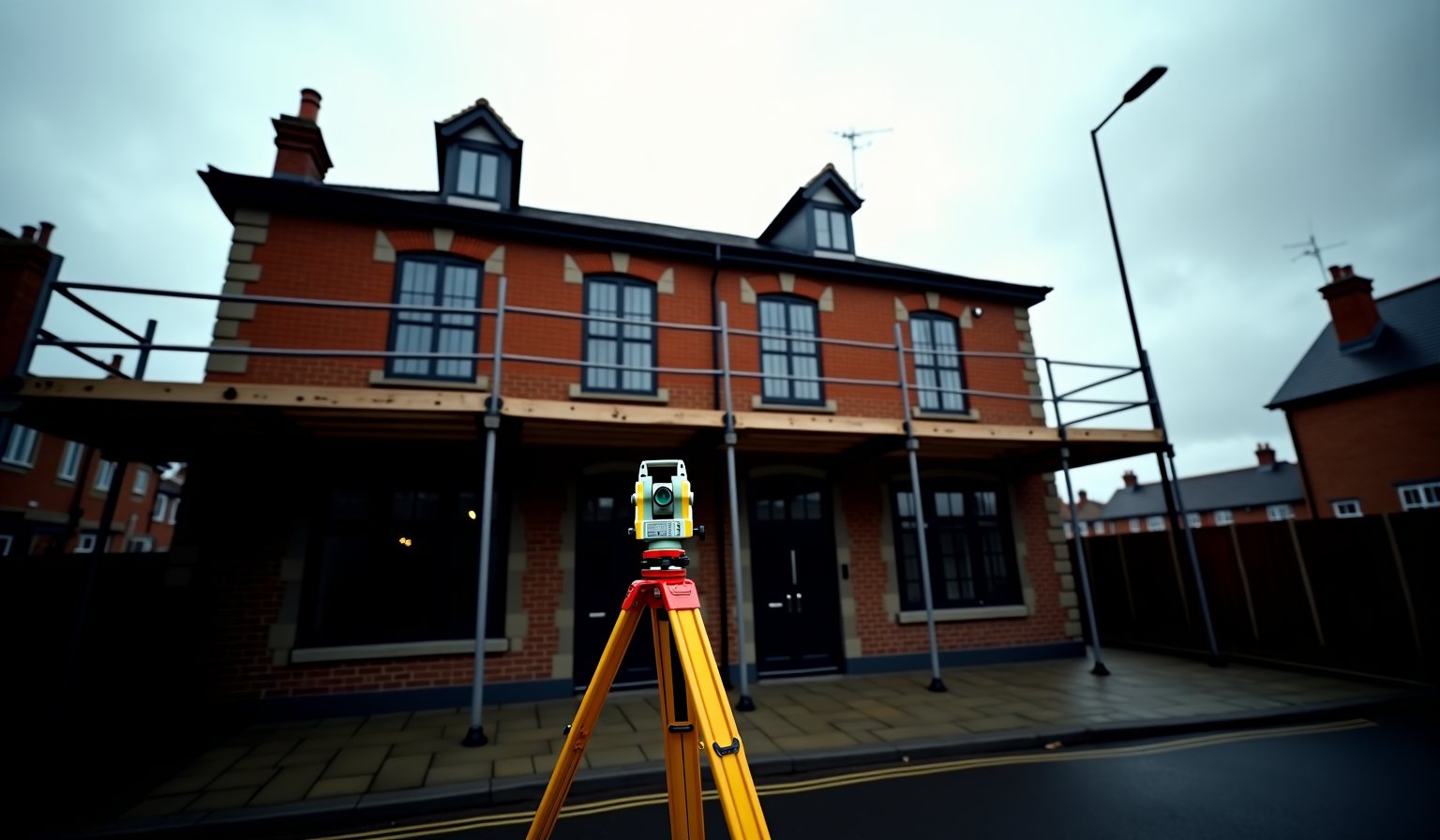
If you live or work in a building constructed before 2000, asbestos may be present in:
- Artex and textured ceiling coatings
- Floor tiles and adhesives
- Roof and wall panels (particularly cement sheets)
- Pipe lagging and boiler insulation
- Soffit boards and ceiling tiles
- Garage roofs and outbuildings
DIY work, renovation, and even routine maintenance can disturb these materials and release fibres — creating an indirect exposure risk for everyone in the building, including children and visitors who have no idea the work is taking place.
A professional management survey is the most effective way to identify ACMs in a property, assess their condition, and put a plan in place to manage them safely. This is a legal requirement for non-domestic premises and strongly recommended for any residential property where work is planned.
Protecting Your Family From Second Hand Asbestos Exposure
Whether the concern is about a worker carrying fibres home or about ACMs in a building, there are practical steps that can significantly reduce the risk of second hand asbestos exposure.
For Workers in High-Risk Occupations
- Change and shower at work — Never travel home in clothing worn during work with asbestos-containing materials. Dedicated on-site changing and shower facilities should be used where available.
- Use approved PPE — Wear appropriate respiratory protective equipment (RPE) and disposable overalls when working with or near ACMs.
- Do not wash contaminated clothing at home — Work clothing that may be contaminated with asbestos fibres should be laundered by specialist facilities, not in a domestic washing machine.
- Decontaminate tools and equipment — Tools used in asbestos-related work should be cleaned using wet methods or HEPA-filtered vacuum equipment before being transported.
- Follow your employer’s asbestos management procedures — Employers have legal duties under the Control of Asbestos Regulations to protect workers and prevent the spread of contamination.
For Homeowners and Property Managers
- Do not disturb suspect materials — If you suspect a material in your property may contain asbestos, do not drill, sand, cut, or break it. Leave it undisturbed until it has been assessed.
- Get a survey before any renovation work — A refurbishment survey is legally required before any work that may disturb the fabric of a building. This protects workers, residents, and anyone else who may be affected.
- Arrange regular re-inspections — ACMs that are in good condition and left undisturbed are generally low risk. But their condition can change over time. A professional re-inspection survey ensures that any deterioration is caught early and managed appropriately.
- Use a licensed contractor for removal — If ACMs need to be removed, always use a licensed specialist. Professional asbestos removal carried out by qualified operatives is the only safe way to eliminate the material from a building.
- Test before you assume — Not every suspect material contains asbestos, and not every safe-looking material is clear. A testing kit allows you to collect a sample for laboratory analysis and get a definitive answer.
Broader Building Safety
Asbestos management sits alongside other building safety obligations. If you manage a commercial property, a fire risk assessment is also a legal requirement — and in some cases, asbestos and fire safety considerations overlap, particularly where fire-resistant boards or ceiling systems are involved.
The Legal Framework: What UK Law Requires
The Control of Asbestos Regulations set out the legal obligations for managing asbestos in the UK. The duty to manage asbestos applies to those responsible for non-domestic premises — including landlords, employers, and managing agents.
Under these regulations, duty holders must:
- Take reasonable steps to identify whether ACMs are present in their premises
- Assess the condition and risk posed by any ACMs found
- Produce and maintain an asbestos register
- Implement and monitor an asbestos management plan
- Share asbestos information with anyone who may work on or disturb the building
HSG264 — the HSE’s definitive guidance on asbestos surveying — sets out the standards that surveys must meet. All Supernova Asbestos Surveys surveys are carried out in accordance with HSG264 by BOHS P402-qualified surveyors, with samples analysed at a UKAS-accredited laboratory.
Failure to comply with these obligations is not just a legal risk — it puts workers, occupants, and their families at risk of the very second hand asbestos exposure this article addresses.
Supernova Asbestos Surveys: Protecting Families Across the UK
With over 50,000 surveys completed and more than 900 five-star reviews, Supernova Asbestos Surveys is one of the UK’s most trusted asbestos consultancies. Our BOHS-qualified surveyors operate nationwide, with dedicated teams covering major cities and surrounding areas.
If you are in the capital, our asbestos survey London service provides fast, fully compliant surveys for residential and commercial properties alike. In the North West, our asbestos survey Manchester team offers the same high standard of service. And across the Midlands, our asbestos survey Birmingham team is ready to help with surveys, re-inspections, and removal coordination.
Whatever your property type or location, we can provide a fixed-price quote with no hidden fees. Get a free quote online today, or call us on 020 4586 0680 to speak with a specialist.
Frequently Asked Questions
What is second hand asbestos exposure and how does it differ from direct exposure?
Second hand asbestos exposure — also known as secondary or para-occupational exposure — occurs when asbestos fibres are carried away from a work environment by a worker and released in a domestic or shared setting. Unlike direct occupational exposure, the person affected has no contact with asbestos at source. They inhale fibres that have been transported on clothing, hair, skin, or tools. The health risks are the same — including mesothelioma, lung cancer, and asbestosis — even though the route of exposure is indirect.
Can second hand asbestos exposure cause mesothelioma?
Yes. There is well-established medical and legal recognition that second hand asbestos exposure can cause mesothelioma. Cases involving spouses and children of workers in the asbestos industries have been documented and litigated in the UK courts. The disease can develop decades after the exposure occurred, which is why cases continue to emerge today among people whose family members worked with asbestos in the mid-twentieth century.
How can I tell if my home contains asbestos?
You cannot identify asbestos by sight alone — many asbestos-containing materials look identical to non-asbestos alternatives. The only reliable way to determine whether a material contains asbestos is laboratory analysis of a sample. A professional asbestos survey is the most thorough approach for an entire property. For individual suspect materials, a postal testing kit allows you to collect a sample safely for analysis. Never attempt to collect samples from materials you believe may be heavily damaged or friable — contact a professional surveyor instead.
Who is legally responsible for managing asbestos in a building?
Under the Control of Asbestos Regulations, the duty to manage asbestos in non-domestic premises falls on the person or organisation responsible for the maintenance and repair of the building — this is typically the owner, landlord, or managing agent. They must take reasonable steps to identify ACMs, assess their condition, maintain an asbestos register, and implement a management plan. In domestic properties, there is no equivalent legal duty, but homeowners have a moral and practical responsibility to manage asbestos safely — particularly before undertaking any renovation or maintenance work.
What should I do if I think I have been exposed to asbestos?
If you believe you have been exposed to asbestos — whether directly or through second hand exposure — you should speak to your GP and mention the potential exposure history clearly. Early monitoring of lung health can be important, particularly if exposure was significant or prolonged. You should also seek legal advice if the exposure occurred in a workplace or through an employer’s negligence, as compensation claims may be possible. For your property, arrange a professional asbestos survey to understand whether ongoing exposure is a risk in your home or workplace.