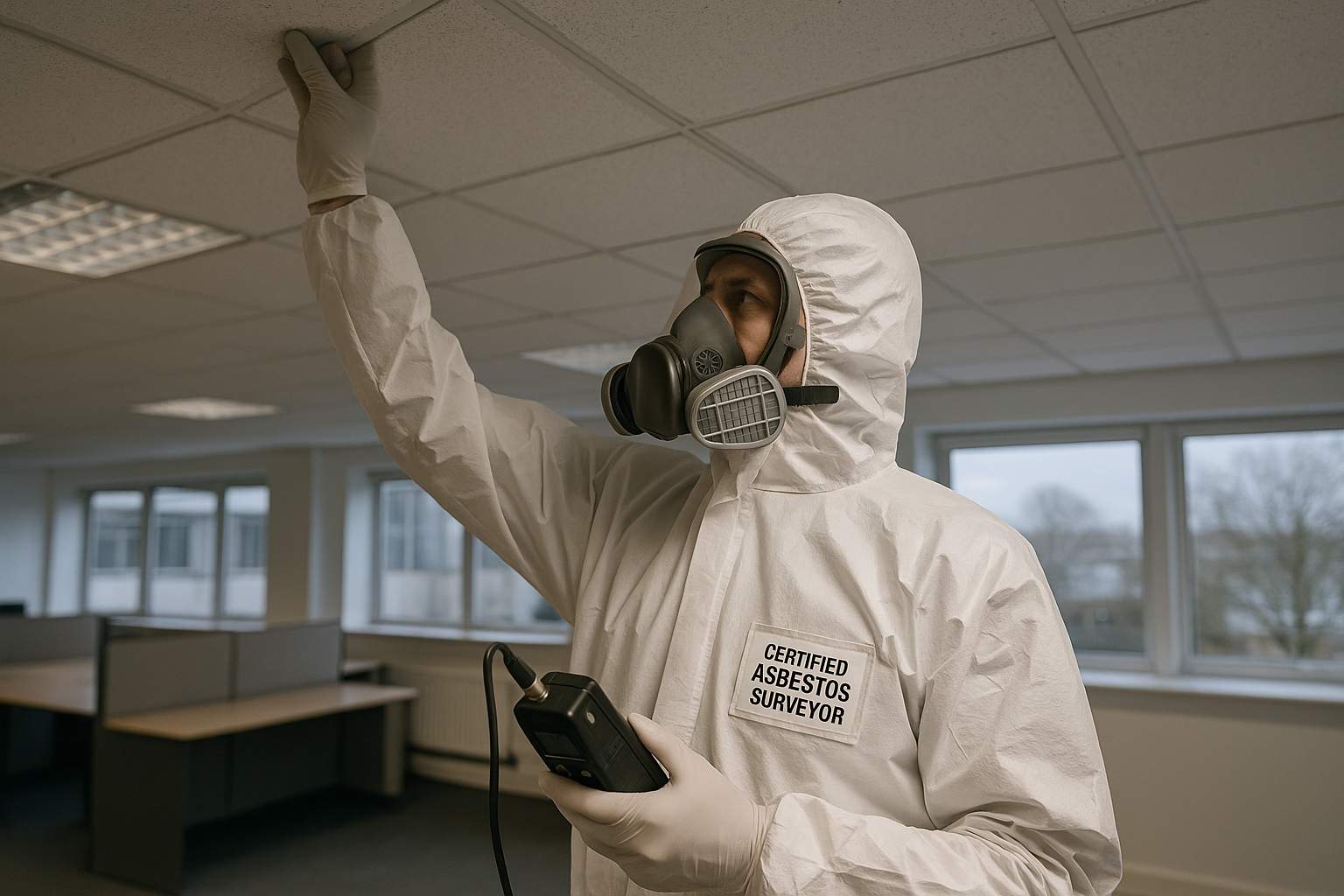
A hidden asbestos issue can turn a routine repair into a stopped job, a contractor exposure concern and a compliance headache in a matter of minutes. If you are responsible for asbestos commercial property risks, the real challenge is not simply whether asbestos is present, but whether you know where it is, what condition it is in and how your team will prevent it being disturbed.
For landlords, managing agents, facilities managers and commercial property owners, asbestos is a day-to-day management issue. Offices, shops, warehouses, schools, industrial units, mixed-use buildings and older communal areas may all contain asbestos-containing materials, particularly where premises were built or refurbished before asbestos use was fully prohibited.
When asbestos-containing materials remain in good condition and are left undisturbed, they can often be managed safely. When they are damaged, drilled, cut, broken or deteriorate over time, fibres may be released. That is when asbestos commercial property risks become serious for staff, tenants, visitors and contractors.
Why asbestos commercial property risks need active management
The duty to manage asbestos in non-domestic premises sits under the Control of Asbestos Regulations. In practice, the person or organisation responsible for maintenance and repair must take reasonable steps to determine whether asbestos is present, assess the risk and put a plan in place to manage that risk.
This is not a paperwork exercise. If your building contains ageing ceiling tiles, insulation board, floor tiles, pipe insulation, cement sheets, sprayed coatings or textured finishes, you need reliable information before any maintenance or building work starts.
Commercial premises create particular challenges because many different people may interact with the building fabric. A small task can disturb asbestos if no one checks the right information first.
- Maintenance teams carrying out routine repairs
- Electricians drilling into walls or soffits
- IT and security installers fixing equipment
- Fit-out contractors altering partitions or ceilings
- Cleaning teams entering risers, loft spaces or plant rooms
- Tenants making unauthorised changes
If asbestos is present and unknown, the risk is immediate rather than theoretical. That can lead to exposure concerns, site shutdowns, emergency sampling, project delays and difficult questions about whether your legal duties have been met.
Where asbestos is found in commercial property
In asbestos commercial property settings, asbestos can appear in more places than most people expect. It was used for insulation, fire protection, sound reduction and durability, so it may be found in both visible and concealed areas.
Common asbestos-containing materials in commercial buildings
- Asbestos insulating board in partitions, ceiling tiles, boxing and fire breaks
- Pipe lagging around heating systems and plant
- Sprayed coatings to structural steel or ceilings
- Floor tiles and bitumen adhesive
- Textured coatings on walls and ceilings
- Asbestos cement roof sheets, wall panels, gutters and downpipes
- Service duct panels and riser linings
- Toilet cisterns, bath panels and backing boards
- Boiler and heater insulation
- Fire doors and associated panels
- Lift shaft linings and plant room materials
The type of material matters because some products are more likely to release fibres if disturbed. Pipe lagging and asbestos insulating board generally present a higher risk than asbestos cement, but any suspect material should be assessed properly rather than guessed at.
Older buildings need extra caution
If a commercial building was built or refurbished before asbestos use was banned, it is sensible to presume asbestos may be present unless a suitable survey shows otherwise. This matters when buying a property, taking on a lease, planning works or inheriting management responsibility for an existing site.
Do not rely blindly on old paperwork. Previous reports may be limited in scope, out of date, based on inaccessible areas only or no longer reflect the current condition and layout of the building.
Who is responsible for asbestos commercial property compliance?
Responsibility depends on who controls maintenance and repair, not simply who owns the freehold. In many cases the dutyholder may be a landlord, managing agent, facilities manager, tenant or a combination of parties depending on the lease and how responsibilities are split.
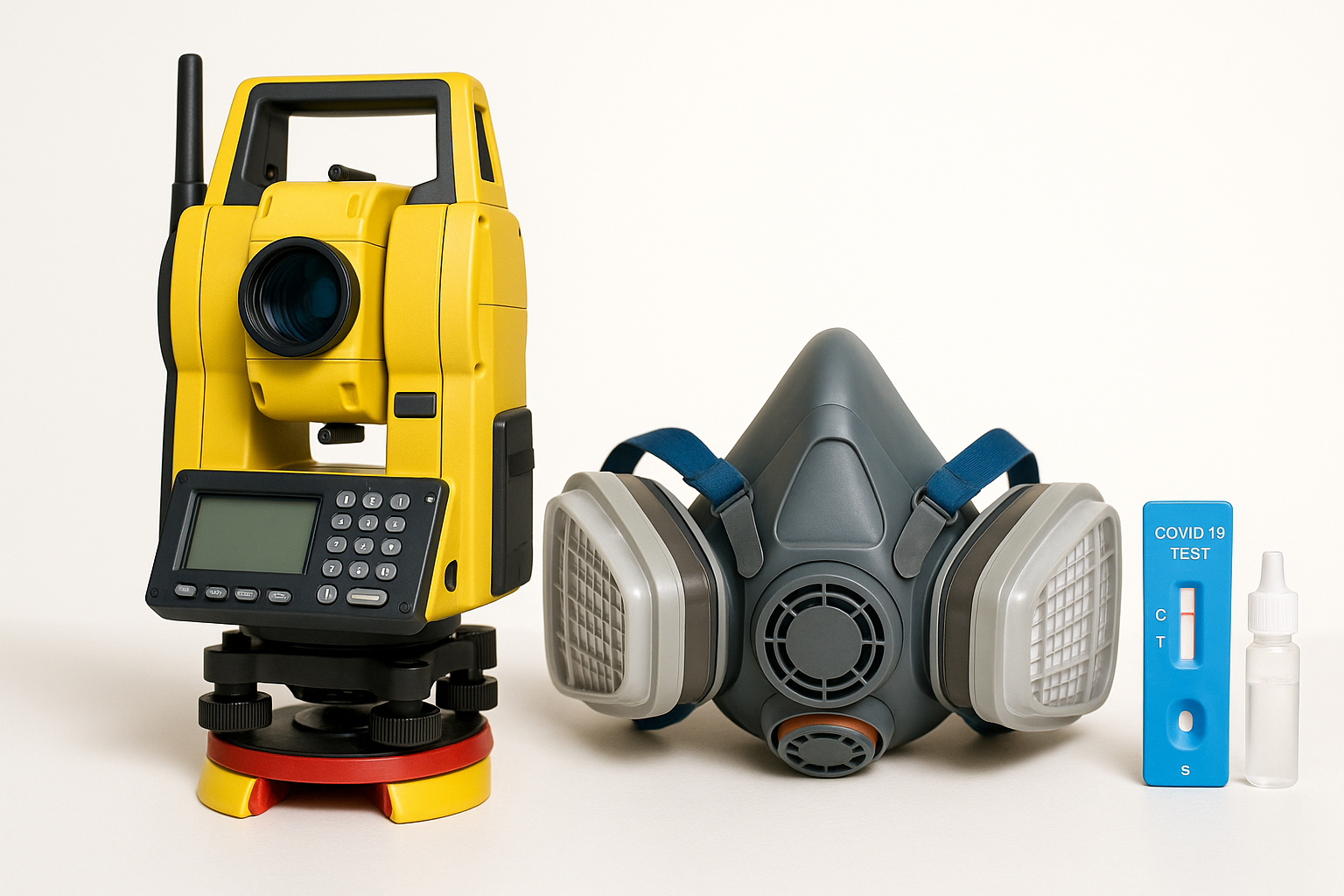
Under the Control of Asbestos Regulations, dutyholders should:
- Take reasonable steps to find out whether asbestos is present
- Presume materials contain asbestos unless there is strong evidence to the contrary
- Assess the risk of anyone being exposed to fibres
- Prepare and maintain a plan for managing the risk
- Provide information to anyone likely to disturb asbestos
- Review the plan and monitor materials regularly
Survey work should follow HSG264, the HSE guidance for asbestos surveys. That matters because the survey type, scope and reporting standard determine whether the information is actually useful for managing risk on site.
If contractors are due to start work, they need accurate asbestos information before they begin. Handing over an outdated report, or no report at all, can leave you facing delays, extra cost and possible enforcement action.
What happens when asbestos management is poor?
Poor asbestos management rarely causes one problem at a time. It usually creates several.
- Potential exposure for contractors, staff or occupants
- Immediate work stoppages during repairs or refurbishment
- Unexpected sampling, clean-up and project costs
- Difficulty proving compliance to insurers or clients
- Disruption to tenants and reputational damage
- Enforcement action by the HSE or local authority where relevant
- Civil claims where contamination or exposure causes loss
The practical answer is straightforward: know what is in the building, keep records current and make sure the right people can access the right information before work starts.
Which survey does an asbestos commercial property need?
Choosing the wrong survey is a common and expensive mistake. The correct survey depends on how the premises are being used and whether any work will disturb the building fabric.
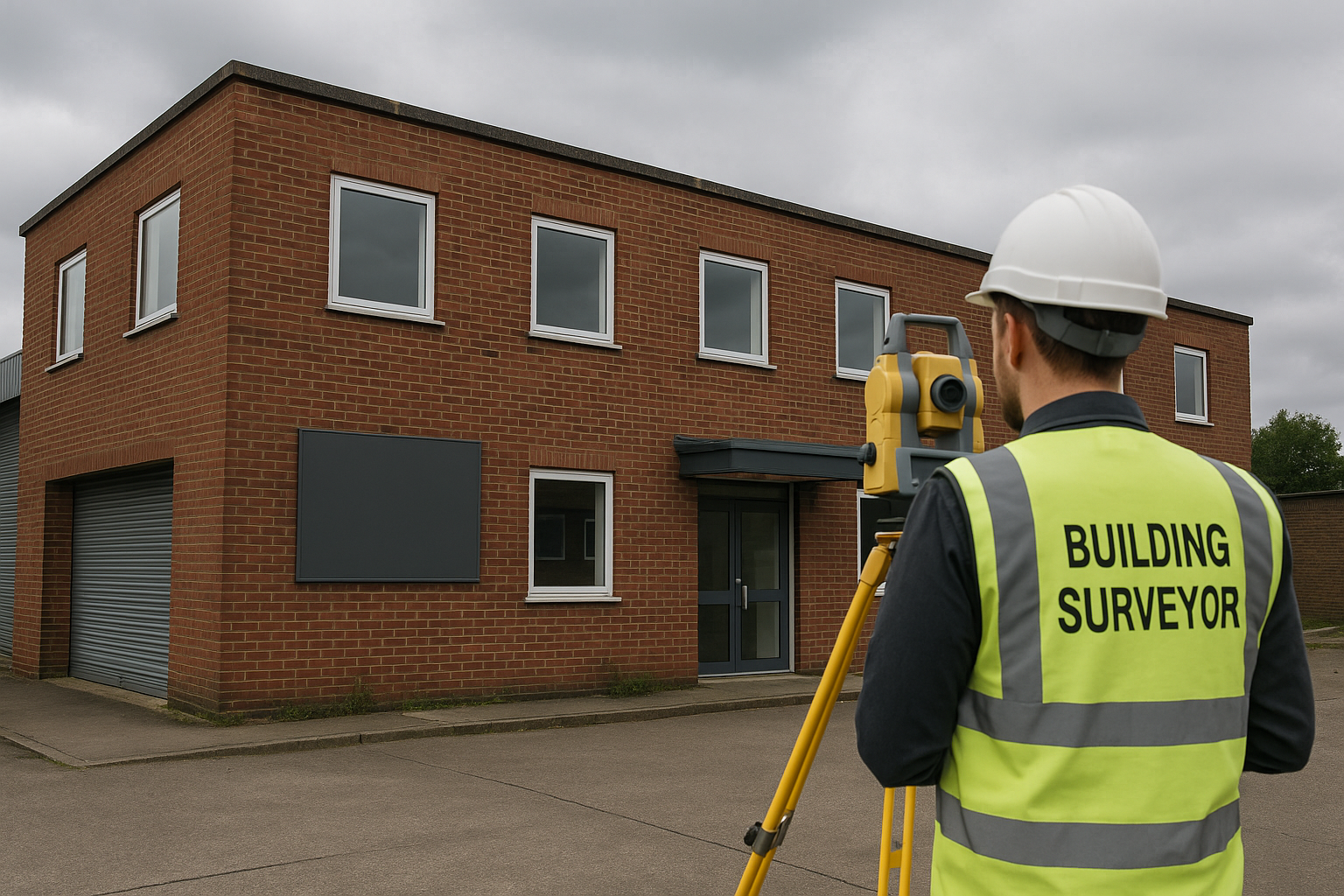
Management survey
A management survey is the standard survey for occupied premises where the aim is to manage asbestos during normal use and routine maintenance. It identifies, as far as reasonably practicable, the presence and condition of asbestos-containing materials that could be disturbed during everyday occupation.
This is usually the starting point for an asbestos commercial property strategy. It supports the asbestos register and helps dutyholders make informed decisions about maintenance and access.
Refurbishment survey
If intrusive works are planned, you will usually need a refurbishment survey. This survey is more intrusive and is designed to locate asbestos in the specific area where refurbishment, strip-out or upgrade works will take place.
Without it, hidden asbestos behind walls, above ceilings, under floors or inside service ducts can be disturbed without warning. That can stop a project immediately and create avoidable contamination risks.
Re-inspection survey
Where asbestos-containing materials have already been identified and remain in place, a re-inspection survey helps confirm whether their condition has changed. This is a key part of ongoing management, especially in busy commercial environments where damage, wear or tenant activity may affect materials over time.
Re-inspections should be planned rather than left until a problem is spotted. Waiting for visible damage is not a sensible management system.
What a proper asbestos management plan should include
Finding asbestos is only the beginning. In asbestos commercial property management, the real value comes from turning survey findings into a practical system that staff, contractors and managing agents can actually use.
A workable asbestos management plan should include:
- An up-to-date asbestos register
- The location of known or presumed asbestos-containing materials
- Material assessments and priority assessments where appropriate
- Photographs and plans where they help identification
- Clear actions for monitoring, labelling, encapsulation or repair
- Procedures for sharing information with contractors and staff
- Emergency arrangements if materials are damaged
- Review dates and re-inspection schedules
Keep the plan accessible. It should not sit in a folder that no one checks while maintenance staff and contractors work blind. Anyone authorising works, issuing permits or briefing trades should know how to review the asbestos register first.
Practical day-to-day controls
Simple controls prevent a lot of avoidable problems. If you manage commercial premises, these actions make a real difference:
- Check the asbestos register before any maintenance task starts.
- Make sure contractors receive relevant asbestos information before arriving on site.
- Train site staff to report damage to suspect materials immediately.
- Control access to risers, service voids, lofts and plant rooms.
- Set clear written rules for tenant alterations and fit-outs.
- Review survey information after layout changes or refurbishment.
- Schedule periodic re-inspections instead of reacting to incidents.
These are straightforward measures, but they often separate effective compliance from costly disruption.
When asbestos should be removed rather than managed
Not all asbestos has to be removed immediately. In many cases, materials in good condition and low-risk locations can remain in place if they are monitored and managed properly.
The decision depends on the type of material, its condition, where it is located and how likely it is to be disturbed. Removal is more likely to be necessary when:
- The material is damaged or deteriorating
- Planned work will disturb it
- It sits in a vulnerable or high-traffic location
- Encapsulation is unsuitable or unreliable
- Its presence repeatedly interferes with maintenance
Where removal is required, use a competent specialist service for asbestos removal. Some asbestos work must be carried out by a licensed contractor, and the correct approach depends on the material and the task involved.
Do not ask general builders to deal with suspect asbestos. If there is uncertainty, stop work, isolate the area if needed and get specialist advice before anything else happens.
What to expect from a professional asbestos survey
A proper survey should be clear, methodical and aligned with HSG264 guidance. The surveyor will inspect the relevant areas, identify suspect materials, take samples where appropriate and record locations, product types and condition.
Those samples are analysed by a suitable laboratory, and the report should give you practical information rather than vague warnings. A useful report will normally include:
- A summary of findings
- Sample results
- Material assessments
- Photographs and location details
- An asbestos register
- Recommendations for management or further action
If you are responsible for asbestos commercial property compliance, always ask whether the survey scope matches your actual needs. A management survey does not replace a refurbishment survey before intrusive works.
Can a testing kit help?
In limited situations, a testing kit can help confirm whether a specific material contains asbestos. This may be useful where a single suspect item needs laboratory analysis and there is no wider management issue.
However, a kit is not a substitute for a full survey in commercial premises. Dutyholders usually need a broader understanding of asbestos location, extent, condition and risk across the site. If the property is occupied, managed by an organisation or due for works, a professional survey is usually the better option.
Asbestos and other commercial property compliance duties
Asbestos management does not sit on its own. In commercial buildings, it often overlaps with wider health and safety and building risk controls.
Access routes, service risers, plant rooms and compartmentation features may be relevant to both asbestos management and fire safety planning. If you are reviewing site compliance more broadly, it can make sense to coordinate asbestos checks with a fire risk assessment.
This joined-up approach is particularly useful in mixed-use properties, offices with shared common parts and premises undergoing upgrade works. It helps reduce duplication and gives property teams a clearer picture of building risk.
How to budget and plan for asbestos commercial property compliance
One reason asbestos gets mishandled is poor planning. Owners and managers leave it until a lease event, fit-out, dilapidation issue or urgent repair forces the issue.
A better approach is to build asbestos management into normal property operations. That means allowing for surveys, re-inspections, minor remedial work and removal where required.
Review your asbestos arrangements when:
- You acquire a building
- A new tenant takes occupation
- A lease requires landlord works
- Contractors are appointed
- Refurbishment is proposed
- Damage is reported
- Existing survey information is no longer current
If you manage multiple sites, standardise your process. Keep survey records in one place, use a consistent contractor briefing procedure and assign clear responsibility for updating the asbestos register.
A simple planning checklist
- Confirm who the dutyholder is for each property.
- Check whether a suitable current survey exists.
- Review whether identified materials need re-inspection.
- Make sure contractors can access asbestos information before work starts.
- Plan remedial works or removal before they become urgent.
- Record actions taken and review the plan regularly.
Buying, leasing or refurbishing a commercial property
Transactions and works programmes are common points where asbestos commercial property issues come to the surface. A buyer may discover old survey information is incomplete. A tenant may assume the landlord has dealt with asbestos when no current register exists. A contractor may start opening up the fabric of the building before the right survey has been commissioned.
Before committing to a purchase, lease or refurbishment programme, ask practical questions:
- Is there a current asbestos survey, and is it suitable for the intended use?
- Does the report cover all relevant areas of the building?
- Have any materials been removed, damaged or altered since the survey?
- Is there an asbestos register and management plan?
- Who is responsible for future inspections and contractor communication?
These checks are far easier to deal with before contracts are signed or works begin. Leaving them until the last minute usually means delay and extra cost.
Regional support for commercial portfolios
If you manage sites across different cities, consistency matters. Working with one experienced provider can make reporting, re-inspections and contractor communication much easier across a portfolio.
Supernova supports commercial clients nationwide, including those needing an asbestos survey London service for offices and mixed-use buildings in the capital, an asbestos survey Manchester for industrial and commercial premises in the North West, or an asbestos survey Birmingham for properties across the Midlands.
For portfolio managers, the benefit is not just local coverage. It is having a consistent standard of surveying, reporting and follow-up across every site.
Common mistakes commercial property managers should avoid
Most asbestos problems in commercial buildings do not happen because no one cares. They happen because assumptions are made.
- Assuming an old survey is still valid without checking the scope
- Sending contractors to site before asbestos information is reviewed
- Confusing a management survey with a refurbishment survey
- Failing to re-inspect known asbestos-containing materials
- Letting tenants carry out alterations without approval
- Storing asbestos records where no one can find them quickly
- Trying to save time by asking non-specialists to deal with suspect materials
Avoiding these mistakes is largely about process. Put clear checks in place, make asbestos information easy to access and insist that no intrusive work starts without the right survey.
Get expert help with asbestos commercial property management
If you are responsible for asbestos commercial property risks, the safest approach is to deal with them before they interrupt maintenance, refurbishment or tenant occupation. Clear surveys, current records and practical management plans make compliance easier and reduce the chance of costly surprises.
Supernova Asbestos Surveys has completed more than 50,000 surveys nationwide and supports landlords, managing agents, facilities teams and commercial property owners with surveys, re-inspections, sampling and removal coordination. To arrange advice or book a survey, call 020 4586 0680 or visit asbestos-surveys.org.uk.
Frequently Asked Questions
Do all commercial properties need an asbestos survey?
Not every property will need the same type of survey, but if a non-domestic building was built or refurbished when asbestos may have been used, the dutyholder must take reasonable steps to determine whether asbestos is present. In practice, that often means commissioning a suitable survey and keeping the information up to date.
What is the difference between a management survey and a refurbishment survey?
A management survey is used to help manage asbestos during normal occupation and routine maintenance. A refurbishment survey is needed before intrusive works so hidden asbestos in the work area can be identified before contractors disturb it.
Can asbestos in commercial property be left in place?
Yes, if the material is in good condition, is unlikely to be disturbed and is properly managed. The decision should be based on the type of material, its condition, location and the likelihood of future disturbance.
How often should asbestos be re-inspected?
There is no single interval that suits every building. Re-inspection frequency should be based on the material, its condition and the level of disturbance risk. Known asbestos-containing materials should be reviewed regularly as part of the management plan.
What should I do if contractors uncover suspect asbestos during work?
Stop work immediately, prevent further disturbance and keep people away from the area. Then arrange for the material to be assessed by a competent asbestos professional so the next steps can be decided safely.