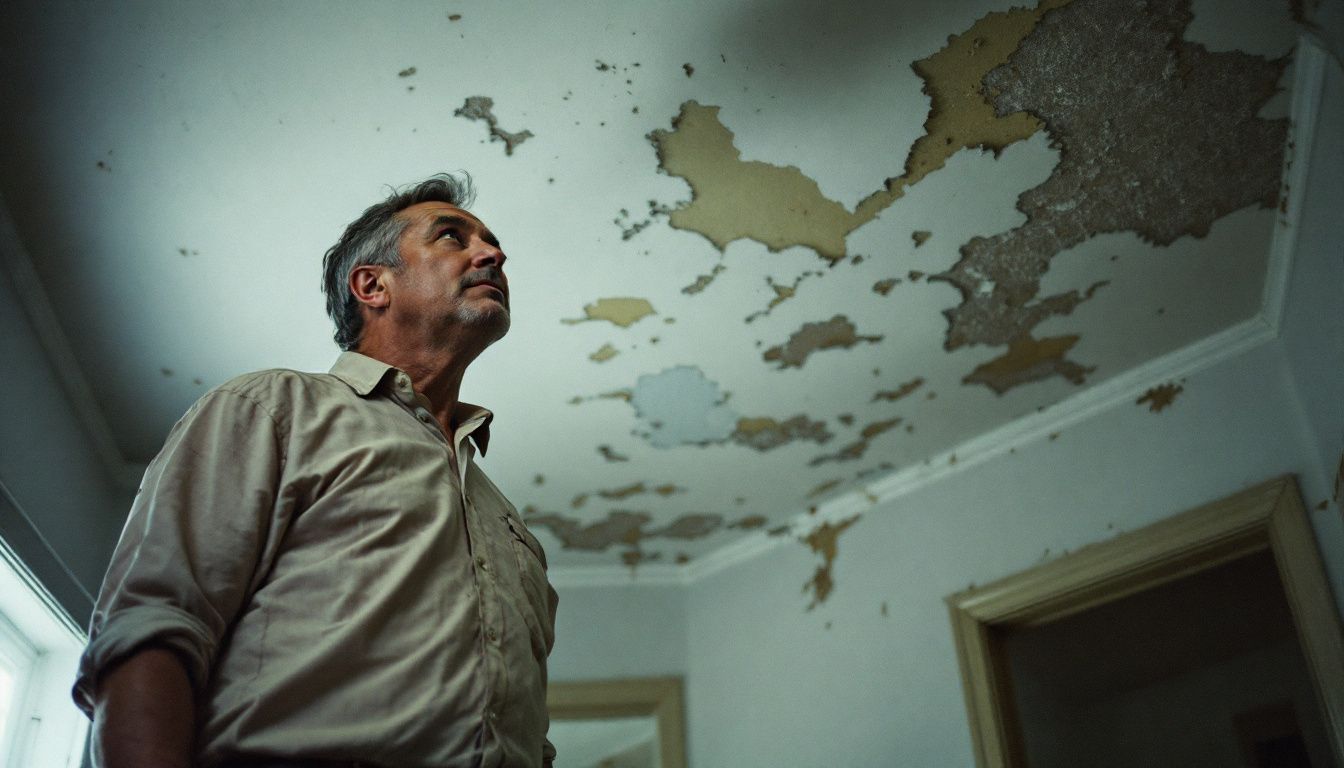
Asbestos Collections: Your Complete Guide to Safe Waste Handling and Disposal
Asbestos waste does not simply disappear once it has been removed from a building. Proper asbestos collections — the process of packaging, storing, transporting, and disposing of asbestos-containing materials — require strict compliance with UK law and HSE guidance. Get it wrong and you risk serious health consequences, enforcement action, and significant fines.
Whether you manage a commercial property, a school, or a block of flats, understanding your legal duties here is non-negotiable. This post walks you through every stage of the process, from keeping fibres contained during removal to ensuring waste reaches a licensed disposal site.
Why Safe Asbestos Collections Matter
Asbestos was widely used in UK construction until it was fully banned in 1999. Millions of buildings still contain it today — in roof sheets, pipe lagging, floor tiles, insulating board, and textured coatings. When these materials are disturbed, microscopic fibres become airborne and can be inhaled.
Exposure to asbestos fibres causes mesothelioma, lung cancer, asbestosis, and pleural disease. There is no safe level of exposure, and symptoms can take decades to appear. That is why every step of the asbestos collections process — from the moment material is removed to the point it reaches a licensed landfill — must be handled correctly.
The Control of Asbestos Regulations set out the legal framework in the UK. The Environmental Protection Act and HSE guidance documents, particularly HSG264, provide further detail on duties and safe methods. Non-compliance can result in prosecution, improvement notices, and prohibition orders.
Key Safety Guidelines Before Any Work Begins
Before asbestos waste is collected, the removal work itself must be carried out safely. Poor practice during removal creates contamination that complicates the entire collections process.
Keep Materials Damp Throughout
Water suppresses fibre release. Lightly mist asbestos-containing materials before, during, and after removal using a hand sprayer or low-pressure hose. Never use high-pressure jets — these spread contamination rather than containing it.
Target edges, cut lines, and fixings where dust levels are highest. Wipe down tools and surfaces with disposable damp cloths. The HSE supports wet methods for asbestos cement, pipe lagging, and old plasters, and they are consistent with your duties under COSHH — the Control of Substances Hazardous to Health.
Never Cut, Break, or Saw Asbestos Materials
Cutting or snapping asbestos releases fine fibres that can remain suspended in the air for hours. Keep sheets and boards whole wherever possible. Power tools are high risk and should only be used by licensed professionals with appropriate controls in place.
For large asbestos pipes, specialist cutters designed to work with water suppression can be used — but standard cut-off saws, even with water, push dust levels above UK workplace exposure limits. Stick to safer methods to protect workers and remain compliant with the Environmental Protection Act.
Use Appropriate PPE at All Times
Operatives must wear correctly fitted respiratory protective equipment (RPE), disposable coveralls, gloves, and overshoes. RPE must meet the required protection factor for the type of asbestos being handled.
HEPA-filtered vacuum equipment should be used to clean up residual dust — never a standard vacuum or brush. This applies at every stage of the process, not just during initial removal.
Correct Packaging for Asbestos Waste Collections
Packaging is one of the most critical stages of asbestos collections. Poorly sealed or incorrectly labelled waste creates risk for everyone who handles it downstream — from the collection operative to the landfill operative.
Use UN-Approved Hazardous Waste Bags Only
UN-approved bags must be used for asbestos waste. These meet Dangerous Goods Regulations and are a legal requirement across the UK. Each bag must carry a clear warning — typically “Danger: Contains Asbestos Fibres” — so that anyone handling the load understands the hazard immediately.
For small items, use a double-bag system: a red inner bag, then a clear outer bag made from heavy-duty polythene at least 1000-gauge thick. Both bags must be labelled. Seal each bag securely and check the seals before loading for collection.
Double-Bag or Double-Wrap All Materials
1000-gauge polythene resists tearing from sharp edges and prevents leaks during handling. For larger materials — such as asbestos cement roofing panels or sections of pipe lagging — wrapping is more practical than bagging. Wrap tightly, seal all joints with strong tape, and label the package clearly as asbestos waste.
Double-wrapping is especially important for friable asbestos, which crumbles easily and releases loose dust. A single layer is not sufficient protection for this type of material. Contaminated packaging that splits during transport can result in enforcement action and significant clean-up costs.
Labelling Requirements
Every package must be clearly labelled before it leaves the site. Labels should include:
- A clear asbestos hazard warning
- The type of asbestos if known (e.g. chrysotile, amosite, crocidolite)
- The site address and date of removal
- The name of the contractor responsible for packaging
Unlabelled or incorrectly labelled asbestos waste is a legal offence. Carriers can and do refuse to collect loads that do not meet these requirements.
Temporary Storage of Asbestos Waste
Once packaged, asbestos waste must be stored correctly until collection. Poor storage arrangements create risk for site workers, members of the public, and the wider environment.
Use Dedicated, Lockable Storage
Store asbestos waste in a dedicated, locked area away from general site traffic, drains, and other building materials. Use only lockable, sealed skips designed for hazardous materials — never general waste containers or open skips.
Skips must carry clear signage identifying them as asbestos waste containers and meeting UN Class 9 marking requirements. Inspect skips regularly for rust, holes, or loose lids. Any damaged skip must be repaired or replaced immediately to prevent fibre escape.
Storage Duration and Site Conditions
Keep storage periods as short as reasonably practicable. Asbestos waste should be kept dry, upright where possible, and away from areas where it could be damaged by vehicles or plant machinery. Do not allow asbestos waste to accumulate on site for extended periods without arranging a licensed collection.
These requirements sit under both the Control of Asbestos Regulations and the Environmental Protection Act. Failure to store waste correctly can result in enforcement action from the Environment Agency, HSE, or your local authority.
Transportation and Licensed Asbestos Collections
Moving asbestos waste from site to disposal facility is a regulated activity. Only licensed waste carriers may legally transport asbestos waste in the UK.
Verify Your Carrier’s Credentials
Before booking any asbestos collection, check that the carrier is registered with the Environment Agency (in England), Natural Resources Wales, SEPA (in Scotland), or the NIEA (in Northern Ireland). Ask for copies of their waste carrier licence and insurance before work begins, and keep these on file.
Drivers transporting dangerous goods — including packaged asbestos waste — must hold valid ADR training certificates. Vehicles must use secure, sealed containers to prevent fibre release during transit. Check that all packages are intact, correctly labelled, and properly sealed before loading.
Consignment Notes and Paperwork
Every asbestos waste collection requires a consignment note. This document records the nature of the waste, its quantity, the collection point, the carrier’s details, and the receiving facility. Both the carrier and the waste producer must sign it.
Keep copies of all consignment notes for a minimum of three years. These records are your evidence of compliance during HSE or Environment Agency inspections. Missing paperwork is treated seriously and can expose your organisation to significant liability.
Disposal at Authorised Sites Only
Asbestos waste must be disposed of at a landfill site licensed to accept hazardous waste. It cannot be recycled, composted, or incinerated — asbestos mineral fibres are heat-resistant and do not break down safely.
Never place asbestos waste in household bins, general skips, or trade waste containers. For small quantities — such as a few asbestos cement sheets from a domestic property — your local council can advise on Household Waste Recycling Centres approved to accept asbestos. Always confirm acceptance before attending.
Licensed vs Non-Licensed Asbestos Removal: What You Need to Know
The type of asbestos removal work being carried out determines the level of regulatory control that applies. This affects who can do the work, what notifications are required, and what records must be kept — but the rules around asbestos collections and disposal remain the same regardless.
Licensed Asbestos Removal
High-risk removal work — including sprayed coatings, pipe insulation, lagging, and most asbestos insulating board (AIB) — must be carried out by contractors holding a valid HSE asbestos licence. HSE must be notified at least 14 days before work starts.
All workers must undergo medical surveillance, and detailed exposure records must be maintained. Licensed removal work requires supervision by a competent person and, in most cases, air monitoring and a clearance certificate from a UKAS-accredited analyst before the area can be reoccupied. Always verify that your contractor holds a current HSE licence before work begins.
Non-Licensed and Notifiable Non-Licensed Work
Lower-risk work — such as removing intact asbestos cement sheets or small non-friable panels — may be carried out by trained staff without a licence, provided exposure is low and duration is short. Specific limits apply: one person working for under one hour, or a team working for under two hours total in a seven-day period.
Some non-licensed work falls into the category of Notifiable Non-Licensed Work (NNLW). This requires online notification to HSE before work begins, medical surveillance for workers, and records of exposure and health checks. Training is essential for all operatives, and annual refreshers are strongly recommended.
Regardless of whether work is licensed or non-licensed, the packaging, labelling, storage, transport, and disposal requirements for asbestos collections remain identical. There is no reduced standard for non-licensed waste.
Asbestos Surveys: The Essential First Step
Before any removal or collection work takes place, you need to know exactly what you are dealing with. An asbestos survey identifies the location, type, and condition of asbestos-containing materials in a building, and provides the information needed to plan safe removal and collections.
A management survey is suitable for occupied buildings and helps you manage asbestos in place without disturbance. It gives you the data needed to build or update your asbestos management plan and assess risk to occupants on an ongoing basis.
A demolition survey is required before any major refurbishment or demolition works. It involves full intrusive access to all areas — including voids, ceiling spaces, and behind finishes — to locate every asbestos-containing material before work begins. This is a legal requirement under the Control of Asbestos Regulations.
A thorough survey gives you the foundation for a compliant asbestos management plan and ensures that any collections work is scoped and carried out correctly from the outset.
Common Mistakes That Compromise Asbestos Collections
Even well-intentioned site managers make errors that undermine safe collections. These are the most common pitfalls to avoid:
- Using non-approved bags or single-layer wrapping. Standard bin bags and thin polythene offer no meaningful protection. Always use UN-approved, 1000-gauge heavy-duty bags or sheeting.
- Failing to label packages correctly. Unlabelled waste is a legal offence and creates genuine hazard for everyone who handles it. Label every package before it leaves your hands.
- Storing waste in open or unsecured areas. Asbestos waste left in open skips, unsealed containers, or accessible areas breaches your legal duties and creates a contamination risk.
- Using unlicensed carriers. Handing asbestos waste to an unregistered carrier exposes you to liability even if you acted in good faith. Always verify credentials before booking.
- Losing consignment notes. These are legal documents. Treat them accordingly and file them securely for at least three years.
- Skipping the survey stage. Attempting removal without a proper survey means you may disturb asbestos unknowingly, creating fibre release and complicating the entire collections process.
- Mixing asbestos waste with general waste. This contaminates general waste streams and creates a serious legal and health risk. Asbestos waste must always be segregated and handled separately.
Asbestos Collections Across the UK: Regional Considerations
The core legal framework for asbestos collections applies across England, Scotland, Wales, and Northern Ireland. However, there are some regional differences in how waste carrier registration and enforcement are managed.
In England, waste carriers must be registered with the Environment Agency. In Scotland, registration is with SEPA. In Wales, it is Natural Resources Wales. In Northern Ireland, the NIEA oversees registration. Always verify which regulatory body applies to your location and confirm your carrier is registered accordingly.
Local authority involvement also varies. Some councils operate specific drop-off facilities for small quantities of domestic asbestos waste, while others direct residents to approved contractors. Contact your local authority environmental health team if you are unsure about arrangements in your area.
Supernova Asbestos Surveys operates nationwide. If you need an asbestos survey in London, an asbestos survey in Manchester, or an asbestos survey in Birmingham, our experienced surveyors can be on site quickly and provide clear, actionable reports that underpin compliant collections and disposal.
What to Do If You Discover Asbestos Unexpectedly
Unexpected asbestos discoveries are more common than many property managers expect — particularly during refurbishment of older buildings. If you suspect you have disturbed asbestos-containing material without prior survey, stop work immediately.
Clear the area and restrict access. Do not attempt to clean up or repackage disturbed material without specialist advice. Contact a competent asbestos surveyor to assess the situation and advise on next steps, including whether air monitoring is required.
Document everything — the time, location, nature of the material, and who was present. This information is critical if HSE or the Environment Agency become involved. Acting promptly and transparently demonstrates duty of care and can significantly reduce your legal exposure.
Once the area has been assessed and any immediate risks managed, a formal survey should be commissioned before work resumes. This ensures that all asbestos-containing materials are identified and that any subsequent collections are planned and executed correctly.
Frequently Asked Questions
What is the correct way to package asbestos waste for collection?
Asbestos waste must be double-bagged in UN-approved heavy-duty polythene bags of at least 1000-gauge thickness. Each bag must be labelled with an asbestos hazard warning, the type of asbestos if known, the site address, the removal date, and the contractor’s name. Larger items should be double-wrapped in heavy-duty polythene sheeting and sealed with strong tape. All packaging must be intact and correctly labelled before the carrier loads it for transport.
Who is legally allowed to transport asbestos waste in the UK?
Only carriers registered with the appropriate environmental regulator — the Environment Agency in England, SEPA in Scotland, Natural Resources Wales in Wales, or the NIEA in Northern Ireland — may legally transport asbestos waste. Drivers must hold valid ADR training certificates, and vehicles must use sealed, secure containers. Always ask for proof of registration and insurance before booking a collection, and keep copies on file.
Do I need a consignment note for every asbestos collection?
Yes. A consignment note is a legal requirement for every movement of asbestos waste. It must record the nature and quantity of the waste, the collection point, the carrier’s details, and the receiving disposal facility. Both the waste producer and the carrier must sign it. You are legally required to retain copies for a minimum of three years, as these documents are your primary evidence of compliance during inspections.
Can I dispose of small amounts of asbestos in a general skip or household bin?
No. Asbestos waste must never be placed in general skips, household bins, or trade waste containers, regardless of quantity. For small domestic quantities — such as a few asbestos cement sheets — contact your local council to find out whether your nearest Household Waste Recycling Centre is licensed to accept asbestos. Always confirm acceptance in advance. Illegal disposal of asbestos waste can result in prosecution and significant fines.
Do I need a survey before arranging asbestos collections?
Yes. A survey is essential before any removal or collections work takes place. Without one, you cannot know the type, condition, or extent of asbestos-containing materials in a building — and that information directly affects how removal and collections must be managed. A management survey is appropriate for occupied buildings, while a demolition survey is required before refurbishment or demolition works. Attempting removal without a prior survey is a breach of the Control of Asbestos Regulations.
Get Expert Help With Asbestos Collections and Surveys
Managing asbestos collections correctly requires expert knowledge at every stage — from the initial survey through to licensed disposal. Supernova Asbestos Surveys has completed over 50,000 surveys nationwide and works with property managers, contractors, local authorities, and housing providers across the UK.
Our surveyors are fully qualified, our reports are clear and actionable, and we can advise on every aspect of your legal duties — including safe collections, storage, and disposal. Whether you need a management survey for an occupied building or a demolition survey ahead of major works, we are ready to help.
Call us on 020 4586 0680 or visit asbestos-surveys.org.uk to book your survey or speak to one of our team.