Before the First Drill Goes In: What an Asbestos Refurbishment Survey Actually Covers
Strip out a building without the right checks and you can turn a routine project into a serious health crisis and a legal headache. An asbestos refurbishment survey is the step that reveals what is hidden behind walls, above ceilings, under floors and inside service risers before a single contractor arrives on site.
If your property was built before 2000 and you are planning anything beyond light decorative work, you need clear information before works begin. That means identifying asbestos-containing materials likely to be disturbed, planning the right controls and avoiding delays, enforcement action and unsafe fibre exposure.
What Is an Asbestos Refurbishment Survey?
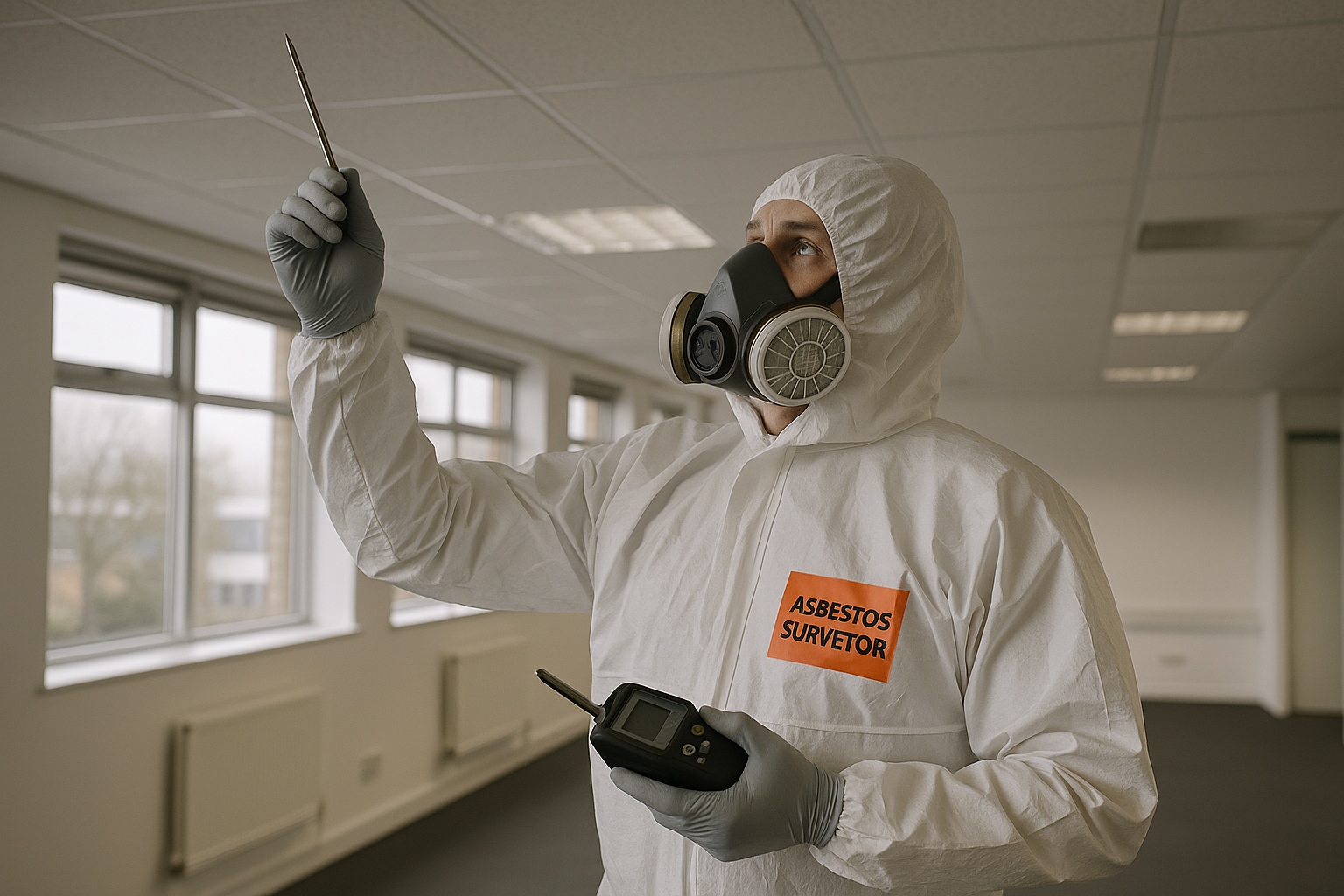
An asbestos refurbishment survey is a fully intrusive inspection carried out before refurbishment work starts. Its purpose is to locate and identify, as far as reasonably practicable, all asbestos-containing materials in the area where planned works will take place.
Unlike a routine inspection, this survey does not stop at what is visible. Surveyors may need to open up boxed-in pipework, lift floor finishes, access ceiling voids, inspect behind wall linings and enter other concealed areas that could be affected by the project.
The survey follows the approach set out in HSG264 and supports compliance with the Control of Asbestos Regulations. In practical terms, it helps dutyholders, landlords, managing agents, contractors and property managers make safe decisions before any refurbishment starts.
What the Survey Is Designed to Achieve
- Find asbestos in the work area before it is disturbed
- Identify the type, location and extent of suspect materials
- Allow removal or other control measures to be planned properly
- Reduce the risk of accidental fibre release during works
- Create a clear record for contractors and project teams
If you are unsure whether your project needs this level of inspection, the survey scope should be set around the exact works planned — not estimated loosely and adjusted later.
When an Asbestos Refurbishment Survey Is Required
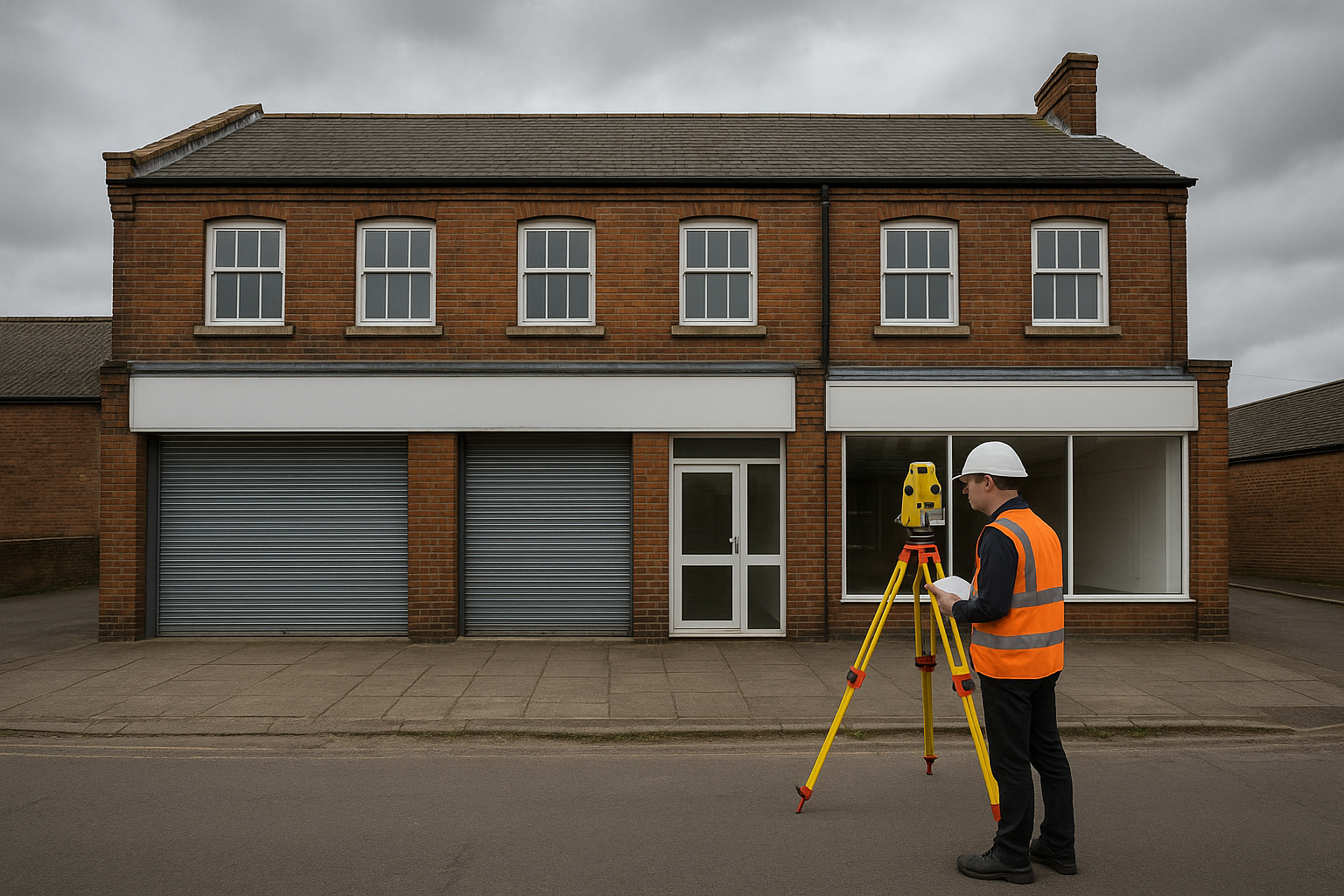
An asbestos refurbishment survey is required before any work that will disturb the fabric of a building in areas that may contain asbestos. This applies to partial refurbishment as well as larger strip-out projects. It is not limited to major commercial redevelopments — smaller jobs trigger the same requirement if they involve intrusive work.
Typical Projects That Need a Survey
- Kitchen and bathroom refits
- Loft conversions
- Office fit-outs and partition removal
- Heating, electrical or plumbing upgrades
- Floor replacement where underlying materials will be disturbed
- Window, door or roof alterations
- Extensions and structural changes
If the building was constructed before 2000, asbestos must be considered. You cannot assume previous works removed it, and you cannot rely on guesswork from contractors on site.
For projects involving whole-building demolition rather than refurbishment, the correct requirement is a demolition survey. The scope is different because demolition aims to identify asbestos throughout the entire structure, not just within a defined refurbishment zone.
How an Asbestos Refurbishment Survey Differs from a Management Survey
This is where many projects go wrong. A management survey is not a substitute for an asbestos refurbishment survey. They serve entirely different purposes and confusing the two creates real risk.
A management survey is designed for normal occupation and routine maintenance. It is usually non-intrusive or only lightly intrusive, and its purpose is to help manage asbestos during everyday use of the building. It does not go far enough for intrusive works.
By contrast, an asbestos refurbishment survey is intrusive by design. It is carried out specifically because planned works will break into the building fabric and could disturb hidden materials.
Key Differences at a Glance
- Management survey: for occupation and routine maintenance — Refurbishment survey: for planned intrusive works
- Management survey: mainly inspects accessible areas — Refurbishment survey: opens up hidden areas likely to be disturbed
- Management survey: often carried out in occupied premises — Refurbishment survey: usually requires the survey area to be vacant
- Management survey: lower level of physical intrusion — Refurbishment survey: may involve breaking through finishes and accessing voids
If you only need to manage asbestos during day-to-day occupation, a management survey may be the correct option. If walls, ceilings, floors or services are being opened up, you need the more intrusive survey.
What Happens During an Asbestos Refurbishment Survey
An asbestos refurbishment survey is planned around the exact scope of works. Experienced surveyors need to know what is being removed, altered, upgraded or exposed so the inspection matches the actual project risk.
1. Defining the Scope
The first step is understanding the planned works in detail — which rooms, floors, risers, voids and service routes will be affected. The more accurate your project information, the more useful the survey report will be. If the scope changes later, further inspection may be needed.
2. Intrusive Inspection
Surveyors inspect the relevant areas using intrusive methods. Depending on access and construction, this may involve lifting panels, opening boxing, breaking through wall finishes, accessing ceiling voids or checking beneath floor coverings. The aim is to reach materials that would otherwise stay hidden until contractors disturb them.
3. Sampling and Analysis
Where suspect materials are found, samples are taken safely and sent for laboratory analysis. This confirms whether asbestos is present and, where possible, identifies the type of asbestos-containing material found.
4. Reporting
You receive a report setting out the findings, including material descriptions, locations, sample results, photographs where appropriate and recommendations for next steps. The report should be clear enough for project teams to act on without guesswork.
5. Action Before Works Start
If asbestos is identified in the refurbishment area, it must be managed properly before work proceeds. That may involve removal, encapsulation or redesigning the works to avoid disturbance, depending on the circumstances and the material involved.
Where removal is required, use competent contractors experienced in asbestos removal and make sure the process is planned before the main trade contractors mobilise.
Why the Survey Area Usually Needs to Be Vacant
An asbestos refurbishment survey is intrusive and can disturb materials during the inspection itself. For that reason, the survey area generally needs to be unoccupied and clear of normal users while the work is carried out. This is not a paperwork formality — it is a practical safety measure based on the nature of the inspection.
Why Vacancy Matters
- Surveyors may need to break into finishes and enclosed spaces
- Dust and debris can be generated during access works
- Occupied areas make full inspection harder and less reliable
- Restricted access increases the chance of missing asbestos
If only part of the building is being refurbished, the survey can often be limited to that zone. In mixed-use or occupied properties, segregation and access planning become especially important.
Practical tip: before booking the survey, confirm who will provide keys, alarm codes, plant room access and permission to enter locked or tenanted areas. Access problems are one of the most common causes of incomplete surveys and project delays.
What Kinds of Asbestos-Containing Materials May Be Found
An asbestos refurbishment survey can uncover a wide range of materials — some obvious, some completely hidden. The exact findings depend on the age, use and construction of the building.
Common Examples Include
- Asbestos insulating board in partitions, soffits, ceiling tiles and service risers
- Pipe insulation and thermal lagging
- Textured coatings on ceilings and walls
- Floor tiles and bitumen adhesives
- Cement sheets, panels, flues and roof products
- Toilet cisterns, bath panels and boxing
- Gaskets, rope seals and plant-related components
- Sprayed coatings and insulation materials in older service areas
Some of these materials are higher risk than others when disturbed. That is why sampling, accurate identification and proper recommendations matter. Risk cannot be judged reliably from appearance alone.
Legal Responsibilities for Property Owners and Dutyholders
If you control maintenance or refurbishment in non-domestic premises, you have legal responsibilities under the Control of Asbestos Regulations. Domestic premises can also fall within the regulations where common parts, contractor work areas or shared services are involved.
The key point is straightforward: asbestos must be identified and managed before work starts. If refurbishment could disturb asbestos, an appropriate survey is expected.
Your Practical Responsibilities
- Identify whether the building age and construction suggest asbestos may be present
- Define the exact scope of planned works
- Arrange the correct survey before intrusive work begins
- Share the survey findings with contractors and relevant parties
- Plan removal or control measures where asbestos is identified
- Keep records and update asbestos information after works are complete
HSE guidance is clear on the need for suitable information before work starts. A contractor saying they will “be careful” is not a replacement for an asbestos refurbishment survey.
How to Prepare for an Asbestos Refurbishment Survey
A little preparation makes the survey faster, safer and more useful. The best reports come from well-scoped projects with proper access arrangements in place before the surveyor arrives.
Before the Surveyor Arrives
- Provide plans, sketches or a written description of the proposed works
- Mark the exact rooms and elements being refurbished
- Confirm whether the area will be vacant on the survey date
- Arrange access to locked rooms, risers, lofts, basements and roof spaces
- Share any previous asbestos records or historic survey reports
- Tell the surveyor about fragile finishes, restricted access or live services
Practical tip: if your contractor has already stripped out parts of the area, say so. Partial strip-out can affect what the surveyor can inspect and what evidence remains.
What the Survey Report Should Tell You
A good asbestos refurbishment survey report should do more than list sample results. It should help you make decisions and plan the next stage of the project.
You Should Expect the Report to Include
- The scope and limitations of the survey
- Areas accessed and any exclusions
- Descriptions and locations of suspect or confirmed asbestos-containing materials
- Laboratory results for samples taken
- Photographs or marked plans where helpful
- Recommendations for removal, encapsulation or further action
Read the limitations section carefully. If an area could not be accessed, that does not mean it is asbestos-free. It means more inspection may be needed before works extend into that area.
What Happens After the Asbestos Refurbishment Survey
Once the asbestos refurbishment survey is complete, the next step is acting on the findings. This is where project planning matters most.
If No Asbestos Is Found
You can proceed with greater confidence in the surveyed area, provided the scope of works has not changed and there were no significant exclusions in the report.
If Asbestos Is Identified
You need to decide how it will be managed before the refurbishment starts. That may involve removal by a competent contractor, sequencing changes, isolation of certain areas or additional controls around the planned works.
Do not bury the report in a project folder. Issue it to the principal contractor, relevant trades and anyone pricing or planning the work. The survey only protects people if the information is actually used.
After Remedial Works
Once asbestos has been removed or managed, your asbestos records should be updated. For buildings that remain in use, ongoing monitoring may still be needed through a re-inspection survey where asbestos remains in place and is being managed rather than removed.
Common Mistakes That Cause Delays and Extra Cost
Most asbestos problems on refurbishment projects are avoidable. They typically come from poor planning rather than bad luck.
Mistakes to Avoid
- Booking a management survey when intrusive works are planned. The two surveys have different purposes and the management survey will not satisfy the legal requirement for refurbishment works.
- Scoping the survey too narrowly. If the works expand during the project, additional inspection may be needed before those areas can proceed safely.
- Failing to arrange access. Locked rooms, missing keys and restricted risers lead to exclusions in the report and gaps in the information available to contractors.
- Not sharing the report with the contractor. The survey exists to protect workers. If the findings are not communicated, the risk remains.
- Assuming a clean survey from years ago still applies. If the building has been altered, or the scope of works has changed, an earlier survey may not cover the current risk areas.
- Starting works before asbestos is managed. Discovering asbestos after works have begun is significantly more disruptive and costly than identifying it beforehand.
Asbestos Refurbishment Surveys Across the UK
Supernova Asbestos Surveys carries out asbestos refurbishment surveys across the country, covering commercial, residential, industrial and public sector properties of all types and sizes.
Whether you need an asbestos survey London for an office fit-out in the City, an asbestos survey Manchester ahead of a retail refit, or an asbestos survey Birmingham before a residential conversion, the process and the legal requirement are the same. The survey must be intrusive, properly scoped and completed before works start.
Our surveyors are BOHS-qualified and experienced across a wide range of building types and construction methods. Reports are clear, actionable and structured to support your project team from the moment they land in your inbox.
Get Your Asbestos Refurbishment Survey Booked
Supernova Asbestos Surveys has completed over 50,000 surveys nationwide. We work with property managers, principal contractors, housing associations, local authorities and private clients to make sure refurbishment projects start on safe, legally sound ground.
If you are planning refurbishment works on a pre-2000 property, do not wait until contractors are on site to think about asbestos. Book your survey early, scope it properly and make sure the findings are shared with everyone who needs them.
Call us on 020 4586 0680 or visit asbestos-surveys.org.uk to get a quote or discuss your project requirements with our team.
Frequently Asked Questions
How long does an asbestos refurbishment survey take?
The duration depends on the size and complexity of the refurbishment area, the level of access available and the construction of the building. A single room or small flat may take a couple of hours. A multi-floor commercial refurbishment may require a full day or more. Your surveyor should be able to give you a realistic timeframe once the scope of works has been discussed.
Do I need an asbestos refurbishment survey for a domestic property?
The Control of Asbestos Regulations places the primary duty on non-domestic premises, but contractors working in domestic properties are still legally required to manage the risk of asbestos exposure. If you are having intrusive work carried out in a pre-2000 home — such as a loft conversion, kitchen refit or structural alteration — an asbestos refurbishment survey is strongly advisable and many contractors will require one before they start.
Can I use an existing asbestos management survey for my refurbishment project?
No. A management survey is designed for routine occupation and is typically non-intrusive or only lightly intrusive. It does not meet the requirements for intrusive refurbishment works. HSG264 and the Control of Asbestos Regulations are clear that a separate, intrusive survey is required before work that will disturb the building fabric. Using a management survey in place of a refurbishment survey is a common and potentially costly mistake.
What happens if asbestos is found during the survey?
Finding asbestos does not automatically stop your project. It means the material needs to be managed appropriately before the relevant works proceed. Depending on the type, condition and location of the material, options may include removal, encapsulation or redesigning the works to avoid disturbing it. A competent asbestos contractor should be engaged to advise on and carry out any remediation work before main contractors begin.
How much does an asbestos refurbishment survey cost?
Cost varies depending on the size of the property, the scope of the refurbishment works, the level of access required and the location. Smaller, well-defined projects typically cost less than large multi-floor surveys requiring extensive intrusive access. The cost of the survey is almost always significantly lower than the cost of discovering asbestos mid-project and having to halt works, arrange emergency remediation and reschedule contractors. Contact Supernova Asbestos Surveys on 020 4586 0680 for a project-specific quote.