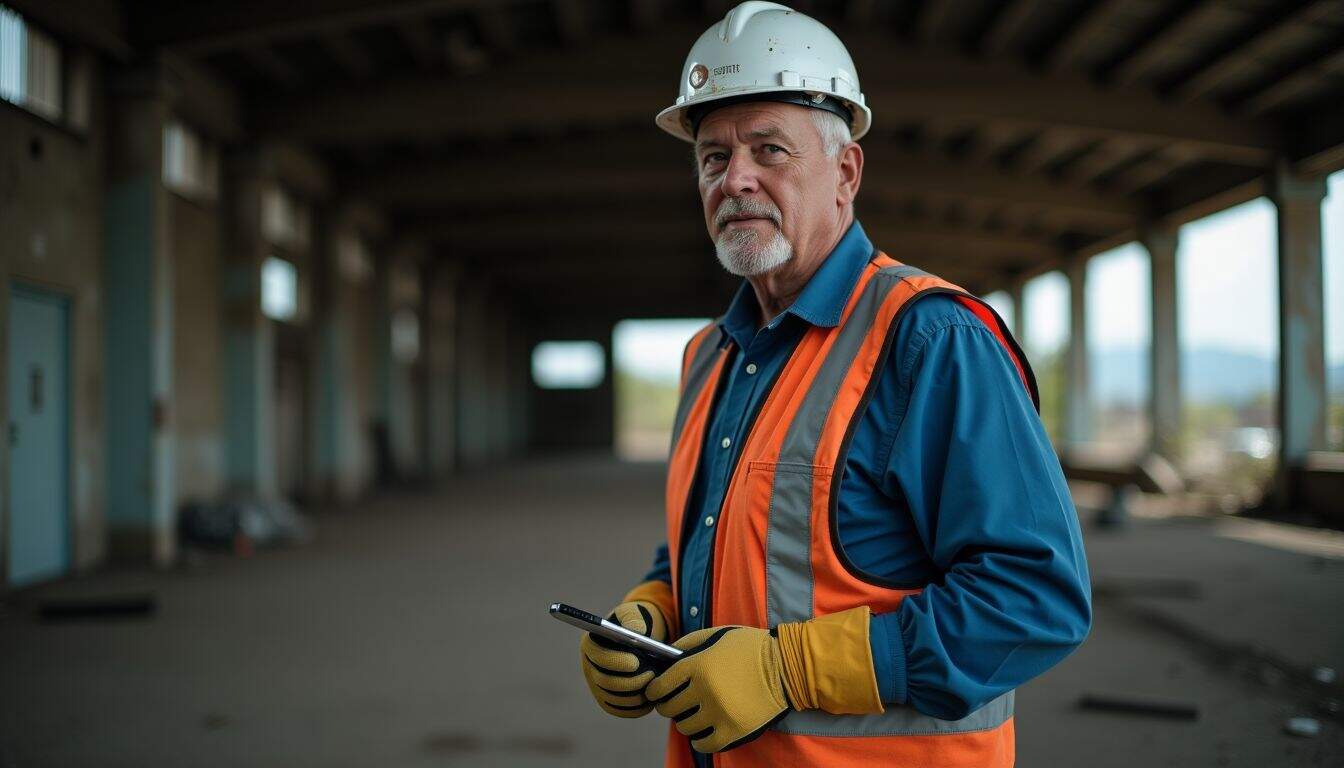
What Every Home Buyer Needs to Know About Asbestos Inspections
Buying a property is one of the biggest financial decisions you’ll ever make — and asbestos could be a hidden risk that costs you dearly if you don’t know what to look for. There are several critical things home buyers need to know about asbestos inspections before signing anything, and getting this wrong can have serious consequences for your health, your wallet, and your legal standing.
Asbestos-related diseases still claim thousands of lives in the UK every year. The fibres released from disturbed asbestos-containing materials (ACMs) are invisible to the naked eye, odourless, and can remain in the lungs for decades before symptoms appear.
When you’re viewing a property, you cannot tell by looking whether asbestos is present — which is exactly why a professional inspection matters so much.
Why Asbestos Is Still a Real Risk in UK Homes
Asbestos was widely used in UK construction from the 1950s through to the late 1990s. It was prized for its fire resistance, durability, and thermal insulation properties — making it a go-to material for builders throughout that era.
The full ban on asbestos use in the UK came into effect in 1999, but that still leaves an enormous number of properties that may contain it. If you’re buying a home built before 2000, there is a realistic chance asbestos-containing materials are present somewhere in the structure.
That doesn’t automatically mean the property is dangerous, but it does mean you need to know what you’re dealing with before you commit.
Where Asbestos Hides in Residential Properties
Asbestos wasn’t just used in industrial settings — it found its way into dozens of common household materials. Knowing where to look (or rather, where to ask your surveyor to look) is the first step.
- Ceiling tiles and textured coatings such as Artex
- Floor tiles and the adhesive used to fix them
- Roof sheeting, soffit boards, and guttering
- Pipe lagging and boiler insulation
- Insulation boards around fireplaces and boilers
- Electrical panel linings and fuse boxes
- Cement products including garage roofs and outbuildings
- Partition walls and ceiling void insulation
Many of these materials look entirely ordinary. A textured ceiling or a tiled floor gives no visual indication of whether asbestos is present.
This is why a professional asbestos survey is the only reliable way to find out — and why commissioning one before exchange of contracts is one of the smartest moves any home buyer can make.
The Most Important Things Home Buyers Need to Know About Asbestos Inspections
These are the key points that should inform every property purchase decision where asbestos is a potential concern. Get these right and you’ll be in a far stronger position — legally, financially, and in terms of your health.
1. A Standard Home Survey Is Not an Asbestos Survey
This is one of the most common misunderstandings among home buyers. A mortgage valuation or even a full structural survey carried out by a chartered surveyor is not designed to identify asbestos.
Those surveys assess the condition and value of the property — asbestos identification requires specialist training, equipment, and laboratory analysis. If you want to know whether a property contains asbestos, you need to commission a dedicated asbestos survey from a qualified specialist.
Don’t assume your solicitor, estate agent, or mortgage provider will flag this for you — it’s your responsibility to arrange it. A management survey is typically the right starting point for a residential purchase, as it covers all accessible areas of the property without requiring destructive investigation.
2. You Must Use a Qualified, Independent Surveyor
Under the Control of Asbestos Regulations, asbestos surveys must be carried out by a competent person with the appropriate training, knowledge, and experience. In practice, this means using a surveyor who holds relevant accreditation — typically from the United Kingdom Accreditation Service (UKAS) — and who operates independently of any removal contractor.
Why does independence matter? Because a surveyor who also offers removal services has a financial incentive to find asbestos. An independent surveyor’s only job is to give you an accurate, unbiased assessment of what’s there.
A qualified asbestos surveyor will inspect:
- All accessible interior spaces including loft, basement, and underfloor areas
- Roofing, external cladding, and outbuildings
- Pipe runs, boiler rooms, and service ducts
- Wall linings, ceilings, and floor coverings
- Electrical installations and heating systems
Following the inspection, they’ll provide a written asbestos report detailing the location, type, condition, and risk level of any ACMs found. This document is invaluable for your purchase negotiations.
3. The Condition of the Asbestos Matters as Much as Its Presence
Finding asbestos in a property doesn’t automatically mean you shouldn’t buy it or that it needs to be removed immediately. The risk posed by asbestos depends heavily on its condition and whether it is likely to be disturbed.
Asbestos is broadly classified into two states:
- Friable (damaged or deteriorating): Asbestos that is crumbling, broken, or in poor condition can release fibres into the air. This is the high-risk scenario that requires urgent attention.
- Non-friable (intact and undisturbed): Asbestos that is in good condition and unlikely to be disturbed poses a much lower immediate risk. In many cases, managing it in place is the recommended approach rather than removal.
HSE guidance and HSG264 are clear that removal is not always the safest option. Disturbing intact asbestos during unnecessary removal can actually increase the risk of fibre release.
A good surveyor will advise you on management versus removal based on the specific materials found — and that advice should always be in writing.
4. If Renovation Is on the Cards, You Need a Different Survey
Even if the asbestos in a property is currently intact and poses no immediate risk, your plans for the property matter enormously. If you intend to renovate — knock down walls, re-tile floors, replace ceilings, update the heating system — you will almost certainly disturb asbestos-containing materials in the process.
Before any renovation work begins on a property built before 2000, a refurbishment and demolition survey (as defined in HSG264) is legally required to identify all ACMs in the areas to be disturbed. This is a more intrusive survey than a standard management survey and involves sampling and testing materials that would be affected by the work.
Factor in the cost of this survey, plus any necessary removal work, when you’re calculating the true cost of buying and renovating a property. Overlooking this can turn a seemingly affordable project into a significantly more expensive one.
5. The Seller Has Options — and So Do You
If an asbestos survey reveals ACMs in a property you’re considering buying, there are several routes available. Understanding these gives you real negotiating power.
- Sealing: Applying a specialist encapsulant to bind asbestos fibres within the material and prevent release. Commonly used for pipe lagging and boiler insulation where the material is otherwise in reasonable condition.
- Enclosure: Physically covering the asbestos-containing material — for example, boxing in a lagged pipe or placing a new ceiling below an asbestos-containing one. This prevents disturbance but means the asbestos remains in the building.
- Removal: The most thorough option, required where asbestos is in poor condition, is friable, or is in a location where future disturbance is likely. Professional asbestos removal must be carried out by a licensed contractor for certain types of asbestos — particularly blue and brown asbestos, and heavily damaged white asbestos.
As a buyer, you can negotiate with the seller to have the work carried out prior to completion, or alternatively negotiate a reduction in the sale price that reflects the cost of managing or removing the ACMs yourself.
Get quotes from licensed contractors before you exchange contracts, not after. Having accurate cost estimates in hand gives you documented evidence to support your negotiating position.
Should You Walk Away from a Property with Asbestos?
Not necessarily. Asbestos is present in a significant proportion of pre-2000 UK homes, and many of these properties are perfectly safe to live in with appropriate management in place.
The key questions to ask yourself are:
- What is the condition of the asbestos? Intact, well-maintained ACMs in low-disturbance areas are manageable. Friable or deteriorating asbestos requires urgent action.
- Where is it located? Asbestos in a rarely accessed loft void is a very different proposition from asbestos in a frequently used living space.
- What are your plans for the property? If you’re buying to live in without major works, a managed approach may be perfectly viable. If you’re planning a full renovation, removal costs need to be factored in from day one.
- Is the seller willing to address the issue? A seller who refuses to acknowledge or address dangerous ACMs, or who has failed to disclose known asbestos, is a red flag. You may have legal recourse if a seller conceals material information about a property.
- Have you got an accurate cost estimate? Obtain quotes from licensed contractors before exchange, not after — surprises at this stage can derail a purchase entirely.
Armed with a thorough asbestos survey report and clear answers to these questions, you’re in a strong position to make an informed decision — whether that’s proceeding, renegotiating, or walking away.
What to Do After Your Asbestos Survey Report
Once you have your asbestos survey report, you’ll know exactly what you’re dealing with. The report will categorise any ACMs found by risk level and recommend appropriate actions — whether that’s management in place, encapsulation, or removal.
Use this report as a negotiating tool. If the survey reveals significant ACMs that require remediation, you have documented evidence to support a request for a price reduction or for the seller to fund the necessary work before completion.
If removal is recommended, ensure the contractor used is licensed by the Health and Safety Executive (HSE) for the relevant type of asbestos work. Always request a post-removal air clearance certificate — this confirms that the area has been cleared to safe levels following the work and should be kept with your property documents for the lifetime of your ownership.
Keep a copy of your asbestos report with your property deeds. If you sell the property in the future, you’ll be required to disclose any known ACMs — and having a professional survey on record demonstrates that you’ve managed the issue responsibly.
Asbestos Surveys Across the UK — What to Expect
If you’re purchasing a property in a major city, access to qualified asbestos surveyors is straightforward. Supernova Asbestos Surveys operates nationally, with specialist teams covering all major regions.
For buyers in the capital, our asbestos survey London service covers all London boroughs, with rapid turnaround times to fit around property purchase timelines. In the North West, our asbestos survey Manchester team works across Greater Manchester and the surrounding areas. For buyers in the Midlands, our asbestos survey Birmingham service provides the same expert, accredited inspection you’d expect nationwide.
Wherever you’re buying, the process is the same: a qualified surveyor visits the property, carries out a thorough inspection, takes samples where necessary for laboratory analysis, and provides you with a detailed written report — typically within a few working days.
With over 50,000 surveys completed nationwide, Supernova Asbestos Surveys has the experience and accreditation to give you the accurate, independent assessment you need before committing to a purchase.
Frequently Asked Questions
Does the seller have to tell me if a property contains asbestos?
In the UK, sellers are required to disclose material facts about a property that they are aware of. If a seller knows asbestos is present and fails to declare it, you may have grounds for a legal claim after purchase. However, many sellers are genuinely unaware of asbestos in their property — which is exactly why commissioning your own independent survey before exchange is so important.
How much does a residential asbestos survey cost?
The cost of a residential asbestos survey varies depending on the size and age of the property and the type of survey required. A management survey for a standard three-bedroom house typically costs a few hundred pounds — a modest investment relative to the potential cost of dealing with asbestos problems after purchase. Contact Supernova Asbestos Surveys on 020 4586 0680 for a tailored quote.
Can I buy a house that contains asbestos?
Yes. Asbestos is present in a large proportion of UK homes built before 2000, and the presence of ACMs does not make a property unlawful to sell or buy. What matters is the condition of the asbestos and whether it poses a risk. A professional survey will give you the information you need to make that assessment and negotiate accordingly.
What is the difference between a management survey and a refurbishment survey?
A management survey is designed to locate and assess ACMs in the normal accessible areas of a property — it’s the standard survey for a residential purchase. A refurbishment or demolition survey is more intrusive and is required before any renovation or demolition work, as it identifies ACMs in areas that will be disturbed. If you’re planning significant works on a pre-2000 property, you’ll need both.
Do I need an asbestos survey before buying a new build?
If the property was built after 1999, the risk of asbestos is extremely low as the material was banned from use in UK construction from that point. However, if there is any uncertainty about the build date, or if the property has been significantly altered using older materials, it’s worth seeking professional advice. For any property built before 2000, a survey is strongly recommended before purchase.
Ready to arrange an asbestos survey before your next property purchase? Call Supernova Asbestos Surveys on 020 4586 0680 or visit asbestos-surveys.org.uk to book your inspection. With nationwide coverage and UKAS-accredited surveyors, we’ll give you the clear, independent report you need to buy with confidence.
Leave a Reply