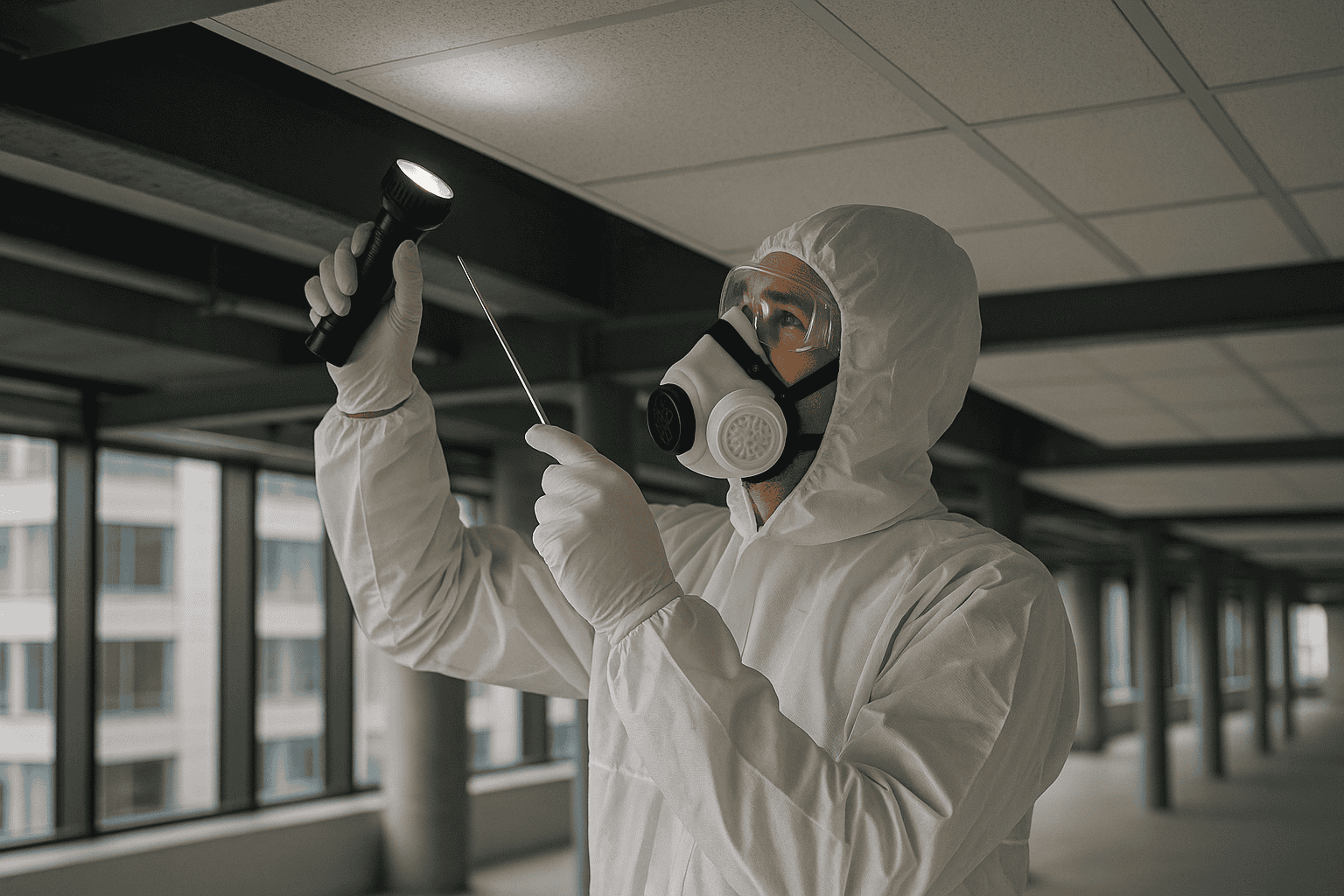
Asbestos in Old Homes: How to Deal With It Safely
Asbestos might feel like a problem the UK left behind decades ago. It isn’t. Thousands of people still die every year from asbestos-related diseases, and the fibres responsible are hiding inside millions of homes built before the year 2000. If you own, rent, or are buying an older property, understanding asbestos in old homes and how to deal with it safely is not optional — it’s essential.
The UK’s full ban on asbestos use in construction only came into force in 1999. That means any property built or substantially refurbished before that date could contain asbestos-containing materials (ACMs). The good news is that asbestos doesn’t have to be a crisis. Managed correctly, it can be identified, monitored, and dealt with safely — but only if you know what you’re looking at and who to call.
Where Asbestos Hides in Older Properties
From the 1940s through to the late 1990s, asbestos was used extensively across UK construction. It was cheap, durable, fire-resistant, and an excellent thermal insulator — qualities that made it enormously popular with builders and manufacturers alike. The problem, of course, is that it was also deeply hazardous.
Asbestos is a naturally occurring fibrous mineral. When materials containing it are disturbed or damaged, microscopic fibres are released into the air. Inhaled fibres can become permanently lodged in the lungs, where they may cause serious diseases — including mesothelioma, asbestosis, and lung cancer — that can take 20 to 40 years to develop after exposure.
Any home built before 2000 should be treated as potentially containing asbestos until a qualified surveyor confirms otherwise. Here are the most common places it turns up:
- Boiler and pipe lagging (thermal insulation)
- Blown-in loft or cavity wall insulation
- Artex and other textured coatings on walls and ceilings
- Sprayed coatings on structural steelwork or ceilings
- Cement products, including corrugated roofing sheets
- Vinyl and thermoplastic floor tiles
- Roofing felt and roof slates
- Construction adhesives and mastics
- Plasterboard and wallboard
- Soffits, fascias, and external cladding
- Water tanks and toilet cisterns
- Some paints and floor screeds
- Older domestic appliances including storage heaters, ovens, and ironing board covers
This is not an exhaustive list. If you’re uncertain whether a material in your home contains asbestos, the rule is simple: don’t touch it, and don’t disturb it. Arrange for a professional survey instead.
When Does Asbestos in Your Home Actually Become Dangerous?
This is the question most homeowners ask first, and the answer matters. Asbestos that is in good condition, well-bonded, and left completely undisturbed is generally considered low risk. The danger arises when fibres become airborne — and that happens when asbestos-containing materials are cut, drilled, sanded, scraped, or broken up in any way.
This is precisely why DIY work in older properties carries serious risks that many homeowners don’t appreciate until it’s too late. Drilling into an Artex ceiling, cutting through insulation board, or sanding down old floor adhesive are all activities that can disturb hidden asbestos and release fibres into the air — with no visible warning and no immediate symptoms.
Signs That ACMs May Be Deteriorating
Even without any active work taking place, asbestos-containing materials can degrade over time. Keep an eye out for:
- Cracking, crumbling, or flaking surfaces
- Waterlogging or water damage to suspected ACMs
- Tears or holes in lagging or insulation
- Visible dust or debris around known or suspected ACMs
If you notice any of these signs, isolate the area, keep people away, and contact a qualified asbestos surveyor. Do not attempt to clean up any dust or debris yourself.
The DIY Risk You Must Take Seriously
As a homeowner, you should follow these principles without exception:
- Never drill, cut, sand, or scrape any material you suspect might contain asbestos
- Regularly inspect known or suspected ACMs for signs of damage or deterioration
- Always commission a professional survey before any renovation, refurbishment, or building work on a pre-2000 property
- Treat any damaged or crumbling material in an older home as potentially hazardous until proven otherwise
If you’re planning a refurbishment — even something as modest as a kitchen refit, a bathroom renovation, or a loft conversion — a professional survey should be your first step, not an afterthought.
How to Deal With Asbestos in Old Homes Safely: Getting a Professional Survey
A professional asbestos survey is the only reliable way to establish whether your home contains ACMs and, if so, what condition they’re in. There is no safe alternative — visual inspection by an untrained eye is not sufficient, and guesswork is genuinely dangerous.
A qualified surveyor will carry out a thorough inspection of all areas likely to contain asbestos. Where necessary, small samples will be carefully collected and sent to an accredited laboratory for analysis. You’ll receive a detailed report covering the location and extent of any ACMs found, their current condition and risk level, and clear recommendations for management, repair, or removal.
Management Surveys
A management survey is the standard survey for occupied properties where you need to identify and manage ACMs in situ without causing disruption. It’s designed to locate materials that could be damaged or disturbed during normal occupation of the building, including routine maintenance activities.
This type of survey is the right starting point for most homeowners who simply want to understand what’s in their property and put a management plan in place.
Refurbishment and Demolition Surveys
If you’re planning any structural work — from a modest extension to a full gut-and-refurbish — you’ll need a demolition survey. This is a more intrusive inspection designed to locate all ACMs that could be disturbed during construction work, including those hidden within the building fabric.
This survey must be completed before any work begins. Carrying out construction work without one is not only reckless — in many circumstances, it’s a legal breach.
Re-Inspection Surveys
Following any remedial work — whether that’s encapsulation, enclosure, or full removal — a re-inspection survey confirms that the affected areas have been properly dealt with and that no fibres remain in the environment. This step is often overlooked by homeowners, but it provides critical assurance that the work has been completed to the required standard.
Your Options When Asbestos Is Found: Repair, Enclosure, and Removal
If ACMs are identified in your home, you have several options depending on the type of material, its condition, and what you plan to do with the property. None of these should be attempted without professional guidance.
Encapsulation
Where asbestos-containing materials are in reasonably good condition, a trained specialist may apply a specialist sealant that binds and coats the fibres, preventing them from becoming airborne. This approach is commonly used on pipe lagging and similar surfaces where full coverage is achievable.
Encapsulation is generally less disruptive and less costly than removal. However, it does require ongoing monitoring and can complicate future removal work, so it’s not always the right long-term solution.
Enclosure
An alternative to encapsulation is enclosure — fitting a purpose-built cover or casing around the asbestos-containing material to seal it off completely. This approach works well for larger items such as boilers or sections of pipework, and can be an effective interim measure when full removal isn’t immediately practical.
Professional Asbestos Removal
Where asbestos is significantly damaged, or where renovation work means it will inevitably be disturbed, full removal is usually the most appropriate course of action. Professional asbestos removal must be carried out by a licensed contractor working in strict accordance with current regulations.
Under no circumstances should you attempt to remove or dispose of asbestos-containing materials yourself. This is not just inadvisable — it is illegal, and it puts you, your family, and anyone else in the vicinity at serious risk of exposure.
The survey report your surveyor provides will give any removal contractor the information they need to assess the full scope and cost of the work. Never commission removal without a survey in place first.
UK Legal Requirements for Asbestos in Homes
Asbestos management in the UK is governed by the Control of Asbestos Regulations, which set out clear duties for those responsible for non-domestic properties and provide important guidance for homeowners. The HSE’s guidance document HSG264 sets out the standards that surveyors and contractors are required to work to.
Key legal points every homeowner should be aware of:
- Only licensed contractors are permitted to work with certain categories of asbestos, including sprayed coatings, lagging, and most insulation board
- All asbestos waste is classified as hazardous waste — it must be double-bagged in clearly labelled, sealed containers and cannot be disposed of in general household waste
- Asbestos waste must be transported by a registered waste carrier and disposed of at a licensed facility
- Notifiable licensable work must be reported to the relevant enforcing authority — typically the HSE — before work begins
If you’re a landlord, your obligations go further. You have a legal duty to manage asbestos in your properties and ensure tenants are not exposed to risk. Commissioning a management survey and maintaining an up-to-date asbestos register are essential parts of meeting that duty. Failure to do so can result in significant legal and financial consequences.
Asbestos Surveys Across the UK: We Cover the Whole Country
Whether you’re based in the capital or further afield, professional asbestos surveying is available nationwide. If you need an asbestos survey London residents can rely on, or you’re looking for an asbestos survey Manchester or an asbestos survey Birmingham homeowners and landlords trust, Supernova Asbestos Surveys operates throughout England, Wales, and Scotland.
With over 50,000 surveys completed, our team has the experience and accreditation to assess any property — from a Victorian terrace to a 1980s new-build — and provide you with a clear, actionable report.
Frequently Asked Questions
How do I know if my home contains asbestos?
You cannot tell by looking. The only reliable way to confirm whether your home contains asbestos-containing materials is to commission a professional asbestos survey carried out by a qualified surveyor. If your property was built or refurbished before 2000, you should treat it as potentially containing asbestos until a survey confirms otherwise.
Is asbestos in my home dangerous if I leave it alone?
Asbestos that is in good condition, well-bonded, and completely undisturbed generally poses a low risk. The danger arises when fibres are released into the air — typically through drilling, cutting, sanding, or other disturbance. If you suspect your home contains asbestos, the safest approach is to have it professionally assessed and then follow the surveyor’s recommendations.
Can I remove asbestos myself?
No. Attempting to remove asbestos-containing materials yourself is both dangerous and illegal in most circumstances. Certain categories of asbestos work — including work involving lagging, sprayed coatings, and most insulation board — must legally be carried out by a licensed contractor. Even for lower-risk materials, professional removal is strongly recommended to ensure safe disposal and to avoid exposure.
What happens to asbestos waste once it’s removed?
Asbestos waste is classified as hazardous waste under UK law. It must be double-bagged in sealed, clearly labelled containers, transported by a registered waste carrier, and disposed of at a licensed hazardous waste facility. It cannot be placed in general household waste or taken to a standard household recycling centre without prior arrangement.
How often should asbestos in my home be re-inspected?
If your home has known or suspected asbestos-containing materials that are being managed in situ rather than removed, those materials should be inspected regularly — typically at least once a year — to check for any signs of damage or deterioration. Your surveyor will advise on the appropriate inspection frequency based on the type and condition of the materials identified.
Speak to Supernova Asbestos Surveys Today
Asbestos remains present in a significant proportion of homes across the UK. Given that symptoms of asbestos-related disease can take decades to appear, it’s easy to underestimate the urgency — but the consequences of getting it wrong are severe and irreversible.
With the right professional support, asbestos in old homes can be dealt with safely. You don’t need to panic — but you do need accurate information and qualified help.
If you’re concerned about asbestos in your home, or if you’re planning any building or renovation work on a pre-2000 property, contact Supernova Asbestos Surveys today for a free, no-obligation quote. Call us on 020 4586 0680 or visit asbestos-surveys.org.uk to find out how we can help you protect your home and everyone in it.
Leave a Reply