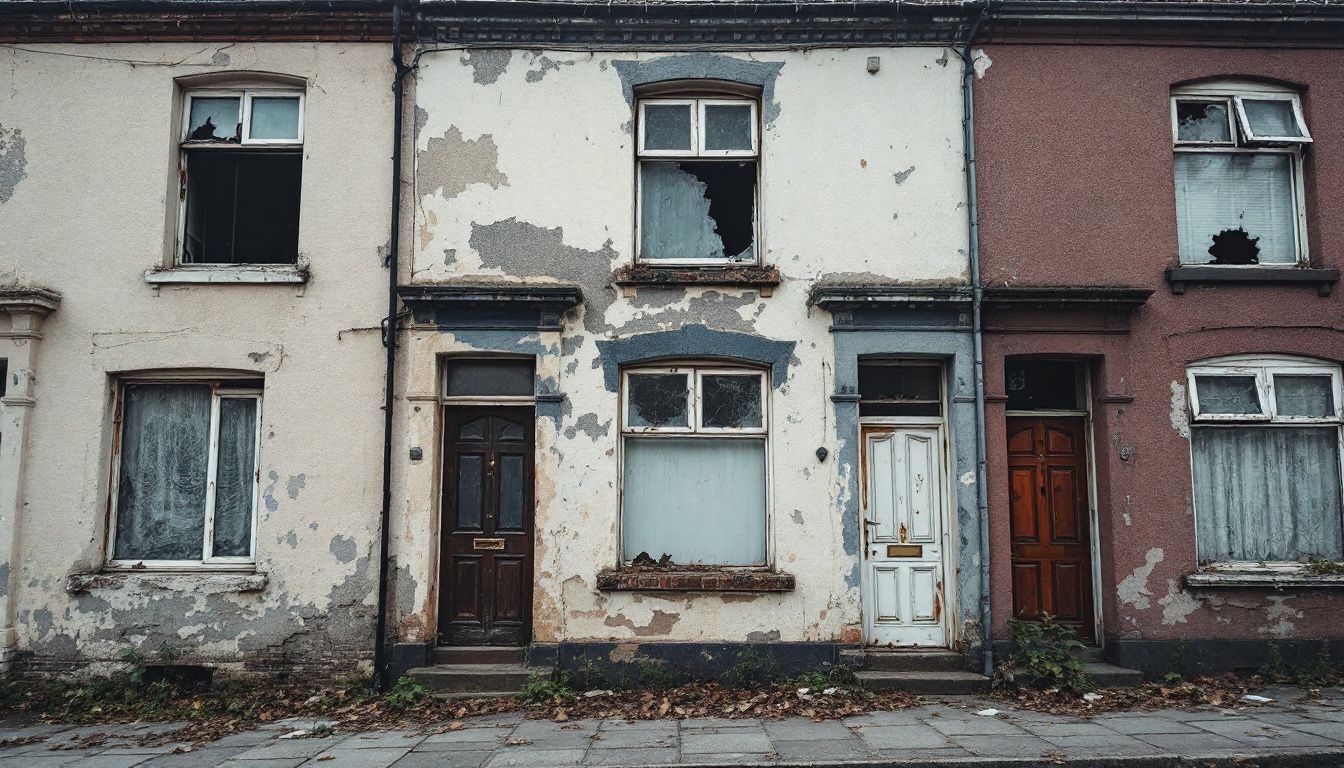
Asbestos Housing in the UK: What Every Property Owner, Landlord, and Tenant Needs to Know
Millions of UK homes are sitting on a hidden health hazard that most people never think about until it is too late. Asbestos housing is not a historical footnote — it is an active, ongoing concern affecting every property built before the year 2000, and the scale of the problem is far larger than most people realise. If you own, manage, or rent a pre-2000 property, understanding the risks, the law, and your responsibilities is not optional.
How Widespread Is Asbestos in UK Housing?
The numbers are stark. Research by industry bodies NORAC and ATaC found that 78% of surveyed buildings still contain asbestos-containing materials (ACMs). Approximately 1.5 million UK homes are estimated to have asbestos present in some form — whether in floor tiles, ceiling panels, pipe lagging, roof sheets, or textured coatings like Artex.
Asbestos was widely used in construction from the 1950s through to the late 1990s because it was cheap, fire-resistant, and easy to work with. Blue and brown asbestos were banned in 1985, but white asbestos — chrysotile — remained in legal use until the UK’s full ban came into effect in 1999. That means any property built or substantially renovated before that date is a potential candidate for asbestos housing concerns.
Schools are not immune either. Around 75% of UK schools are estimated to contain asbestos materials, many of which were built during the post-war construction boom. The sheer volume of affected buildings makes this one of the most pressing public health challenges in the built environment today.
Where Is Asbestos Typically Found in Homes?
Asbestos does not announce itself. It can look identical to ordinary building materials, which is precisely what makes it so dangerous in domestic settings. Knowing where it tends to hide is the first step towards managing the risk effectively.
Common Locations in Residential Properties
- Textured coatings — Artex and similar decorative coatings on ceilings and walls were frequently made with asbestos fibres up until the late 1980s.
- Floor tiles and adhesives — Vinyl floor tiles, particularly the 9-inch square variety, and the black bitumen adhesive used to fix them often contain asbestos.
- Roof and soffit panels — Asbestos cement was a staple material for garage roofs, outbuildings, and eaves boards.
- Pipe lagging and boiler insulation — Older heating systems were frequently insulated with asbestos-based materials.
- Partition walls and ceiling tiles — Particularly in properties built or refurbished during the 1960s and 1970s.
- Guttering and downpipes — Asbestos cement was used extensively for external drainage components.
- Insulating board — Around fire doors, in airing cupboards, and behind electrical panels.
The critical point is that asbestos in good condition and left undisturbed generally poses a low risk. The danger arises when materials are damaged, deteriorating, or disturbed during maintenance and renovation work. This is when fibres become airborne and can be inhaled.
The Health Risks of Asbestos Exposure in the Home
Asbestos fibres, when inhaled, lodge permanently in lung tissue. The body cannot break them down or expel them. Over time, this causes progressive scarring and inflammation that can develop into serious, often fatal, diseases.
Asbestosis
Asbestosis is a chronic lung condition caused by prolonged exposure to asbestos fibres. The fibres cause scar tissue to form, making the lungs progressively stiffer and reducing their ability to function. Breathlessness, a persistent cough, and fatigue are common symptoms, and there is no cure.
Mesothelioma
Mesothelioma is a cancer of the lining of the lungs, chest wall, or abdomen. It is almost exclusively caused by asbestos exposure and carries an extremely poor prognosis. Over 2,300 people per year have died from mesothelioma in the UK in recent years. The disease typically takes 20 to 50 years to develop after initial exposure, which is why cases are still rising despite the 1999 ban.
Lung Cancer
Asbestos exposure significantly increases the risk of lung cancer, particularly in combination with smoking. Thousands of people in the UK die each year from asbestos-related lung cancer, and many of these cases are linked to domestic or occupational exposure that occurred decades ago.
The long latency period of these diseases is what makes asbestos housing such a persistent public health issue. Someone exposed to damaged asbestos in their home today may not develop symptoms for 20 or 30 years — by which point, treatment options are extremely limited.
The Legal Framework: What UK Law Requires
The Control of Asbestos Regulations set out clear legal duties for those who own, manage, or have responsibility for non-domestic premises — including landlords managing rented housing. The regulations require duty holders to identify the presence of asbestos, assess its condition, and put in place a written management plan to control the risk.
Duties for Landlords and Property Managers
If you are a landlord, you have a legal duty to manage asbestos in your properties. This means arranging a suitable survey, keeping records of any ACMs identified, and ensuring that anyone carrying out work on the property is informed of the findings before they begin. Ignoring this duty is not just dangerous — it can result in significant fines and, in serious cases, prosecution.
The HSE’s guidance document HSG264 provides the definitive technical guidance on how asbestos surveys should be planned and carried out. It sets out two main types of survey:
- A management survey is used to locate and assess ACMs that could be disturbed during normal occupation and routine maintenance. This is the standard survey for occupied buildings.
- A demolition survey is required before any major renovation or demolition work. This is a more intrusive survey that locates all ACMs in the areas to be disturbed.
Private Homeowners
The duty to manage under the Control of Asbestos Regulations applies primarily to non-domestic premises. However, private homeowners are still bound by the regulations if they employ contractors — any contractor working on a domestic property must comply with the regulations, and it is strongly advisable for homeowners to arrange a survey before any renovation work begins.
Disturbing asbestos without knowing it is there is one of the most common ways people are exposed to harmful fibres. A brief conversation with a qualified surveyor before you pick up a drill or a crowbar could genuinely save your life.
Enforcement
Enforcement of asbestos regulations has faced real challenges in recent years. Budget reductions at the Health and Safety Executive have reduced the number of inspectors available to monitor compliance. The result is that some building owners — particularly in the private rented sector — are not meeting their legal obligations.
Local councils also have limited capacity to identify and act on illegal asbestos removal. This makes it all the more important that property owners take the initiative rather than waiting for an inspector to knock on the door.
Asbestos Surveys: The Essential First Step
If you own or manage a pre-2000 property and you are not certain whether asbestos is present, arranging a professional survey is the single most important action you can take. You cannot manage a risk you have not identified.
A qualified surveyor will carry out a systematic inspection of the property, take samples of suspected materials, and have them analysed in an accredited laboratory. The resulting report will tell you exactly where ACMs are located, what type of asbestos they contain, what condition they are in, and what action — if any — is recommended.
Professional asbestos testing carried out by accredited professionals gives you the evidence base to make informed decisions about your property. It also provides legal protection — if you can demonstrate that you have identified and are managing ACMs in accordance with the regulations, you are in a far stronger position than if you have done nothing at all.
Supernova Asbestos Surveys operates across the UK. Whether you need an asbestos survey in London, an asbestos survey in Manchester, or an asbestos survey in Birmingham, our experienced surveyors are ready to help.
Safe Removal and Disposal of Asbestos
Not all asbestos needs to be removed. Where materials are in good condition and not at risk of being disturbed, a management approach — monitoring condition and restricting access — is often the most appropriate course of action.
However, where ACMs are damaged, deteriorating, or located in areas where renovation work is planned, removal may be the right choice. If you are considering this route, it is essential to use a properly qualified and, where required, HSE-licensed contractor.
Licensed Versus Unlicensed Work
The Control of Asbestos Regulations distinguish between different categories of asbestos work based on the level of risk involved. Some lower-risk work can be carried out by trained but unlicensed contractors. However, work involving higher-risk materials — such as sprayed coatings, lagging, and asbestos insulating board — must be carried out by a contractor licensed by the HSE. Using an unlicensed contractor for licensable work is a criminal offence.
What the Removal Process Involves
Professional asbestos removal follows a strict sequence of steps designed to protect workers, occupants, and the surrounding environment:
- A pre-removal survey and risk assessment to plan the work safely.
- Sealing off the work area with polythene sheeting and erecting warning signs.
- Workers wearing appropriate personal protective equipment (PPE), including disposable coveralls and respiratory protective equipment (RPE).
- Wetting materials before removal to suppress fibre release.
- Using specialist H-class vacuum equipment to capture airborne fibres.
- Double-bagging all removed material in clearly labelled asbestos waste sacks.
- Transporting waste in a licensed vehicle to a permitted disposal facility.
- Thorough decontamination of the work area, followed by air testing to confirm clearance.
- Issuing a clearance certificate and waste transfer documentation.
Where full removal is not immediately practical or cost-effective, encapsulation — applying a specialist sealant to bind the fibres in place — can be an appropriate interim measure. However, this is only suitable for materials that are in reasonable condition and will not be disturbed.
The Challenge of Asbestos in Social Housing
The asbestos housing problem is particularly acute in the social housing sector. There are around 4 million council and housing association homes in the UK, a significant proportion of which were built during the post-war decades when asbestos use was at its peak.
Financial Pressures on Housing Providers
Social housing providers face a difficult balancing act. They must meet their legal duties to manage asbestos whilst operating within tight budgets, maintaining occupied properties, and addressing a wide range of competing repair and maintenance priorities. The costs of surveying, managing, and removing asbestos across large housing portfolios are substantial.
Government funding has been made available to address fire safety defects — including unsafe cladding — in high-rise buildings. However, this funding does not extend to asbestos remediation. Housing providers are largely left to fund asbestos management from their own maintenance budgets, which are already under considerable pressure.
Protecting Vulnerable Residents
Many social housing residents are elderly, and it is this age group that bears the greatest burden of asbestos-related disease. The long latency period of conditions like mesothelioma means that residents who were exposed to asbestos fibres in their homes decades ago are only now developing symptoms.
Housing providers have a moral and legal obligation to protect these residents. This means maintaining accurate asbestos registers, carrying out regular condition surveys, acting promptly when damage is reported, and ensuring that all maintenance contractors are properly briefed before any work begins. Failures in record-keeping and communication have led to serious incidents in the sector — and in some cases, to regulatory action and significant financial penalties.
What Tenants Should Know About Asbestos Housing
If you rent a property built before 2000, you have a right to know whether asbestos is present. Your landlord has a legal duty to manage ACMs and to inform anyone carrying out work on the property of the findings of any asbestos survey. As a tenant, you should:
- Ask your landlord or housing provider whether an asbestos survey has been carried out and request a copy of the register.
- Report any damaged or deteriorating materials that you suspect may contain asbestos — do not attempt to repair or remove them yourself.
- If maintenance workers visit your property, ensure they have been informed of any known ACMs before they begin work.
- Never sand, drill, or disturb textured coatings, old floor tiles, or pipe lagging without first confirming they are asbestos-free.
If you believe your landlord is failing in their duty to manage asbestos safely, you can report your concerns to the HSE or your local council’s environmental health team.
Buying or Selling a Pre-2000 Property: What You Need to Consider
Asbestos housing is a significant consideration in any property transaction involving a pre-2000 building. Buyers should be aware that a standard homebuyer’s survey will not identify asbestos — a specialist asbestos survey is required for that purpose.
If you are purchasing a property and asbestos is identified, this does not necessarily mean the deal should fall through. The presence of ACMs in good condition, properly documented and managed, is a manageable situation. What matters is knowing what you are buying into before you commit.
Sellers who can provide a clear asbestos register and evidence of professional management are in a stronger position than those who have no records at all. Transparency builds trust and avoids costly disputes further down the line. Arranging asbestos testing before listing a property is a straightforward way to demonstrate due diligence to prospective buyers.
Practical Steps Every Property Owner Should Take Now
Regardless of whether you are a private homeowner, a landlord, or a housing association, the steps you need to take are broadly the same. Start with the basics and build from there.
- Commission a professional asbestos survey if you own or manage a pre-2000 property and do not already have one. This is the foundation of everything else.
- Create and maintain an asbestos register based on the survey findings. Keep this up to date and make it accessible to anyone who needs it.
- Assess the condition of any ACMs regularly. Materials that were in good condition last year may have deteriorated since — particularly in areas subject to wear and moisture.
- Inform contractors before any maintenance or renovation work begins. This is a legal requirement, not a courtesy.
- Act promptly when damage is identified. Damaged ACMs should be assessed by a qualified professional without delay.
- Use licensed contractors for any removal work involving higher-risk materials. Do not cut corners — the consequences can be severe.
- Keep records of all surveys, condition assessments, and any remediation work carried out. Good documentation is your best defence if questions arise in future.
None of this needs to be complicated or prohibitively expensive. The biggest risk is doing nothing and hoping for the best — a strategy that has ended in tragedy for far too many people.
Frequently Asked Questions
Does my home definitely contain asbestos if it was built before 2000?
Not necessarily, but the risk is significant enough that you should not assume otherwise. Asbestos was used in a wide range of building materials throughout the 20th century, and the only way to know for certain whether it is present in your property is to arrange a professional survey and have any suspected materials tested. Visual inspection alone is not reliable — asbestos cannot be identified by sight.
Is asbestos in my home dangerous if I leave it alone?
Asbestos that is in good condition and left completely undisturbed generally poses a low risk. The danger arises when fibres become airborne — typically when materials are damaged, deteriorating, or disturbed during maintenance or renovation work. If you are aware of ACMs in your property, the priority is to monitor their condition regularly and ensure that no work is carried out that could disturb them without proper precautions in place.
Do I have to remove asbestos from my property?
No — removal is not always the right answer. In many cases, a management approach is more appropriate, particularly where materials are in good condition and in a location where they are unlikely to be disturbed. The decision should be based on a professional assessment of the type, condition, and location of the ACMs. Unnecessary removal can actually increase the risk by disturbing materials that would otherwise be safe.
How much does an asbestos survey cost?
The cost of an asbestos survey varies depending on the size of the property, the type of survey required, and the location. A management survey for a typical domestic property is generally an affordable investment when weighed against the legal, financial, and health consequences of not knowing what is in your building. Contact Supernova Asbestos Surveys for a no-obligation quote tailored to your specific property.
Can I remove asbestos myself?
In limited circumstances, minor work involving certain lower-risk asbestos materials may be carried out by a competent, trained individual — but this is a narrow exception, not the general rule. Work involving higher-risk materials such as asbestos insulating board, sprayed coatings, or lagging must only be carried out by an HSE-licensed contractor. Attempting to remove these materials without the correct training, equipment, and licence is a criminal offence and a serious risk to health. Always seek professional advice before touching anything you suspect may contain asbestos.
Get Expert Help with Asbestos Housing Concerns
Supernova Asbestos Surveys has completed over 50,000 surveys across the UK. Our qualified surveyors work with private homeowners, landlords, housing associations, and property developers to identify, assess, and manage asbestos safely and in full compliance with the regulations.
Whether you need a straightforward management survey, a pre-demolition inspection, or advice on a complex remediation project, we have the expertise and the accreditations to help. Do not leave asbestos housing risks unaddressed — contact us today.
Call us on 020 4586 0680 or visit asbestos-surveys.org.uk to book your survey or request a quote.