
When was asbestos invented? Strictly speaking, it was not invented at all. Asbestos is a naturally occurring mineral that people discovered, mined and used long before anyone understood the harm its fibres could cause. That distinction matters, especially if you manage or maintain an older UK building where asbestos-containing materials may still be present.
The real story behind when was asbestos invented is a story of human use rather than human invention. For centuries, asbestos was prized for its heat resistance, strength and insulating qualities. Those same qualities helped it spread through construction, manufacturing and public infrastructure, leaving a legacy that still affects property owners, duty holders and contractors today.
When was asbestos invented, and why is the question misleading?
If you are searching when was asbestos invented, the most accurate answer is that asbestos was never invented. It occurs naturally in rock formations and is made up of microscopic mineral fibres that can be separated and processed.
What people did invent was the many ways of using it. Over time, asbestos was woven into cloth, added to cement, packed around pipes, sprayed onto steelwork and built into everyday products. So the better question is not when asbestos was invented, but when people began using it and why it became so widespread.
There are several recognised asbestos minerals, but in buildings the most commonly encountered types are:
- Chrysotile (white asbestos)
- Amosite (brown asbestos)
- Crocidolite (blue asbestos)
In the UK, these materials were used because they were durable, resistant to heat and relatively cheap. That combination made asbestos attractive to builders and manufacturers for decades.
The earliest known use of asbestos
Although when was asbestos invented is the common search phrase, archaeological evidence shows asbestos was being used thousands of years ago. Early communities discovered that fibrous minerals could strengthen clay and survive intense heat.
One of the best-known examples comes from Finland, where ancient pottery has been found containing asbestos fibres. Similar evidence points to early use in other parts of Europe and the Mediterranean.
Ancient civilisations and asbestos
Ancient societies valued asbestos because it behaved in ways other materials could not. It resisted flames, tolerated high temperatures and could be worked into other products.
Historical accounts suggest asbestos was used in:
- Pottery and ceramics
- Funerary cloths and wrappings
- Lamp wicks
- Textiles for ceremonial or elite use
Greek and Roman writers described cloth that could be cleaned by putting it into fire. That sounds extraordinary, but it reflects asbestos fibres’ resistance to burning rather than any special manufacturing miracle.
So if you are asking when was asbestos invented, the answer stretches back into antiquity as a naturally occurring material known to humans for millennia.
How asbestos use developed through the medieval and early modern periods
For long periods, asbestos remained a niche material. It was known, valued and occasionally traded, but it was not yet embedded in everyday construction on the scale seen later.
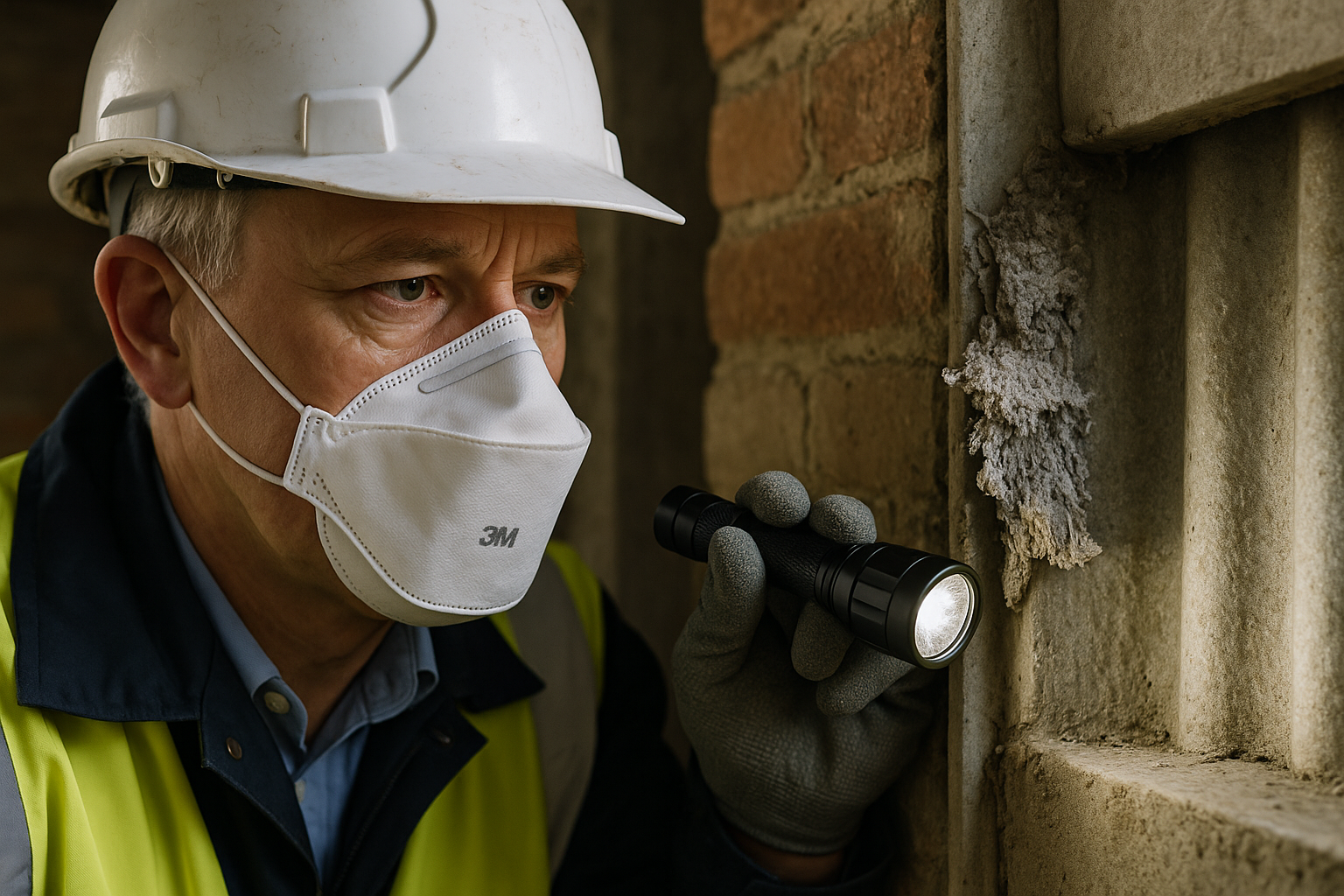
As mining methods improved and trade networks expanded, asbestos became more accessible. Its reputation as a fire-resistant material made it attractive in places where open flames, furnaces and dense urban construction created constant fire risk.
Even then, use was still limited compared with what came later. The real expansion happened when industrial production needed materials that could insulate machinery, contain heat and reduce fire hazards in factories, ships and transport systems.
When asbestos use exploded during industrialisation
The turning point in the story behind when was asbestos invented came with industrialisation. Once heavy industry expanded, asbestos shifted from a curiosity to a mass-market material.
Factories, power generation, railways and shipbuilding all needed insulation that could handle heat and friction. Asbestos fitted the job perfectly. It could be mixed into cement, wrapped around pipes, pressed into boards and added to mechanical components.
Why industry embraced asbestos
Asbestos became popular for practical reasons:
- It resisted heat and flame
- It provided thermal insulation
- It had sound-insulating properties
- It strengthened cement and composite products
- It was widely available and relatively inexpensive
Those benefits explain why asbestos spread so quickly across industrial and commercial settings. They also explain why it later became so difficult to remove from supply chains and buildings.
Common industrial applications
Asbestos was used in a huge range of products, including:
- Boiler and pipe insulation
- Sprayed coatings
- Insulation boards
- Cement sheets and roof panels
- Brake linings and clutch facings
- Gaskets and seals
- Textured coatings
- Floor tiles and adhesives
From a property management point of view, this is where history becomes practical. Many of these products were later installed in schools, offices, factories, shops, hospitals and blocks of flats across the UK.
Asbestos in twentieth-century buildings
By the twentieth century, asbestos had become deeply embedded in the built environment. If you manage an older property, this is the part of the timeline that matters most.
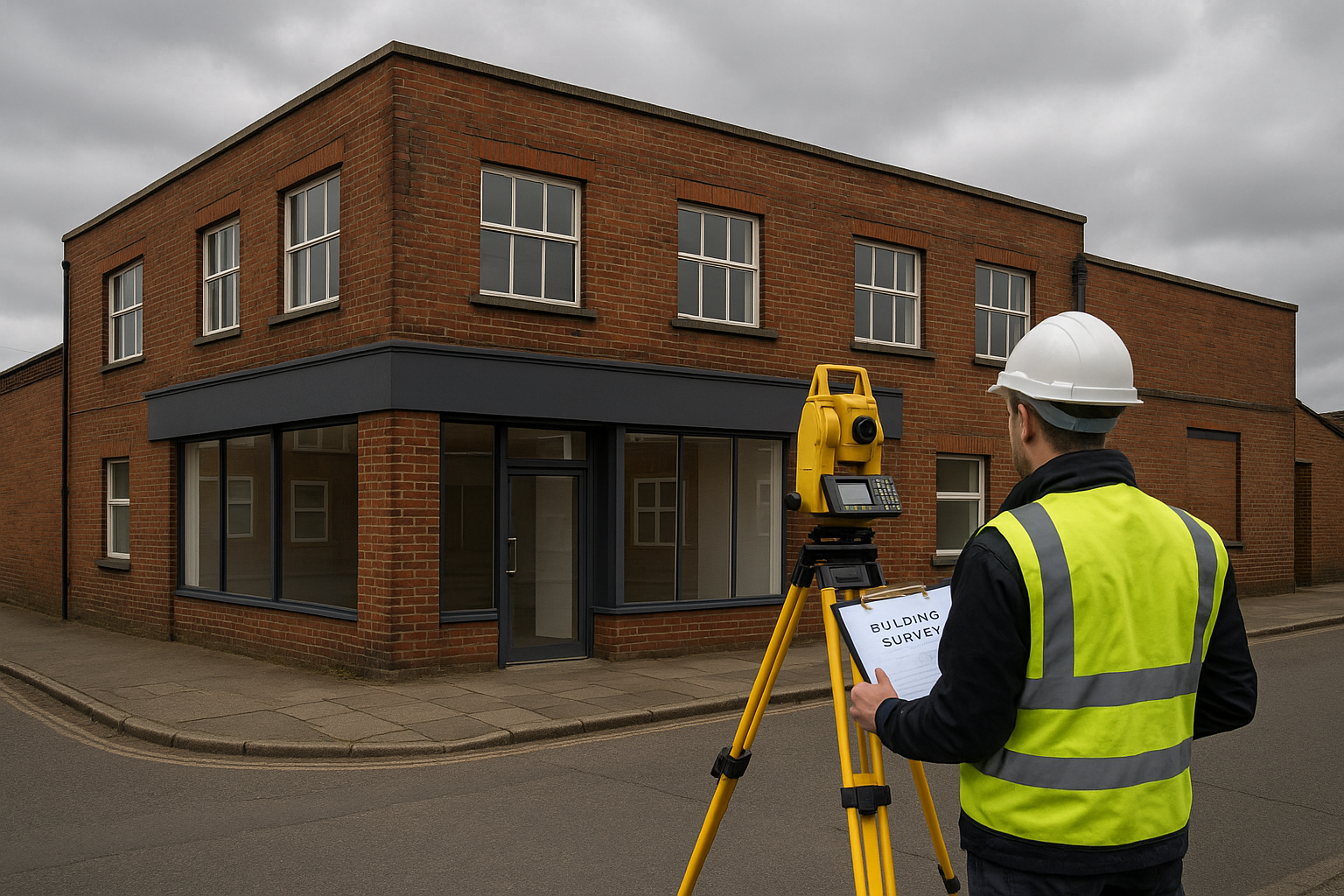
In the UK, asbestos-containing materials were used extensively throughout much of the twentieth century. They appeared in both domestic and non-domestic premises, particularly where fire protection, insulation or low-cost durability were priorities.
Where asbestos is commonly found in UK properties
Common locations include:
- Pipe lagging and boiler insulation
- Asbestos insulating board in partitions, risers and ceiling voids
- Textured coatings on walls and ceilings
- Floor tiles and bitumen adhesives
- Soffits, fascias and cement roof sheets
- Ceiling tiles
- Guttering, downpipes and water tanks
- Fire doors and service duct linings
Not every older building contains asbestos, but many do. Any premises built or refurbished before 2000 should be treated with caution until the presence or absence of asbestos has been properly assessed.
If you are responsible for ongoing occupation and maintenance, a professional management survey is usually the starting point. This helps identify asbestos-containing materials that could be damaged or disturbed during normal use.
When did people realise asbestos was dangerous?
Another reason people search when was asbestos invented is to understand how a material used for so long became so heavily regulated. The answer lies in the slow recognition of its health effects.
Medical concern did not appear overnight. Asbestos-related disease was identified through years of observation among workers exposed to airborne fibres in factories, mines and industrial plants.
How asbestos harms health
When asbestos-containing materials are damaged or disturbed, tiny fibres can become airborne. These fibres are easily inhaled and can lodge deep in the lungs.
Exposure can lead to serious diseases, including:
- Asbestosis – scarring of lung tissue
- Mesothelioma – a cancer strongly associated with asbestos exposure
- Lung cancer – risk increases with asbestos exposure
- Pleural thickening – thickening of the lung lining
One of the most difficult aspects of asbestos risk is latency. Symptoms and diagnosis may occur decades after exposure, which is why historic use still creates current legal and health responsibilities.
Why the danger was underestimated for so long
There were several reasons asbestos remained in widespread use despite mounting evidence:
- Its industrial benefits were obvious and immediate.
- The health effects often took many years to appear.
- Exposure was common in sectors with poor historical controls.
- Many asbestos-containing materials looked harmless when intact.
That is still relevant today. A ceiling tile, service riser panel or old pipe lagging may not look dangerous, but appearance is not a reliable guide.
UK asbestos regulation and what it means now
For anyone managing buildings, the history behind when was asbestos invented matters less than the current legal duties. In the UK, asbestos is controlled through a strict regulatory framework.
The Control of Asbestos Regulations place a duty to manage asbestos in non-domestic premises. In simple terms, duty holders must take reasonable steps to find out whether asbestos is present, assess the risk and put a plan in place to manage it.
Survey work should follow HSG264, the HSE guidance for asbestos surveys. This sets out how surveys should be planned, carried out and reported so that building owners and managers can make informed decisions.
What duty holders should do
If you are responsible for a commercial, public or shared residential building, practical steps include:
- Identify whether the property is old enough to contain asbestos
- Arrange the right type of asbestos survey
- Keep an up-to-date asbestos register
- Assess the condition of any asbestos-containing materials
- Make sure contractors can access asbestos information before starting work
- Review the management plan regularly
If refurbishment or demolition is planned, a management survey is not enough. A more intrusive survey is usually required before work begins, because hidden materials may be disturbed.
Why the history still matters to property managers
At first glance, when was asbestos invented sounds like a simple history question. In practice, it affects how you assess risk in real buildings.
Asbestos was used so widely for so long that many premises still contain it in some form. The older the property and the more times it has been altered, the more careful you need to be. Refurbishment, maintenance and even small installation works can disturb hidden asbestos.
That means history should inform your day-to-day decision-making. Before drilling, rewiring, replacing ceilings, upgrading plant rooms or removing old finishes, check what is in the building fabric.
Practical warning signs in older premises
You should pause and seek advice if:
- The building was constructed or refurbished before 2000
- There are old insulation boards, lagging or sprayed coatings present
- Maintenance records are incomplete or missing
- Contractors are due to disturb walls, ceilings, ducts or service risers
- Previous refurbishments may have concealed older materials
Do not rely on age alone, and do not assume a material is safe because it has been there for years. The key issue is whether fibres could be released during occupation or works.
What to do if you suspect asbestos in a building
If you suspect asbestos, the safest approach is straightforward: do not disturb the material and arrange professional advice. Breaking, sanding, drilling or removing suspect materials without proper assessment can create avoidable exposure.
Use this simple process:
- Stop work if a suspect material is uncovered.
- Restrict access to the area if necessary.
- Check existing records, including any asbestos register or previous survey.
- Arrange a survey or sampling by a competent asbestos professional.
- Follow the findings and update your management arrangements.
For occupied premises, speed matters. Delays create confusion for staff, contractors and tenants. Clear records and a reliable survey partner make a big difference.
Local asbestos survey support across major UK cities
Because asbestos risk is tied to the age and use of buildings, local knowledge is useful. Surveyors who regularly work across mixed property stock are better placed to recognise likely asbestos-containing materials and understand how buildings have been altered over time.
If you manage property in the capital, our asbestos survey London service supports duty holders across offices, schools, retail premises, industrial sites and residential blocks.
For clients in the north-west, our asbestos survey Manchester service covers management surveys, refurbishment surveys and clear reporting that helps you plan works safely.
In the Midlands, our asbestos survey Birmingham service helps landlords, agents, facilities managers and organisations meet their legal duties with minimal disruption.
The lasting legacy of asbestos
The question when was asbestos invented leads to a much bigger issue: asbestos was never invented, but it was adopted so widely that its legacy remains built into the UK property stock.
That legacy is manageable, but only with the right information. Asbestos in good condition is not always an immediate emergency. The real risk comes when materials are damaged, deteriorate or are disturbed without proper controls.
For property managers, the practical lesson is clear:
- Know the age and history of your building
- Do not assume previous owners managed asbestos correctly
- Keep surveys and registers current
- Share asbestos information before maintenance or refurbishment
- Bring in qualified professionals when materials are suspected
If you need clear advice, fast turnaround and UK-wide surveying support, Supernova Asbestos Surveys can help. We carry out asbestos surveys for commercial, public and residential properties nationwide. Call 020 4586 0680 or visit asbestos-surveys.org.uk to book a survey or speak to our team.
Frequently Asked Questions
Was asbestos invented by humans?
No. Asbestos is a naturally occurring mineral, so it was not invented by humans. People discovered it and then developed ways to mine, process and use it in products and buildings.
When was asbestos first used?
Asbestos has been used for thousands of years. Archaeological evidence shows early use in ancient pottery and other heat-resistant applications long before modern industry existed.
Why was asbestos used so widely in buildings?
It was widely used because it resists heat, insulates well, strengthens other materials and was relatively inexpensive. These properties made it popular in insulation, cement products, coatings, boards and tiles.
Is asbestos always dangerous if it is present in a building?
Not always. Asbestos-containing materials in good condition and left undisturbed may present a lower immediate risk. The danger increases when materials are damaged, deteriorate or are disturbed during maintenance, refurbishment or demolition.
What should I do if I think my property contains asbestos?
Do not disturb the material. Check whether there is an existing asbestos survey or register, and arrange a professional asbestos survey if needed. For non-domestic premises, this forms part of your duty to manage under the Control of Asbestos Regulations.