Why Is Asbestos Strong — And Why That Strength Made It So Deadly
Asbestos was once celebrated as a miracle material. Heat-resistant, chemically stable, and strong enough to reinforce everything from cement pipes to ceiling tiles, it was irresistible to builders and manufacturers throughout most of the twentieth century. But the very qualities that made asbestos so useful are the same ones that make it so lethal when disturbed.
Over a million UK buildings still contain asbestos-based materials. Understanding why asbestos is strong, where it hides, and what the law requires of you is the first step in protecting yourself, your employees, and anyone who works in or around older properties.
What Makes Asbestos Strong? The Science Explained
Asbestos is a naturally occurring silicate mineral that forms in long, thin fibres. Those fibres are the source of both its remarkable engineering properties and its devastating health effects.
In tensile strength terms, chrysotile (white asbestos) fibres can be stronger than steel wire of the same diameter. That is not a minor engineering footnote — it explains why manufacturers blended asbestos into cement, textiles, insulation, and adhesives on an industrial scale.
The Key Physical Properties of Asbestos
- High tensile strength — individual fibres resist pulling forces exceptionally well
- Heat resistance — asbestos does not burn and retains structural integrity at high temperatures
- Chemical resistance — it holds up against most acids and alkalis
- Electrical insulation — it does not conduct electricity, making it useful in wiring protection
- Sound absorption — it was used in acoustic ceiling tiles and partition boards
- Flexibility when woven — chrysotile fibres can be spun into textiles and rope lagging
When you combine a material that is strong, fireproof, cheap, and readily available, you get something that builders and engineers will use in almost every application imaginable. And they did — from roughly the 1920s through to the late 1990s, when the UK finally banned all forms of asbestos.
The Six Types of Asbestos and Their Relative Strengths
Not all asbestos is identical. There are six recognised types, grouped into two mineral families: serpentine and amphibole. Each has different fibre structures, different commercial uses, and different levels of risk.
Serpentine Asbestos
Chrysotile (white asbestos) is the only serpentine type and by far the most widely used commercially. Its curly, flexible fibres made it ideal for weaving and mixing into cement products. It accounts for the vast majority of asbestos ever used in the UK.
Amphibole Asbestos
Amphibole fibres are straight and needle-like, which makes them even more dangerous when inhaled — they penetrate deeper into lung tissue and are harder for the body to expel.
- Amosite (brown asbestos) — used heavily in insulation boards and ceiling tiles; considered highly hazardous
- Crocidolite (blue asbestos) — the most dangerous type; used in pipe insulation and spray coatings
- Tremolite — rarely used commercially but found as a contaminant in other materials
- Actinolite — limited commercial use; found occasionally in building products
- Anthophyllite — used in small quantities in certain composite materials
All six types are banned in the UK and all six are capable of causing fatal disease. There is no safe type of asbestos.
Where Asbestos Strength Was Put to Use — Common Locations in UK Buildings
Because asbestos is strong and versatile, it ended up in a remarkable range of building products. If your property was built or significantly renovated before the year 2000, there is a realistic chance it contains at least one asbestos-containing material (ACM).
Insulation Materials
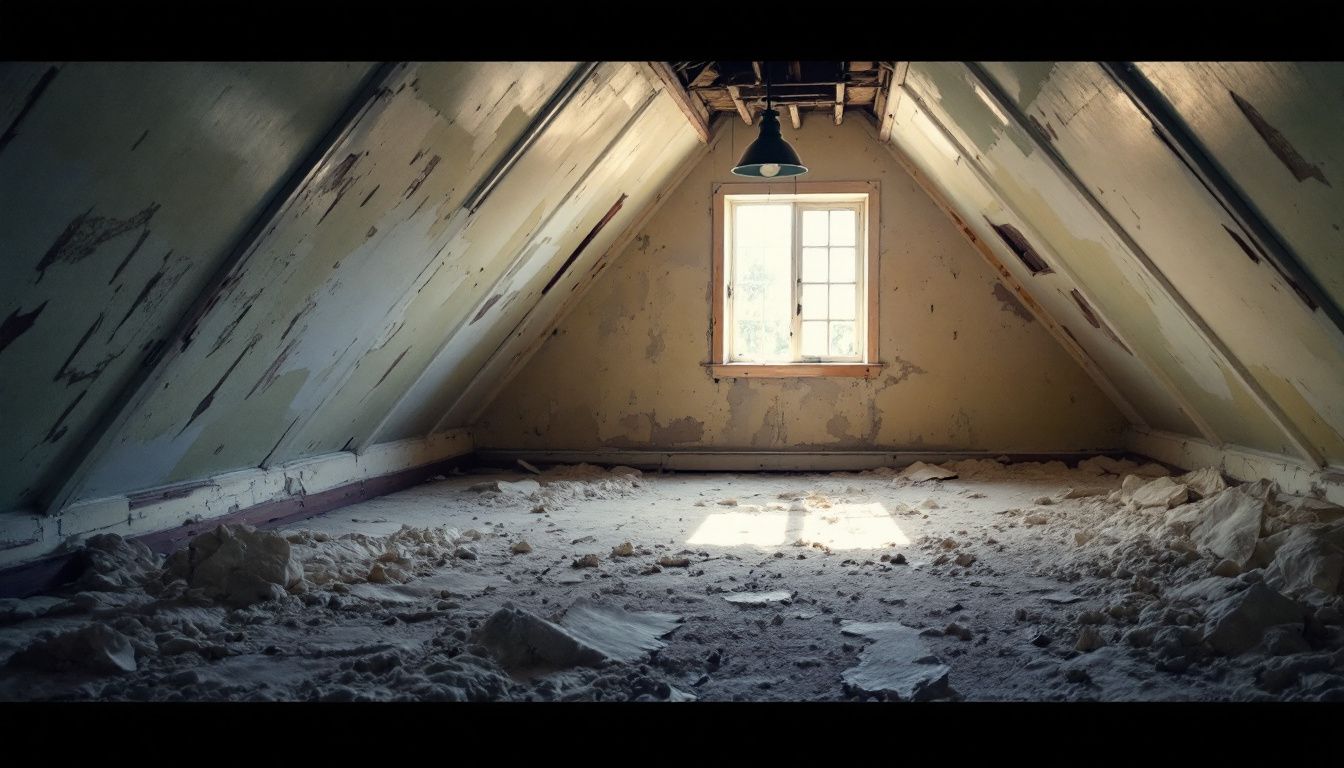
Asbestos was the go-to insulation material for decades. It was woven around pipes, packed into loft spaces, and sprayed onto structural steelwork. Pipe lagging, boiler insulation, and loose-fill loft insulation are among the most common places to find it in domestic and commercial properties.
When this insulation degrades or is disturbed during maintenance work, it releases microscopic fibres into the air. Those fibres are invisible to the naked eye and can remain airborne for hours.
Cement and Pipework
Asbestos cement was one of the most widespread applications of the material. Builders mixed asbestos fibres into cement to dramatically improve its tensile strength and resistance to cracking. The result was used in:
- Corrugated roof sheets on garages, sheds, and agricultural buildings
- Water and drainage pipes
- Flue pipes and guttering
- External wall cladding
- Rainwater goods
Asbestos cement is generally lower risk when intact, but any drilling, cutting, or weathering can release fibres. If you are planning building work on a pre-2000 property, always assume cement sheets may contain asbestos until proven otherwise.
Roofing and Flooring Products
Vinyl floor tiles from the 1950s through to the 1980s frequently contained chrysotile asbestos. The adhesive used to lay them — often called black mastic — can also be an ACM.
Textured coatings such as Artex, applied to ceilings and walls before the mid-1980s, commonly contained chrysotile. Sanding or scraping these surfaces without prior testing is one of the most common ways DIY enthusiasts accidentally expose themselves to asbestos fibres.
Other Common Locations
- Amosite insulation boards around boilers and behind electrical panels
- Sprayed coatings on structural beams and columns
- Fire doors (infill panels)
- Rope seals and gaskets in old heating appliances
- Toilet cisterns and window sills in some older properties
Why Asbestos Strength Becomes a Health Hazard
The same structural properties that make asbestos fibres strong also make them biologically persistent. When you inhale an asbestos fibre, your body cannot break it down. It lodges in the lung tissue — or in the pleura, the lining around the lungs — and stays there indefinitely.
Over years and decades, this persistent irritation causes scarring, inflammation, and, in many cases, malignant disease.
Asbestosis
Asbestosis is a chronic lung condition caused by the scarring of lung tissue. It develops after prolonged exposure and causes progressive breathlessness, a persistent cough, and chest tightness. There is no cure — treatment focuses on managing symptoms.
Mesothelioma
Mesothelioma is a cancer of the mesothelium — the lining that covers the lungs, abdomen, and other organs. It is almost exclusively caused by asbestos exposure. The disease has a long latency period, typically between 20 and 50 years, meaning people diagnosed today were often exposed in the 1970s and 1980s.
The UK has one of the highest rates of mesothelioma in the world, a direct legacy of the country’s heavy industrial use of asbestos.
Lung Cancer and Other Conditions
Asbestos exposure significantly increases the risk of lung cancer, particularly in people who also smoke. The risk is multiplicative rather than simply additive — a smoker with significant asbestos exposure faces a far higher risk than either factor alone would suggest.
Pleural plaques and pleural thickening are also associated with asbestos exposure. While not cancerous themselves, they are markers of past exposure and can cause breathlessness and discomfort.
The Latency Problem
One of the most insidious aspects of asbestos-related disease is the long gap between exposure and diagnosis. Someone who worked in a building with deteriorating asbestos insulation in the 1980s may only now be developing symptoms.
This latency period makes it impossible to know how many people currently exposed to asbestos in poorly managed buildings will go on to develop disease in the coming decades. That uncertainty is precisely why the law requires proactive management — not reactive management once someone falls ill.
Why Asbestos Is Still a Problem in the UK Today
The UK banned the use of all forms of asbestos, but the ban did not remove the material already embedded in millions of buildings. Asbestos does not degrade quickly — its strength and chemical resistance mean it can persist in building materials for many decades without breaking down.
Every time a tradesperson cuts into an old ceiling, drills through a partition wall, or removes old pipe lagging without checking for asbestos first, they risk exposure — and so do the building’s occupants. Electricians, plumbers, and joiners are among those most regularly at risk, simply because their work routinely disturbs building fabric in older properties.
Globally, asbestos mining continues in several countries. Russia, China, Brazil, and Kazakhstan remain significant producers. This ongoing production means asbestos exposure remains a major international public health issue, even as the UK and much of Europe have moved away from its use entirely.
Legal Obligations for Building Owners and Duty Holders
The Control of Asbestos Regulations places a legal duty on those responsible for non-domestic premises to manage asbestos. This is known as the duty to manage, and it applies to employers, building owners, and anyone with responsibility for maintaining a non-domestic building.
The duty to manage requires duty holders to:
- Find out whether asbestos is present in the building
- Assess the condition of any asbestos-containing materials found
- Produce a written asbestos management plan
- Keep the plan up to date and act on it
- Share information about asbestos locations with anyone who may disturb it
HSG264, the HSE’s guidance document on asbestos surveys, sets out the standards that surveys must meet. There are two main types: an management survey, which is the standard survey for managing asbestos in an occupied building, and a demolition survey, required before any major refurbishment or demolition work begins.
Failing to meet these obligations is not just a regulatory risk — it is a direct risk to the health of everyone who uses the building.
How to Test for Asbestos: What the Process Involves
Visual identification of asbestos is not reliable. Many asbestos-containing materials look identical to non-asbestos equivalents. The only way to confirm whether a material contains asbestos is through laboratory analysis of a physical sample.
Professional asbestos testing involves a qualified surveyor taking samples from suspect materials and submitting them to a UKAS-accredited laboratory. The lab analyses the samples under polarised light microscopy to identify the presence and type of asbestos fibres.
Air monitoring is also used in certain circumstances — particularly after disturbance of known or suspected ACMs — to measure the concentration of airborne fibres and confirm that an area is safe to reoccupy.
If you are unsure whether materials in your property contain asbestos, do not disturb them. Commission asbestos testing before carrying out any work that might disturb suspect materials. Acting early is far less costly than dealing with the consequences of uncontrolled fibre release.
What Happens When Asbestos Is Found
Finding asbestos in a building does not automatically mean it needs to be removed. In many cases, asbestos that is in good condition and unlikely to be disturbed is best left in place and managed. Disturbing intact asbestos to remove it can create more risk than leaving it alone.
Encapsulation
Encapsulation involves applying a specialist sealant or coating to asbestos-containing materials to prevent fibres from becoming airborne. It is a cost-effective option for materials in reasonable condition that are not at imminent risk of damage. Encapsulated areas must be regularly inspected and the condition of the coating monitored.
Removal
Where asbestos is in poor condition, is at risk of disturbance, or needs to be removed to allow building work, licensed asbestos removal by an HSE-licensed contractor is required for the most hazardous materials.
The removal process involves:
- Erecting a sealed enclosure around the work area
- Using negative pressure units to prevent fibre escape
- Operatives wearing full respiratory protective equipment and disposable coveralls
- Wetting materials during removal to suppress fibre release
- Disposing of all waste at a licensed facility in accordance with hazardous waste regulations
Only after a four-stage clearance procedure — including air testing by an independent analyst — can the area be signed off as safe to reoccupy.
Asbestos Surveys Across the UK
Supernova Asbestos Surveys operates nationwide, with specialist teams covering major cities and surrounding regions. Whether you need an asbestos survey in London, an asbestos survey in Manchester, or an asbestos survey in Birmingham, our qualified surveyors can attend promptly and deliver UKAS-accredited results.
With over 50,000 surveys completed across the UK, we have the experience to identify asbestos-containing materials accurately, advise on risk, and help you meet your legal obligations without unnecessary disruption to your building or business.
Frequently Asked Questions
Is asbestos strong enough to have been genuinely useful as a building material?
Yes. Asbestos fibres — particularly chrysotile — have tensile strength comparable to steel wire of the same diameter. Combined with heat resistance, chemical stability, and low cost, this made asbestos genuinely useful across a huge range of construction and manufacturing applications. Its strength is precisely why it was used so extensively and why it remains embedded in so many UK buildings today.
Does asbestos strength make it harder to remove safely?
The strength and chemical resistance of asbestos fibres mean they do not break down easily in the environment or in the human body. This persistence is what makes them so hazardous to health. Removal must be carried out by HSE-licensed contractors using controlled conditions to prevent fibre release — the durability of the material is exactly what makes uncontrolled disturbance so dangerous.
How do I know if my building contains asbestos?
You cannot tell by looking. Many asbestos-containing materials are visually indistinguishable from non-asbestos equivalents. The only reliable method is a professional survey followed by laboratory analysis of samples. If your property was built or refurbished before 2000, you should commission a management survey or arrange asbestos testing before carrying out any intrusive work.
Who is legally responsible for managing asbestos in a building?
Under the Control of Asbestos Regulations, the duty to manage asbestos falls on the dutyholder — typically the building owner, employer, or whoever has responsibility for maintaining the premises. This applies to non-domestic buildings. The dutyholder must identify asbestos, assess its condition, produce a management plan, and share information with anyone who may disturb the material.
Is it always necessary to remove asbestos if it is found?
No. Asbestos in good condition that is unlikely to be disturbed is often best left in place and managed. Removal itself carries risk if not done correctly, and disturbing stable materials unnecessarily can release fibres that would otherwise remain inert. A qualified surveyor will advise whether management, encapsulation, or removal is the appropriate course of action based on the material’s condition and location.
Get Expert Asbestos Advice from Supernova
If you manage or own a pre-2000 building and have not yet established whether asbestos is present, now is the time to act. Supernova Asbestos Surveys provides fast, accredited asbestos surveys and testing services across the UK, with clear reporting and practical guidance on next steps.
Call us on 020 4586 0680 or visit asbestos-surveys.org.uk to book a survey or speak to one of our specialists. We have completed over 50,000 surveys nationwide — we know what to look for and how to keep you compliant.