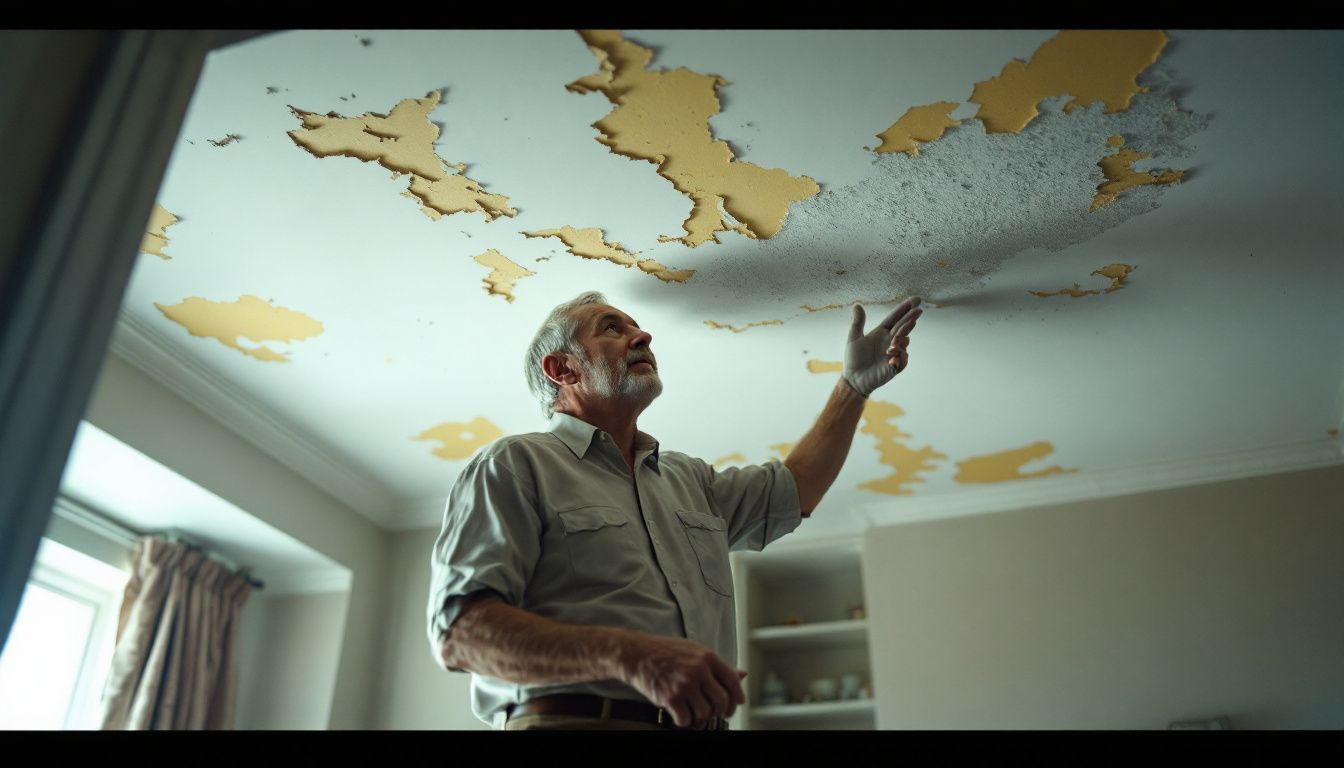
What Every Estate Agent Needs to Know About Managing Asbestos in Property Listings
Asbestos doesn’t have to derail a property sale — but only if you handle it correctly from the outset. Managing asbestos in property listings best practices for real estate agents is one of the most misunderstood areas of the profession, yet getting it wrong exposes you to serious legal liability and can collapse deals at the worst possible moment.
Properties built before 2000 may contain asbestos-containing materials (ACMs), and in the UK, a significant proportion of the housing stock falls into that category. As an agent, you need to know where asbestos hides, what the law requires of you, and how to present affected properties in a way that’s both legally compliant and commercially effective.
Where Asbestos Hides in Older Properties
Asbestos was used extensively in UK construction right up until its full ban in 1999. That means any property built or refurbished before 2000 could contain it — and it’s rarely obvious to the untrained eye.
Common Locations in Residential Properties
Estate agents should be aware of the typical locations where ACMs are found, even if identifying them definitively requires a professional survey. Knowing where to look helps you ask the right questions and advise vendors appropriately.
- Roof materials: Corrugated asbestos cement sheets and roofing felt
- Floor coverings: Vinyl floor tiles and the adhesive beneath them
- Ceiling tiles: Particularly textured or Artex-style coatings applied before the 1990s
- Pipe lagging and boiler insulation: Common in airing cupboards and plant rooms
- Partition walls and ceiling boards: Asbestos insulating board (AIB) was widely used
- Gutters, soffits, and fascias: Especially in properties built in the 1960s and 70s
- Textured wall and ceiling coatings: Artex applied before 1985 is particularly likely to contain asbestos
The critical point here is that you cannot identify asbestos by sight alone. Materials that look perfectly ordinary may contain fibres. This is why professional inspection is non-negotiable before any works are carried out on a pre-2000 property.
Why Professional Surveys Matter Before Listing
A professional management survey identifies the location, condition, and extent of any ACMs within a property. It gives you — and your vendor — a documented, evidence-based picture of what’s present and what risk it poses.
Without this, you’re relying on guesswork. That’s not a position any responsible agent should be in, especially when asbestos disclosure is a legal obligation rather than a courtesy.
Surveys are carried out by licensed, qualified surveyors who follow HSE guidance (HSG264) and take physical samples where necessary. The resulting report categorises materials by risk and recommends appropriate management or remediation actions.
The Legal Obligations Estate Agents Must Understand
Managing asbestos in property listings best practices for real estate agents isn’t just about good practice — it’s about staying on the right side of UK law. The regulatory framework is clear, and ignorance of it is not a defence.
The Control of Asbestos Regulations
The Control of Asbestos Regulations place a duty on those responsible for non-domestic properties to manage asbestos. For commercial property listings, this means the duty holder — often the landlord or owner — must have an up-to-date asbestos management plan in place before the property changes hands.
As an agent handling commercial premises, you should be asking vendors for evidence of compliance. If they can’t produce it, that’s a significant issue that needs resolving before marketing begins.
Disclosure Requirements and Consumer Protection Law
Under consumer protection legislation, estate agents are required to disclose material facts about a property — and known asbestos is unquestionably a material fact. Failing to disclose it, or actively concealing it, can result in serious legal consequences including fines and civil claims from buyers.
The principle is straightforward: if you know about it, you must disclose it. This applies whether you’re selling a terraced house or a commercial unit.
Mortgage lenders also increasingly require asbestos surveys or management reports before approving loans on older properties. Getting ahead of this requirement prevents frustrating delays further down the transaction chain.
Your Duty of Care to All Parties
The Health and Safety at Work Act places a broader duty of care on those who create or manage workplaces — which includes commercial properties you’re marketing. But even in residential sales, the ethical and legal expectation is clear: all parties must have the information they need to make informed decisions.
As an agent, documenting what you’ve done to identify and disclose asbestos-related information protects you if a dispute arises later. Keep records of every survey, report, and disclosure conversation.
Best Practices for Managing Asbestos in Property Listings
This is where managing asbestos in property listings best practices for real estate agents becomes a practical, day-to-day skill rather than an abstract legal concern. Here’s how to handle it professionally at every stage of the sales or lettings process.
Commission a Survey Before You Market
The single most effective step you can take is ensuring a professional asbestos survey is carried out before a property goes to market. This eliminates uncertainty, prevents nasty surprises during conveyancing, and gives buyers the confidence to proceed.
Encourage your vendors to arrange a survey early. If they’re resistant, explain that undisclosed asbestos discovered during a buyer’s survey is one of the most common reasons property transactions collapse — and that a proactive survey actually strengthens their negotiating position.
Supernova Asbestos Surveys operates across the UK and can typically deliver survey reports within 24 hours of the inspection. That turnaround means there’s no reason to delay.
Understand the Survey Report and Communicate It Clearly
A survey report will categorise ACMs according to their condition and risk level. Not all asbestos is equally dangerous — intact, undisturbed materials in good condition pose a low risk and may not require removal at all.
Understanding this distinction allows you to have informed conversations with buyers rather than letting the word “asbestos” trigger unnecessary alarm. Be honest, be clear, and provide the full report rather than a summary you’ve interpreted yourself.
If a buyer’s solicitor asks questions about asbestos, being able to produce a professional survey report immediately demonstrates transparency and competence. It builds trust rather than eroding it.
Advise Vendors on Their Options
Once asbestos is identified, vendors have several options. Your role is to help them understand the implications of each:
- Professional removal: Where ACMs are in poor condition or in areas that will be disturbed during renovation, asbestos removal by a licensed contractor is the safest and most permanent solution. It removes the issue entirely and can make the property more straightforward to sell.
- Encapsulation or sealing: Where materials are in good condition and not at risk of disturbance, encapsulation — applying a specialist sealant to contain fibres — is a recognised management method. It’s typically less costly than removal and is a valid long-term approach when properly maintained and monitored.
- Management in place: For low-risk, intact materials, a documented management plan that records the location and condition of ACMs and sets out a monitoring schedule may be sufficient. This is particularly common in commercial properties.
- Price adjustment or buyer credits: Where vendors choose not to remediate before sale, adjusting the asking price or offering a remediation credit at completion gives buyers a transparent, workable solution. The credit should reflect realistic local contractor pricing rather than an arbitrary figure.
Pricing Properties with Asbestos Accurately
Properties with identified asbestos — particularly where remediation hasn’t been carried out — will often be valued lower than comparable properties without it. This is a market reality, not a catastrophe. The key is accurate, evidence-based pricing from the outset.
Overpricing a property with known asbestos issues and then having to reduce following a survey creates a much worse impression than pricing it correctly from day one. Work with your vendor to factor in realistic remediation costs and price accordingly.
A well-priced property with full asbestos disclosure and a professional survey report will attract serious buyers, including cash purchasers and investors who are experienced in handling such properties.
Targeting the Right Buyers for Asbestos-Affected Properties
Not all buyers are put off by asbestos — in fact, for the right purchaser, a property with managed or remediable asbestos can represent a genuine opportunity. Understanding your buyer pool is part of managing asbestos in property listings best practices for real estate agents.
Cash Buyers and Property Investors
Cash buyers and property investors are often the most pragmatic audience for properties with asbestos. They’re not constrained by mortgage lender requirements, they typically understand the remediation process, and they’re often looking for properties where there’s room to add value.
Build relationships with investors and developers who specialise in older or distressed stock. Having a ready network of buyers who won’t be deterred by an asbestos survey report is a genuine competitive advantage.
Buyers Undertaking Renovation or Development
Buyers planning significant renovation or development work will need to commission a demolition survey regardless of what a management survey has found. Being upfront about this requirement — and being able to point them towards a reliable surveying partner — positions you as a knowledgeable, trustworthy agent rather than someone trying to hide problems.
Buyers who plan to renovate are also typically more comfortable with the idea of managing or removing asbestos as part of a wider project. Frame it as part of the renovation scope rather than an unexpected burden.
Working with Asbestos Surveyors as a Business Partner
The most effective estate agents don’t treat asbestos surveys as a one-off box-ticking exercise. They build ongoing relationships with accredited surveyors who can provide fast, reliable service across their portfolio of listings.
Supernova Asbestos Surveys has completed over 50,000 surveys across the UK, with local surveyors available in major cities and regions. Whether you’re managing listings in the capital — where our asbestos survey London team operates — across the north of England with our asbestos survey Manchester team, or in the Midlands with our asbestos survey Birmingham specialists, we can provide rapid, accredited surveys with 24-hour report turnaround.
Having a reliable surveying partner means you can advise vendors confidently, provide buyers with professional documentation quickly, and keep transactions moving rather than stalling at the asbestos question.
Documenting Everything: Protecting Yourself as an Agent
Whatever approach you take to managing asbestos in property listings, documentation is your protection. Keep records of:
- Survey reports and any correspondence with the surveying company
- Written disclosure to buyers, including the date and method of disclosure
- Any vendor instructions regarding asbestos management or remediation
- Remediation certificates or encapsulation records where works have been carried out
- Buyer acknowledgements confirming they’ve received and understood the asbestos information
If a dispute arises months or years after a sale, this paper trail demonstrates that you acted professionally, disclosed what you knew, and gave all parties the information they needed to make an informed decision. Without it, you’re exposed.
Digital record-keeping is perfectly acceptable — just ensure documents are stored securely, backed up, and retrievable. Many agents now use transaction management platforms that automatically archive communications and documents. Whatever system you use, the discipline of recording everything must be consistent across your team.
Common Mistakes Estate Agents Make with Asbestos
Even experienced agents can fall into avoidable traps when asbestos is involved. Here are the most common errors — and how to sidestep them.
Assuming Newer-Looking Properties Are Safe
A property that’s been renovated or redecorated can still contain original ACMs beneath new surfaces. Cosmetic updates don’t eliminate asbestos — they sometimes obscure it. Always check the original construction date, not the most recent refurbishment.
Waiting for the Buyer to Raise the Issue
Some agents take a passive approach, waiting for buyers or their solicitors to ask about asbestos before addressing it. This is legally and commercially risky. Proactive disclosure is always the better strategy — it demonstrates professionalism and reduces the likelihood of disputes.
Treating All Asbestos as an Emergency
Overcommunicating the danger of low-risk, intact asbestos can unnecessarily alarm buyers and kill deals that should proceed. Asbestos in good condition, properly managed and documented, is not an emergency. Present the facts accurately and let the professional survey report do the talking.
Failing to Update Listings When New Information Emerges
If a survey reveals ACMs after a property has already been listed, update your marketing materials and buyer communications immediately. Continuing to market a property without reflecting newly discovered asbestos information is a compliance failure, not just a commercial misstep.
Frequently Asked Questions
Do estate agents have a legal duty to disclose asbestos in a property?
Yes. Under consumer protection legislation, estate agents must disclose material facts about a property — and known asbestos is a material fact. Failing to disclose it can lead to legal action, fines, and civil claims from buyers. If you know asbestos is present, you are obligated to inform all relevant parties.
What type of asbestos survey is needed before selling a property?
For most residential and commercial properties being sold in their current condition, a management survey is the appropriate starting point. It identifies the location, condition, and risk level of any ACMs. If the buyer plans significant renovation or demolition, a refurbishment or demolition survey will also be required before those works begin.
Does asbestos always reduce a property’s value?
Not necessarily. Low-risk, intact asbestos that is professionally documented and managed may have minimal impact on value. Where remediation is required, the cost of that work is typically reflected in the asking price or negotiated as a buyer credit. Accurate, evidence-based pricing from the outset is far more effective than overpricing and reducing later.
Can a property with asbestos still be sold or let?
Absolutely. Asbestos does not prevent a property from being sold or let, provided it is properly managed and disclosed. Many properties across the UK contain ACMs that are safely managed in place. The key requirements are professional documentation, transparent disclosure to all parties, and — where necessary — appropriate remediation or management plans.
How quickly can an asbestos survey be arranged before listing?
With Supernova Asbestos Surveys, inspections can typically be arranged at short notice and reports delivered within 24 hours of the survey. There’s no need to delay a listing for weeks waiting for results. Contacting a professional surveying company early in the process is always the best approach.
Get Expert Support from Supernova Asbestos Surveys
Managing asbestos in property listings best practices for real estate agents starts with having the right professional partner. Supernova Asbestos Surveys has completed over 50,000 surveys nationwide, working with estate agents, property managers, landlords, and developers to keep transactions moving and properties compliant.
Whether you need a management survey ahead of a listing, a demolition survey for a development site, or specialist advice on a complex commercial property, our accredited surveyors are ready to help. We cover the whole of the UK, with dedicated teams in London, Manchester, Birmingham, and beyond.
Call us on 020 4586 0680 or visit asbestos-surveys.org.uk to arrange a survey or speak with one of our specialists. Don’t let asbestos stall your next transaction — get the facts, get the report, and keep the deal moving.