Buying a House With Asbestos: What Every UK Buyer Needs to Know
Buying a house with asbestos is far more common than most people realise — and far less catastrophic than many fear. Any property built before 2000 could contain asbestos-containing materials (ACMs), and in the UK that covers millions of homes across every region and price bracket.
Before you exchange contracts or pick up a paintbrush, here is everything you need to understand about asbestos, your rights as a buyer, and the practical steps that protect both your health and your investment.
Why Asbestos Is Still Found in So Many UK Homes
Asbestos was used extensively in British construction from the 1940s right through to its full ban in 1999. It was cheap, fire-resistant, and an excellent insulator — which made it a go-to material for builders across the country for over half a century.
The result is that a significant proportion of the UK’s housing stock contains asbestos somewhere. It does not matter whether the property looks modern or well-maintained on the surface. If it was built or significantly refurbished before 2000, ACMs could be present.
Where Asbestos Hides in Residential Properties
Asbestos is not always obvious. It was blended into dozens of building products, which means it can be almost anywhere in an older home. Common locations include:
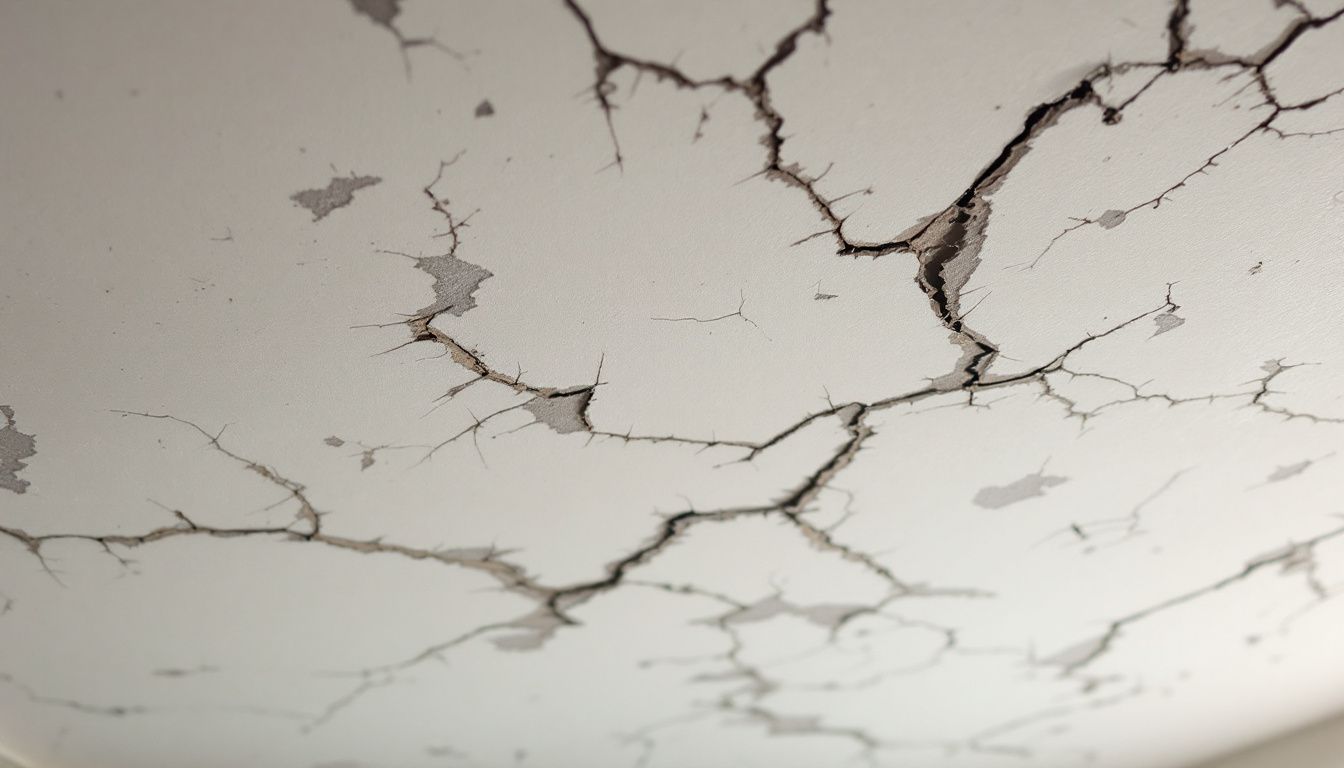
- Textured coatings such as Artex on ceilings and walls
- Floor tiles and the adhesive used to fix them
- Roof sheets, soffit boards, and guttering on garages and outbuildings
- Pipe lagging and boiler insulation
- Insulating boards around fireplaces, boilers, and airing cupboards
- Bath panels, ceiling tiles, and partition walls
- Window putty and old sealants
- Fuse boxes and electrical backing boards
- Corrugated roofing on sheds and extensions
Many of these materials are not dangerous in their current state. Asbestos that is intact and undisturbed poses a low risk. The danger arises when materials are drilled into, sanded, cut, or broken — releasing microscopic fibres into the air that can be inhaled.
Which Types of Property Carry the Highest Risk?
Post-war properties built between the late 1940s and the 1970s carry the highest concentration of asbestos. These homes were constructed during the peak of asbestos use in the UK, and the material was incorporated into almost every element of the build.
Properties built in the 1980s and 1990s also warrant attention. While asbestos use declined during this period, it was not fully banned until 1999, so residual use continued. Even a house that looks like it was renovated recently may have original asbestos materials lurking beneath newer finishes.
The Health Risks You Cannot Afford to Ignore
Asbestos-related disease is the UK’s biggest occupational killer. Thousands of people die each year from conditions directly linked to asbestos exposure, including mesothelioma, asbestosis, and lung cancer.
These diseases typically develop silently over 20 to 40 years after exposure, which means the consequences of disturbing asbestos today may not become apparent for decades. Children are particularly vulnerable because their lungs are still developing and they have a longer lifespan ahead during which disease could manifest.
The key point for buyers is this: asbestos in a property is not automatically a crisis, but disturbing it without proper knowledge is. Anyone planning renovation work on a pre-2000 property must understand what they are dealing with before a single wall is touched.
What UK Law Says About Asbestos When Buying a House
The legal landscape around asbestos disclosure in residential property sales is something every buyer should understand. Sellers are not always legally required to proactively disclose asbestos in the same way commercial landlords are required to manage it — but that does not mean buyers are without protection.
The Seller’s Obligations
Under consumer protection and property misrepresentation legislation, sellers must not make false or misleading statements about a property. If a seller knows asbestos is present and conceals that fact, they risk legal action from the buyer after completion.
The Law Society’s property information forms (TA6) ask sellers to disclose known hazardous materials. If a seller completes these forms dishonestly, they can face claims for misrepresentation. Buyers who discover undisclosed asbestos after purchase have successfully pursued sellers through the courts.
The Control of Asbestos Regulations
The Control of Asbestos Regulations place a duty to manage asbestos on those responsible for non-domestic premises. For residential buyers, the regulations become directly relevant the moment you take ownership and plan any work.
If you commission a contractor to carry out refurbishment without first establishing whether asbestos is present, you could be in breach of your legal duties as a client under the Construction (Design and Management) Regulations. HSE guidance is clear: before any work on a pre-2000 building, asbestos must be identified. Ignorance is not a defence.
The Role of Asbestos Surveys When Buying a House With Asbestos
An asbestos survey is the single most important step you can take when buying a house with asbestos risk. It gives you verified, documented information about what is present, where it is, and what condition it is in — so you can make an informed decision about the purchase.
Management Survey
A management survey is designed for properties that are occupied or will be used without immediate refurbishment. It identifies accessible ACMs, assesses their condition, and produces a report that allows the owner to manage asbestos safely in place.
For buyers moving into a property without major renovation plans, this is typically the right starting point. It tells you what is there and how to keep it safe.
Refurbishment Survey
If you are planning to renovate — knocking down walls, replacing flooring, or updating a kitchen or bathroom — you will need a refurbishment survey before work begins. This is a more intrusive inspection that accesses hidden areas and takes samples from materials that will be disturbed.
It must be carried out before any refurbishment work starts, not during it. Starting work without one puts both your health and your legal compliance at risk.
Demolition Survey
If you are buying a property with a view to full demolition or major structural alteration, a demolition survey is required. This is the most thorough type of survey and must cover the entire structure, including areas that will be destroyed in the process. It is a legal requirement before demolition work commences.
Asbestos Testing
If a surveyor identifies suspected ACMs, samples will be taken and sent to an accredited laboratory for analysis. Asbestos testing confirms whether a material actually contains asbestos and identifies the fibre type, which affects the risk level and management approach.
You can also arrange standalone asbestos testing if you have a specific material you want checked before committing to a full survey. This can be a cost-effective first step when you have a single area of concern.
How Asbestos Affects Property Value and Purchase Negotiations
Buying a house with asbestos does not automatically make a property unsellable or unliveable — but it does affect the negotiation. Buyers who understand the situation are in a far stronger position at the table than those who discover issues after completion.
Using a Survey Report in Negotiations
If an asbestos survey reveals ACMs in poor condition or in locations that will need to be disturbed during planned works, you have concrete grounds to renegotiate the purchase price. Remediation costs — whether that means encapsulation or full removal — can be quantified and used to justify a price reduction.
Sellers who have already commissioned a survey and managed any high-risk materials are in a better position to defend their asking price. Transparency works in both directions: a clean or well-managed asbestos report can actually build buyer confidence rather than destroy it.
When to Walk Away
Most asbestos situations in residential properties are manageable. However, there are scenarios where the extent or condition of ACMs makes a purchase genuinely high risk — particularly if friable (crumbling) asbestos is found in large quantities, or if the cost of safe removal would make the project financially unviable.
A qualified surveyor’s report gives you the information to make that judgement rationally, rather than emotionally. Do not rely on a visual inspection or a vendor’s reassurances — get the facts in writing from an accredited professional.
What Happens If Asbestos Needs to Be Removed
Not all asbestos needs to be removed. In many cases, materials that are in good condition and will not be disturbed can be safely managed in place, monitored, and recorded. Removal is not always the safest option either — the act of removal itself disturbs fibres and carries risk if not done correctly.
Where removal is necessary, it must be carried out by a licensed contractor for higher-risk materials such as sprayed coatings or pipe lagging, and by a competent contractor following HSE guidelines for lower-risk materials. Our asbestos removal service connects you with licensed professionals who follow all regulatory requirements and provide full documentation on completion.
Practical Steps for Buyers: A Clear Action Plan
If you are in the process of buying a house with asbestos risk, follow this sequence before you exchange:
- Check the build date. If the property was built or refurbished before 2000, treat asbestos as a possibility, not a remote chance.
- Review the seller’s property information forms. Look for any disclosures about known hazardous materials. Ask your solicitor to raise specific enquiries if nothing is declared.
- Commission an independent asbestos survey. Do not rely on the seller’s survey alone. An independent survey protects your interests and gives you unbiased information.
- Review the survey report carefully. Understand the condition ratings for any ACMs found. Ask the surveyor to explain anything that is unclear.
- Factor remediation costs into your offer. If the survey identifies materials that will need managing or removing before or during planned works, get a remediation quote and use it in negotiations.
- Plan your renovation work around the report. Do not start any work until you know exactly where ACMs are located and what precautions are required.
- Keep the survey report. Once you own the property, the report becomes part of your asbestos management obligations and should be passed on to future buyers or contractors.
Mortgage Lenders, Insurers, and Asbestos
It is worth understanding how asbestos can affect your mortgage and insurance arrangements. Most high street lenders will not automatically refuse a mortgage on a property containing asbestos — but they may require evidence that any ACMs are in a stable, managed condition before they will lend.
If a surveyor flags asbestos in poor condition or in a location that poses a structural or safety concern, a lender may insist on remediation before releasing funds. Having a professional survey report in hand before you apply gives you — and your lender — the clarity needed to move forward without delays.
Buildings insurers may also ask about asbestos when you take out or renew a policy. Failing to disclose known ACMs could invalidate your cover. Again, a documented survey report is your best protection — it demonstrates that you have taken a responsible, informed approach to managing the risk.
Asbestos in Buy-to-Let and Investment Properties
Buying a house with asbestos takes on additional legal weight if you intend to let the property. Landlords have specific duties under HSE guidance to ensure that tenants are not exposed to asbestos risk, and to manage any ACMs that are present in the property.
Before letting a pre-2000 property, you should have a management survey completed and an asbestos management plan in place. This plan should record the location and condition of all ACMs, set out how they will be monitored, and detail what precautions must be taken before any maintenance or repair work is carried out.
If you are buying a portfolio of properties or a house in multiple occupation (HMO), the survey and management requirements apply to each property individually. Cutting corners here carries both legal and reputational risk — and more importantly, it puts tenants’ health at risk.
Why an Independent Survey Always Beats Relying on the Seller
Some sellers will present their own asbestos survey as part of the marketing pack. While this is better than no information at all, there are good reasons to commission your own independent survey rather than relying solely on what the seller provides.
A survey commissioned by the seller serves the seller’s interests. An independent survey commissioned by you is prepared with your interests in mind. The surveyor is accountable to you, and the report gives you a basis for legal recourse if something is missed.
There is also the question of currency. A survey carried out several years ago may not reflect the current condition of ACMs, particularly if the property has been occupied, renovated, or left vacant in the interim. Always check the date of any existing survey and consider whether conditions may have changed.
Supernova Asbestos Surveys: Nationwide Coverage, Fast Turnaround
Supernova Asbestos Surveys has completed over 50,000 surveys across the UK, working with residential buyers, property investors, landlords, and commercial clients. Our UKAS-accredited surveyors operate nationwide, with local teams ready to mobilise quickly wherever you are in the country.
Whether you need an asbestos survey London covering any of the capital’s boroughs, an asbestos survey Manchester, or an asbestos survey Birmingham, we have experienced local surveyors ready to help. Our coverage extends across England, Scotland, and Wales.
Reports are delivered within 24 hours of the survey. Get a free quote within 15 minutes — call us on 020 4586 0680 or visit asbestos-surveys.org.uk to get started.
Frequently Asked Questions
Does buying a house with asbestos mean I should pull out of the purchase?
Not necessarily. The presence of asbestos does not automatically make a property unsafe or a bad investment. What matters is the type, condition, and location of any asbestos-containing materials. A professional survey report gives you the information you need to make a rational decision. Many buyers proceed with purchases after receiving a survey, either negotiating a price reduction or agreeing a management plan with the seller.
Is the seller legally required to tell me about asbestos?
Sellers are not always under a specific statutory duty to disclose asbestos in residential sales, but they must not make false or misleading statements about the property. The Law Society’s TA6 property information forms ask sellers to declare known hazardous materials. If a seller knowingly conceals asbestos and you discover it after completion, you may have grounds for a misrepresentation claim. Always ask your solicitor to raise specific enquiries about asbestos if nothing has been declared.
How much does an asbestos survey cost for a residential property?
The cost of an asbestos survey for a residential property varies depending on the size of the property, the type of survey required, and your location. A management survey for a standard house is typically the most affordable option. The best way to get an accurate figure is to request a quote directly — Supernova Asbestos Surveys provides free quotes within 15 minutes. Call 020 4586 0680 or visit asbestos-surveys.org.uk.
Can I get a mortgage on a house with asbestos?
In most cases, yes. Mortgage lenders do not automatically refuse to lend on properties containing asbestos, but they may require evidence that any ACMs are in a stable, managed condition. If a survey identifies materials in poor condition, your lender may ask for remediation before releasing funds. Having a professional survey report ready before you apply puts you in a much stronger position with your lender.
Do I need to tell future buyers or tenants about asbestos?
Yes. Once you own a property and have an asbestos survey report, that document should be passed on to future buyers as part of the property information pack. For landlords, HSE guidance requires that tenants and contractors are made aware of any known ACMs before work is carried out. Keeping your survey report up to date and accessible is both a legal safeguard and a practical necessity.