Workplace Health and Safety in the Hospitality Industry: The Asbestos Threat You Cannot Afford to Ignore
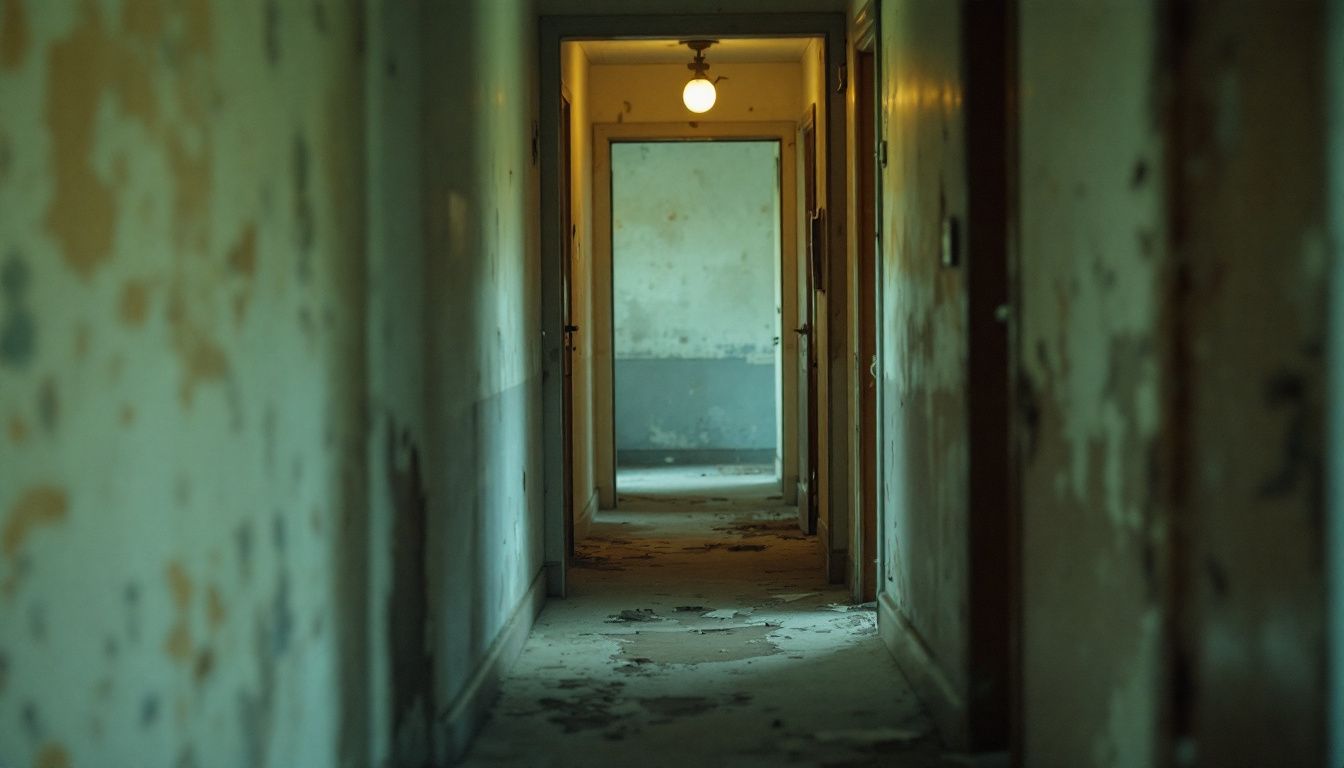
Walk through the back corridors of any hotel built before 2000 and you are almost certainly walking through a building that contains asbestos. It sits behind plasterboard, beneath vinyl floor tiles, around boiler pipes, and above suspended ceilings — quiet, invisible, and potentially lethal. For anyone responsible for workplace health and safety in the hospitality industry, asbestos is not a historical footnote. It is a live compliance obligation and a genuine risk to the people who work in these buildings every single day.
This post covers where asbestos hides, what it does to the people who breathe it in, what the law requires of you, and how to manage the risk properly — because in the hospitality sector, the stakes are particularly high.
Why the Hospitality Sector Faces a Particular Asbestos Risk
Hotels, restaurants, pubs, and leisure venues are not like standard office buildings. They are complex, multi-use properties that were often built quickly and cheaply during the mid-twentieth century — precisely the era when asbestos use was at its peak. Many of these buildings have been continuously occupied, extended, and refurbished ever since.
Maintenance work has frequently been carried out by contractors who were never fully briefed on what lies beneath the surfaces they were cutting into. The result is a sector with a long history of unmanaged, undocumented asbestos risk.
The hospitality sector also has unusually high staff turnover and a large proportion of workers who move between sites. That means asbestos awareness training — which should be a baseline for anyone working in or maintaining older buildings — often falls through the cracks.
Add to that the fact that hotels and restaurants rarely close for extended periods, and you have a situation where maintenance work frequently happens while the building is occupied. This increases the risk of fibre release in areas used by both staff and guests at the same time.
Where Asbestos Hides in Hotels, Restaurants, and Pubs
Asbestos-containing materials (ACMs) were used throughout commercial buildings for decades, and hospitality venues are no exception. Knowing where to look is the first step towards managing the risk effectively.
Insulation in Walls, Ceilings, and Roof Spaces
Sprayed asbestos coating was widely used as fire protection and thermal insulation in commercial buildings. It was applied directly to structural steelwork, ceilings, and walls, and in older hotels it may be hidden behind more recent decorative finishes — meaning renovation work can disturb it without anyone realising.
Asbestos insulation board (AIB) was also used extensively in ceiling tiles, partition walls, and fire doors. It looks unremarkable and is easily mistaken for standard building board, which is precisely what makes it dangerous during routine maintenance.
Heating Systems and Pipework
This is one of the highest-risk areas in any hospitality venue. Older boilers, pipe lagging, and duct insulation frequently contain asbestos. The plant rooms and basement mechanical areas found in most large hotels are particularly high-risk environments.
Maintenance engineers and plumbers working on these systems face significant exposure risk if asbestos-containing lagging is disturbed. The fibres released during pipe repair work are among the most concentrated and dangerous a worker is likely to encounter, and occupational health data has consistently shown that heating engineers face substantially elevated rates of mesothelioma as a result.
Flooring and Roofing Materials
Vinyl floor tiles laid before the late 1990s very commonly contain chrysotile asbestos. The tiles themselves may be relatively stable, but the adhesive used to fix them often contains asbestos too. Any grinding, sanding, or lifting of old floor tiles must be treated with caution until the material has been tested.
Asbestos cement was used extensively in roofing sheets, guttering, and rainwater goods on many older commercial and hospitality buildings across the UK. While asbestos cement in good condition poses a lower immediate risk, weathered or damaged sheets can shed fibres, and any work involving cutting or drilling creates a serious hazard.
Decorative Finishes and Textured Coatings
Artex and similar textured coatings applied to ceilings before the mid-1980s frequently contained asbestos. In a hotel context, this is particularly relevant during bedroom refurbishments, where ceiling work is routine. Any sanding, scraping, or drilling into these surfaces without prior testing carries significant risk.
The Health Consequences of Asbestos Exposure for Hospitality Workers
Asbestos fibres are microscopic. When disturbed, they become airborne and can be inhaled deeply into the lungs. Once there, the body cannot remove them. Over years and decades, the accumulated damage causes a range of serious and often fatal diseases.
Mesothelioma
Mesothelioma is a cancer of the lining of the lungs and, less commonly, the abdomen. It is almost exclusively caused by asbestos exposure, there is no cure, and the prognosis is poor. The latency period — the time between first exposure and diagnosis — is typically between 20 and 50 years.
This means workers exposed during routine maintenance in the 1980s and 1990s are only now receiving diagnoses. The UK has one of the highest rates of mesothelioma in the world, a direct legacy of the country’s heavy industrial and commercial use of asbestos throughout the twentieth century.
Asbestosis
Asbestosis is a chronic scarring of the lung tissue caused by prolonged asbestos exposure. It causes progressive breathlessness, persistent cough, and in severe cases, respiratory failure. It is not reversible.
Workers who spent years in environments with elevated asbestos fibre levels — maintenance engineers, kitchen fitters, building contractors — are most at risk of developing this condition.
Lung Cancer
Asbestos exposure significantly increases the risk of lung cancer, and the risk is compounded for workers who also smoke. Unlike mesothelioma, asbestos-related lung cancer is not always distinguishable from lung cancer caused by other factors, which means the true burden of the disease in workers with occupational asbestos exposure is likely underestimated.
Pleural Plaques and Pleural Thickening
These are non-cancerous conditions caused by asbestos exposure. Pleural plaques are areas of scarring on the lining of the lungs; pleural thickening involves more extensive scarring that can restrict lung function. While not immediately life-threatening, they are markers of significant exposure and can cause ongoing symptoms.
The crucial point for anyone managing workplace health and safety in the hospitality industry is that there is no known safe level of asbestos exposure. Even relatively brief or low-level exposure carries some risk, and the consequences may not become apparent for decades.
Legal Duties for Hospitality Employers Under UK Law
The legal framework governing asbestos management in workplaces is clear and demanding. Ignorance of these obligations is not a defence, and the Health and Safety Executive enforces them actively.
The Control of Asbestos Regulations
The Control of Asbestos Regulations place a duty to manage asbestos on anyone who owns, occupies, manages, or has responsibility for the maintenance of non-domestic premises. In the hospitality sector, this means hotel owners, pub operators, restaurant proprietors, and anyone else in a duty holder role.
The duty to manage requires you to:
- Take reasonable steps to find out if asbestos-containing materials are present in your premises
- Assess the condition of any ACMs found
- Presume materials contain asbestos unless there is strong evidence to the contrary
- Prepare and maintain an asbestos management plan
- Provide information about the location and condition of ACMs to anyone who may disturb them
- Review and monitor the plan and the condition of ACMs regularly
Failure to comply is a criminal offence. Penalties include unlimited fines and, in serious cases, imprisonment. The HSE has prosecuted employers across a range of sectors for failures in asbestos management.
HSG264 and Asbestos Survey Requirements
The HSE’s guidance document HSG264 sets out how asbestos surveys should be conducted. There are two main types of survey relevant to hospitality employers:
- Management survey: The standard survey required to manage asbestos during normal occupation and maintenance. It identifies ACMs that could be disturbed during everyday activities and forms the foundation of any compliant asbestos management plan. This should be your starting point if you do not already have an up-to-date register.
- Demolition survey: Required before any refurbishment or demolition work. It is more intrusive than a management survey and must cover all areas that will be affected by the planned work. If your venue is undergoing significant structural changes, this is a legal requirement before work begins.
Both types of survey must be carried out by a competent surveyor. The results must be recorded in an asbestos register and made available to contractors and maintenance staff before they begin any work on the premises.
Staff Training Obligations
Any worker who is liable to disturb asbestos — or who supervises such workers — must receive appropriate asbestos awareness training. In a hospitality context, this typically includes:
- Maintenance engineers and facilities managers
- Housekeeping staff who access ceiling voids or service areas
- Kitchen fitters and refurbishment contractors
- Any third-party contractors carrying out building work on site
Training must cover what asbestos is, where it is likely to be found, the health risks associated with exposure, and what to do if a worker suspects they have disturbed an ACM. Records of training must be kept and refreshed regularly.
Practical Steps to Manage Asbestos Risk in Your Venue
Compliance with the law is the floor, not the ceiling. Here is what good asbestos management looks like in practice for a hospitality business.
Commission a Professional Asbestos Survey
If you do not have an up-to-date asbestos register for your premises, this is your starting point. A management survey will identify where ACMs are located and assess their condition. The register this produces becomes a live document — it must be updated whenever new information comes to light and reviewed regularly.
For venues in major cities, specialist surveyors are readily available. Whether you need an asbestos survey in London, an asbestos survey in Manchester, or an asbestos survey in Birmingham, it is essential to use accredited professionals who work to HSG264 standards. Supernova Asbestos Surveys operates across the UK and can mobilise quickly to suit your operational requirements.
Maintain and Share the Asbestos Register
An asbestos register that sits in a filing cabinet and is never consulted is worthless. The register must be accessible to maintenance staff and contractors at all times, and before any work begins on the fabric of the building, the relevant sections must be reviewed and the workers involved must be briefed on any ACMs in the area.
This is particularly important in hospitality settings where third-party contractors are frequently brought in for kitchen refits, room renovations, or mechanical and electrical work. Do not assume contractors have carried out their own checks — the duty to inform lies with you as the duty holder.
Implement a Permit to Work System
A permit to work system for any maintenance or building work on older premises adds a critical layer of control. Before a job starts, the permit process should require:
- A check of the asbestos register for the relevant area
- Confirmation that the work area has been assessed for ACMs
- Sign-off from a responsible manager before work commences
- A clear procedure for stopping work if suspected ACMs are encountered
- A record of the permit retained for audit purposes
This system creates accountability and ensures that asbestos risk is considered before work begins, rather than after a problem has already occurred.
Plan Refurbishments Carefully
Refurbishment is one of the highest-risk activities in any hospitality setting. Whether you are renovating guest bedrooms, updating a kitchen, or carrying out structural alterations, any work that will disturb the fabric of a pre-2000 building requires a refurbishment and demolition survey before work begins.
This is not optional. The survey must be completed before contractors start work, not during it. Attempting to manage asbestos risk reactively — after fibres have already been released — is both dangerous and a serious breach of your legal obligations.
Keep Records and Review Regularly
Your asbestos management plan is a living document. It must be reviewed whenever there is reason to believe the condition of ACMs has changed — after any incident involving potential disturbance, following any structural work, or as part of a regular scheduled review cycle.
Good record-keeping also protects you. If the HSE investigates an incident, your ability to demonstrate that you had a current asbestos register, that workers were trained, and that a management plan was in place will be critical to your defence.
Asbestos Awareness in Day-to-Day Hospitality Operations
Beyond formal compliance, there are practical habits that reduce asbestos risk in the day-to-day running of a hospitality business.
Never allow maintenance staff to drill, cut, or sand surfaces in older buildings without first checking the asbestos register. Even seemingly minor jobs — hanging a picture, fitting a new light fitting, or patching a ceiling — can disturb ACMs if the building fabric has not been assessed.
Establish a clear reporting procedure for anyone who suspects they have disturbed asbestos. Workers should know to stop work immediately, leave the area, and report to a manager. The area should be cordoned off and assessed by a competent professional before any further work takes place.
When procuring contractors, ask specifically about their asbestos awareness training and their process for checking asbestos registers before beginning work. Reputable contractors will have robust procedures in place. Those who do not represent a risk to your staff, your guests, and your compliance position.
The Cost of Getting It Wrong
The consequences of poor asbestos management in the hospitality sector extend well beyond regulatory penalties, though those alone can be severe. Unlimited fines, prohibition notices, and prosecution are all real possibilities for duty holders who fail to meet their obligations under the Control of Asbestos Regulations.
Beyond the legal exposure, there is the human cost. A maintenance worker who develops mesothelioma as a result of exposure in your premises is facing a terminal diagnosis. The reputational damage to a hospitality business associated with a serious asbestos incident can be lasting and significant.
There is also the operational disruption to consider. An unmanaged asbestos discovery mid-refurbishment can halt an entire project, trigger HSE involvement, and result in costly remediation work that could have been avoided with a survey carried out at the outset.
Investing in proper asbestos management — a current survey, a maintained register, trained staff, and a robust permit to work system — is not just a legal obligation. It is sound business practice and a fundamental expression of your duty of care to the people who work in and visit your premises.
Frequently Asked Questions
Does my hotel or restaurant legally need an asbestos survey?
If your premises were built or refurbished before 2000, you have a legal duty under the Control of Asbestos Regulations to take reasonable steps to identify whether asbestos-containing materials are present. In practice, this means commissioning a professional asbestos survey unless you have documentary evidence that the building contains no ACMs. The duty applies to all non-domestic premises, including hotels, restaurants, pubs, and leisure venues.
What is the difference between a management survey and a demolition survey for a hospitality venue?
A management survey is carried out to identify ACMs that could be disturbed during normal occupation and routine maintenance. It is the standard survey required for ongoing compliance and forms the basis of your asbestos management plan. A demolition survey is required before any significant refurbishment or demolition work and is more intrusive — it must cover all areas that will be affected by the planned work. Both are required at different stages of a building’s life cycle, and both must be carried out by a competent, accredited surveyor.
Who is responsible for managing asbestos in a leased hospitality premises?
Responsibility depends on the terms of the lease. In many commercial leases, the tenant takes on maintenance obligations and therefore inherits the duty to manage asbestos. In others, the landlord retains responsibility for the structure and common areas. In practice, both parties may have duties, and it is essential to review your lease carefully and seek legal advice if the position is unclear. The key principle under the Control of Asbestos Regulations is that anyone with responsibility for the maintenance or repair of non-domestic premises has a duty to manage asbestos within those areas.
What should I do if asbestos is discovered during a refurbishment in my venue?
Work must stop immediately in the affected area. The area should be cordoned off and access restricted until the material has been assessed by a competent professional. Do not attempt to remove or disturb the material further. Depending on the type and condition of the ACM, licensed asbestos removal contractors may be required before work can resume. The incident should be recorded and your asbestos management plan updated accordingly.
How often should an asbestos management plan be reviewed in a hospitality setting?
There is no single prescribed review interval, but HSE guidance makes clear that the plan must be reviewed regularly and whenever there is reason to believe circumstances have changed. In a busy hospitality environment — where maintenance work, refurbishments, and contractor visits are frequent — an annual review is a sensible minimum. The plan should also be reviewed following any incident involving potential disturbance of ACMs, after any structural or refurbishment work, and whenever new information about the condition of ACMs comes to light.
Get Expert Asbestos Support for Your Hospitality Business
Supernova Asbestos Surveys has completed over 50,000 surveys across the UK, working with hotels, restaurant groups, pub operators, and leisure venues of every size. Our surveyors are fully accredited, work to HSG264 standards, and understand the operational demands of the hospitality sector.
Whether you need a management survey to establish your asbestos register for the first time, a demolition survey ahead of a major refurbishment, or expert advice on improving your current asbestos management arrangements, we can help.
Call us on 020 4586 0680 or visit asbestos-surveys.org.uk to arrange a survey or speak to one of our team.