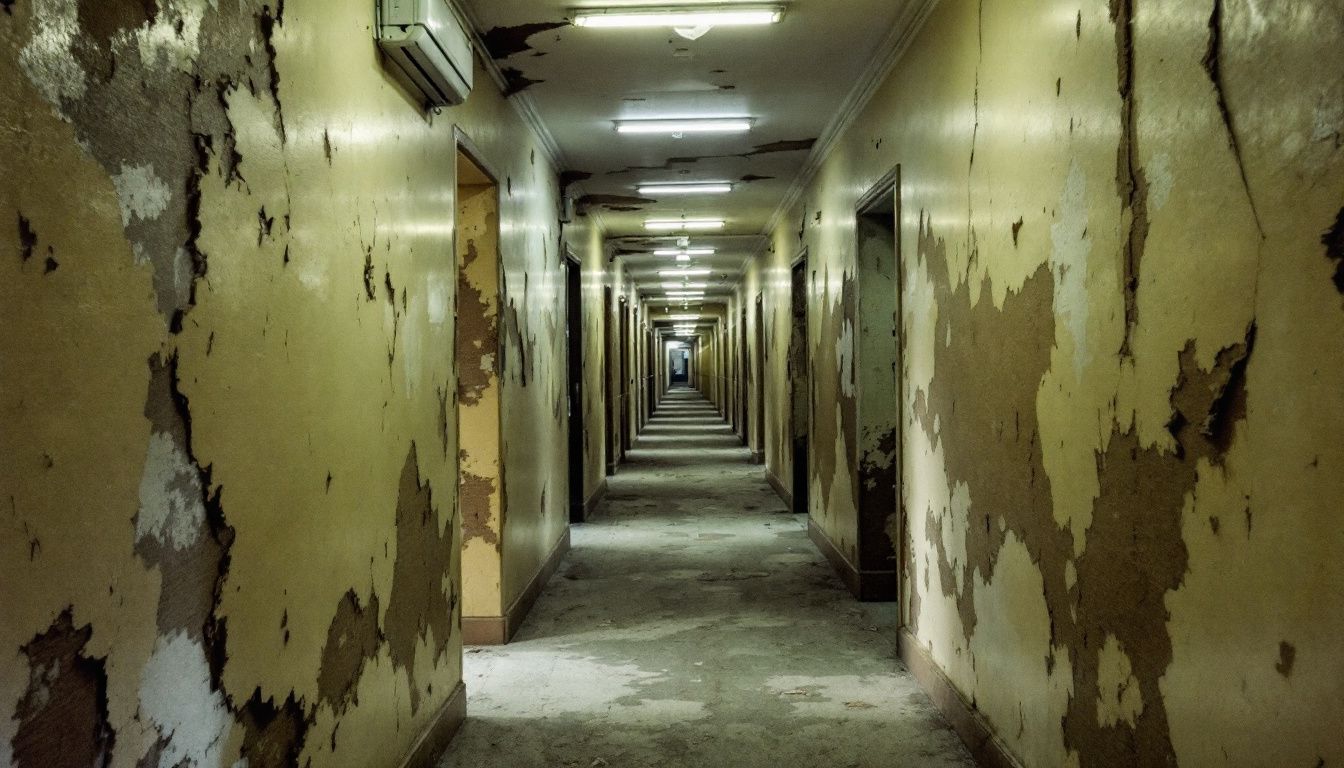
Asbestos and Workplace Health and Safety in the Hospitality Industry
Hotels, restaurants, pubs, and catering venues are fast-moving environments where the daily focus is on guests, service, and operations. But beneath the surface of many older buildings lies a hazard that demands equal attention — one that has killed thousands of workers across the UK and continues to do so.
Workplace health and safety in the hospitality industry cannot be taken seriously without addressing asbestos. For any business operating from a pre-2000 building, that means proper training, legal compliance, and a clear management plan.
Asbestos-related diseases remain a leading cause of occupational death in the UK. Many of those deaths trace back to routine tasks — drilling, cutting, or disturbing materials that nobody realised contained asbestos fibres. In hospitality settings, where maintenance and refurbishment are ongoing realities, the risks are present, real, and entirely preventable.
Why Asbestos Is a Serious Concern for Hospitality Businesses
The UK has one of the highest rates of mesothelioma — the cancer caused by asbestos exposure — in the world. Asbestos was widely used in construction until it was banned in 1999, meaning any building constructed or refurbished before that date could contain it.
Hotels, restaurants, and pubs are particularly vulnerable. They often occupy older buildings, undergo frequent refurbishment, and rely on maintenance teams who may disturb asbestos-containing materials (ACMs) without realising it.
Electricians running cables, plumbers accessing pipework, decorators sanding walls — all of these routine tasks can release dangerous fibres into the air. The financial consequences of getting this wrong are severe, and no fine can undo the harm caused by preventable asbestos exposure.
Understanding Your Legal Duties Under the Control of Asbestos Regulations
The Control of Asbestos Regulations places clear legal duties on employers and those responsible for non-domestic premises. If you manage, own, or operate a hospitality business from a building that could contain asbestos, you have a legal duty to manage that risk. There is no grey area.
The key obligations include:
- Identifying whether asbestos is present in your premises
- Assessing the condition and risk of any ACMs found
- Producing and maintaining an asbestos register and management plan
- Ensuring anyone who could disturb ACMs receives appropriate asbestos awareness training
- Providing information to contractors about the location and condition of ACMs before work begins
These are not optional steps. Failure to comply can result in enforcement action, substantial fines, and — most critically — preventable illness or death among your workforce and guests.
The HSE’s guidance document HSG264 sets out the standards for asbestos surveys and underpins the duty to manage. It provides clear direction on when surveys are required and what they should cover, and it is essential reading for any duty holder in the hospitality sector.
The Three Levels of Asbestos Training Every Hospitality Employer Should Know
Not all asbestos training is the same, and the level required depends on the nature of the work being carried out. The UK system recognises three main categories, each building on the last.
Category A: Asbestos Awareness Training
This is the foundational level and is required for any worker who could inadvertently disturb asbestos during their normal duties. In hospitality settings, this includes maintenance staff, housekeeping supervisors, facilities managers, and anyone involved in minor building works.
Category A training covers:
- What asbestos is and where it is commonly found in buildings
- The health risks associated with asbestos fibre inhalation
- How to recognise materials that may contain asbestos
- What to do if asbestos is suspected or discovered
- Why disturbing ACMs must be avoided
This training can be delivered face-to-face or via e-learning, provided it meets the standards set out in the Approved Code of Practice L143. It should be refreshed regularly — typically every year — to keep knowledge current.
Category B: Non-Licensed Asbestos Work Training
Some maintenance tasks involve working with ACMs directly, even if they do not require a licence. Examples include removing asbestos floor tiles, drilling into asbestos insulating board in controlled conditions, or encapsulating minor damage.
Workers carrying out these tasks need Category B training. This level covers risk assessment, safe working methods, correct use of personal protective equipment (PPE), air monitoring requirements, and the importance of maintaining accurate records. Annual refresher training is required to ensure competence remains current.
Category C: Licensed Asbestos Work Training
Licensed asbestos work involves higher-risk materials such as sprayed coatings, lagging, and asbestos insulating board in significant quantities. Only licensed contractors can undertake this work, and their operatives must hold the appropriate training and medical surveillance records.
For hospitality businesses, Category C training is less directly relevant — your staff should not be carrying out licensed work. However, understanding this category helps employers recognise when licensed contractors must be brought in rather than attempting work in-house.
Asbestos Risks During Maintenance and Refurbishment in Hotels and Restaurants
Maintenance is where the majority of asbestos exposure incidents occur in hospitality settings. A hotel that undergoes regular room refreshes, kitchen upgrades, or infrastructure maintenance is repeatedly creating opportunities for ACMs to be disturbed.
Common risk scenarios include:
- Electricians drilling through walls or ceilings that contain asbestos insulating board
- Plumbers disturbing pipe lagging in plant rooms or service areas
- Decorators sanding textured coatings that contain chrysotile asbestos
- Kitchen staff inadvertently damaging floor tiles in older commercial kitchens
- Maintenance teams accessing ceiling voids where asbestos materials are present
The solution is not to avoid all maintenance — that is neither practical nor safe. The solution is to know where asbestos is, assess the condition of those materials, and ensure anyone working near them is trained to recognise and respond appropriately.
Before any significant refurbishment or renovation project, an asbestos management survey should be in place so that all parties — your team and any contractors — understand the risks before work begins.
What Types of Asbestos Are Commonly Found in Older Hospitality Buildings?
Understanding what you might be dealing with helps your team recognise risk materials when they encounter them. The most common ACMs found in older hotels, pubs, and restaurants include:
- Asbestos insulating board (AIB) — used in ceiling tiles, partition walls, and fire doors
- Sprayed coatings — applied to structural steelwork and ceilings for fire protection or insulation
- Pipe and boiler lagging — found in plant rooms, service corridors, and basement areas
- Textured decorative coatings — such as Artex on ceilings and walls, commonly containing chrysotile
- Vinyl floor tiles and their adhesive — frequently found in older commercial kitchens and corridors
- Roof materials — corrugated asbestos cement sheets used in outbuildings, extensions, and flat roof structures
None of these materials are immediately dangerous if left undisturbed and in good condition. The risk arises when they are damaged, deteriorating, or disturbed during maintenance or refurbishment work.
The Role of Asbestos Surveys in Protecting Hospitality Workers
Training is essential, but it cannot work in isolation. Workers need to know where asbestos is located in order to avoid it — and that is where a professional survey becomes indispensable.
A management survey identifies the presence, location, condition, and extent of ACMs within a building. The resulting asbestos register becomes a live document that informs every maintenance decision, every contractor briefing, and every refurbishment plan.
For hospitality businesses planning more extensive works — such as a kitchen gut-out, room conversions, or structural alterations — a refurbishment survey is required. This is a more intrusive inspection that accesses areas not normally disturbed, ensuring that no hidden ACMs are encountered during the works.
Where full or partial demolition is planned, a demolition survey must be carried out before any work commences. This is a legal requirement and ensures the safety of everyone involved in the project.
If you need to confirm whether a specific material contains asbestos before deciding how to proceed, asbestos testing provides laboratory-confirmed results that remove any guesswork from the decision-making process.
If ACMs are found and need to be removed, only a licensed contractor should carry out that work. Professional asbestos removal ensures the material is handled safely, disposed of legally, and that your premises are cleared for continued use without risk to staff or guests.
Choosing the Right Asbestos Training Provider
The quality of asbestos training varies considerably. When selecting a provider for your hospitality team, look beyond price and consider the following:
- Membership of recognised bodies such as UKATA, BOHS, ACAD, ARCA, or IATP
- Evidence that trainers have practical, hands-on experience with asbestos — not just theoretical knowledge
- Course materials that are relevant to the specific tasks your staff carry out
- Clear certification with issue and expiry dates
- Flexibility to deliver training on-site or at a convenient location
- Provision for regular refresher training, not just a one-off course
Ask to see sample materials before committing. A good training provider will welcome scrutiny and be able to demonstrate how their courses align with the requirements set out in the Approved Code of Practice L143 and HSE guidance.
Record-Keeping and Ongoing Compliance
Completing training is only part of the picture. Employers must maintain accurate records of who has been trained, at what level, and when their next refresher is due. These records are essential evidence of compliance during HSE inspections and in the event of an incident.
Your asbestos management plan should be a living document — reviewed and updated whenever there is a change to the building, a new survey is completed, or ACMs are disturbed, removed, or encapsulated. Keeping this information current protects your business and your workforce in equal measure.
Health surveillance records are also required for workers who carry out non-licensed or licensed asbestos work. These records must be kept for a minimum of 40 years, reflecting the long latency period of asbestos-related diseases.
Practical Steps for Hospitality Employers Right Now
If you manage a hotel, restaurant, pub, or any other hospitality venue in a pre-2000 building, here is what you should be doing:
- Commission an asbestos survey if you do not already have an up-to-date asbestos register in place
- Ensure all relevant staff have received Category A awareness training as a minimum
- Brief all contractors on the contents of your asbestos register before they begin any work
- Review your asbestos management plan annually and update it after any work that affects ACMs
- Never allow unlicensed staff to attempt removal of high-risk ACMs — always use a licensed contractor
- Keep training records and schedule refresher training before certificates expire
These steps are not bureaucratic box-ticking. They are the practical foundation of workplace health and safety in the hospitality industry — and they protect your staff, your guests, and your business from consequences that are entirely avoidable.
Asbestos Surveys Across the UK: Where Supernova Operates
Supernova Asbestos Surveys works with hospitality businesses across the length and breadth of the UK. Whether you operate a city-centre hotel or a rural pub, professional asbestos support is available wherever your premises are located.
If you are based in the capital, our asbestos survey London service covers the full range of survey types for hospitality and commercial premises. For businesses in the north-west, our asbestos survey Manchester team is on hand to support compliance across all property types. In the Midlands, our asbestos survey Birmingham service delivers the same high standard of surveying and reporting.
Wherever you are, if your building pre-dates the year 2000, the duty to manage asbestos applies — and the right survey is the first step towards meeting it.
What Happens If You Get It Wrong?
The consequences of inadequate asbestos management in a hospitality setting are not abstract. HSE enforcement officers carry out inspections, respond to complaints, and investigate incidents. Where they find a failure to comply with the duty to manage, they have the power to issue improvement notices, prohibition notices, and prosecute duty holders.
Fines for asbestos-related offences in the hospitality and property sectors have reached six figures in UK courts. But the financial penalty is secondary to the human cost — mesothelioma has a latency period of up to 40 years, meaning workers exposed today may not develop symptoms for decades. By then, the damage is irreversible.
Workplace health and safety in the hospitality industry demands that employers take asbestos seriously — not because inspectors might call, but because the people working in your kitchens, maintenance rooms, and service corridors deserve to go home healthy.
Frequently Asked Questions
Do I need an asbestos survey for my restaurant or pub?
If your premises were built or refurbished before the year 2000, you have a legal duty under the Control of Asbestos Regulations to manage the risk of asbestos. Commissioning a professional management survey is the most reliable way to establish whether ACMs are present and to create an asbestos register that meets your legal obligations.
What asbestos training do my hospitality staff need?
At a minimum, any member of staff who could inadvertently disturb building materials during their work — including maintenance operatives, housekeeping supervisors, and facilities managers — should hold Category A asbestos awareness training. This should be refreshed annually. Staff carrying out non-licensed asbestos work require Category B training.
Can my maintenance team remove asbestos themselves?
It depends on the type and quantity of material involved. Some lower-risk non-licensed work can be carried out by trained operatives following the correct procedures. However, high-risk materials such as sprayed coatings, lagging, and significant quantities of asbestos insulating board must only be removed by a licensed contractor. When in doubt, always seek professional advice before any work begins.
How often should an asbestos management plan be reviewed?
Your asbestos management plan should be reviewed at least annually. It should also be updated whenever a new survey is completed, ACMs are disturbed or removed, or changes are made to the building that affect the location or condition of known materials. Keeping the plan current is a legal requirement, not a recommendation.
What is the difference between a management survey and a refurbishment survey?
A management survey is carried out on premises in normal occupation and identifies ACMs that could be disturbed during routine maintenance. A refurbishment survey is more intrusive and is required before any significant renovation or alteration work. It accesses areas not normally disturbed to ensure no hidden ACMs are encountered during the project. Both survey types are legally distinct and serve different purposes under HSG264.
Talk to Supernova Asbestos Surveys
Supernova Asbestos Surveys has completed over 50,000 surveys nationwide and works with hospitality businesses of all sizes — from independent pubs to large hotel groups. Our UKAS-accredited surveyors provide fast turnaround, clear reporting, and practical guidance that helps you meet your legal duties without disrupting your operations.
To book a survey, arrange asbestos testing for a suspected material, or simply talk through your obligations, call us on 020 4586 0680 or visit asbestos-surveys.org.uk.