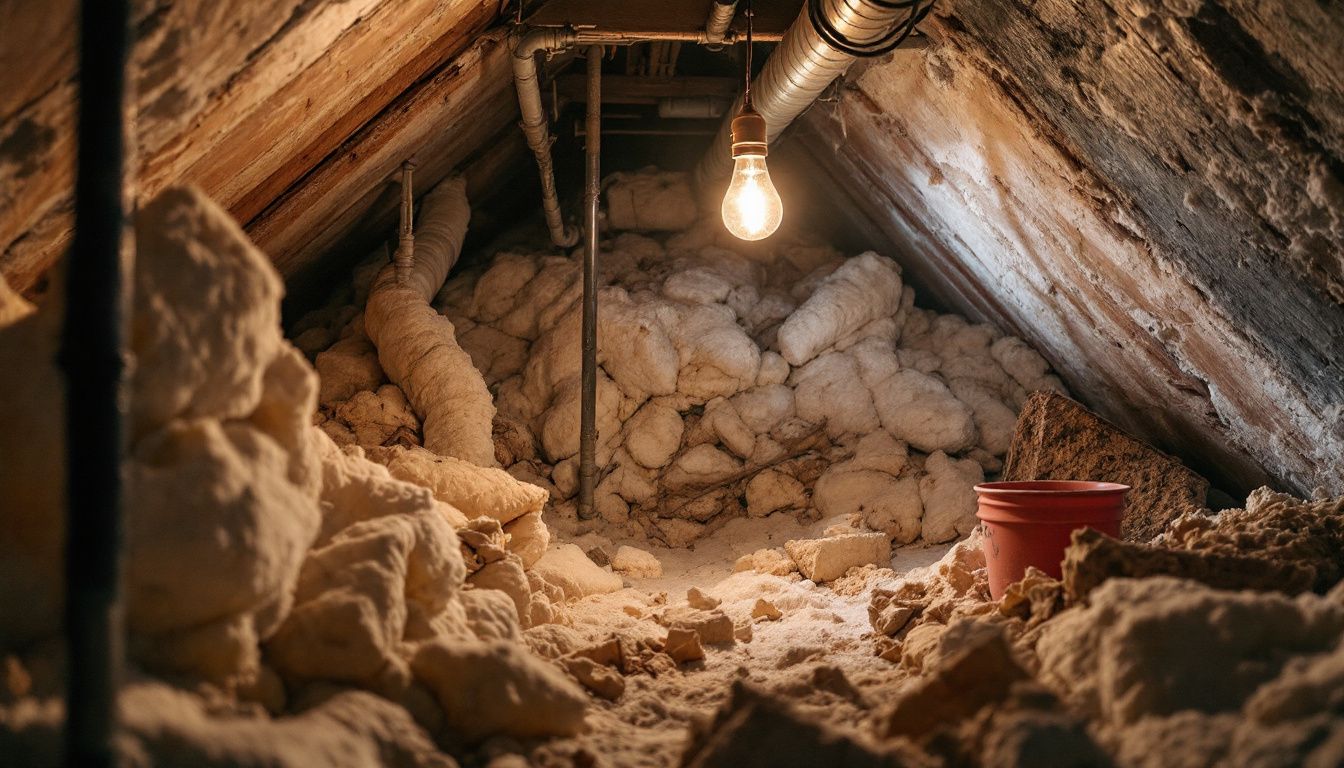
The Silent Killer: How Asbestos Destroys Lives and Tears Families Apart
The silent killer impact of asbestos on individuals and families is still being felt across the UK decades after the material was banned. People are still dying from diseases caused by exposure that happened 30, 40, even 50 years ago — at work, at home, in schools, in hospitals. The tragedy is that most of them had no idea they were in danger at the time.
Understanding how asbestos harms the body, where it hides, and what rights victims have is not just useful knowledge. For many people, it is the difference between catching a disease early and finding out too late.
What Asbestos Does to the Human Body
Asbestos is a naturally occurring fibrous mineral. When materials containing it are disturbed, microscopic fibres are released into the air. These fibres are invisible to the naked eye, odourless, and completely tasteless — you cannot tell when you are breathing them in.
Once inhaled, the fibres lodge deep in the lung tissue. The body cannot break them down or expel them. Over years and decades, the fibres cause scarring, inflammation, and cellular damage that eventually leads to serious, often fatal disease.
Asbestosis
Asbestosis is a chronic lung condition caused by the scarring of lung tissue. The lungs become stiff and thickened, making breathing progressively more difficult. Symptoms include a persistent dry cough, shortness of breath, and fatigue.
There is no cure. Treatment focuses on managing symptoms and slowing progression, but the condition is irreversible once established. For many patients, asbestosis gradually robs them of the ability to carry out everyday activities they once took for granted.
Mesothelioma
Mesothelioma is a rare and aggressive cancer that develops in the lining of the lungs, abdomen, or heart. It is almost exclusively caused by asbestos exposure. By the time most patients are diagnosed, the cancer has already advanced significantly, which makes treatment extremely difficult.
Survival rates remain poor, with many patients living for less than a year after diagnosis. The cruelty of mesothelioma is that it often strikes people who worked in trades — builders, plumbers, electricians, shipyard workers — who had absolutely no idea the materials around them were lethal.
Lung Cancer
Asbestos exposure significantly increases the risk of developing lung cancer, particularly in people who also smoked. The combination of smoking and asbestos exposure is not simply additive — the two risk factors multiply each other, dramatically increasing the likelihood of cancer developing.
This interaction means that even relatively modest asbestos exposure can have severe consequences for someone who has smoked at any point in their life.
Pleural Plaques and Pleural Thickening
Pleural plaques are areas of thickened tissue on the lining of the lungs. They are not cancerous, but their presence confirms that asbestos exposure has occurred and may indicate a higher risk of developing more serious conditions. Pleural thickening can restrict lung function and cause breathlessness that worsens over time.
The Latency Period: Why Asbestos Is So Difficult to Diagnose
One of the most devastating aspects of asbestos-related disease is how long it takes to appear. The period between first exposure and the onset of symptoms — known as the latency period — can range from 10 to 65 years, with most cases emerging between 20 and 40 years after exposure.
This creates an enormous diagnostic challenge. A person diagnosed with mesothelioma today may need to trace their exposure back to a job they held in the 1970s or 1980s. They may have no memory of working with asbestos directly. The material might have been present in a building they worked in, or disturbed by a colleague working nearby.
The long latency period also means that the full scale of harm caused by historical asbestos use is still unfolding. The UK banned all asbestos use in 1999, but the legacy of decades of widespread use continues to claim lives. Many people who were exposed before the ban are only now developing symptoms.
This is why asbestos awareness is not a historical issue — it is an ongoing public health concern that affects people right now, today, across every part of the country.
Where Asbestos Hides: Common Sources of Exposure
Many people assume asbestos is only found in industrial settings. In reality, it was used extensively across residential, commercial, and public buildings throughout the twentieth century. Any building constructed or refurbished before 2000 may contain asbestos-containing materials (ACMs).
Buildings and Construction Materials
Asbestos was prized for its fire resistance, durability, and low cost. It was incorporated into a vast range of building materials, including:
- Ceiling tiles and textured coatings such as Artex
- Floor tiles and the adhesive used to fix them
- Pipe lagging and boiler insulation
- Roof sheeting and guttering
- Partition walls and ceiling panels
- Insulating boards around fireplaces and heating systems
- Sprayed coatings on structural steelwork
These materials are not necessarily dangerous if they are in good condition and left undisturbed. The risk arises when they are drilled, cut, sanded, or damaged — activities that release fibres into the air. This is why tradespeople such as electricians, plumbers, and decorators working in older buildings are still at elevated risk today.
Unexpected Products
Beyond construction materials, asbestos found its way into a surprising range of everyday products. Brake pads, clutch linings, and gaskets in older vehicles contained asbestos. Some domestic appliances — including older hairdryers and ironing board covers — were manufactured with asbestos components.
The breadth of its use is a reminder of how normalised asbestos was before its dangers were properly understood, and how many people were unknowingly exposed in the course of ordinary daily life.
Occupational Exposure
Certain occupations carried particularly high risks. Shipyard workers, miners, insulation installers, boilermakers, and construction workers were among those most heavily exposed. Teachers and other staff in schools built during the asbestos era were also exposed, often without their knowledge.
If you worked in any of these industries before 2000, or regularly in a building that may contain asbestos, it is worth discussing your exposure history with your GP — particularly if you develop any respiratory symptoms. Early intervention can make a meaningful difference to outcomes.
The Silent Killer’s Impact on Families
The silent killer impact of asbestos on individuals and families extends far beyond the person who is ill. A diagnosis of mesothelioma or asbestosis sends shockwaves through an entire household, reshaping relationships, finances, and futures in ways that are impossible to fully prepare for.
The Emotional and Psychological Toll
Learning that a loved one has an asbestos-related disease is devastating. For many families, the diagnosis comes with the knowledge that the illness was entirely preventable — the result of negligence, poor regulation, or simple ignorance of the risks. That awareness can fuel grief, anger, and a profound sense of injustice.
Spouses, children, and siblings often take on caring responsibilities, sometimes giving up employment to do so. The emotional labour of caring for someone with a terminal illness — managing medications, attending appointments, providing physical and emotional support — is immense. Many carers experience anxiety, depression, and burnout that can persist long after bereavement.
Children who lose a parent to an asbestos-related disease face particular challenges. They may struggle to understand what has happened, and the long shadow of grief can affect their development, education, and mental health for years.
The Financial Burden
Asbestos-related illnesses are expensive to manage. Specialist consultations, diagnostic imaging, chemotherapy, and palliative care all carry significant costs — even within the NHS, indirect costs such as travel, accommodation near treatment centres, and adaptations to the home quickly add up.
When the person who is ill was the primary earner, the loss of income compounds the financial pressure enormously. Families may find themselves depleting savings, taking on debt, or making difficult decisions about housing and care arrangements.
Legal compensation can help. Victims of asbestos-related illness — and the families of those who have died — may be entitled to claim damages from former employers who failed in their duty of care. Specialist legal firms work on a no-win, no-fee basis, meaning families do not need to worry about upfront costs to pursue a claim.
Secondary Exposure: When Families Are Also at Risk
There is a particularly painful dimension to asbestos exposure that affects families directly: secondary or para-occupational exposure. This occurs when workers brought asbestos fibres home on their clothing, hair, and skin, unknowingly exposing their partners and children.
Cases of mesothelioma have been diagnosed in women who washed their husbands’ work clothes, and in children who played near contaminated workwear. These victims never set foot in a factory or on a construction site. Their exposure was entirely domestic, and entirely preventable. It stands as one of the most troubling legacies of industrial asbestos use.
Your Legal Rights and the Regulatory Framework
The UK has a robust legal framework governing asbestos. The Control of Asbestos Regulations places clear duties on employers and building owners to manage asbestos safely. Under these regulations, the duty holder for non-domestic premises must identify whether asbestos is present, assess its condition, and put a management plan in place.
The HSE’s guidance document HSG264 sets out the standards for asbestos surveying and provides the framework that professional surveyors follow. Failure to comply with these regulations can result in significant fines and, in serious cases, criminal prosecution.
Compensation Claims
If you or a family member has been diagnosed with an asbestos-related disease, you may have the right to claim compensation. Claims can cover:
- Medical treatment costs and ongoing care expenses
- Loss of earnings, both past and future
- Pain, suffering, and loss of amenity
- Care provided by family members
- Funeral expenses, in cases where the victim has died
The time limits for making a claim are strict. In most cases, you have three years from the date of diagnosis — or from the date of death — to begin legal proceedings. Seek specialist legal advice as soon as possible after a diagnosis is confirmed.
Tracing historical exposure can be complex. Specialist solicitors work with medical experts and occupational historians to establish where and when exposure occurred, even when the relevant employer has ceased trading. Government schemes also exist to support victims in cases where a former employer cannot be traced.
Employer Responsibilities
Employers have a legal duty to protect workers from asbestos exposure. This includes identifying ACMs in the workplace, providing appropriate training for anyone who may disturb asbestos, supplying adequate personal protective equipment, and maintaining detailed records of all asbestos work carried out.
Where employers have failed in these duties — whether through negligence, cost-cutting, or deliberate disregard for safety — they can be held liable for the harm caused to workers and their families.
Protecting Your Property and the People in It
The most effective way to protect people from asbestos is to know where it is and manage it properly. If you own, manage, or are responsible for a building constructed before 2000, a professional asbestos survey is the essential first step.
There are two main types of survey. A management survey is used for occupied buildings to locate and assess ACMs that might be disturbed during normal use or maintenance. A demolition survey is required before any intrusive refurbishment or demolition work takes place and involves a far more thorough inspection of the building fabric.
Professional surveys are carried out by accredited surveyors who collect samples for laboratory analysis, assess the condition of any ACMs found, and provide a detailed report with clear recommendations for management or removal. This gives duty holders the information they need to meet their legal obligations and protect everyone who uses the building.
If you are based in the capital, an asbestos survey in London can be arranged quickly and carried out by experienced, accredited professionals. For those in the north-west, an asbestos survey in Manchester is equally straightforward to organise. And for property owners and managers in the Midlands, an asbestos survey in Birmingham provides the same rigorous, accredited service.
What to Do If You Suspect Asbestos in Your Building
If you suspect that a material in your building may contain asbestos, the most important thing you can do is leave it alone and call a professional. Do not attempt to drill, cut, sand, or remove any suspected ACM yourself. Do not disturb the area.
A qualified surveyor will assess the material, take samples if necessary, and advise on the appropriate course of action. In many cases, the safest approach is to manage the material in place rather than remove it — but that decision must be made by a professional, based on the condition and location of the ACM.
If you are a landlord, facilities manager, or employer, you have a legal duty to act. Ignoring suspected asbestos is not a neutral decision — it is a potential breach of your obligations under the Control of Asbestos Regulations, and it puts people at risk.
Raising Awareness: Why This Conversation Still Matters
There is sometimes a temptation to treat asbestos as a solved problem — something from the past that no longer requires attention. That view is dangerously wrong.
Hundreds of people in the UK are still diagnosed with mesothelioma every year. Many more are living with asbestosis, pleural thickening, and other asbestos-related conditions. The families supporting them are dealing with the consequences of decisions made by employers and regulators decades ago.
Raising awareness of the silent killer impact of asbestos on individuals and families is not about dwelling on the past. It is about ensuring that the mistakes of previous generations are not repeated — and that people who are ill today receive the support, treatment, and legal redress they are entitled to.
If you work in a trade that brings you into contact with older buildings, make sure you know how to identify potential ACMs and what to do if you encounter them. If you manage a building, ensure your asbestos register is up to date and your management plan is in place. If you or a family member has developed respiratory symptoms and has a history of asbestos exposure, speak to a GP without delay.
Knowledge is the most effective protection available. Use it.
Frequently Asked Questions
How long after asbestos exposure do symptoms appear?
The latency period for asbestos-related diseases varies considerably. Symptoms can appear anywhere from 10 to 65 years after initial exposure, though the majority of cases emerge between 20 and 40 years after exposure. This long delay is one of the reasons asbestos-related diseases are so difficult to diagnose and why people are still falling ill from exposures that occurred before the UK’s 1999 ban.
Can family members develop asbestos-related diseases without direct exposure?
Yes. Secondary or para-occupational exposure is well documented. Family members — particularly partners and children — can develop asbestos-related diseases after being exposed to fibres brought home on a worker’s clothing, hair, or skin. Cases of mesothelioma have been diagnosed in people whose only exposure was washing a family member’s contaminated work clothes.
What should I do if I think my building contains asbestos?
Do not disturb the material. Contact a professional asbestos surveyor who is accredited to carry out surveys in line with HSE guidance document HSG264. A surveyor will inspect the building, take samples for laboratory analysis, and provide a report advising on the condition of any ACMs and the appropriate management or removal strategy. Acting promptly is the safest course.
Am I entitled to compensation if I have been diagnosed with an asbestos-related disease?
You may well be. Victims of asbestos-related illness and the families of those who have died can potentially claim damages from former employers who failed in their duty of care. Time limits apply — in most cases three years from diagnosis or date of death — so it is essential to seek specialist legal advice as soon as possible after a diagnosis is confirmed.
Is asbestos only found in industrial buildings?
No. Asbestos was used extensively in residential, commercial, and public buildings throughout the twentieth century. Any building constructed or refurbished before 2000 may contain ACMs. Common locations include textured ceiling coatings, floor tiles, pipe lagging, roof sheeting, and insulating boards. A professional asbestos survey is the only reliable way to determine whether ACMs are present in a specific building.
Speak to Supernova Asbestos Surveys
Supernova Asbestos Surveys has completed over 50,000 surveys across the UK. Our accredited surveyors work with property owners, employers, facilities managers, and local authorities to identify asbestos, assess risk, and provide clear, actionable management plans that meet all regulatory requirements.
Whether you need a management survey for an occupied building, a demolition survey ahead of refurbishment work, or simply want to understand your legal obligations, our team is ready to help.
Call us on 020 4586 0680 or visit asbestos-surveys.org.uk to book a survey or request a quote. Protecting people from asbestos starts with knowing where it is — and that starts with a call to Supernova.