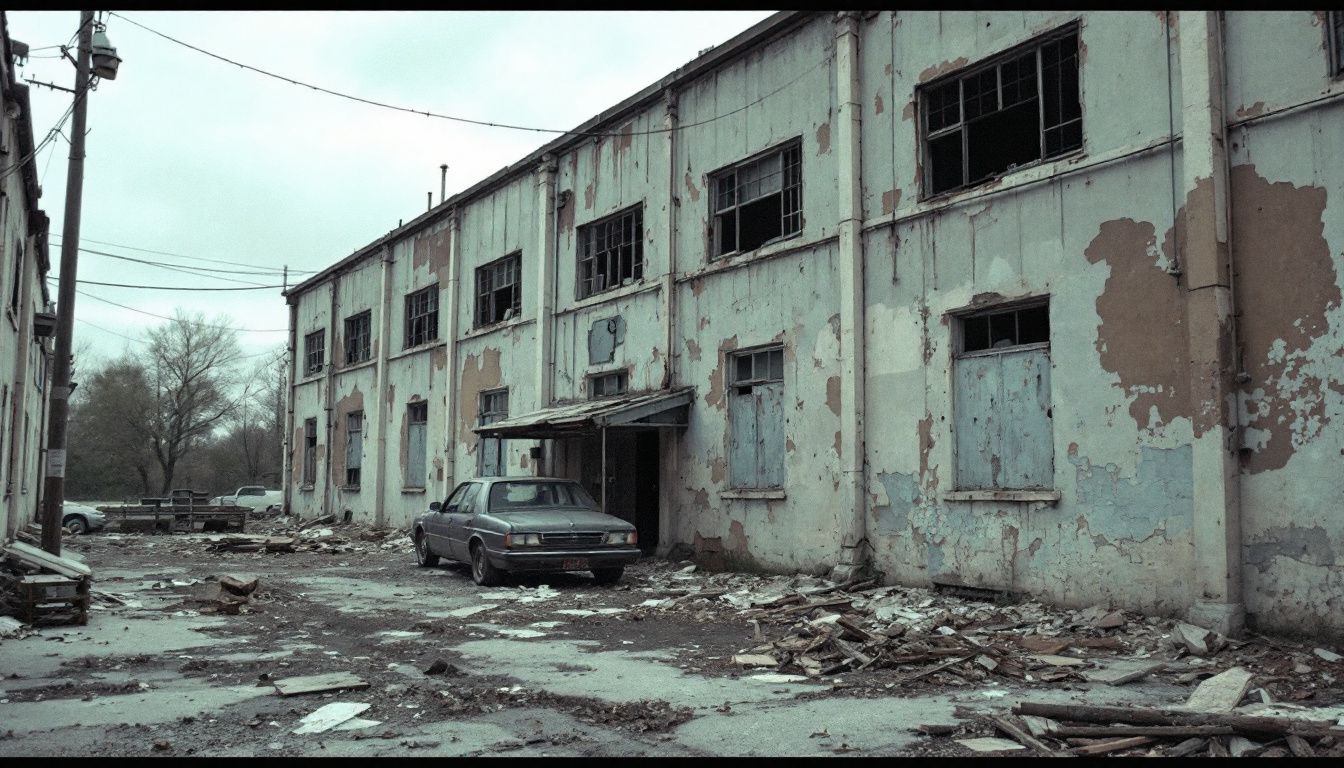
The Best Time to Avoid an Emergency Involving Asbestos Is Before It Happens
Asbestos emergencies rarely arrive without warning. In almost every case, they are the entirely predictable result of ignored warning signs, skipped inspections, or a straightforward lack of awareness about what is concealed within a building’s fabric. The best time to avoid an emergency involving asbestos is not during the crisis itself — it is weeks, months, or even years beforehand, when the right surveys and management plans could have prevented the whole situation from developing.
Asbestos-related disease remains the single largest cause of work-related deaths in the UK. The fibres are invisible, odourless, and can remain in the lungs for decades before triggering mesothelioma, asbestosis, or lung cancer. Prevention is not just sensible — it is a legal duty for anyone who manages a non-domestic property.
Why Asbestos Emergencies Happen in the First Place
Most asbestos incidents are not random. They follow a pattern that is almost entirely avoidable. Understanding that pattern is the first step towards breaking it.
Renovation and Refurbishment Work
The majority of uncontrolled asbestos exposures in the UK occur during building work. A contractor drills into a ceiling, a plumber cuts through a partition wall, or a tiler rips up old floor tiles — and suddenly asbestos-containing materials (ACMs) are disturbed without any protective measures in place.
This happens because no one commissioned a proper survey before work began. Under the Control of Asbestos Regulations, a demolition survey is legally required before any intrusive work starts on a building that may contain asbestos. Skipping that step is not just dangerous — it is a criminal offence.
Storm and Structural Damage
Severe weather can crack or shatter roofing sheets, soffits, and external cladding that contain asbestos cement. When these materials break apart, fibres are released into the surrounding environment.
Without a management plan in place, property managers may not even know which materials are at risk until the damage has already occurred. That is a situation entirely preventable with proper preparation.
The Absent Asbestos Register
If you manage a commercial building, school, hospital, or any non-domestic property built before 2000, you are legally required to hold an asbestos register. Without one, maintenance staff and contractors have no way of knowing where ACMs are located. Every job they carry out becomes a potential emergency.
The Foundation: An Asbestos Management Survey
The cornerstone of any sensible asbestos management strategy is a thorough management survey. This is a non-intrusive inspection of your property, carried out by a qualified surveyor, that identifies the location, condition, and extent of any ACMs that could be disturbed during normal occupancy and routine maintenance.
The survey produces an asbestos register and a risk-rated management plan — two documents that sit at the heart of your legal duty to manage. They tell you exactly what is in your building, where it is, and what action, if any, is required.
An asbestos management survey does not just protect building occupants. It protects contractors, maintenance workers, and anyone else who sets foot in the building. It also protects you as the dutyholder from enforcement action by the HSE.
What HSG264 Requires
The HSE’s guidance document HSG264 sets out the standards that asbestos surveys must meet. It specifies how surveys should be planned, conducted, and reported, and makes clear that a management survey should be the starting point for any building where ACMs may be present.
Surveys must be carried out by competent, trained surveyors. At Supernova Asbestos Surveys, all our surveyors hold the BOHS P402 qualification — the recognised industry standard for asbestos surveying in the UK.
Keeping Your Asbestos Register Current
An asbestos register is not a one-time document you file away and forget. ACMs deteriorate over time, and their condition needs to be monitored at regular intervals. A material in good condition today may be damaged or degraded within a couple of years — and a damaged ACM presents a significantly higher risk of fibre release.
This is where a scheduled re-inspection survey becomes essential. Re-inspections check the current condition of all known ACMs against your existing register, update risk ratings, and flag any materials that may now require action. For most commercial properties, annual re-inspections are standard practice.
What Happens Without Regular Re-Inspections
Without re-inspections, your asbestos register becomes outdated and unreliable. Contractors rely on that register before starting work. If it no longer reflects the true condition of the building, they may inadvertently disturb materials they believe are safe — or avoid areas unnecessarily because the register has not been updated to reflect previous removal work.
Outdated records are one of the most common causes of avoidable asbestos incidents. Keeping your register current is one of the simplest and most cost-effective steps you can take to prevent an emergency before it starts.
Planning Ahead for Refurbishment and Demolition
If you are planning any building work — whether a minor fit-out or a full-scale demolition — you cannot afford to treat asbestos as an afterthought. A refurbishment survey must be completed before any intrusive work begins in areas that may contain ACMs. This is a more invasive inspection than a management survey, designed to locate all ACMs in areas that will be disturbed.
For full demolition projects, the requirements go further still. A demolition survey must cover the entire structure and is designed to identify every ACM present before any demolition activity commences. Both types of survey are legal requirements — not optional extras.
Commissioning these surveys well in advance of your planned start date is critical. Leaving it until the week before work begins creates unnecessary pressure and increases the risk of corners being cut. Book your survey as soon as your project is confirmed.
When Asbestos Removal Is the Right Answer
Not every ACM needs to be removed. In many cases, if the material is in good condition and is unlikely to be disturbed, managing it in place is the correct approach. However, there are clear situations where asbestos removal is the most sensible long-term solution:
- Materials in poor or deteriorating condition that cannot be effectively encapsulated
- ACMs located in areas subject to refurbishment or demolition
- Materials that are repeatedly disturbed during routine maintenance
- Properties being sold or transferred where a clean bill of health is required
- Situations where ongoing management costs outweigh the cost of removal
Removal must always be carried out by a licensed contractor for higher-risk materials, and by trained, competent workers for notifiable non-licensed work (NNLW). Never attempt to remove asbestos yourself without first confirming through proper testing that the material does not contain asbestos — and even then, professional advice is strongly recommended.
How to Respond If an Asbestos Emergency Does Occur
Despite the best preparation, incidents can still happen. A contractor misreads a register, a burst pipe damages a ceiling, or a fire causes structural collapse in a building with known ACMs. Knowing what to do in those first critical minutes can make an enormous difference.
Immediate Steps to Take
- Stop all work immediately — anyone in the affected area should cease activity at once.
- Evacuate the area — move all occupants away from the suspected release point and prevent re-entry.
- Do not disturb the material further — do not sweep, vacuum with a domestic vacuum, or attempt to clean up debris.
- Contain the area — close doors and windows where possible to limit fibre spread.
- Contact a licensed asbestos contractor — only trained professionals with the correct equipment should re-enter the area.
- Notify the HSE — if the incident involves a significant uncontrolled release, it may be reportable under RIDDOR.
Air Testing and Clearance
After any incident involving disturbed ACMs, the affected area must not be reoccupied until air testing confirms that fibre levels are below the clearance indicator. This testing must be carried out by an independent UKAS-accredited laboratory using phase contrast microscopy (PCM) or transmission electron microscopy (TEM).
A four-stage clearance procedure is required before reoccupation of any area following licensed asbestos removal work. This includes a thorough visual inspection, a thorough clean, background air testing, and a final visual inspection. Cutting corners at this stage is not an option.
The Connection Between Asbestos and Fire Safety
Asbestos management and fire safety are more closely linked than many property managers realise. In older buildings, ACMs were frequently used as fire-resistant insulation around structural steelwork, in fire doors, and as ceiling tiles. When a fire occurs — or when fire safety upgrades are being installed — there is a real risk of disturbing these materials.
A fire risk assessment should always be considered alongside your asbestos management plan. Both assessments inform each other: knowing where ACMs are located helps fire risk assessors understand which areas require special precautions, and a fire risk assessment may identify scenarios in which ACMs could be compromised.
Treating these two obligations in isolation is a common oversight that can leave significant gaps in your overall safety management. If your fire risk assessment and asbestos register have never been reviewed together, now is the time to address that.
Test Before You Assume
One of the most practical steps any homeowner or small business owner can take is to test suspect materials before any work begins. If you are unsure whether a material in your property contains asbestos, do not guess — and do not assume it is safe simply because it looks intact.
Our testing kit allows you to collect a sample safely and have it analysed by our UKAS-accredited laboratory. Results are returned promptly, and you will know definitively whether asbestos is present before any contractor touches the material.
This is particularly relevant for homeowners undertaking DIY projects, landlords managing older properties, and small business owners who may not need a full management survey but want to confirm the status of a specific material before work begins.
Your Legal Duties as a Dutyholder
The Control of Asbestos Regulations place a clear legal duty on those who manage non-domestic premises. The duty to manage asbestos requires dutyholders to:
- Identify whether ACMs are present in the building
- Assess the condition and risk of those materials
- Produce and maintain an asbestos management plan
- Ensure that anyone who may disturb ACMs is informed of their location and condition
- Monitor the condition of ACMs at regular intervals
- Arrange for repair or removal where necessary
Failure to comply with these duties can result in enforcement notices, improvement notices, prosecution, and unlimited fines. The HSE takes asbestos management seriously, and the courts have consistently handed down significant penalties to dutyholders who have failed in their obligations.
Beyond the legal consequences, the human cost of getting this wrong is severe. Mesothelioma has no cure. Prevention is the only effective strategy — and the best time to avoid an emergency involving asbestos is always right now, before any incident occurs.
Practical Steps You Can Take Right Now
You do not need to wait for a problem to emerge before taking action. Here is what you can do today:
- Check whether your property has an asbestos register. If you manage a non-domestic building and do not have one, you are likely in breach of the Control of Asbestos Regulations.
- Review the date of your last re-inspection. If it was more than 12 months ago, book one now.
- Brief your maintenance team and contractors. Make sure everyone who works in your building knows where the asbestos register is kept and understands they must consult it before starting any work.
- Review your management plan. If your plan has not been reviewed since your last survey, it may no longer reflect the current condition of the building.
- Test suspect materials before any work starts. If you are unsure about a specific material, use a testing kit or commission a survey before a contractor goes near it.
- Plan ahead for any upcoming refurbishment. Commission a refurbishment or demolition survey well in advance — not the day before work begins.
Asbestos Surveys Across the UK
Supernova Asbestos Surveys operates nationwide, with local expertise in major cities and regions across England, Scotland, and Wales. Whether you manage a single commercial unit or a large portfolio of properties, we provide fast, compliant surveys tailored to your specific needs.
If you are based in the capital, our team provides a full range of services through our dedicated asbestos survey London service, covering all London boroughs and surrounding areas. For clients in the north-west, our asbestos survey Manchester team delivers the same high standard of surveying with rapid turnaround times.
Every survey we carry out is conducted by BOHS P402-qualified surveyors and reported in full compliance with HSG264. You will receive a clear, actionable report — not a document that raises more questions than it answers.
To book a survey, discuss your asbestos management obligations, or get a quote for any of our services, call us on 020 4586 0680 or visit asbestos-surveys.org.uk. Our team is ready to help you get ahead of the problem — before it becomes an emergency.
Frequently Asked Questions
What is the best time to avoid an emergency involving asbestos?
The best time to avoid an emergency involving asbestos is before any incident occurs — ideally from the moment you take on responsibility for a building. Commissioning a management survey, maintaining an up-to-date asbestos register, and scheduling regular re-inspections are the most effective steps you can take. Reactive management after an incident is always more costly, more disruptive, and more dangerous than proactive prevention.
Do I need an asbestos survey before refurbishment work?
Yes. Under the Control of Asbestos Regulations, a refurbishment survey is legally required before any intrusive work begins in areas that may contain ACMs. If the project involves demolition of any part of the structure, a demolition survey is required. Commissioning this survey well before your planned start date gives you time to plan safe working methods and arrange removal if necessary.
How often should an asbestos register be updated?
For most commercial properties, an annual re-inspection is standard practice. However, the frequency should reflect the condition of the materials present and the level of activity in the building. If ACMs are in poor condition, or if significant maintenance or refurbishment work has taken place, more frequent inspections may be appropriate. Your surveyor will advise on a suitable re-inspection schedule based on the findings of your initial survey.
What should I do if asbestos is accidentally disturbed?
Stop all work immediately and evacuate the affected area. Do not attempt to clean up debris with a domestic vacuum or by sweeping — this will spread fibres further. Seal the area by closing doors and windows, and contact a licensed asbestos contractor. Depending on the scale of the release, the incident may be reportable to the HSE under RIDDOR. The area must not be reoccupied until independent air testing confirms fibre levels are within safe limits.
Can I test a material for asbestos myself?
You can collect a sample using a proper testing kit, which allows you to take a sample safely and submit it to a UKAS-accredited laboratory for analysis. This is a practical option for homeowners, landlords, and small business owners who need to confirm the status of a specific material before work begins. However, for non-domestic properties where a legal duty to manage applies, a full management survey carried out by a qualified surveyor is the appropriate starting point.