What to Do If a Child Is Exposed to Asbestos: A Parent and School Guide
Finding out your child may have been exposed to asbestos is one of the most unsettling experiences a parent can face. Knowing exactly what to do if a child is exposed to asbestos — and acting quickly — genuinely matters. Every step you take in the hours and days that follow can make a real difference to your child’s long-term health and your legal position.
Why Asbestos Exposure Is a Serious Concern for Children
Asbestos fibres, once disturbed, become airborne and can be inhaled deep into the lungs. Children breathe faster than adults and have developing respiratory systems, which makes them particularly vulnerable to inhaled fibres.
The diseases associated with asbestos exposure — mesothelioma, asbestosis, and lung cancer — have long latency periods. Symptoms often do not appear until 20 to 40 years after exposure, which is precisely why acting immediately and creating a documented record matters so much.
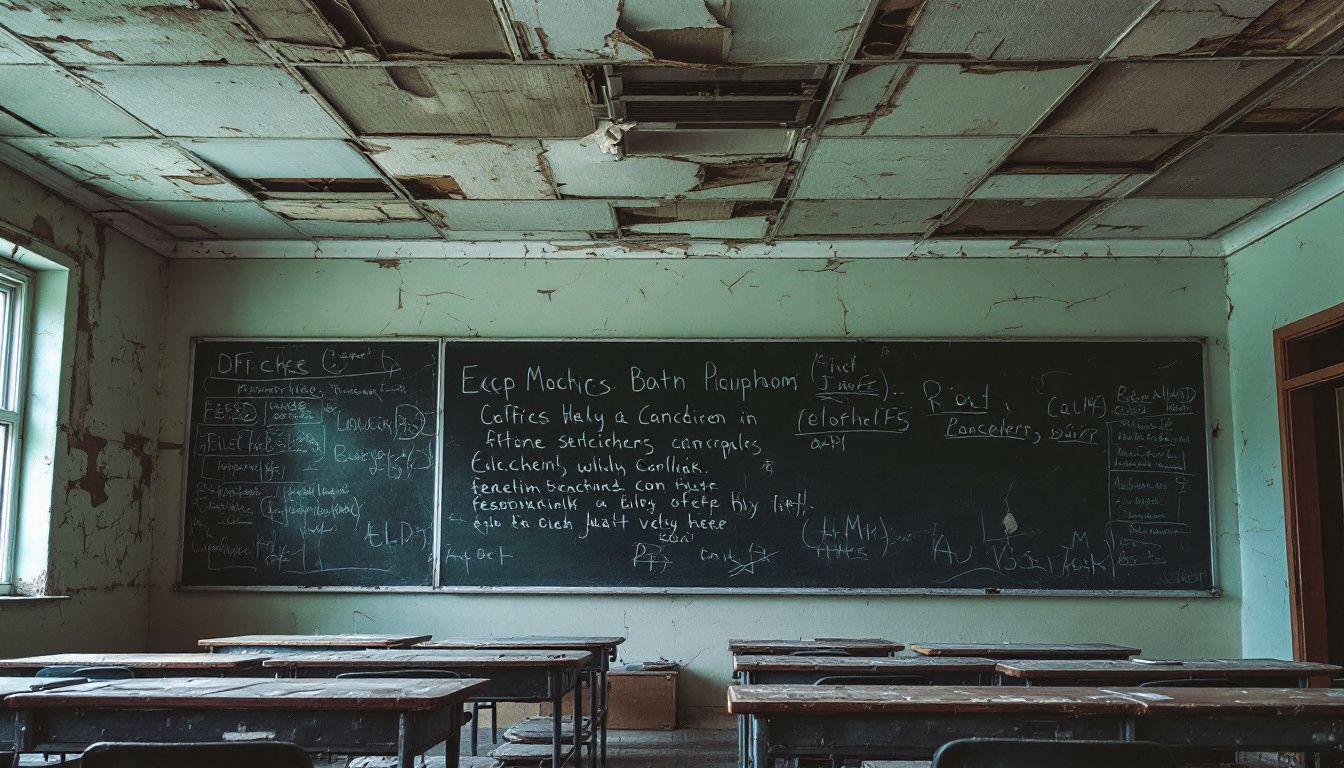
Asbestos was widely used in UK buildings constructed before 2000. Schools are among the buildings most likely to contain asbestos-containing materials (ACMs), found in ceiling tiles, pipe lagging, floor coverings, roofing, and insulation boards. Any disturbance to these materials — through building work, accidental damage, or deterioration — can release fibres into the air that children breathe.
Immediate Steps: What to Do If a Child Is Exposed to Asbestos
Stay calm and act methodically. Panic leads to poor decisions. Here is what you need to do straight away.
1. Remove the Child from the Area Immediately
Get the child away from the suspected source of asbestos without delay. Do not allow them to return to the area under any circumstances.
If the exposure happened inside a room or building, ensure the space is sealed off and others are kept away until a professional assessment has taken place. This protects everyone else who might otherwise walk into the contaminated area.
2. Handle Clothing Carefully
Remove the child’s outer clothing carefully, folding it inward rather than shaking it. Shaking clothing can release any trapped fibres back into the air, making the situation considerably worse.
Place the clothing in a sealed plastic bag. Wash the child’s skin gently with soap and water — avoid vigorous scrubbing — and rinse their hair thoroughly under running water.
3. Seek Medical Advice Promptly
Contact your GP or NHS 111 as soon as possible and explain that your child may have been exposed to asbestos. There is no antidote or immediate treatment for asbestos exposure, but medical professionals will create a formal record of the incident.
That record is critically important. It documents the exposure and provides a reference point for monitoring your child’s health over their lifetime. Do not skip this step, even if your child appears completely well.
4. Write Down Everything You Can Remember
While the details are fresh, note down the following:
- The date, time, and location of the exposure
- How long the child was in the area
- What activity disturbed the material (drilling, renovation work, accidental damage)
- Whether other children or adults were present
- The visible condition of the material — was it crumbling, powdery, or visibly damaged?
This information will be valuable for medical professionals, the school or building management, and potentially for legal or insurance purposes later.
5. Report the Incident
If the exposure happened at school, report it to the headteacher and the school’s designated duty holder immediately. Under the Reporting of Injuries, Diseases and Dangerous Occurrences Regulations (RIDDOR), certain asbestos-related incidents must be reported to the Health and Safety Executive (HSE).
If the exposure occurred in a rented property, report it to your landlord and, if necessary, to the local authority’s environmental health department. Landlords have legal duties under the Control of Asbestos Regulations to manage asbestos in properties they own.
Medical Monitoring After Asbestos Exposure in Children
There is no immediate test that confirms whether asbestos fibres have lodged in the lungs following a single exposure. However, establishing a thorough medical record is the single most important long-term action you can take.
What Your GP Can Do
Your GP will record the exposure in your child’s medical notes. Depending on the nature and duration of the exposure, they may refer you to a specialist occupational health physician or respiratory consultant.
In some cases, a baseline chest X-ray may be recommended. This creates a reference point for future comparison — it will not show immediate damage, but it is a valuable document for long-term monitoring.
Long-Term Health Monitoring
The risk from asbestos exposure is closely linked to cumulative exposure over time. A single, brief exposure to a small amount of disturbed material carries a very different risk profile from repeated or prolonged exposure — but no level of exposure is entirely without risk.
Make sure the incident is permanently documented in your child’s medical records. As they grow older, they should inform future doctors — particularly respiratory specialists — of their exposure history. Symptoms such as a persistent cough, breathlessness, or chest pain developing in later life should always be assessed in light of this history.
Asbestos in Schools: Who Is Responsible?
The legal duty to manage asbestos in school buildings falls on the duty holder — typically the local authority, academy trust, or governing body. Under the Control of Asbestos Regulations, any non-domestic premises built before 2000 must have an asbestos survey carried out and an asbestos register maintained.
Schools are legally required to:
- Know where asbestos-containing materials are located throughout their buildings
- Assess the condition and risk level of those materials
- Maintain an up-to-date asbestos register
- Ensure all staff, contractors, and maintenance workers are aware of the register
- Have a written asbestos management plan in place
- Carry out regular reinspections to monitor the condition of known ACMs
If your child was exposed to asbestos at school, you have every right to ask for a copy of the school’s asbestos register and management plan. This is a reasonable request, not a confrontational one — and schools should be able to produce these documents promptly.
A proper management survey is the foundation of a school’s legal duty to manage asbestos safely. Without one, the school has no reliable way of knowing where the risks lie or how to protect the children and staff in its care.
What the School Should Do After an Asbestos Incident
When asbestos is disturbed in a school, the response must follow a clear and immediate sequence. As a parent, understanding what the school should be doing helps you hold them accountable.
Immediate Containment
The affected area must be sealed off immediately. All air handling systems and ventilation in that area should be switched off to prevent fibres from circulating through the building, and doors and windows should be sealed with heavy plastic sheeting.
Children and staff must be evacuated calmly and kept away from the area until licensed asbestos professionals have assessed and cleared the scene.
Professional Assessment and Air Testing
A licensed asbestos contractor must be called in to assess the extent of the disturbance. Air testing using specialist equipment will determine whether fibre levels are within safe limits before any area is reoccupied.
Do not allow the school to reopen the affected area until a formal clearance certificate has been issued by a licensed contractor. This is a legal requirement, not a recommendation.
Notification and Communication
The school must notify the HSE under RIDDOR if the incident meets the reporting threshold. Parents of any children who may have been exposed should be informed promptly and clearly — vague or delayed communication is not acceptable.
The school should provide parents with:
- A clear description of what happened and when
- Information about the type and condition of the asbestos material involved
- The steps taken to make the area safe
- Advice on seeking medical guidance
- Contact details for further questions
Review of the Asbestos Management Plan
Following any incident, the school must review and update its asbestos management plan. A reinspection survey should be commissioned to assess whether other materials in the building have deteriorated and whether additional risk management measures are needed.
This is not optional housekeeping — it is a legal obligation under the Control of Asbestos Regulations and the guidance set out in HSG264.
Asbestos in the Home: What Parents Need to Know
Asbestos is not only a school problem. Many UK homes built before 2000 contain asbestos in artex ceilings, floor tiles, roof sheets, pipe lagging, and garage roofing. DIY work is one of the most common causes of accidental asbestos disturbance in domestic settings.
If you are planning renovation work in an older property, always have the building surveyed for asbestos before any work begins. This protects your children, your family, and any tradespeople working in your home.
If you suspect asbestos was disturbed during home renovation and your child was present, follow the same immediate steps: remove the child from the area, carefully remove and bag outer clothing, wash skin and hair, and contact your GP without delay.
Whether you need an asbestos survey London, an asbestos survey Manchester, or an asbestos survey Birmingham, Supernova Asbestos Surveys operates nationwide and can arrange a survey quickly.
Preventing Future Exposure: The Role of Surveys and Reinspections
The most effective way to protect children from asbestos exposure is to know exactly where asbestos is located in any building they regularly occupy — and to monitor it consistently.
An asbestos management survey identifies all suspected ACMs, assesses their condition, and provides the information needed to manage them safely over time. Surveys must be carried out by UKAS-accredited surveyors — this accreditation confirms the surveyor meets the strict competency standards set out in HSG264, the HSE’s guidance document on asbestos surveying.
Never commission a survey from an unaccredited provider. The results will not be legally defensible and may not be accurate enough to protect the people in the building.
For school buildings and other premises where children are regularly present, annual reinspections are strongly recommended. The condition of asbestos-containing materials can change due to building use, accidental damage, or natural deterioration — and regular monitoring catches problems before they become incidents.
Your Rights as a Parent
If your child has been exposed to asbestos in any setting where a duty holder had a legal responsibility to manage that risk, you have clear rights. You can:
- Request a copy of the building’s asbestos register and management plan
- Ask for written confirmation of what happened, when, and what action was taken
- Seek independent legal advice if you believe the duty holder was negligent
- Make a formal complaint to the HSE if you believe the duty holder has failed in their legal obligations
- Submit a Freedom of Information request to a local authority or academy trust for asbestos-related records
You do not need to accept vague reassurances. Duty holders have clear legal obligations under the Control of Asbestos Regulations, and parents have every right to ensure those obligations have been met fully and properly.
Frequently Asked Questions
What should I do immediately if my child has been exposed to asbestos?
Remove your child from the area straight away and do not let them return. Carefully remove their outer clothing by folding it inward — never shake it — and seal it in a plastic bag. Wash their skin gently with soap and water and rinse their hair under running water. Then contact your GP or NHS 111 to report the exposure and create a formal medical record, even if your child appears well.
Is a single exposure to asbestos dangerous for a child?
A single, brief exposure carries a much lower risk than repeated or prolonged contact, but no level of asbestos exposure is considered entirely safe. The key actions are to minimise the exposure as quickly as possible, seek medical advice, and ensure the incident is permanently documented in your child’s medical records for long-term monitoring.
Who is legally responsible for asbestos in schools?
The duty holder — usually the local authority, academy trust, or governing body — is legally responsible for managing asbestos in school buildings under the Control of Asbestos Regulations. This includes maintaining an asbestos register, having a written management plan, and ensuring regular reinspections of known asbestos-containing materials. If your child was exposed at school, you are entitled to request copies of these documents.
How do I know if my home contains asbestos?
If your home was built before 2000, there is a reasonable chance it contains asbestos-containing materials in areas such as artex ceilings, floor tiles, pipe lagging, or roof sheets. The only reliable way to confirm this is to commission an asbestos survey carried out by a UKAS-accredited surveyor before any renovation or building work takes place.
What long-term monitoring does my child need after asbestos exposure?
There is no immediate test to confirm whether fibres have lodged in the lungs, but your GP can record the exposure and refer you to a specialist if needed. A baseline chest X-ray may be recommended as a reference point. As your child grows older, they should inform all future doctors of their exposure history, and any respiratory symptoms in later life — such as a persistent cough or breathlessness — should be assessed with that history in mind.
Speak to Supernova Asbestos Surveys
If you are concerned about asbestos in a school, home, or any other building where children spend time, Supernova Asbestos Surveys can help. With over 50,000 surveys completed nationwide, our UKAS-accredited surveyors provide fast, reliable assessments that give you the information you need to act.
Call us on 020 4586 0680 or visit asbestos-surveys.org.uk to arrange a survey or speak to a member of our team.