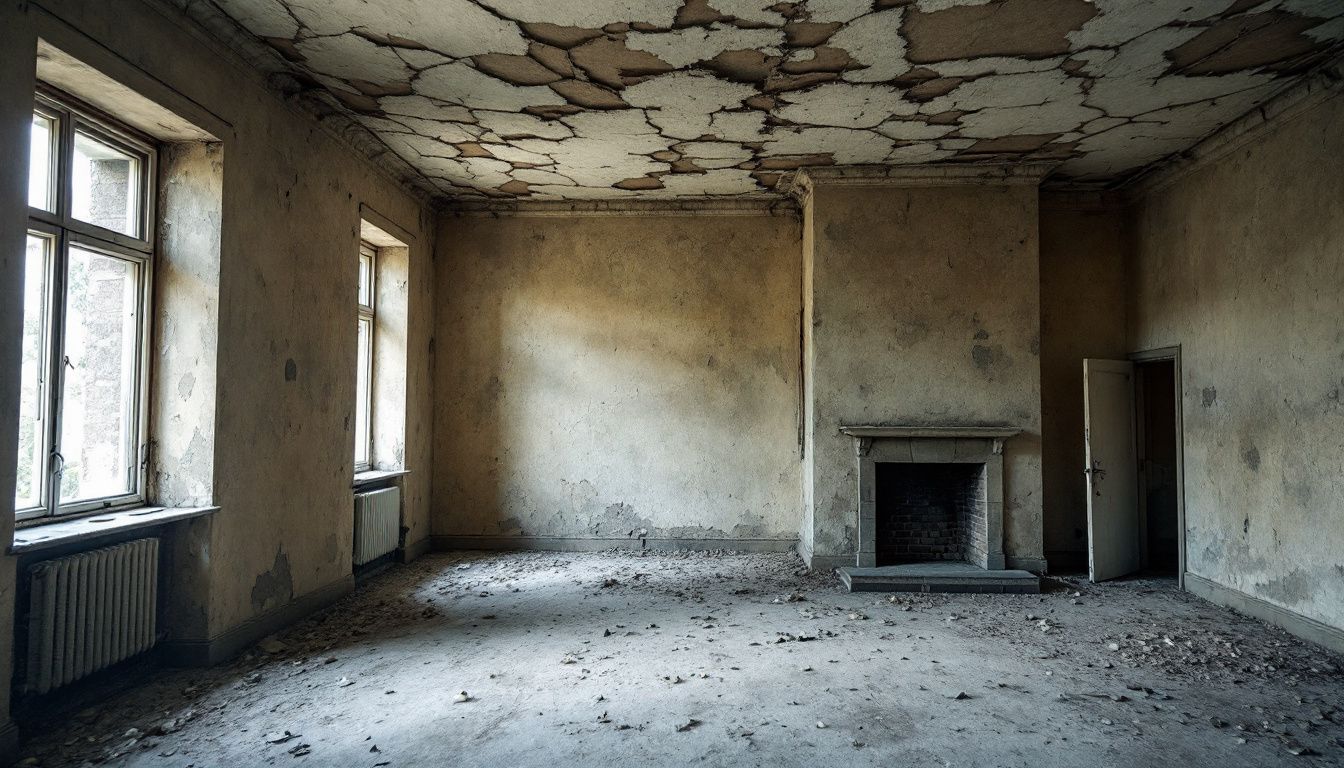
When Disaster Strikes, Asbestos Doesn’t Wait
When a fire tears through a building, a flood undermines its structure, or a renovation crew breaks through an unexpected wall, the danger doesn’t stop at the obvious damage. Hidden asbestos-containing materials (ACMs) can be disturbed in seconds, releasing fibres that are invisible to the naked eye and potentially fatal with prolonged exposure.
The role asbestos surveys play in emergency preparedness isn’t just good practice — it’s a legal and moral obligation for anyone responsible for a building in the UK. And this isn’t a theoretical risk. Older buildings across the country — schools, hospitals, offices, and residential blocks — were constructed with asbestos woven into their fabric. When those buildings suffer sudden, unplanned damage, the consequences can escalate rapidly without a clear emergency response in place.
Why Emergency Asbestos Management Is a Distinct Challenge
Routine asbestos management follows a predictable path: survey, register, manage, re-inspect. Emergency scenarios throw that structure out of the window entirely.
Fires damage ACMs and release fibres into smoke. Floods saturate and break apart insulation boards and ceiling tiles. Structural collapses pulverise materials that had previously been safely encapsulated. The challenge is that emergency responders — firefighters, structural engineers, contractors — may not know what they’re walking into.
Without an up-to-date asbestos register and a clear emergency response protocol, the risk of exposure multiplies for every person on site. This is precisely why the role asbestos surveys play in emergency preparedness extends well beyond the survey itself. A good survey, properly maintained, becomes a critical safety tool the moment something goes wrong.
Identifying When an Emergency Asbestos Survey Is Needed
Not every incident requires an emergency asbestos survey, but the threshold is lower than most building managers assume. If there’s any reason to believe ACMs have been disturbed or damaged, a qualified surveyor should be called immediately.
Unexpected Asbestos Discoveries During Construction or Renovation
Construction crews regularly encounter asbestos they weren’t expecting. Even when a refurbishment survey has been carried out, materials can be missed — particularly in concealed voids, beneath floor coverings, or behind service ducts.
When a worker suspects they’ve found asbestos, the rules are clear under the Control of Asbestos Regulations: stop work immediately, vacate the area, and call a licensed surveyor. The instinct to carry on — especially when a project is running to a tight deadline — is understandable but dangerous. Continuing work risks not only the health of those on site but also significant legal liability for the principal contractor and the building owner.
If you suspect an unexpected discovery on site, follow these steps without delay:
- Stop all work in the affected area immediately
- Prevent access by others — erect barriers and post warning signs
- Do not attempt to clean up or disturb the material further
- Contact a UKAS-accredited asbestos surveying firm without delay
- Notify the relevant parties, including the HSE if required
Post-Disaster Scenarios: Fires, Floods, and Structural Collapse
Post-disaster environments present the most complex asbestos challenges. When a building has been through a fire, the heat alone can destroy the binding matrix of ACMs, leaving fibres to become airborne. Flooding saturates and degrades materials. Structural collapse physically breaks apart previously intact asbestos.
In these scenarios, the priority is always life safety — but that includes protection from asbestos exposure. Emergency services and recovery teams need to know where ACMs were located before the incident, which is why a current asbestos register held off-site or in a cloud-based system is invaluable.
If no register exists, an emergency survey must be commissioned before substantive recovery work begins. Building owners whose properties have suffered significant damage should treat an emergency asbestos survey as a prerequisite to any other recovery activity — not an afterthought.
The Legal Framework: What UK Regulations Require
The legal obligations around asbestos in the UK are not ambiguous. The Control of Asbestos Regulations applies to all non-domestic premises and to the common areas of residential buildings. The duty to manage asbestos — including maintaining an up-to-date asbestos register and management plan — sits with the dutyholder, typically the building owner or the person responsible for maintenance and repair.
In emergency situations, those obligations don’t pause. If anything, they become more urgent. The HSE’s guidance document HSG264 sets out the standards for asbestos surveys and makes clear that any work likely to disturb ACMs must be preceded by a suitable survey. In an emergency context, this means getting a qualified surveyor on site as quickly as possible.
Compliance Under Pressure
It’s tempting, in the chaos of a post-disaster environment, to cut corners on compliance. That temptation should be resisted firmly. Enforcement action following asbestos exposure incidents can result in significant fines and, in serious cases, prosecution.
More importantly, the health consequences for those exposed — mesothelioma, asbestosis, lung cancer — can take decades to manifest and are irreversible. Building managers should ensure that their emergency response plans explicitly reference asbestos obligations, and that staff know not just that asbestos is a risk, but what to do when they encounter it unexpectedly.
Qualifications That Matter
Under HSG264 and the Control of Asbestos Regulations, asbestos surveys must be carried out by competent surveyors. In practice, this means individuals holding recognised qualifications such as the BOHS P402 certificate or an equivalent RSPH qualification. The surveying firm should be UKAS-accredited, which provides independent assurance that their processes meet the required standard.
In an emergency, it can be tempting to accept whoever is available. Resist that. Using an unqualified surveyor not only risks inaccurate results — it may also mean the survey doesn’t satisfy legal requirements, leaving the building owner exposed to liability.
How an Emergency Asbestos Survey Works in Practice
An emergency asbestos survey follows the same fundamental principles as a standard survey, but compressed into a much shorter timeframe and conducted in a potentially hazardous environment.
Initial Assessment and Site Containment
The surveyor’s first task is to assess the extent of the damage and identify which areas are most likely to contain disturbed ACMs. This initial walkthrough is conducted in full PPE — appropriate respiratory protective equipment (RPE) and disposable coveralls are non-negotiable.
Containment measures are established immediately. This means physical barriers, warning signage, and — where fibres may already be airborne — negative pressure enclosures or restricted access zones. No one enters the affected area without appropriate protection and a clear reason to be there.
Sampling and Analysis
Samples are taken from suspect materials using correct procedures to minimise further fibre release. These samples are sent to a UKAS-accredited laboratory for analysis under polarised light microscopy. In genuine emergencies, turnaround times can be accelerated — many accredited laboratories offer priority analysis when the situation demands it.
Results inform the next steps: whether the area can be re-entered, what remediation is required, and whether licensed asbestos removal contractors need to be engaged.
Reporting and Next Steps
Even in emergency situations, proper documentation is essential. The surveyor’s report should identify all suspect materials sampled, confirm laboratory results, and provide a clear risk rating for each area. This report feeds directly into the remediation plan and ensures that all subsequent work is carried out safely and compliantly.
If your building already has an asbestos register from a previous management survey, the emergency surveyor can cross-reference it against the current damage — significantly speeding up the assessment process and helping to prioritise the highest-risk areas.
Building an Effective Emergency Response Plan for Asbestos
The best time to plan for an asbestos emergency is before one happens. A well-constructed emergency response plan doesn’t just list what to do — it ensures that the right information is available to the right people at the right time.
What Your Plan Should Include
- An up-to-date asbestos register, stored both on-site and in a location accessible remotely — such as a cloud-based system
- Contact details for a UKAS-accredited asbestos surveying firm that can respond to emergencies, ideally one you have an existing relationship with
- Clear escalation procedures — who makes the call to stop work, who contacts the surveyor, who notifies building occupants
- Staff training records confirming that relevant personnel understand asbestos awareness and their responsibilities
- Emergency PPE stocks — appropriate masks and coveralls should be available on-site for first responders
- A communication plan for informing building users, local authorities, and the HSE where required
Regular Reviews and Re-Inspections
An emergency response plan is only as good as the information it’s built on. If your asbestos register hasn’t been updated recently, it may not reflect changes to the building — additional materials may have been installed, or previously managed ACMs may have deteriorated.
Scheduling a periodic re-inspection survey ensures your register stays current and your management plan reflects the actual condition of ACMs in the building. The HSE recommends re-inspection at least annually for most buildings, with more frequent checks where ACMs are in poor condition or in areas of high activity.
Integrating Asbestos Into Wider Safety Planning
Asbestos management doesn’t exist in isolation. For commercial and public buildings, it sits alongside other safety obligations — including fire safety. A fire risk assessment and an asbestos management plan should be developed in tandem, since fire is one of the most common triggers for emergency asbestos exposure.
Ensuring that both documents reference each other — and that emergency procedures account for the interaction between fire damage and ACMs — significantly strengthens your overall preparedness. These aren’t separate compliance exercises; they’re two parts of the same safety picture.
Planning for Demolition and Major Refurbishment
If a building has suffered severe structural damage and partial or full demolition is being considered, the legal requirements around asbestos become even more stringent. A demolition survey is a legal requirement before any demolition work begins, and this applies even in post-disaster scenarios where the pressure to clear a site quickly can be intense.
Do not allow demolition to proceed without this survey in place. The risks — to workers, to neighbouring properties, and to the building owner’s legal position — are simply too great.
Training Staff to Recognise and Respond to Asbestos Risks
Legal compliance isn’t just about having the right documents in place. It also requires that the people responsible for a building understand their role in asbestos management. Under the Control of Asbestos Regulations, anyone liable to disturb asbestos in the course of their work must receive appropriate information, instruction, and training.
For facilities managers and building maintenance staff, this typically means asbestos awareness training — understanding what asbestos looks like, where it’s commonly found, and what to do if they suspect they’ve encountered it. This training should be refreshed regularly and records kept as evidence of compliance.
For those in roles with greater responsibility — such as those managing contractors or overseeing emergency response — more detailed training may be appropriate, including familiarity with the asbestos register and the emergency response plan itself.
The Role Asbestos Surveys Play in Emergency Preparedness Across the UK
Emergency asbestos incidents don’t respect geography. Whether you’re managing a Victorian office block in the capital or a 1970s industrial unit in the Midlands, the obligations and risks are the same. Supernova Asbestos Surveys operates nationally, with surveyors available across England, Scotland, and Wales.
For property managers and building owners in the capital, our asbestos survey London service provides rapid response when it matters most. In the North West, our asbestos survey Manchester team is on hand for both planned and emergency instructions. And across the West Midlands, our asbestos survey Birmingham service covers commercial, industrial, and residential properties of all types.
Wherever your building is located, having a trusted, UKAS-accredited surveying partner already in place before an emergency occurs is one of the most practical steps you can take.
What to Do Right Now If You Don’t Have a Current Asbestos Register
If you’re responsible for a building constructed before 2000 and you don’t have a current, documented asbestos register in place, you are already non-compliant with your duties under the Control of Asbestos Regulations. That’s not a position you want to be in before an emergency — and certainly not after one.
The steps are straightforward:
- Commission a management survey from a UKAS-accredited firm to establish a baseline register
- Ensure the register is stored securely and accessibly — both on-site and off-site
- Develop or update your asbestos management plan to include emergency response procedures
- Schedule re-inspections to keep the register current
- Brief all relevant staff on the register’s location and the emergency response protocol
None of these steps are complicated. All of them could prevent a serious incident — or significantly reduce the consequences if one occurs.
Frequently Asked Questions
What is the role of asbestos surveys in emergency preparedness?
Asbestos surveys create a documented record of where asbestos-containing materials are located within a building. In an emergency — such as a fire, flood, or unexpected structural damage — this record allows emergency responders and recovery teams to understand the asbestos risks on site before they begin work. Without it, the risk of uncontrolled fibre release and exposure is significantly higher. An up-to-date asbestos register is the foundation of any effective emergency asbestos response plan.
Do I need an emergency asbestos survey after a fire?
Yes, in most cases. Fire can destroy the binding matrix of ACMs, causing fibres to become airborne. Before any recovery or demolition work begins on a fire-damaged building, a qualified asbestos surveyor should assess the affected areas. This is both a legal requirement under the Control of Asbestos Regulations and a fundamental safety measure for everyone working on the site. If your building has an existing asbestos register, the surveyor can use it as a starting point, but the post-fire condition of all ACMs must be re-assessed.
What should I do if a worker finds unexpected asbestos during renovation?
Stop all work in the affected area immediately and prevent anyone else from entering. Do not attempt to remove or disturb the material. Erect barriers and warning signs, then contact a UKAS-accredited asbestos surveying firm as quickly as possible. Under the Control of Asbestos Regulations, work that is likely to disturb asbestos must not proceed without a suitable survey having been carried out. Continuing work after a suspected discovery can result in serious legal liability for the contractor and the building owner, as well as significant health risks to those on site.
How often should an asbestos register be updated?
The HSE recommends that asbestos-containing materials are re-inspected at least annually, with more frequent inspections where ACMs are in poor condition or located in areas of high footfall or activity. Any time significant work is carried out on a building — or following an emergency incident — the register should be reviewed and updated to reflect the current condition and location of ACMs. An outdated register can be as dangerous as no register at all, particularly in an emergency situation.
Does a demolition survey apply even in post-disaster demolition scenarios?
Yes. A demolition survey is a legal requirement before any demolition work, regardless of the circumstances that have made demolition necessary. Even where a building has been severely damaged by fire, flood, or structural failure, the law requires that a full demolition survey is completed before work begins. The pressure to clear a site quickly after a disaster is understandable, but proceeding without this survey exposes contractors, building owners, and the public to serious risk — and significant legal consequences.
Speak to Supernova Asbestos Surveys Today
Supernova Asbestos Surveys has completed over 50,000 surveys across the UK, working with property managers, facilities teams, local authorities, and contractors in both planned and emergency situations. Our UKAS-accredited surveyors are experienced in rapid-response assessments and can mobilise quickly when time is critical.
Whether you need to commission a management survey for the first time, update an existing register, or arrange an emergency inspection following an incident, our team is ready to help. Call us on 020 4586 0680 or visit asbestos-surveys.org.uk to get a quote or speak to a surveyor directly.
Don’t wait for an emergency to find out your asbestos management isn’t up to scratch. The time to act is now.