Asbestos Removal Equipment: What Every Property Manager Needs to Know
The wrong equipment does not just slow a job down. It can turn a controlled asbestos removal into a contamination event that puts workers, occupants, and the wider building at risk. Choosing and using the right asbestos removal equipment is a legal and practical necessity, governed by the Control of Asbestos Regulations, HSG264 guidance, and HSE expectations that apply to every type of removal work across the UK.
If you manage a property, oversee maintenance contracts, or commission remedial works, this is what you need to understand about what proper asbestos removal equipment looks like, what each category does, and where the limits lie.
Why Asbestos Removal Equipment Cannot Be Improvised
Asbestos fibres are invisible to the naked eye. Once they become airborne through disturbance, they cannot be seen, smelled, or detected without specialist equipment. That invisibility is exactly why every stage of asbestos removal must be supported by appropriate controls rather than guesswork or improvisation.
Standard site tools, domestic vacuums, and general-purpose PPE are not suitable substitutes for specialist asbestos removal equipment. Using them does not reduce risk — in many cases it actively spreads contamination further than if no attempt at removal had been made at all.
Proper equipment is designed to do three things: reduce fibre release at source, protect workers throughout the task, and prevent fibres from migrating to surrounding areas or being carried out of the work zone. Every category of equipment on a compliant job serves at least one of those functions.
Core Asbestos Removal Equipment Used on Site
The exact configuration depends on the material being removed, its condition, the accessibility of the area, and whether the work is licensed, notifiable non-licensed, or non-licensed. Even so, the following categories appear on most properly controlled removal jobs.
Respiratory Protective Equipment (RPE)
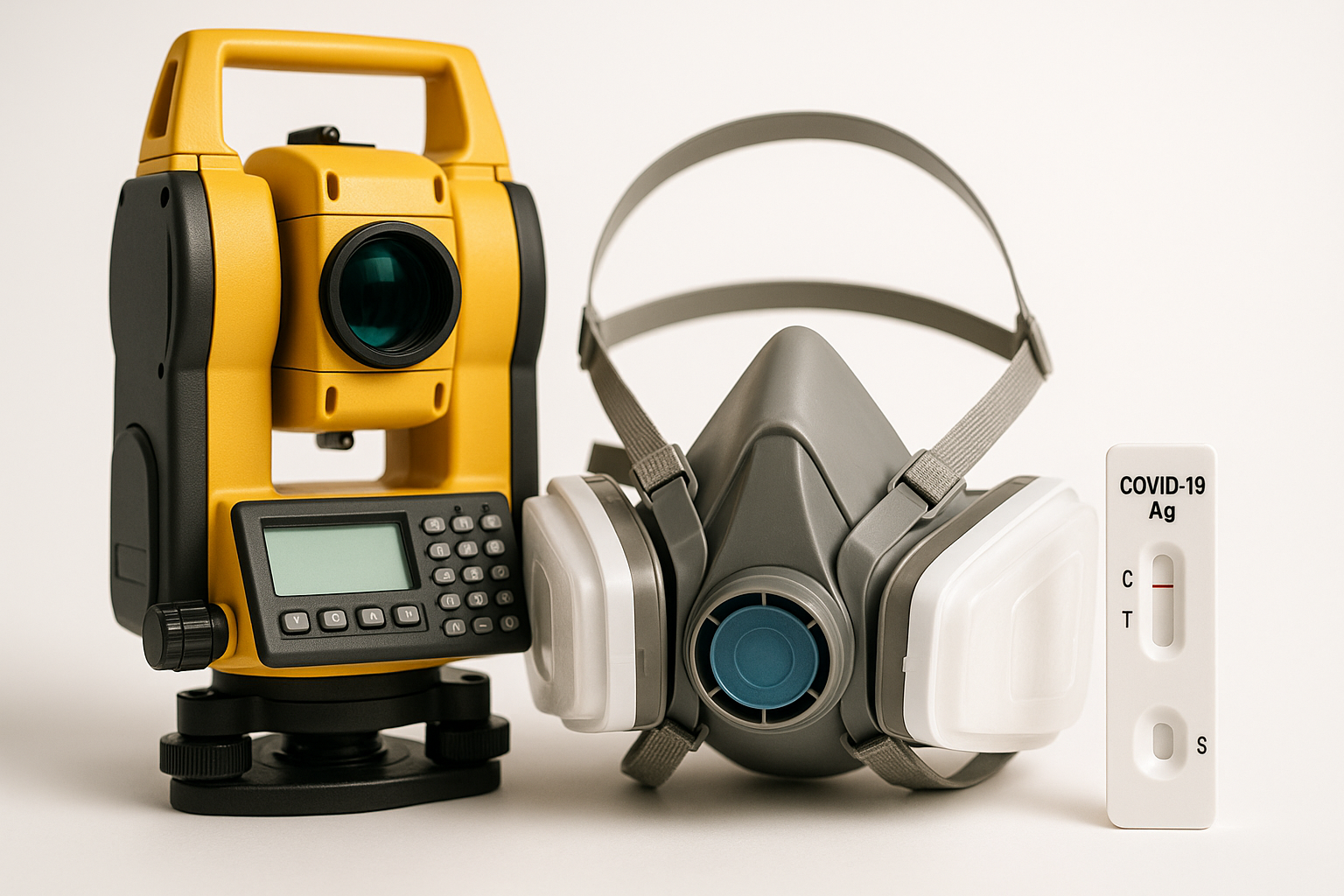
RPE is one of the most critical components of any asbestos removal set-up. It protects workers from inhaling airborne fibres during removal, cleaning, and decontamination — all stages where disturbance can occur.
Common types include:
- Full-face respirators with suitable particulate filters
- Half-mask respirators for lower-risk tasks where appropriate
- Powered air-purifying respirators in some specialist settings
RPE must be selected to match the specific task and the individual wearer. Face fit testing is a legal requirement where tight-fitting masks are used, and the equipment must be maintained, inspected, and worn correctly throughout the work. A respirator that does not seal properly provides far less protection than the specification suggests.
Disposable Protective Clothing
Protective clothing stops fibres settling on everyday clothing and being carried into clean areas of the building or beyond the site entirely. Disposable coveralls with fitted hoods are standard, alongside appropriate gloves and footwear controls.
Key practical points:
- Use coveralls rated for hazardous dust work — not general disposable suits
- Tape cuffs where required to close gaps at wrists and ankles
- Replace damaged items immediately rather than continuing the task
- Dispose of contaminated PPE as asbestos waste — it cannot go into general site bins
Class H Vacuum Cleaners
The Class H vacuum is one of the most recognisable pieces of asbestos removal equipment, and one of the most frequently misused. These units are specifically designed for hazardous dust and are used to clean fine debris from surfaces, tools, and equipment within the work area.
They are not interchangeable with household vacuums or standard commercial machines. Using the wrong vacuum does not remove fibres — it exhausts them back into the air through the exhaust filter, making contamination significantly worse.
Class H vacuums should be:
- Maintained in line with manufacturer instructions and inspection schedules
- Checked before each use for filter condition and seal integrity
- Used only by trained personnel who understand their limitations
- Emptied and decontaminated under controlled procedures, not emptied casually
Controlled Wetting Equipment
Wetting asbestos-containing materials before and during removal is one of the most effective ways to suppress fibre release at source. Controlled spraying equipment, injection systems, and low-pressure application tools are used to dampen the material without creating run-off or spreading contamination to adjacent surfaces.
The method has to match the material. Over-wetting can cause practical problems on some products, and the wrong approach can accelerate deterioration or complicate waste handling. Wetting is a technique, not simply adding water.
Negative Pressure Units (NPUs)
Negative pressure units are used on higher-risk removal projects to maintain inward airflow within enclosed work areas. By keeping air pressure inside the enclosure lower than the surrounding space, they reduce the chance of fibres escaping through gaps or during entry and exit.
NPUs work alongside airlocks, viewing panels, and controlled entry procedures — they are one control among several, not a substitute for a properly built and sealed enclosure. A negative pressure unit cannot compensate for poor enclosure design or inadequate sealing.
Hand Tools for Careful Removal
Asbestos removal work often relies on simple hand tools rather than power equipment. Scrapers, pliers, shadow vacuum attachments, and controlled cutting tools allow materials to be removed with less breakage and therefore less fibre release.
Power tools that generate dust are generally avoided unless a very specific controlled method is in place. The more a material is broken up during removal, the greater the potential fibre release — which is why slower, more careful manual methods are usually preferred even when they take longer.
Containment and Site Set-Up Equipment
Some of the most important asbestos removal equipment is not held in a worker’s hands. The controls that create separation between the work area and the rest of the building are just as critical as the tools used to remove the material itself.
Enclosures and Polythene Sheeting
For higher-risk removal, work areas may need to be enclosed using suitable framing and heavy-gauge polythene sheeting. A well-built enclosure contains fibres, supports controlled air management, and provides a defined boundary for decontamination procedures.
Enclosures should be:
- Properly sealed at all joints, penetrations, and floor junctions
- Large enough to allow safe working without damaging the enclosure walls
- Tested for integrity before removal begins, where required
- Supported by clear access routes and decontamination facilities
Warning Signs and Barriers
Clear signage is a simple but frequently overlooked control. People need to know when asbestos work is underway, where restricted areas begin, and what authorisation or PPE is required before entry. Barriers, tape, and signs must be positioned so that contractors, staff, residents, or visitors cannot accidentally enter the work zone.
On poorly managed jobs, inadequate signage is often what allows unnecessary exposure to occur — not a failure of the removal technique itself.
Decontamination Equipment
Workers need a safe and structured way to remove contamination before leaving the work area. Depending on the scale and risk level of the job, this may involve a full decontamination unit or a more limited controlled process.
A proper decontamination set-up typically includes:
- Defined transit routes between dirty and clean zones
- Dirty and clean stages with clear separation
- Facilities for cleaning RPE and any reusable equipment
- Waste storage points for disposable items removed during decontamination
Waste Handling Materials and Packaging
Once asbestos has been removed, it still presents a risk until it is packaged, transported, and disposed of correctly. Waste handling materials are a core part of asbestos removal equipment — not an afterthought bolted on at the end of the job.
Approved Asbestos Waste Bags
Asbestos waste is typically double-bagged using suitable inner and outer bags designed for hazardous waste. Packaging must be robust enough to prevent tearing and release during handling and transport. Each bag should be sealed correctly and kept to a manageable size — overfilled bags are far more likely to split and create avoidable contamination.
Labels and Identification
Every waste package must be clearly identified as asbestos waste. Labels and markings help everyone who subsequently handles the material — site workers, waste carriers, and disposal facilities — understand the hazard and follow the correct controls. Incorrectly labelled or unlabelled waste does not stop being dangerous once it leaves the work area.
Wrapping for Larger Items
Some asbestos-containing materials cannot be bagged because of their size or shape. In those cases, items are wrapped in suitable sheeting, sealed, and labelled before being moved. The practical rule is straightforward: if it contains asbestos, it must be contained securely enough that fibres cannot escape during handling or transport.
Inspection, Monitoring, and Support Equipment
Not all asbestos removal equipment is used to remove material directly. Some of it supports planning, verification, and safe decision-making throughout the project.
Lighting and Access Equipment
Poor visibility causes mistakes. Good task lighting helps workers see fixings, edges, debris, and contamination points clearly — particularly in roof voids, plant rooms, and confined spaces where asbestos-containing materials are often found. Access equipment also needs careful selection: ladders, podiums, and platforms should allow safe working without damaging asbestos-containing materials or forcing awkward removal angles.
Smoke Testing and Enclosure Checks
Where enclosures are used, integrity checks may be needed before removal begins. Smoke testing can help identify leaks and weak points in the enclosure structure. This is a practical example of why planning and verification matter as much as the physical tools — the best vacuum and respirator available will not compensate for a leaking enclosure.
Air Monitoring and Clearance Support
Air monitoring is a specialist activity carried out by independent analysts on certain projects. It supports clearance procedures before areas are handed back for use, and provides objective evidence that fibre concentrations are within acceptable limits. Property managers should understand its role even if they are not directly involved in carrying it out.
Before works begin, accurate information about the location and condition of asbestos-containing materials is essential. If you are managing property in the capital, a professional asbestos survey London service can confirm what is present, where it is, and what condition it is in — before any removal planning takes place.
Training and Competence Matter as Much as the Equipment
You can have every item of asbestos removal equipment available and still end up with unsafe work if the people using it are not competent. Asbestos work is governed by legal duties, risk assessment requirements, method statements, and training obligations under the Control of Asbestos Regulations.
Workers need instruction not only in how to use the equipment, but also in:
- How asbestos fibres are released and why disturbance matters
- How different materials behave when disturbed
- When work is licensed, notifiable, or non-licensed
- How to decontaminate correctly at each stage
- How to package, label, and store waste
- What to do if controls fail or unexpected materials are found
Supervisors and dutyholders also need to understand the limits of the task. In many situations, the right decision is not to start removal immediately — it is to survey first, assess the material, and decide whether management, encapsulation, repair, or licensed removal is the correct route.
Common Mistakes When Selecting Asbestos Removal Equipment
Property managers often inherit problems from rushed maintenance jobs, general contractors working outside their competence, or incomplete pre-start information. These are the mistakes that cause the most trouble.
- Using domestic or standard commercial vacuums — only suitable hazardous dust vacuums should be used. Ordinary machines can spread fibres rather than capture them.
- Relying on PPE alone — PPE is one layer of protection. It does not replace enclosure design, wetting, controlled removal methods, and proper waste handling.
- Using power tools without adequate controls — high-speed cutting and grinding generate significant fibre release. Safer hand methods are usually preferred.
- Skipping face fit testing — a respirator that does not seal correctly cannot provide the protection its specification describes.
- Poor waste packaging — torn bags, overfilled sacks, and unlabelled packages create unnecessary risk for everyone who subsequently handles the waste.
- Starting work before asbestos is identified — assumptions are expensive. Survey information must come first.
Practical Guidance for Property Managers and Dutyholders
You do not need to become an asbestos contractor to discharge your duties as a property manager. You do need to know how to appoint the right people and ask the right questions before work begins.
Use this checklist before any intrusive work starts on your property:
- Confirm whether an asbestos survey is required for the planned work
- Check what asbestos-containing materials are present and what condition they are in
- Establish whether the planned work is licensed, notifiable non-licensed, or non-licensed
- Request the method statement and equipment list from the contractor
- Check how the area will be enclosed or segregated from the rest of the building
- Confirm waste packaging, carrier documentation, and disposal arrangements
- Make sure occupants, staff, and other contractors are informed where necessary
If your property is in the North West, an asbestos survey Manchester appointment before refurbishment or maintenance work can prevent delays, scope changes, and the risk of accidental disturbance during works.
For properties in the Midlands, arranging an asbestos survey Birmingham inspection before work begins gives you the information needed to plan removal correctly, select the right contractor, and avoid the costs associated with unplanned exposure incidents.
What to Expect From a Professional Asbestos Survey
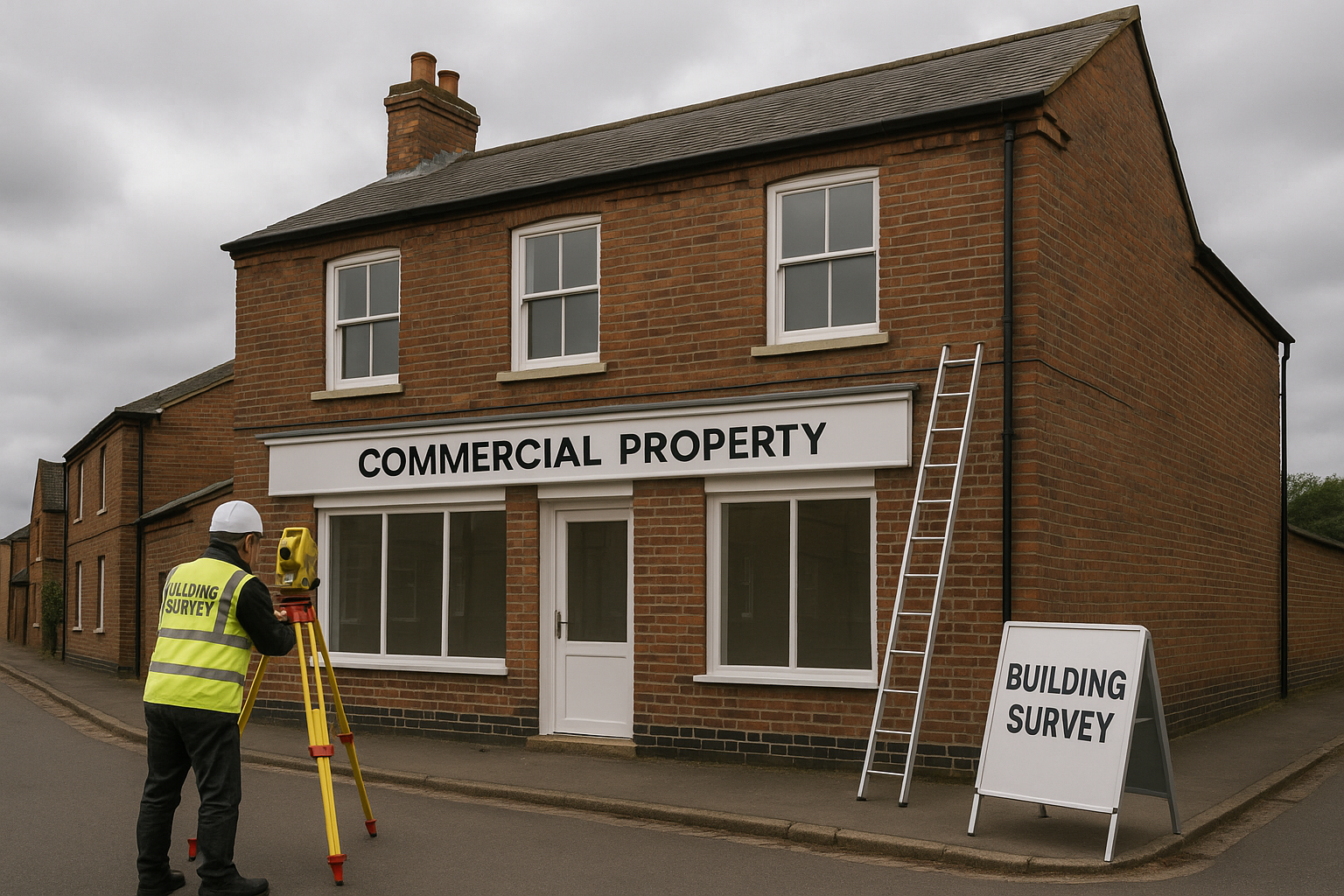
Before selecting asbestos removal equipment or appointing a contractor, you need accurate information about what is present. A professional asbestos survey identifies the location, type, extent, and condition of asbestos-containing materials within a building.
The two main types of survey are:
- Management surveys — used to locate and assess materials that may be disturbed during normal occupation and maintenance. These inform an asbestos management plan.
- Refurbishment and demolition surveys — required before any work that will disturb the building fabric. These are more intrusive and must be completed before removal work is scoped or contracted.
Survey findings directly affect the removal approach, the equipment required, whether licensed contractors must be used, and what notifications are needed before work starts. Attempting to plan removal without survey data is one of the most common and costly mistakes made on refurbishment projects.
Frequently Asked Questions
What is the most important piece of asbestos removal equipment?
There is no single most important item — asbestos removal relies on a hierarchy of controls working together. However, RPE is often considered the most critical individual item because it directly protects workers from inhaling fibres. It must be correctly selected, face fit tested, maintained, and worn throughout the task to provide meaningful protection.
Can I use a normal vacuum cleaner to clean up after asbestos work?
No. Standard domestic and commercial vacuums are not suitable for asbestos work. Their filters are not designed to capture fine asbestos fibres, and the exhaust can release fibres back into the air. Only Class H vacuums, specifically rated for hazardous dust, should be used during or after asbestos removal.
Do I need licensed contractors for all asbestos removal work?
Not all asbestos removal requires a licensed contractor. The Control of Asbestos Regulations set out three categories: licensed work, notifiable non-licensed work, and non-licensed work. The category depends on the type of material, its condition, the nature of the work, and the likely fibre release. A professional asbestos survey will help determine which category applies before any work is planned.
What should I do if asbestos is discovered unexpectedly during maintenance work?
Stop work immediately and prevent anyone else from entering the area. Do not attempt to clean up or remove the material. Contact a competent asbestos surveyor to assess what has been found, and follow HSE guidance on reporting and managing the situation. Continuing work without proper assessment risks significant fibre release and potential enforcement action.
How is asbestos waste disposed of legally?
Asbestos waste is classified as hazardous waste and must be handled accordingly. It must be double-bagged in approved packaging, correctly labelled, transported by a licensed waste carrier, and disposed of at a facility permitted to accept hazardous asbestos waste. Documentation, including consignment notes where required, must be completed and retained. Improper disposal is a criminal offence.
Get Expert Support From Supernova Asbestos Surveys
Supernova Asbestos Surveys has completed over 50,000 surveys across the UK, working with property managers, local authorities, housing providers, and commercial clients who need accurate, reliable asbestos information before works begin.
Whether you need a management survey, a refurbishment and demolition survey, or advice on what steps to take before commissioning removal work, our team can help you get the right information quickly and efficiently.
Call us on 020 4586 0680 or visit asbestos-surveys.org.uk to arrange a survey or discuss your requirements with a member of our team.