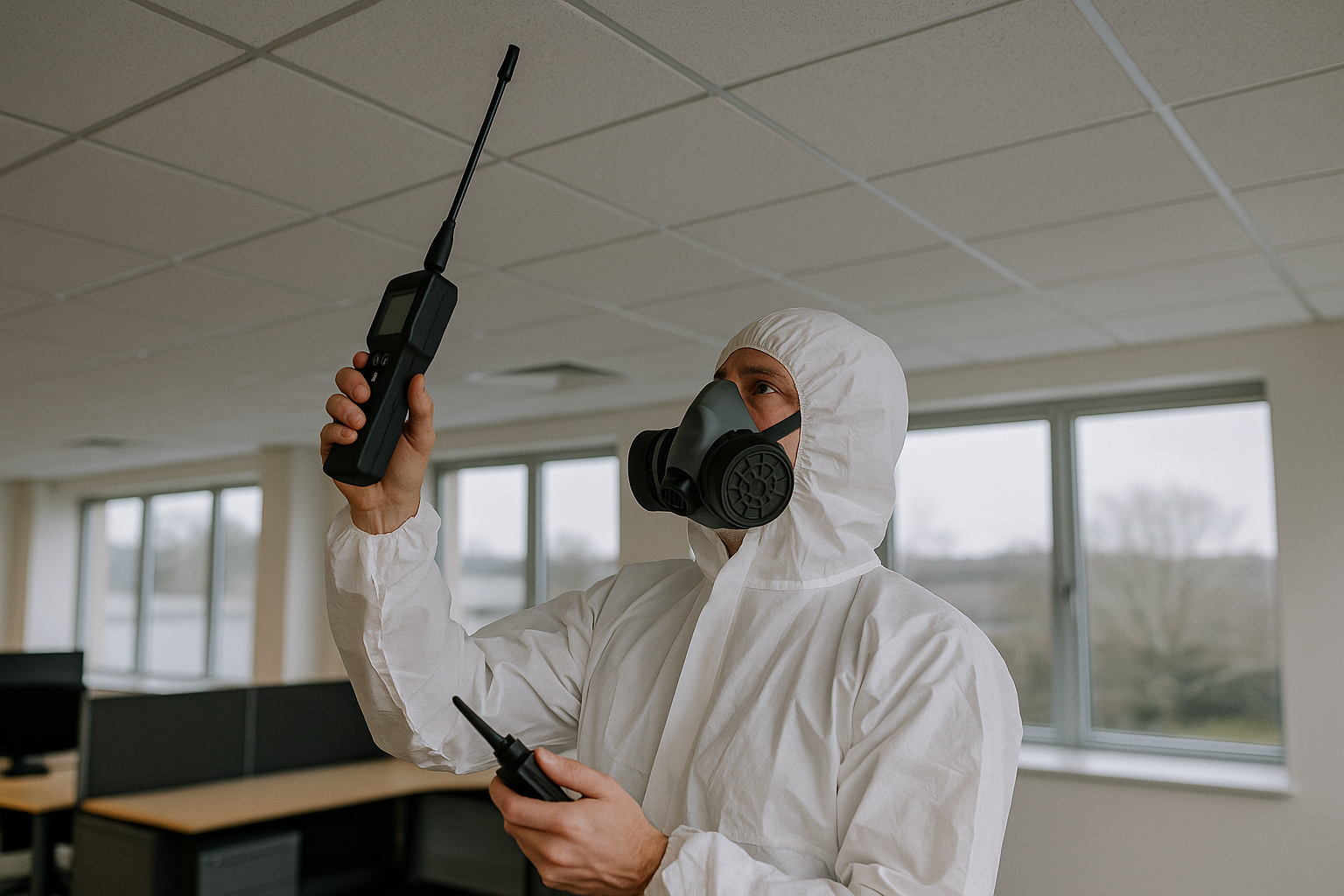
What Is Asbestos Abatement and Why Does It Matter for UK Properties?
One damaged ceiling tile or a section of disturbed pipe lagging can turn an ordinary maintenance job into a serious health and safety incident. Asbestos abatement is the process that stops that risk from escalating — whether that means managing asbestos in place, sealing it, repairing it, enclosing it, or removing it under controlled conditions.
For property managers, landlords, dutyholders and contractors, the real difficulty is rarely understanding the phrase itself. It is deciding what action is proportionate, what the law requires, and how to keep people safe without causing unnecessary disruption to the building.
In the UK, asbestos work must be approached correctly. Decisions should reflect the Control of Asbestos Regulations, survey standards set out in HSG264, and current HSE guidance. Get it right and asbestos abatement reduces exposure risk, limits delays and supports compliance. Get it wrong and you can create contamination, programme overruns and avoidable danger for everyone on site.
Why Asbestos Abatement Is a Health and Safety Priority
Asbestos becomes dangerous when fibres are released and inhaled. Those fibres are microscopic, can remain airborne for extended periods, and may stay in the lungs for years after a single exposure event. That is why asbestos abatement is not simply a maintenance issue — it is a health and safety control measure that protects occupants, tradespeople, facilities teams and anyone else who may disturb asbestos-containing materials during normal use or planned works.
Not every asbestos-containing material requires urgent removal. In many buildings, the safest option is to identify the material, assess its condition, record it in the asbestos register and manage it in place. But asbestos abatement becomes necessary when the material is damaged, deteriorating, vulnerable to disturbance or likely to be affected by refurbishment or demolition.
Situations that typically require some form of asbestos abatement include:
- Damaged or crumbling asbestos-containing materials
- Materials in locations where routine work may disturb them
- Planned maintenance, refurbishment or strip-out works
- Demolition projects of any scale
- Uncertainty about the presence, type or extent of asbestos
- Areas accessed regularly by contractors or maintenance teams
If your premises were built or refurbished before the full UK ban on asbestos, do not assume a material is safe simply because it has been there for years. Start with proper identification and a clear record of what is present.
Asbestos Abatement Methods Used in UK Properties
Asbestos abatement is not one single task. It is a group of control measures selected according to the material, its condition, the level of damage, the building use and the type of work planned. Understanding each method helps dutyholders and property managers make proportionate, legally defensible decisions.
Survey and Assessment
The first step in any asbestos abatement process is knowing exactly what you are dealing with. A suitable survey identifies asbestos-containing materials, assesses their accessibility and condition, and gives you the information needed to make practical decisions.
For occupied buildings, a management survey helps locate materials that could be disturbed during normal occupation, maintenance or installation work. Before major strip-out or structural works, a demolition survey is needed so hidden asbestos can be identified before intrusive work begins. Never commission the wrong type of survey for the task in hand — the consequences can be significant.
Encapsulation
Encapsulation involves applying a protective coating or sealant to the asbestos-containing material to reduce the chance of fibre release. This can be effective where the material is in good condition and unlikely to be disturbed during normal building use.
It is not a way to forget about the asbestos. Encapsulated materials still need to be recorded, inspected periodically and managed through the asbestos management plan. Encapsulation is a control measure, not a permanent solution in every situation.
Enclosure
Enclosure creates a durable physical barrier between the asbestos-containing material and building users. This might involve boxing in pipework, installing a sealed partition or protecting asbestos insulation board behind a fixed barrier.
Enclosure can be useful where removal would create unnecessary disruption or where the material is in stable condition. The key is ensuring the barrier is robust, clearly documented and visible in the building records so future contractors know exactly what sits behind it.
Repair
Repair is typically used for localised damage — a cracked edge, a small surface defect or minor deterioration that can be stabilised to make the material safe. Repair is often a short to medium-term control rather than a permanent answer.
If the material is in a high-traffic area, vulnerable to further damage or deteriorating more broadly, removal may still be the better long-term option even after initial repairs are completed.
Removal
Removal is the most definitive form of asbestos abatement because the asbestos-containing material is taken out of the building altogether. This is often required before major refurbishment, demolition or where the material is in poor or deteriorating condition.
Some work must be carried out by licensed contractors under the Control of Asbestos Regulations, while some tasks fall under non-licensed or notifiable non-licensed categories. The classification depends on the specific material and the nature of the task, not simply on the word removal. Where removal is necessary, use competent specialists for asbestos removal so the work area, waste handling and air clearance process are all managed correctly.
Controlled Cleaning and Site Set-Up
Good asbestos abatement is about more than the material itself. The surrounding controls matter just as much as the primary method chosen. Key measures include:
- Restricting access to the work area with appropriate signage and physical barriers
- Applying controlled wetting where appropriate to suppress fibre release
- Using suitable respiratory protective equipment (RPE) and personal protective equipment (PPE)
- Cleaning with class H vacuums and specialist decontamination methods
- Bagging, labelling and disposing of asbestos waste correctly at licensed facilities
- Completing air clearance and reoccupation procedures where required
Always request and review the method statement before work starts. You should know what is being done, how the area will be controlled and what the handover process will look like when the work is complete.
Choosing the Right Asbestos Abatement Approach
One of the most common mistakes in asbestos management is assuming that every asbestos-containing material must be removed immediately. In reality, the right approach depends on risk, condition and the planned use of the area. Removing material unnecessarily can itself create exposure risk if it is not handled correctly.
A proportionate asbestos abatement decision typically considers:
- The type of asbestos-containing material and the fibre type present
- Its current condition and likelihood of fibre release
- Whether it is friable or firmly bound
- Its location within the building and accessibility
- Who may come into contact with it during normal use
- Whether maintenance, refurbishment or demolition is planned
- How practical it is to manage in place over the long term
For example, asbestos cement in good condition on an outbuilding may be safely managed and monitored. Damaged insulation board in a service riser used regularly by contractors may need urgent remedial action or full removal. The answer is rarely generic.
If you are managing a building portfolio, establish a clear decision-making process. Do not leave asbestos abatement choices to ad hoc judgement on site. Survey findings, risk assessments and maintenance plans should all point to the same consistent course of action.
Services That Sit Alongside Asbestos Abatement
In practice, asbestos issues usually move through several stages before a building is fully safe and compliant. Treating asbestos abatement as part of a wider management system is far more effective than reacting to problems as they arise.
Common services that support the abatement process include:
- Management surveys for occupied premises
- Refurbishment and demolition surveys before intrusive works
- Sampling and laboratory testing of suspect materials
- Asbestos registers and written management plans
- Reinspection programmes for known materials
- Encapsulation and minor remedial works
- Licensed and non-licensed removal coordination
- Air monitoring and reassurance testing where appropriate
- Emergency response after accidental disturbance
For landlords, estates teams and managing agents, the practical point is straightforward. Build asbestos abatement into your wider compliance framework rather than treating it as a one-off reaction when something goes wrong.
Emergency Asbestos Abatement After Accidental Disturbance
Emergency response is one of the most overlooked aspects of asbestos abatement — until a problem actually happens. A contractor drills into a panel, a ceiling void is opened without prior survey information, old pipe lagging is damaged, or debris is found during an out-of-hours maintenance callout.
In those moments, speed matters — but so does control. The wrong response can spread contamination further and increase the number of people exposed.
What to Do Immediately
- Stop all work in the affected area immediately
- Keep all personnel out of the space
- Close doors and restrict access where possible
- Do not sweep, vacuum or attempt to clean the material yourself
- Prevent unnecessary movement through or near the affected area
- Contact a competent asbestos professional for urgent advice
The next steps may involve inspection, sampling, isolation advice, air testing where appropriate, specialist cleaning or full removal. The correct response depends on the material, the extent of disturbance and whether fibres are likely to have been released into the air.
Every maintenance team should know the escalation process before an incident happens. A written emergency procedure is far more useful than improvising under pressure when people are already on site.
Occupational Risks Linked to Asbestos Abatement
Asbestos risk does not only affect licensed removal operatives. Maintenance staff, electricians, plumbers, joiners, decorators, demolition workers, surveyors and facilities teams can all be exposed if hidden asbestos-containing materials are disturbed without proper controls in place.
The greatest occupational risk often comes from unplanned disturbance. A simple job such as drilling, cutting, lifting flooring or opening a riser can release fibres if asbestos has not been identified first. Common examples include:
- Drilling into asbestos insulation board
- Breaking asbestos cement sheets during dismantling
- Damaging pipe lagging during repair or maintenance work
- Disturbing textured coatings during decoration or refurbishment
- Lifting old floor tiles or adhesives without checking the substrate
- Removing ceiling tiles or panels in older buildings without prior survey information
To reduce occupational risk, employers and dutyholders should:
- Train staff to recognise suspect materials before work begins
- Make asbestos register information available before any intrusive task
- Use permit-to-work systems where appropriate
- Commission the correct survey type for the task planned
- Stop work immediately if suspect materials are uncovered unexpectedly
- Review method statements and control measures before intrusive work starts
Good asbestos abatement should reduce occupational exposure, not create new risks through rushed decisions or poor planning.
Asbestos Abatement and Surveys Across Major UK Locations
Reliable survey data is the foundation of every asbestos abatement decision. If the survey is poor, the recommendations will be poor too. That matters even more when you manage buildings across different cities, where age profiles, construction types and occupancy patterns all vary.
London
London buildings often combine age, complexity and high occupancy. Offices, schools, retail units, converted residential blocks and plant-heavy commercial sites can all present hidden asbestos risks. If you are planning works in the capital, arranging an asbestos survey London service before contractors arrive is the safest way to avoid delays and unexpected discoveries on site.
Manchester
Manchester has a wide mix of industrial, commercial and residential properties where asbestos remains a live issue during upgrades and redevelopment. Booking an asbestos survey Manchester service helps identify suspect materials early and gives project teams time to plan the correct abatement measures before work begins.
Birmingham
Birmingham’s commercial stock, public buildings and mixed-use premises often require careful asbestos planning before maintenance or refurbishment begins. A professional asbestos survey Birmingham service can help isolate risk areas, support compliance and prevent avoidable disruption to the programme.
For multi-site organisations, national coordination is essential. You need one consistent approach to access arrangements, one reporting standard and one quality process — not a patchwork of different methods and formats across the estate.
Legal Responsibilities Around Asbestos Abatement in the UK
The dutyholder’s legal obligations are clear. The Control of Asbestos Regulations place a duty to manage asbestos on those responsible for non-domestic premises. That duty includes identifying asbestos-containing materials, assessing their condition and risk, maintaining an up-to-date asbestos register, and ensuring that anyone likely to disturb those materials is informed.
Where asbestos abatement work is required, the type of work determines the level of control needed. Licensed work — typically involving high-risk materials such as sprayed coatings, lagging and asbestos insulation board — must be carried out by a contractor holding a licence from the HSE. Notifiable non-licensed work requires prior notification to the relevant enforcing authority. Non-licensed work still requires appropriate controls, risk assessment and training.
Dutyholders who fail to manage asbestos correctly face enforcement action, improvement notices and, in serious cases, prosecution. The legal framework exists not to create bureaucracy but to prevent the avoidable deaths that asbestos-related diseases continue to cause in the UK each year.
If you are unsure whether your current asbestos management arrangements are adequate, commission an independent review of your register, management plan and reinspection records. It is a straightforward step that can identify gaps before they become enforcement issues.
Frequently Asked Questions
What is the difference between asbestos abatement and asbestos removal?
Asbestos abatement is the broader term covering all methods used to control asbestos risk — including encapsulation, enclosure, repair and removal. Asbestos removal is one specific method within that process, where the material is physically taken out of the building. Not all asbestos abatement involves removal, and not all removal is the same — some tasks require a licensed contractor while others fall under non-licensed or notifiable non-licensed categories depending on the material and activity involved.
Does all asbestos have to be removed from a building?
No. The Control of Asbestos Regulations and HSE guidance are clear that asbestos in good condition and unlikely to be disturbed can often be safely managed in place. Removal is required when material is damaged, deteriorating, or when refurbishment or demolition work will disturb it. The decision should be based on a risk assessment informed by a proper survey, not on a blanket policy of always removing or always retaining.
Who can carry out asbestos abatement work in the UK?
It depends on the type of work. High-risk licensed work must be carried out by a contractor holding an HSE asbestos licence. Notifiable non-licensed work can be done by trained and competent workers but must be notified to the enforcing authority and health records kept. Non-licensed work still requires appropriate training, risk assessment and controls. Always check the licence status and competence of any contractor before work begins.
What should I do if asbestos is accidentally disturbed on site?
Stop work immediately, keep people out of the affected area and do not attempt to clean up the material yourself. Restrict access, prevent movement through the space and contact a competent asbestos professional for urgent advice. The response will depend on the material type, the extent of disturbance and whether fibre release is likely. Every site should have a written emergency procedure in place before works begin so the response is controlled rather than improvised.
How do I know which type of survey I need before asbestos abatement work?
The survey type depends on the work planned. A management survey is appropriate for occupied buildings where you need to identify materials that could be disturbed during normal maintenance or minor works. A refurbishment or demolition survey is required before any intrusive work, strip-out or demolition, as it involves more extensive investigation to locate hidden asbestos. Commissioning the wrong survey type can leave materials unidentified and create serious risk during the works that follow.
Work With a Surveying Team That Understands Asbestos Abatement
Supernova Asbestos Surveys has completed over 50,000 surveys across the UK, supporting property managers, landlords, contractors and estates teams with accurate survey data and practical compliance advice. Whether you need a management survey for an occupied building, a demolition survey ahead of major works, or specialist guidance on the right abatement approach for your site, our team can help.
We operate nationally with consistent reporting standards, so whether your portfolio is in London, Manchester, Birmingham or anywhere else in the UK, you get the same quality of service and the same clarity of output.
Call us on 020 4586 0680 or visit asbestos-surveys.org.uk to discuss your requirements or book a survey.