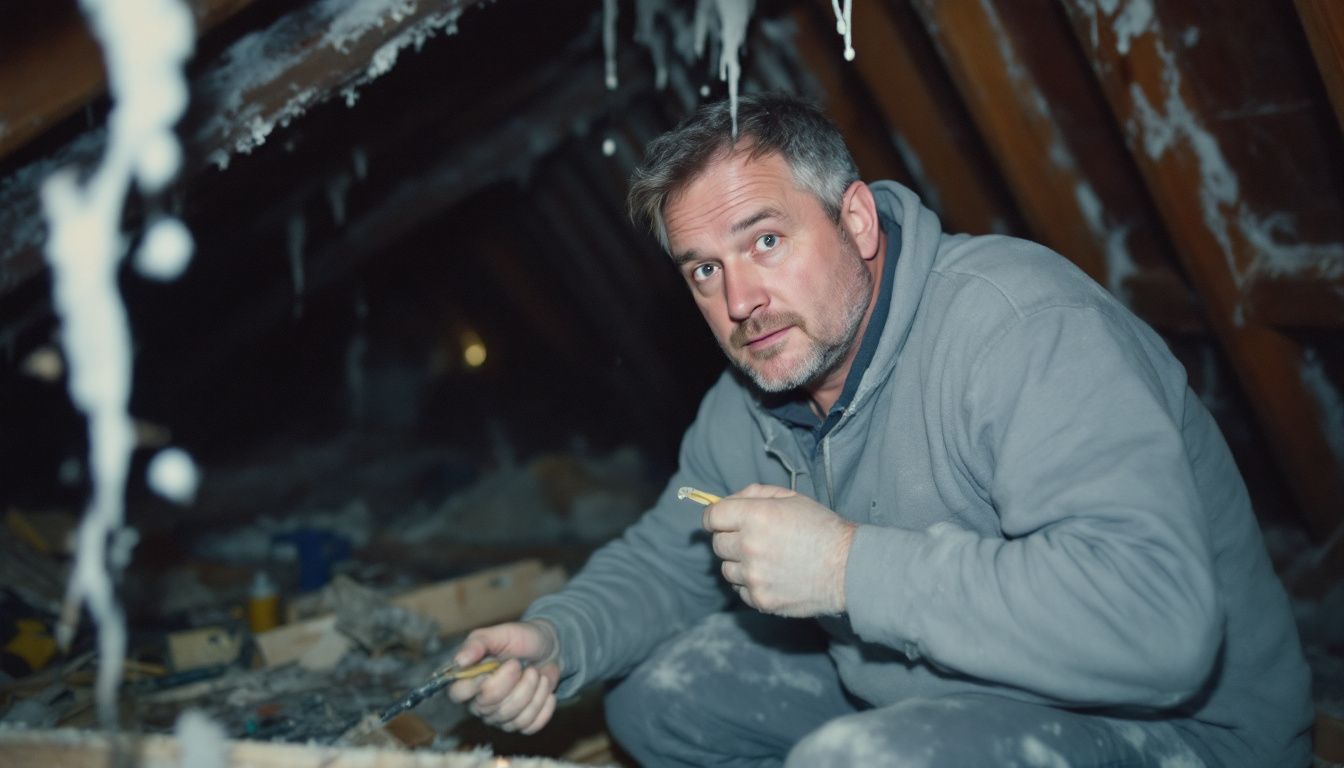
Is Asbestos Abatement Safe? What Every UK Property Owner Must Understand
Asbestos abatement is safe — but only when carried out by trained, licensed professionals following the full requirements of UK law. That single qualification changes everything. When abatement is rushed, poorly planned, or attempted without the right equipment and expertise, it becomes one of the most hazardous activities that can take place inside any building.
Asbestos-related diseases remain the leading cause of work-related deaths in the UK. The fibres are invisible, odourless, and cause no immediate symptoms whatsoever. You can feel completely fine while inhaling fibres that will cause irreversible lung damage decades later. That delayed consequence is precisely what makes improper abatement so dangerous — and why understanding what safe abatement actually looks like matters so much.
What Is Asbestos Abatement?
Asbestos abatement refers to any action taken to reduce or eliminate the risk posed by asbestos-containing materials (ACMs) in a building. It is an umbrella term covering several different approaches, depending on the condition, type, and location of the material involved.
Encapsulation
Rather than removing asbestos, encapsulation involves sealing it with a specialist coating that prevents fibres from being released into the air. This is often the preferred option when asbestos is in good condition and is unlikely to be disturbed during normal building use. Done properly, it is highly effective and far less disruptive than full removal.
Enclosure
Enclosure means constructing a physical barrier around the asbestos-containing material — for example, boxing in asbestos ceiling tiles or pipe lagging. This approach is only appropriate when the material is undamaged and the enclosure is properly built and maintained over time.
Full Removal
Full removal is required when asbestos is damaged, deteriorating, or when refurbishment or demolition work is planned. This is the highest-risk activity and must be carried out by licensed contractors for most types of asbestos. All removed material must be double-bagged in UN-approved sacks, clearly labelled, and transported to a licensed waste facility — without exception.
Is Asbestos Abatement Safe When Professionals Handle It?
Yes. Professional asbestos abatement, conducted by licensed contractors following HSE guidance, is safe. The UK has a robust regulatory framework governing every stage of the process, and reputable contractors follow it without shortcuts.
The Control of Asbestos Regulations sets out clear legal duties for anyone working with asbestos. Licensed contractors must hold a licence issued by the HSE, which is only granted to companies that can demonstrate competence, proper training, and appropriate equipment. They are subject to regular audits and must notify the HSE before starting notifiable licensed work.
Safe professional abatement involves all of the following:
- A thorough management survey or refurbishment survey to identify all ACMs before any work begins
- Full containment of the work area using negative pressure enclosures
- Operatives wearing appropriate respiratory protective equipment (RPE) — typically FFP3 masks or powered air-purifying respirators, each fit-tested to the individual wearer
- Wetting of materials during removal to suppress fibre release
- Air monitoring throughout and after the work
- A four-stage clearance procedure before the area is released for reoccupation
- Proper disposal of all waste in accordance with hazardous waste regulations
When these steps are followed without compromise, professional asbestos abatement is not only safe — it is the only legally compliant way to deal with most types of asbestos in UK buildings.
Why DIY Asbestos Abatement Is Not Safe
If you are asking whether asbestos abatement is safe to attempt yourself, the answer is an unequivocal no. DIY removal of most types of asbestos is illegal in the UK, and the reasons go well beyond legal technicality.
You Cannot See the Risk
Asbestos fibres are microscopic. You cannot see them floating in the air, you cannot smell them, and you will not cough or splutter when you inhale them. This creates a false sense of security that leads people to badly underestimate the danger.
By the time symptoms of asbestos-related disease appear — often 20 to 50 years after exposure — the damage is already done and irreversible. There is no medical intervention that can undo it.
Standard PPE Offers No Real Protection
A dust mask purchased from a hardware shop provides essentially no protection against asbestos fibres. The fibres are fine enough to pass straight through standard filter materials. Professional contractors use specialist RPE that is fit-tested to the individual wearer, combined with disposable coveralls, gloves, and boot covers that are disposed of as contaminated waste after each use.
This equipment is not available over the counter, and it requires proper training to use correctly. Wearing the wrong mask while disturbing asbestos may feel protective — it is not.
Containment Is Extremely Difficult Without Training
One of the most critical aspects of safe abatement is preventing fibres from spreading beyond the immediate work area. Professionals use negative pressure enclosures — sealed plastic sheeting systems with air extraction units that ensure any airborne fibres are drawn into HEPA filters rather than escaping into the rest of the building.
Without this containment, fibres released during removal will spread throughout your home or workplace, contaminating carpets, furniture, ventilation systems, and clothing. Cleaning up after that level of contamination is costly, complex, and requires specialist contractors.
Disposal Is a Legal Minefield
Asbestos waste is classified as hazardous waste under UK law. It must be double-bagged in UN-approved sacks, clearly labelled, and transported only to a licensed waste facility. You cannot put it in a skip, take it to a household recycling centre, or dispose of it in general waste.
Doing so is a criminal offence that can result in prosecution, significant fines, and — in serious cases — imprisonment. Enforcement authorities take illegal asbestos disposal seriously, and the penalties reflect that.
The Health Consequences of Improper Asbestos Abatement
The diseases caused by asbestos exposure are serious, progressive, and incurable. Understanding what is at stake is essential to appreciating why safe abatement is non-negotiable.
Mesothelioma
Mesothelioma is a cancer of the lining of the lungs — or, less commonly, the abdomen — caused almost exclusively by asbestos exposure. It has a latency period typically ranging from 30 to 50 years, and by the time it is diagnosed, it is almost always terminal. There is no cure.
Asbestos-Related Lung Cancer
Asbestos exposure significantly increases the risk of lung cancer, particularly in people who also smoke. As with mesothelioma, symptoms may not appear until decades after exposure, and the prognosis is often poor by the time a diagnosis is made.
Asbestosis
Asbestosis is a chronic scarring of the lung tissue caused by inhaling asbestos fibres over time. It causes progressive breathlessness, chest tightness, and a persistent cough. It is not curable, and sufferers experience a steadily declining quality of life.
Pleural Conditions
Pleural thickening and pleural plaques are non-cancerous conditions caused by asbestos exposure that result in scarring of the lung lining. While not immediately life-threatening, they cause significant breathing difficulties and indicate past exposure that may lead to more serious conditions over time.
There is no safe level of asbestos exposure. Even a single, brief exposure to high concentrations of fibres can, in theory, trigger disease. This is why professional abatement — with its multiple layers of protection — is the only acceptable approach.
The Legal Framework Governing Asbestos Abatement in the UK
The Control of Asbestos Regulations is the primary legislation governing all asbestos work in the UK. It establishes three categories of work: licensed work, notifiable non-licensed work (NNLW), and non-licensed work. The vast majority of asbestos removal — including work on asbestos insulation, asbestos insulating board, and sprayed coatings — falls into the licensed category.
Licensed work must be carried out by a contractor holding a current HSE asbestos licence. The contractor must notify the relevant enforcing authority at least 14 days before work begins and maintain detailed records of all work carried out.
For property owners and duty holders, the key legal obligation is the duty to manage asbestos under Regulation 4 of the Control of Asbestos Regulations. This applies to all non-domestic premises and requires duty holders to:
- Identify whether ACMs are present through a suitable survey
- Assess the condition and risk of those materials
- Produce and maintain an asbestos management plan
- Share information about ACMs with anyone who may disturb them
- Arrange for the management plan to be reviewed and acted upon regularly
Failure to comply with the duty to manage is a criminal offence. The HSE can issue improvement notices, prohibition notices, and prosecute duty holders. Fines can be unlimited in the Crown Court, and custodial sentences are possible in serious cases.
Domestic property owners have fewer statutory duties, but they are still prohibited from carrying out licensed asbestos work themselves and from disposing of asbestos waste illegally.
The Role of Asbestos Surveys in Safe Abatement
Safe abatement begins long before any removal work takes place. You cannot manage or remove asbestos safely if you do not know where it is, what type it is, and what condition it is in. Professional asbestos surveying is where that process starts.
Management Surveys
A management survey is the standard survey required for occupied non-domestic buildings. It identifies ACMs that could be disturbed during normal occupation or routine maintenance, assesses their condition, and produces a register that forms the basis of your asbestos management plan.
If you own or manage a commercial property, school, or public building built before 2000, you need one. It is not optional — it is a legal requirement under the duty to manage.
Refurbishment and Demolition Surveys
Before any refurbishment, renovation, or demolition work, a more intrusive survey is required. A refurbishment survey involves accessing all areas that will be affected by the planned work, including within walls, floors, and ceilings. It must be completed before contractors begin work — not during or after.
Where a building is being fully demolished, a demolition survey is required. This is the most intrusive type of survey and must identify every ACM in the structure before demolition begins.
HSG264, the HSE’s guidance document on asbestos surveying, sets out the standards that surveys must meet. Reputable surveyors follow this guidance and hold appropriate qualifications — typically through BOHS or a UKAS-accredited body.
Asbestos Testing
Where materials are suspected but not confirmed as containing asbestos, asbestos testing of samples in an accredited laboratory provides definitive identification. Not everything that looks like asbestos contains it, and not everything that looks innocuous is safe.
Laboratory analysis removes the guesswork and informs the correct course of action. If you are unsure whether materials in your property contain asbestos, professional asbestos testing is the only reliable way to find out. Do not attempt to take samples yourself — sampling ACMs without proper controls can release fibres and put you and others at risk.
Choosing a Safe, Compliant Asbestos Abatement Contractor
Not all contractors are equal. When selecting someone to carry out asbestos abatement, verify the following before any work begins:
- HSE licence: Check the contractor holds a current HSE asbestos removal licence. The HSE publishes a register of licensed contractors that is publicly accessible online.
- Insurance: Confirm the contractor holds adequate public liability and employer’s liability insurance for asbestos work specifically.
- Method statement and risk assessment: A reputable contractor will provide a written method statement and risk assessment before starting. If they cannot or will not, walk away.
- Air monitoring: Ask whether independent air monitoring will be carried out. This should be conducted by a separate body from the contractor doing the removal.
- Clearance certificate: After work is complete, you should receive a clearance certificate confirming the area has passed the four-stage clearance procedure and is safe to reoccupy.
- Waste transfer notes: The contractor must provide documentation confirming that all asbestos waste has been transferred to a licensed facility. Keep these records.
Any contractor who suggests cutting corners on any of the above — or who offers a price that seems implausibly low — should be treated with serious caution. The cheapest quote is rarely the safest option when it comes to asbestos removal.
What to Do If You Suspect Asbestos in Your Property
If you suspect asbestos-containing materials in your property, the most important thing you can do immediately is leave the material alone. Do not drill, sand, cut, or disturb it in any way. If it is in good condition and not being disturbed, it poses minimal risk in the short term.
Your next steps should be:
- Arrange a professional survey. A qualified surveyor will identify what is present, what type it is, and what condition it is in. This is the foundation of any safe abatement plan.
- Get laboratory testing carried out. If materials are suspected but unconfirmed, samples should be taken by a professional and sent to an accredited laboratory for analysis.
- Follow the surveyor’s recommendations. Depending on the findings, the appropriate response may be encapsulation, enclosure, or full removal — and the surveyor’s report will guide that decision.
- Engage a licensed contractor for any removal work. Do not attempt removal yourself. Do not ask a general builder to do it. Only a licensed contractor is legally permitted to remove most types of asbestos.
- Keep records. Maintain copies of all survey reports, testing results, contractor documentation, and waste transfer notes. These are legally required for non-domestic premises and will be essential if you ever sell or refurbish the property.
Supernova Asbestos Surveys operates across the UK, providing surveys, testing, and removal services to residential and commercial clients. Whether you need an asbestos survey in London, an asbestos survey in Manchester, or an asbestos survey in Birmingham, our qualified surveyors are available to help you manage the risk correctly and legally.
Frequently Asked Questions
Is asbestos abatement safe for the occupants of a building?
When carried out by a licensed contractor following the full requirements of the Control of Asbestos Regulations, asbestos abatement is safe for building occupants. The work area is fully contained using negative pressure enclosures, and occupants are kept well away from the work zone throughout. A four-stage clearance procedure must be completed and passed before any area is released for reoccupation, confirming that airborne fibre levels are within safe limits.
Can I remove asbestos myself in the UK?
For most types of asbestos — including asbestos insulation, asbestos insulating board, and sprayed coatings — DIY removal is illegal. These materials fall into the licensed work category under the Control of Asbestos Regulations, and only contractors holding a current HSE asbestos licence may carry out the work. Attempting DIY removal exposes you to serious health risks, criminal liability for illegal disposal, and potential prosecution for carrying out unlicensed work.
How do I know if a material in my property contains asbestos?
The only reliable way to confirm whether a material contains asbestos is through laboratory analysis of a sample taken by a trained professional. Visual inspection alone cannot confirm or rule out asbestos. A professional asbestos survey will identify suspect materials, and samples can then be sent to a UKAS-accredited laboratory for definitive analysis. Do not attempt to take samples yourself, as disturbing ACMs without proper controls can release fibres.
What is the difference between asbestos abatement and asbestos removal?
Asbestos abatement is the broader term covering all methods of managing or eliminating the risk from asbestos-containing materials. This includes encapsulation, enclosure, and full removal. Asbestos removal is one specific form of abatement — the physical extraction of ACMs from a building. Removal is not always the first or best option; in many cases, encapsulation or enclosure is the safer and more cost-effective approach, provided the material is in good condition.
Do I need an asbestos survey before refurbishment work?
Yes. Before any refurbishment or renovation work, a refurbishment survey is legally required. This is a more intrusive survey than a standard management survey and must be completed before contractors begin work on the affected areas. Starting refurbishment without a survey is a criminal offence under the Control of Asbestos Regulations and puts both workers and occupants at serious risk. HSG264 sets out the standards that all asbestos surveys must meet.
Get Expert Help Today
If you need professional advice on asbestos in your property, our team of qualified surveyors is ready to help. With over 50,000 surveys completed across the UK, Supernova Asbestos Surveys delivers clear, actionable reports you can rely on.
Call us on 020 4586 0680 or visit asbestos-surveys.org.uk for a free, no-obligation quote.