Which Vehicle Parts Are Likely to Contain Asbestos If They Were Made Before 1981? Brake Pads, Bumpers, Radiators, Tailpipes and More
If you own, restore, or work on a vehicle built before 1981, there is a very real chance you are handling asbestos-containing components right now. This is not a historical footnote — it is an active health hazard that catches mechanics, classic car restorers, and DIY enthusiasts completely off guard. Knowing which vehicle parts are likely to contain asbestos if they were made before 1981, including brake pads, bumpers, radiators, and tailpipes, could genuinely protect your health and the health of everyone around you.
Asbestos was the automotive industry’s material of choice for decades. It was cheap, abundant, extraordinarily heat-resistant, and mechanically tough. By the time manufacturers fully understood the catastrophic health consequences, millions of vehicles containing asbestos components had already left production lines. Many of those vehicles — and their parts — are still in circulation today.
Why Asbestos Was So Widely Used in Vehicle Manufacturing
To appreciate the scale of the problem, you need to understand why asbestos seemed so attractive to vehicle manufacturers in the first place. Chrysotile asbestos, commonly known as white asbestos, was the variety most widely used in automotive applications. Its fibres could be woven, compressed, and bonded into composite materials capable of withstanding extreme friction, heat, and chemical exposure.
Vehicles generate enormous amounts of heat during normal operation. Braking systems, exhaust systems, engine compartments, and transmission components all operate at temperatures that would destroy many ordinary materials. Asbestos handled all of this with ease, which is precisely why it ended up integrated into so many different parts of a vehicle.
The UK banned asbestos in automotive parts as part of its broader national prohibition, with a complete ban taking full effect in 1999. But vehicles manufactured before that ban — and especially those built before 1981 — are highly likely to contain asbestos in multiple locations. The earlier the vehicle, the greater the likelihood of asbestos being present across a wide range of components.
Which Vehicle Parts Are Likely to Contain Asbestos If They Were Made Before 1981?
The list is considerably longer than most people expect. Asbestos was not confined to one or two components — it was integrated throughout the vehicle from front to rear. Here is a thorough breakdown of the parts most likely to be affected.
Brake Pads and Brake Linings
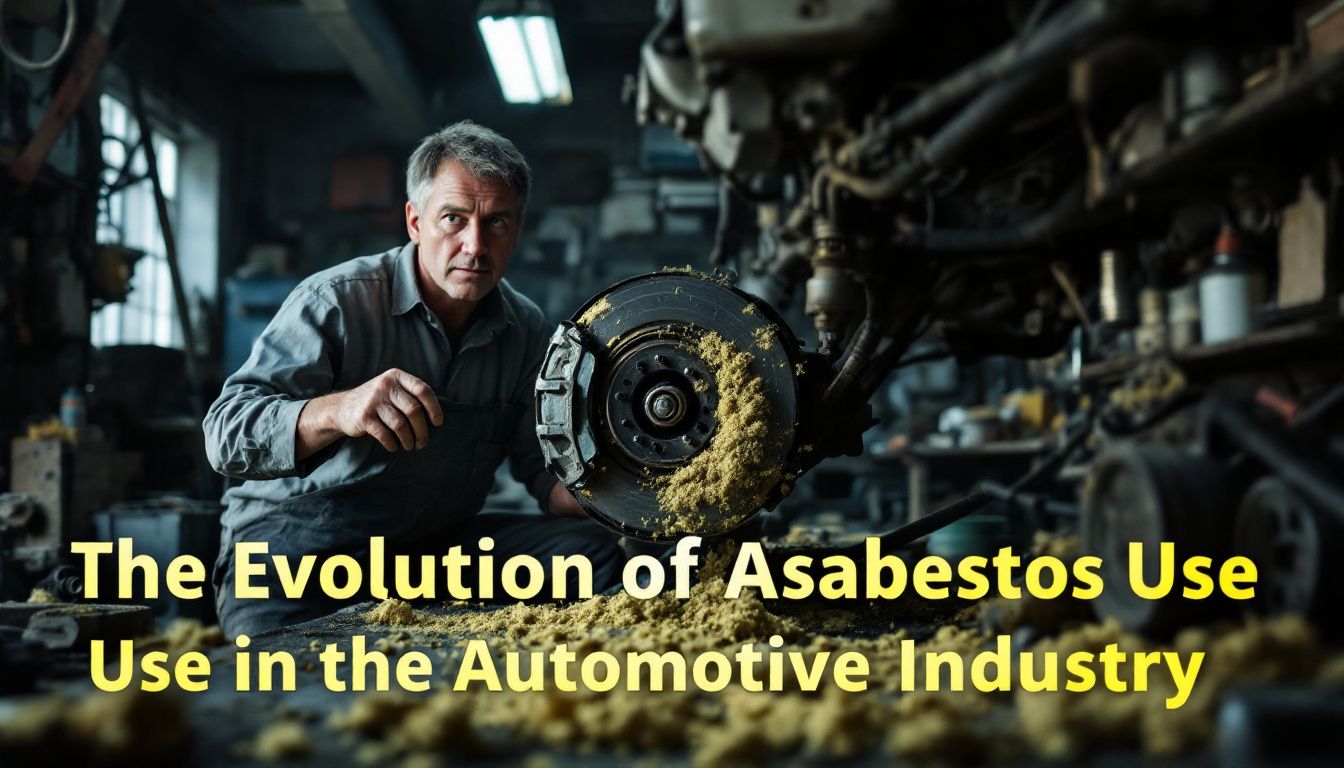
Brake pads and linings are the components most commonly associated with automotive asbestos, and for very good reason. The material was ideal for managing the intense, repeated heat generated during braking, and asbestos content in brake linings was often substantial — sometimes making up more than half the material by weight.
Both disc brakes and drum brakes used asbestos-containing friction materials. When these components wear down — which they are designed to do — they release fine dust. In older vehicles, that dust contains asbestos fibres. Mechanics who blow out brake assemblies with compressed air, or who sweep up brake dust without proper protection, face the highest exposure risk of anyone working in vehicle maintenance.
Clutch Facings and Clutch Plates
Clutch components experience intense friction every time the driver changes gear. Asbestos was embedded in clutch facings to handle this pressure and prevent overheating during power transfer from the engine to the drivetrain.
Any vehicle with a manual gearbox made before 1981 should be treated as potentially containing asbestos clutch components until confirmed otherwise. Replacing a clutch on an older vehicle without proper precautions is a significant exposure risk.
Engine Gaskets and Exhaust Manifold Gaskets
Engine gaskets, exhaust manifold gaskets, and cylinder head gaskets all relied heavily on asbestos. These components needed to create airtight seals under extreme temperature and pressure, and asbestos-reinforced gaskets were used throughout the engine bay and exhaust system.
Disturbing these gaskets during engine work — scraping them off mating surfaces, for example — releases fibres directly into the breathing zone of whoever is doing the work. This is a particularly insidious risk because gasket replacement is considered routine maintenance, and many people carry it out without any awareness that asbestos may be involved.
Heat Shields and Thermal Insulation
Asbestos was used extensively as thermal insulation throughout older vehicles. Heat shields protecting the passenger compartment from exhaust heat, insulation wrapping around pipes and cables, and fireproofing materials in the engine bay all frequently contained asbestos.
This insulation can deteriorate over time, releasing fibres even when the vehicle is not being actively worked on. A classic car sitting in a garage may be slowly shedding asbestos fibres from degraded insulation materials — something that is easy to overlook.
Tailpipes and Exhaust System Components
Exhaust systems run at extremely high temperatures, and manufacturers used asbestos-containing materials in various exhaust components. Tailpipes, silencers (mufflers), and the joints between exhaust sections often incorporated asbestos gaskets, wrapping, or insulation.
When exhaust components are cut, removed, or replaced on older vehicles, asbestos exposure is a genuine risk. This is particularly relevant for mechanics who regularly work on classic vehicles, as exhaust replacement is one of the most common jobs on older cars and vans.
Radiators and Cooling System Components
Radiator components and associated seals in older vehicles sometimes incorporated asbestos materials. The gaskets and seals used in cooling system connections — particularly around the engine block and cylinder head — frequently contained asbestos.
Anyone draining and flushing an old cooling system, or replacing radiator hoses and associated sealing components, should be aware of this possibility. Even what seems like a straightforward maintenance task on an older vehicle can involve asbestos-containing materials.
Bumpers and Body Components
This surprises many people, but asbestos was used in certain body components of older vehicles, including some bumpers and body filler materials. Asbestos fibres were sometimes added to body compounds and underseal products to improve their durability and heat resistance.
Sanding, grinding, or cutting these materials releases fibres into the air. Classic car restorers who sand back old body filler or strip underseal are potentially exposing themselves to asbestos without realising it — and without any of the protective measures that a professional asbestos contractor would use as standard.
Spark Plug Gaskets and Engine Seals
Even smaller components like spark plug gaskets and various engine seals used asbestos-containing materials. These are frequently overlooked because they seem insignificant, but disturbing them during routine engine maintenance can still release fibres into the air.
The fact that a component is small does not mean the exposure risk is negligible. Repeated low-level exposures over time carry their own serious health implications.
Adhesives, Bonding Compounds, and Interior Materials
Various adhesives and bonding compounds used in vehicle assembly contained asbestos fibres to improve their strength and heat resistance. These can be found in unexpected locations throughout older vehicles, including around trim, interior panels, and beneath carpeting.
Floor coverings and headlining materials in some older vehicles also contained asbestos. A full interior restoration of a pre-1981 vehicle should therefore be approached with the same caution as any other asbestos-related work.
Who Is Most at Risk from Automotive Asbestos?
The health risks from automotive asbestos are not theoretical. Exposure to asbestos fibres causes serious, life-limiting diseases including mesothelioma, lung cancer, and asbestosis. These diseases typically take decades to develop after initial exposure, which means people who worked on older vehicles in the 1970s and 1980s may only now be experiencing symptoms.
The occupations and activities carrying the highest risk include:
- Vehicle mechanics — particularly those specialising in brakes, clutches, and exhaust systems on older vehicles
- Classic car restorers — who regularly work on vehicles from the pre-1981 era across multiple component types
- Auto body technicians — who sand, grind, and cut older body materials as part of restoration work
- Diesel technicians — working on older heavy goods vehicles and plant machinery
- Assembly line workers — who handled asbestos-containing materials during vehicle production
- DIY mechanics — who work on classic or vintage vehicles without professional training in asbestos awareness
It is also worth noting that workers can carry asbestos fibres home on their clothing, potentially exposing family members. This secondary exposure is well-documented and should not be underestimated. If you work on older vehicles regularly, changing your clothing and washing thoroughly before returning home is a basic but important precaution.
Safe Handling Practices When Working on Pre-1981 Vehicles
If you are working on a vehicle built before 1981, the safest approach is to assume asbestos is present until you have evidence to the contrary. Responsible handling looks like this:
- Never use compressed air to blow out brake assemblies or other components — this disperses fibres directly into the air and into your breathing zone.
- Avoid dry sweeping — use wet methods or a HEPA-filtered vacuum to collect dust and debris from work areas.
- Use wet cleaning methods wherever possible to suppress dust generation during work.
- Wear appropriate RPE (Respiratory Protective Equipment) — a standard dust mask offers no meaningful protection against asbestos fibres.
- Dispose of waste correctly — asbestos-containing waste must be placed in sealed, clearly labelled bags and disposed of following the requirements set out in the Control of Asbestos Regulations.
- Use pre-ground replacement parts where available, rather than grinding or cutting parts yourself on-site.
- Seek professional asbestos testing if you are unsure whether a component contains asbestos before disturbing it.
For professional asbestos removal from vehicles or vehicle-related environments, always use a licensed contractor. Attempting to remove asbestos-containing automotive components without the right training, equipment, and legal authorisation puts you and everyone nearby at serious risk.
What UK Law Says About Asbestos in the Workplace
In the UK, the Control of Asbestos Regulations set out clear legal duties for managing and working with asbestos. While these regulations are most commonly discussed in the context of buildings, they apply equally to any situation where asbestos-containing materials are likely to be disturbed — and that absolutely includes vehicle maintenance and restoration work.
The HSE’s guidance document HSG264 provides detailed practical advice on asbestos surveys and risk assessment. The principles it establishes — identifying asbestos-containing materials before work begins, assessing the risk, and implementing appropriate controls — apply whether you are working on a building or a classic car.
Employers who operate vehicle maintenance facilities have a legal duty to protect their workers from asbestos exposure. This includes providing adequate training, supplying appropriate protective equipment, and ensuring that any asbestos-containing materials encountered are handled in accordance with the regulations. Failure to do so is not simply a regulatory oversight — it is a criminal matter.
If you operate a commercial garage or workshop and need a professional assessment, our asbestos survey London service covers commercial and industrial premises throughout the capital. We also provide an asbestos survey Manchester service and an asbestos survey Birmingham service for businesses across the Midlands and the North.
Imported and Aftermarket Parts: A Continuing Risk
The risk from automotive asbestos does not begin and end with vehicles manufactured before 1981. There is a documented and ongoing problem with imported aftermarket vehicle parts containing asbestos, even in relatively recent years.
Brake pads, gaskets, and clutch components manufactured in countries with less stringent regulations have been found to contain asbestos when tested. This means that even if you are working on a newer vehicle, fitting budget aftermarket parts sourced from outside the EU could potentially expose you to asbestos.
The safest approach is to source replacement parts from reputable UK and EU-based suppliers who can confirm compliance with current regulations. If you are fitting parts to a pre-1981 vehicle and are unsure of their composition, professional asbestos testing is available and can provide definitive answers before any disturbance takes place.
What Has Replaced Asbestos in Modern Vehicle Parts?
The automotive industry has successfully developed effective alternatives to asbestos across all the applications described above. Understanding what has replaced asbestos helps you make informed choices when sourcing parts for older vehicles.
Ceramic Brake Pads
Ceramic composite materials now dominate the premium brake pad market. They offer excellent heat resistance, low dust production, and long service life without any of the health risks associated with asbestos. For older vehicles being restored or maintained, ceramic pads are available in many fitments.
Organic and Semi-Metallic Friction Materials
Organic friction materials — using rubber, fibres such as Kevlar, and other compounds — are widely used in brake pads and clutch facings. Semi-metallic compounds blend metal particles with resin binders to achieve the necessary friction and heat resistance properties without any reliance on asbestos.
Advanced Polymer and Composite Gaskets
Modern gaskets use advanced polymer materials, multi-layer steel (MLS) construction, and composite fibre technologies to achieve the sealing performance that asbestos once provided. These materials are now standard across the industry and perform reliably across the full range of operating temperatures encountered in modern and classic vehicle engines.
Synthetic Thermal Insulation
Heat shields and thermal insulation in modern vehicles use ceramic blankets, fibreglass composites, and specialised polymer foams. These materials provide equivalent or superior thermal protection without the health risks, and they are widely available as aftermarket products for older vehicles.
Practical Steps for Classic Car Owners and Restorers
If you own or are restoring a pre-1981 vehicle, here is a practical framework for managing the asbestos risk sensibly:
- Research your vehicle — find out which components on your specific make and model are known to contain asbestos. Owners’ clubs and specialist restorers are often a good source of model-specific knowledge.
- Do not disturb suspect materials unnecessarily — if a component is intact and not causing a problem, leaving it in place may be safer than removing it.
- Get suspect components tested before working on them — professional testing removes uncertainty and allows you to plan work appropriately.
- Use appropriate PPE — if you must work near potentially asbestos-containing materials, use properly fitted respiratory protective equipment rated for asbestos fibres.
- Engage licensed professionals for removal — if asbestos-containing components need to come out, use a licensed asbestos removal contractor rather than attempting the work yourself.
- Keep records — if you have components tested or professionally removed, keep the documentation. This is valuable information for anyone who works on the vehicle in future.
Frequently Asked Questions
Which vehicle parts are most likely to contain asbestos if they were made before 1981?
The parts most commonly containing asbestos in pre-1981 vehicles include brake pads and linings, clutch facings, engine and exhaust gaskets, heat shields, tailpipes, silencers, radiator seals, certain bumper and body filler materials, spark plug gaskets, and various adhesives used in interior trim. Asbestos was used so widely in vehicle manufacturing that it is safer to assume it may be present in multiple locations rather than limiting your concern to one or two components.
Is it safe to work on the brakes of a classic car without specialist equipment?
No. Brake dust from pre-1981 vehicles is highly likely to contain asbestos fibres, and disturbing brake components without proper respiratory protective equipment and wet-cleaning methods carries a genuine health risk. Never blow out brake assemblies with compressed air. If you are not trained in working with asbestos-containing materials, seek professional assistance before undertaking brake work on older vehicles.
Can I get vehicle components tested for asbestos?
Yes. Professional asbestos testing can confirm whether a specific component contains asbestos before you disturb it. This is particularly valuable when working on vehicles of unknown history, or when fitting aftermarket parts sourced from outside the UK and EU. Testing provides certainty and allows you to plan work safely and legally.
Do the Control of Asbestos Regulations apply to vehicle maintenance workshops?
Yes. The Control of Asbestos Regulations apply to any workplace situation where asbestos-containing materials are likely to be disturbed, including vehicle maintenance and restoration facilities. Employers operating garages and workshops have a legal duty to assess the risk, provide appropriate training and protective equipment, and ensure that any asbestos encountered is handled correctly. The HSE’s HSG264 guidance provides a practical framework for risk assessment and management.
Are new aftermarket brake pads and gaskets safe to use?
Parts manufactured by reputable UK and EU-based suppliers and compliant with current regulations should not contain asbestos. However, there is a documented risk with budget aftermarket parts imported from countries with less stringent regulations, where asbestos has been found in brake pads, gaskets, and clutch components. Always source replacement parts from established suppliers who can confirm regulatory compliance, and consider professional testing if you have any doubt about a component’s composition.
At Supernova Asbestos Surveys, we have completed over 50,000 surveys across the UK and have the expertise to help you manage asbestos risk in commercial garages, workshops, restoration facilities, and any other premises where older vehicles are worked on. Whether you need a survey, testing, or advice on managing asbestos-containing materials, our team is ready to help.
Call us on 020 4586 0680 or visit asbestos-surveys.org.uk to find out more about our services and book your survey today.