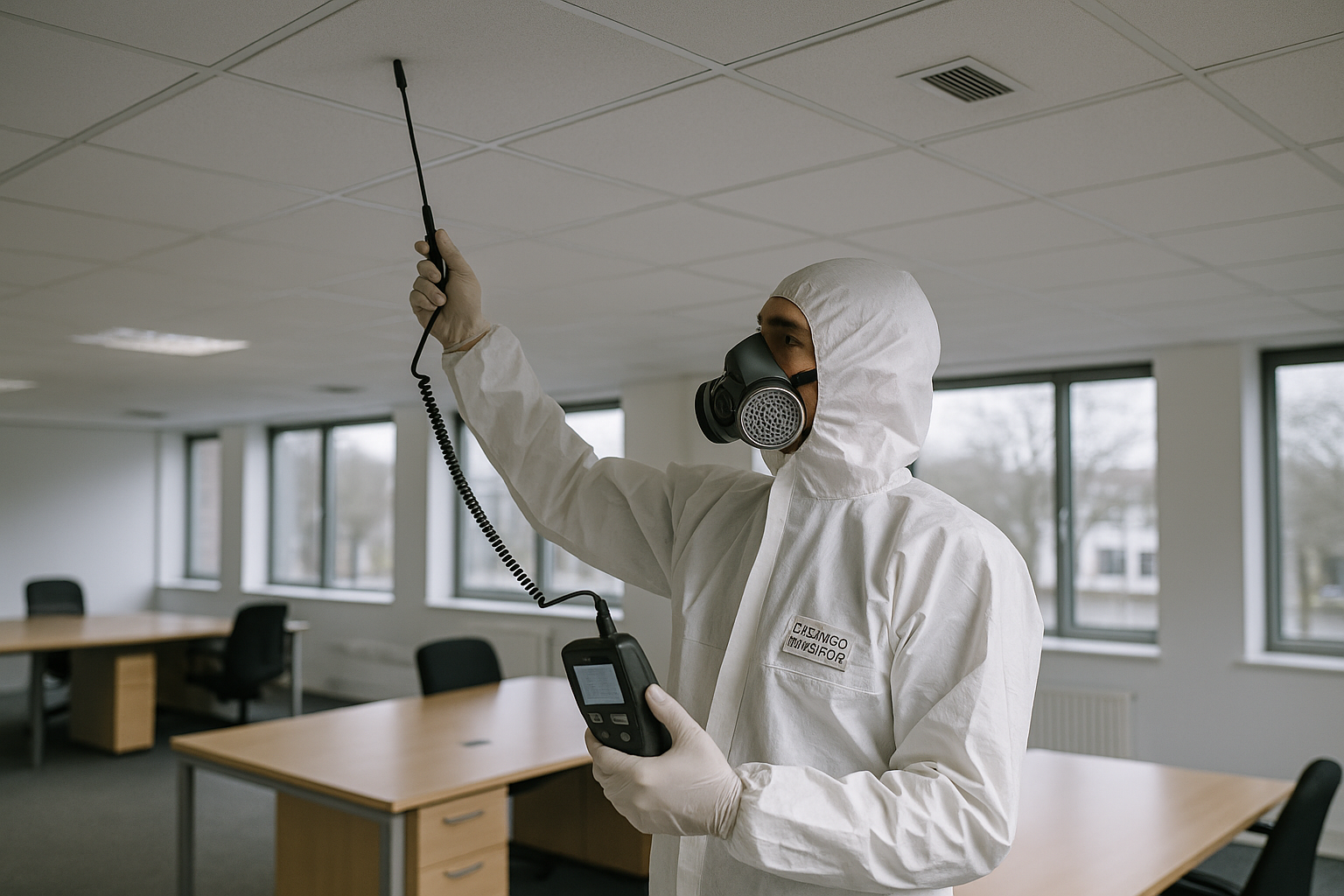
Asbestos in house materials is rarely obvious until somebody drills, sands, strips out or breaks into the wrong surface. A tidy ceiling, an old garage roof or a boxed-in pipe can all look harmless, yet disturbance can turn a hidden issue into a serious health risk very quickly.
That is why homeowners, landlords and property managers need a practical approach. If a property was built or refurbished when asbestos-containing materials were still commonly used, the safest assumption is not that it is present everywhere, but that it could be present until a competent surveyor confirms otherwise.
Why asbestos in house materials still matters
Asbestos was used widely in UK homes because it offered heat resistance, strength, insulation and durability. Those qualities made it useful in everything from cement sheets and insulation boards to textured coatings, floor tiles and pipe insulation.
The danger is not simply the presence of asbestos in house materials. The real risk begins when fibres are released through damage, wear, drilling, cutting, sanding or poor removal methods.
You cannot see, smell or taste airborne asbestos fibres. That is why identifying suspect materials before maintenance, refurbishment or repair work starts is so important.
- Do not assume a solid-looking material is safe
- Do not rely on appearance alone to identify asbestos
- Do not start intrusive work until the area has been properly assessed
Surveyors inspect properties in line with HSE guidance and the principles set out in HSG264. The aim is to locate suspect materials, assess their condition and recommend the right next step, whether that is management, encapsulation, repair or removal.
What asbestos is and why it was used in homes
Asbestos is a group of naturally occurring minerals made up of microscopic fibres. Those fibres were added to building products because they improved fire resistance, thermal performance and strength.
In domestic settings, asbestos turned up in far more places than most people expect. It was used in structural products, decorative finishes, service ducts, heating systems and everyday fittings, which is why asbestos in house settings can be obvious in one room and completely hidden in another.
Why it became such a common building material
Builders and manufacturers favoured asbestos because it was versatile and long-lasting. It could reinforce cement, improve insulation, reduce fire spread and cope with heat around boilers, pipes and electrical equipment.
That historic use explains why older houses, flats, maisonettes, garages and outbuildings may still contain asbestos today. Even homes that have been modernised several times can still conceal original asbestos-containing materials behind newer surfaces.
Where asbestos in house settings is commonly found
When people think about asbestos in house materials, they often picture one item such as a garage roof. In reality, asbestos was used across the building envelope and inside many internal components.
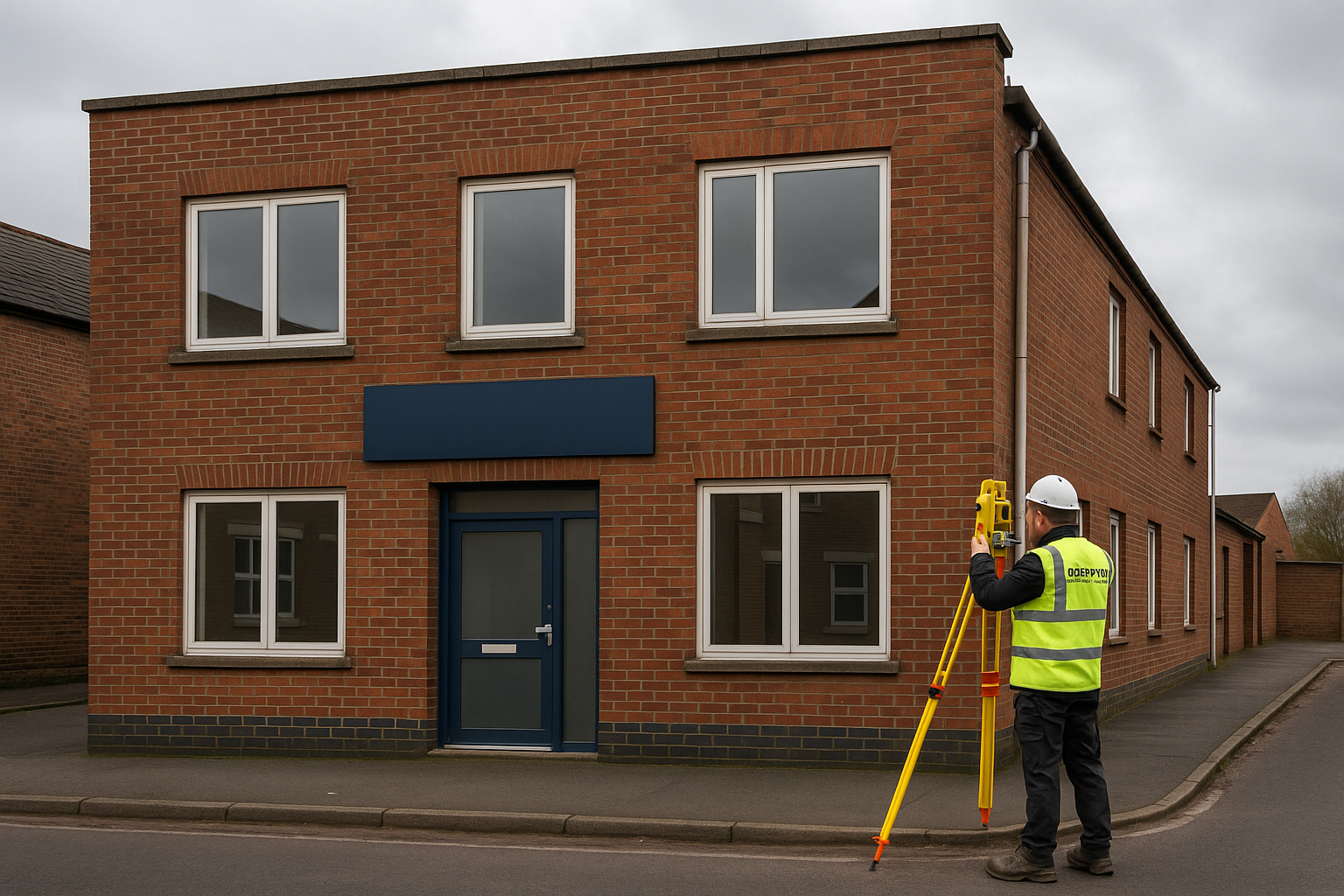
Roofs, garages and outside structures
Garages and outbuildings are among the most common domestic asbestos locations. Corrugated cement roof sheets, wall cladding, soffits, fascias, flues, rainwater goods and some water tanks were often made with asbestos cement.
Asbestos cement is generally lower risk than more friable materials, but it is not risk-free if mishandled. Cutting, drilling, smashing or pressure washing old sheets can release fibres.
- Never saw or break old garage roofing sheets
- Do not pressure wash suspect cement products
- Get external materials checked before repair or replacement
Textured coatings on walls and ceilings
Textured decorative coatings may contain asbestos. Many owners only discover the issue when they try to scrape, sand or drill into ceilings and walls during redecoration.
If the coating is intact and painted, the immediate risk is often low. The problem starts when somebody removes it aggressively or carries out installation work for lights, speakers, alarms or cabling.
Flooring and adhesives
Older vinyl floor tiles, thermoplastic tiles, sheet flooring backings and bitumen adhesives can contain asbestos. These materials often look routine, which is why people start lifting them without checking first.
Breaking tiles, grinding adhesive or using heat during removal can disturb fibres. If you are replacing flooring in an older property, stop before lifting anything and get it assessed.
Walls, partitions and ceiling boards
Asbestos insulation board was used in partition walls, ceiling tiles, service risers, boxing, fire protection panels and heater linings. This material is more friable than asbestos cement and can release fibres more easily when damaged.
It may also be found in airing cupboards, understairs enclosures and around older electrical installations. If a board looks old and dense, do not assume it is simply plasterboard.
Heating systems and insulation
Pipe lagging, boiler insulation, rope seals, gaskets and warm-air heating systems can all contain asbestos. These are among the more serious domestic risks because insulation products can be highly friable.
If you see damaged lagging, dusty insulation debris or old boiler cupboard linings, stop work immediately. Do not touch it, sweep it or attempt to bag it yourself.
Doors, panels and fire protection materials
Some older fire doors, meter cupboard linings, fuse board back panels and heat-resistant boards behind fires or stoves may contain asbestos. These materials are easy to miss because they are part of normal fixtures rather than obvious building fabric.
Bathrooms, kitchens and utility areas
Bath panels, toilet cisterns, sink pads, splashbacks, duct panels and airing cupboard linings may all contain asbestos in older properties. Kitchen and bathroom refurbishments often uncover hidden asbestos because original panels and linings sit behind units and appliances.
Less obvious places asbestos may be hiding
Some of the most awkward cases of asbestos in house properties are the hidden ones. A room can look modern while still concealing asbestos behind later refurbishments or inside service voids.
Pay close attention to areas such as:
- Inside boxed-in pipework
- Behind old fuse boxes or meter boards
- Under replacement flooring
- In loft areas around tanks and pipework
- Behind fireplace surrounds
- Within old airing cupboards
- In partition wall infill panels
- On the underside of window boards or soffit linings
- In shed roofs and outbuilding wall sheets
- Around boiler flues and service penetrations
One of the biggest mistakes is assuming asbestos only appears in visibly old or neglected spaces. Surveyors regularly find asbestos in house settings where the décor is modern and the materials have simply been covered over.
Does every older property contain asbestos?
No. Some older homes contain no asbestos at all. Others contain a small amount in one or two materials, while some have several asbestos-containing products across the property.

The age of a building gives you a clue, not a diagnosis. Refurbishment history matters as well. One house may have had asbestos removed years ago, while another may still have original materials hidden behind newer finishes.
You cannot confirm asbestos by sight alone. Many asbestos-containing materials look almost identical to non-asbestos alternatives, which is why sampling and laboratory analysis are often needed.
When asbestos in house materials becomes dangerous
The presence of asbestos does not automatically mean immediate danger. In many homes, the likelihood of harmful exposure is low if the material is sealed, in good condition and left undisturbed.
Risk increases when the material is damaged or likely to be disturbed. That often happens during DIY work, maintenance, leaks, rewiring, kitchen replacements, bathroom upgrades or structural alterations.
Common situations that increase risk
- Drilling walls or ceilings without checking what is behind the surface
- Sanding or scraping textured coatings
- Lifting old floor tiles and adhesives
- Breaking garage roof sheets during removal
- Water damage causing boards or insulation to deteriorate
- Tradespeople working without asbestos information
- Demolition or refurbishment opening hidden voids
If planned work is intrusive, the safest step is to arrange a suitable survey before anything starts. For example, if works are taking place in the capital, booking an asbestos survey London service before refurbishment can prevent delays and avoid unsafe disturbance.
What to do if you suspect asbestos in your home
If you think you have found asbestos in house materials, resist the urge to investigate it yourself. Poking, scraping, snapping off a sample or using a household vacuum can make the situation worse.
Use this process instead:
- Stop work immediately. Put tools down and avoid further disturbance.
- Keep people away. Limit access to the room or affected area.
- Do not clean it up yourself. Avoid sweeping, brushing or vacuuming debris.
- Arrange professional inspection or sampling. A competent asbestos surveyor can assess the material safely.
- Follow the recommendations. The right action may be to manage it, seal it, repair it or remove it.
If accidental disturbance has already happened, keep movement through the area to a minimum. Shut doors if possible and wait for specialist advice before attempting any clean-up.
Can asbestos stay in place?
Yes. Not every case of asbestos in house materials requires removal. Under the Control of Asbestos Regulations, the correct response depends on the type of material, its condition, where it is located and the likelihood of disturbance.
In practical terms, if asbestos is confirmed or strongly suspected but remains in good condition and is unlikely to be disturbed, it may be safer to manage it than remove it straight away.
What management may involve
- Recording the location of the material
- Labelling where appropriate
- Sealing or encapsulating the surface
- Checking its condition periodically
- Informing anyone carrying out work nearby
Removal is more likely to be appropriate where the material is damaged, friable, difficult to protect or directly affected by planned works. If removal is needed, use a specialist provider of asbestos removal services rather than attempting any DIY approach.
Surveys, sampling and why they matter
A survey does more than confirm whether asbestos is present. It helps you make safe decisions before maintenance, refurbishment or demolition starts.
For domestic properties, the right survey depends on what you are planning. If the property is occupied and you need to locate materials that could be disturbed during normal use or routine maintenance, a management approach may be appropriate. If you are planning intrusive work, refurbishment or structural changes, a more intrusive survey is usually needed in the affected area.
Sampling should only be carried out by a competent professional. Breaking off a piece yourself may release fibres and could contaminate the area.
Good reasons to arrange a survey early
- You avoid exposing occupants and tradespeople
- You reduce the chance of project delays
- You can budget properly for any remedial work
- You prevent accidental disturbance during strip-out
- You create a clear record for future maintenance
If you are opening up a property in the North West, arranging an asbestos survey Manchester inspection before walls, ceilings or floors are disturbed is a sensible step. The same applies in the Midlands, where an asbestos survey Birmingham can help keep a refurbishment project compliant and under control.
Practical advice for homeowners, landlords and property managers
Most domestic asbestos problems start with good intentions. A simple decorating job turns into scraping a textured ceiling. A flooring update becomes adhesive grinding. A new light fitting leads to drilling through a suspect board.
A few habits can prevent expensive mistakes and unnecessary exposure.
- Check the age and refurbishment history of the property before starting work
- Warn tradespeople if there is known or suspected asbestos in house materials
- Do not authorise intrusive works without the right survey information
- Keep records of previous sampling, surveys and removal work
- Inspect garages, lofts, cupboards and outbuildings before planning upgrades
- Take water damage seriously where suspect materials are present
Before DIY work
If you are planning to drill, sand, strip, chase walls, replace ceilings or remove old flooring, pause first. In older homes, these are exactly the jobs that disturb hidden asbestos.
If you do not know what the material is, treat it as suspect until proven otherwise.
Before hiring trades
Do not assume every contractor will identify asbestos on sight. Many materials are easy to misjudge, especially when they are painted over, boxed in or partly concealed.
Give contractors any existing asbestos information before they quote or start. That helps them plan safely and reduces the risk of work stopping halfway through.
During refurbishment
Refurbishment is one of the most common points at which asbestos in house materials is discovered. Kitchens, bathrooms, rewires, heating upgrades and loft conversions often open up areas that have not been disturbed for decades.
The practical answer is simple: survey first, strip out second. That sequence protects people and prevents avoidable contamination.
Common mistakes to avoid
When asbestos is suspected, poor decisions often create more risk than the material itself. These are the mistakes surveyors see most often in domestic properties:
- Assuming a material is safe because it looks modern
- Taking a sample without proper controls
- Using a household vacuum on debris
- Breaking asbestos cement sheets into smaller pieces for disposal
- Letting multiple trades work in an area before asbestos checks are done
- Ignoring minor damage because the material has been there for years
- Starting demolition or strip-out without the correct survey
If you avoid those errors, you cut the chance of accidental exposure dramatically.
How asbestos is assessed by professionals
A competent surveyor does not guess. They inspect the property methodically, identify suspect asbestos in house materials, assess accessibility, note condition and, where appropriate, take samples for laboratory analysis.
The findings are then recorded clearly so you can act on them. That may mean leaving the material in place and managing it, sealing it, repairing local damage or arranging licensed work where required.
The key point is that decisions should be based on evidence, not assumptions. That is exactly what HSE guidance and HSG264 are designed to support.
When removal is the right option
Removal is not always necessary, but sometimes it is the safest and most practical route. That is usually the case where asbestos in house materials are damaged, deteriorating, highly friable or directly in the path of planned refurbishment works.
Removal may also be appropriate where the material cannot realistically be protected from future disturbance. For example, asbestos insulation board in a kitchen being stripped back to the structure is a very different risk from an intact cement sheet on a rarely accessed shed.
The right approach depends on the material, its condition and how the area will be used. That is why survey and risk assessment come first.
Frequently Asked Questions
How do I know if there is asbestos in house materials?
You cannot confirm asbestos by sight alone. Many asbestos-containing materials look like standard cement, plasterboard, textured coating or flooring products. The reliable way to confirm it is through inspection and, where needed, professional sampling and laboratory analysis.
Is asbestos in house materials dangerous if left alone?
It can be low risk if it is in good condition, sealed and unlikely to be disturbed. The danger increases when the material is damaged, deteriorating or affected by drilling, sanding, removal or refurbishment work.
Should I remove asbestos from my home immediately?
Not always. Some materials are safer managed in place, while others should be removed because of their condition or planned works nearby. The decision should be based on a competent assessment under the Control of Asbestos Regulations and relevant HSE guidance.
Can I take my own sample to save money?
No. Taking a sample yourself can release fibres and contaminate the area. Sampling should be carried out by a competent professional using the right controls.
What is the first step before renovating an older property?
Arrange the correct asbestos survey before any intrusive work starts. That gives you clear information on suspect materials, helps protect trades and occupants, and reduces the risk of delays once work begins.
Need expert help with asbestos in house concerns?
If you suspect asbestos in house materials, planning guesswork is the last thing you need. Supernova Asbestos Surveys carries out professional inspections, sampling and surveys across the UK, helping homeowners, landlords and property managers make safe, compliant decisions before work starts.
To book a survey or discuss the next step, call 020 4586 0680 or visit asbestos-surveys.org.uk. Supernova can help with surveys, sampling and guidance on the safest route forward.