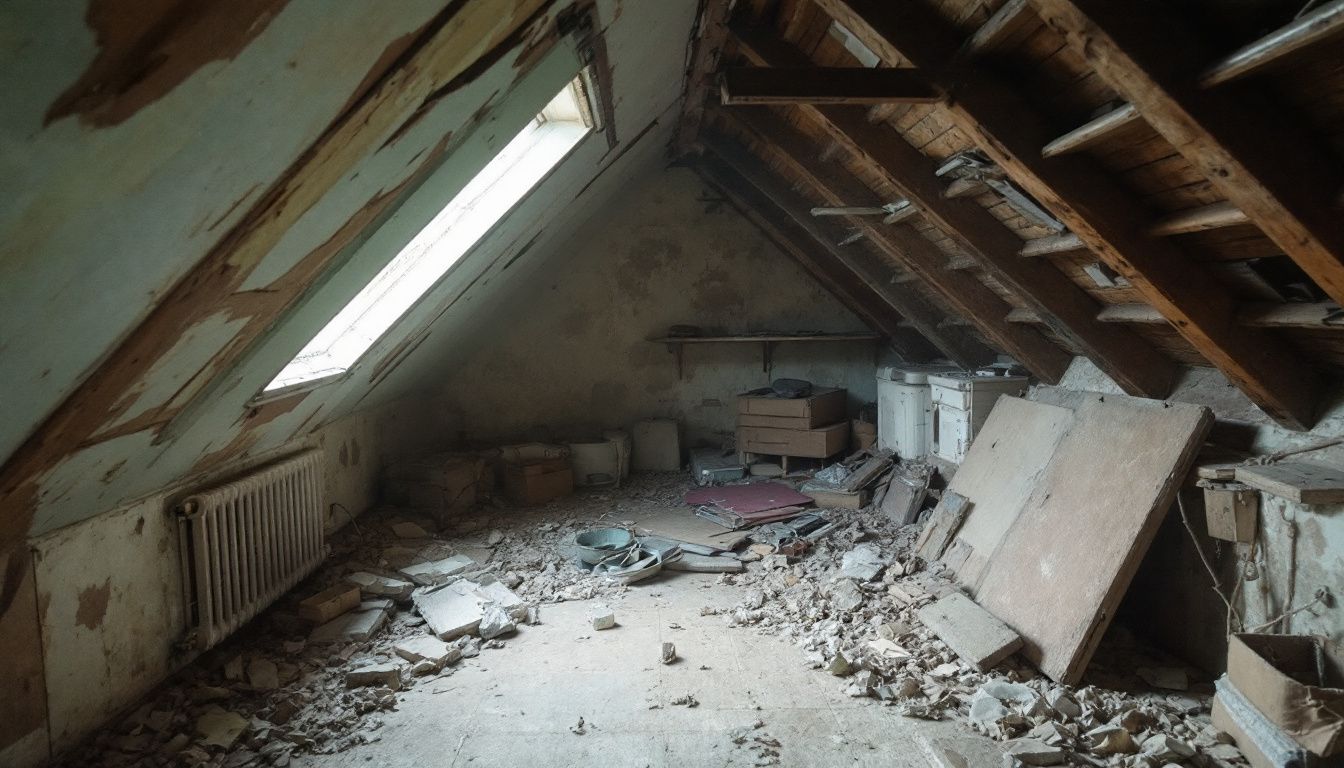
Asbestos Housing in the UK: What Every Property Owner and Tenant Needs to Know
Millions of UK homes contain asbestos — and most occupants have no idea it’s there. Asbestos housing is one of the most persistent safety challenges facing property owners, landlords, and tenants across Britain today. With an estimated six million homes still harbouring asbestos-containing materials (ACMs), understanding the risks, your legal obligations, and the practical steps available to you isn’t optional — it’s essential.
This isn’t a distant industrial problem. It’s in terraced houses, council flats, semi-detached properties, and Victorian conversions up and down the country. With the right knowledge and professional support, asbestos in housing can be managed safely and effectively.
Why Asbestos Housing Remains Such a Widespread Problem
Asbestos was used extensively in UK construction from the 1950s right through to its full ban in 1999. It was cheap, fire-resistant, and an excellent insulator — which made it enormously popular with builders for several decades. The legacy of that widespread use is still being felt today.
Any property built or significantly refurbished before the year 2000 could contain ACMs. Common locations include:
- Ceiling tiles and textured coatings such as Artex
- Floor tiles and the adhesive beneath them
- Pipe lagging and boiler insulation
- Roof sheets and soffit boards
- Partition walls and wall panels
- Garage roofs and outbuildings
- Window surrounds and guttering
The problem is compounded by the fact that asbestos doesn’t always look dangerous. In good condition, many ACMs pose a relatively low risk. But as buildings age, materials deteriorate — and that’s when fibres can become airborne and hazardous.
The Health Risks Linked to Asbestos in Housing
Asbestos fibres are microscopic. When disturbed, they become airborne and can be inhaled without any immediate sensation. Once lodged in the lungs, they cannot be removed by the body, and over time they cause serious, irreversible damage.
The diseases linked to asbestos exposure include:
- Mesothelioma — an aggressive cancer of the lining of the lungs or abdomen, almost exclusively caused by asbestos exposure
- Asbestosis — scarring of the lung tissue that progressively impairs breathing
- Asbestos-related lung cancer — particularly prevalent in those who smoked and were also exposed to asbestos
- Pleural thickening — swelling of the membrane surrounding the lungs, which can cause breathlessness
What makes these conditions particularly devastating is the latency period. Symptoms typically don’t appear until 15 to 60 years after initial exposure, meaning a diagnosis often arrives when the disease is already at an advanced stage.
Asbestos-related diseases kill thousands of people in the UK every year. The majority of these deaths are linked to occupational exposure, but domestic exposure — through DIY work, home renovations, and deteriorating building materials — is a growing and serious concern.
Legal Responsibilities Around Asbestos Housing in the UK
UK law is clear on the duties of those who own or manage properties containing asbestos. Failing to meet these obligations can result in significant fines, enforcement action, or in serious cases, prosecution.
The Control of Asbestos Regulations
The Control of Asbestos Regulations is the primary legislation governing asbestos management in the UK. It places a legal duty on those responsible for non-domestic premises — including landlords of commercial properties and communal areas in residential blocks — to manage asbestos. This is known as the “duty to manage.”
The duty to manage requires duty holders to:
- Identify whether ACMs are present in the building
- Assess the condition and risk of those materials
- Produce and maintain an asbestos register and management plan
- Share information with anyone likely to work on or disturb those materials
- Monitor the condition of ACMs regularly
The duty to manage applies specifically to non-domestic premises and the communal areas of residential blocks. Private domestic dwellings fall under different obligations, but landlords still carry significant responsibilities under other legislation.
The Housing Act and Landlord Obligations
The Housing Act gives local authorities the power to inspect properties and take enforcement action where hazardous materials — including asbestos — pose a risk to occupants. Under the Housing Health and Safety Rating System (HHSRS), asbestos is classified as a Category 1 hazard when it presents a serious risk, meaning councils can compel landlords to act.
The Landlord and Tenant Act reinforces this further, requiring landlords to maintain the structure and fabric of their properties in a safe condition. This includes addressing deteriorating asbestos materials that could put tenants at risk.
Tenants who discover damaged or deteriorating materials that may contain asbestos should report this to their landlord in writing immediately. If a landlord fails to act, tenants have recourse through the Housing Ombudsman Service or, in more serious cases, through the courts.
HSE Guidance and Best Practice
The Health and Safety Executive (HSE) publishes detailed guidance on asbestos management, including HSG264, which covers asbestos surveying. This guidance sets the standard for how surveys should be conducted, what they should cover, and how findings should be recorded and acted upon.
Following HSE guidance isn’t just good practice — it’s the benchmark against which compliance is measured if enforcement action is ever taken.
Asbestos Surveys: The Essential First Step
Before any decision can be made about managing or removing asbestos in a property, you need to know exactly what you’re dealing with. A professional asbestos survey is the only reliable way to identify ACMs, assess their condition, and determine the appropriate course of action.
There are two main types of survey relevant to residential and mixed-use properties.
Management Survey
A management survey is the standard survey for properties that are occupied and in normal use. It identifies ACMs that could be disturbed during everyday activities or routine maintenance, with the surveyor inspecting accessible areas, taking samples where necessary, and producing a detailed register showing the location, type, and condition of any ACMs found.
This survey forms the basis of your asbestos management plan and should be updated whenever the condition of materials changes or before any planned maintenance work.
Refurbishment and Demolition Survey
If you’re planning significant building work — anything from a kitchen refit to a full structural demolition — a demolition survey is required before work begins. This is a more intrusive survey that involves accessing areas which would normally remain undisturbed, ensuring that contractors know exactly what they may encounter before breaking into walls, floors, or ceilings.
Skipping this step isn’t just a legal risk — it can expose workers and residents to serious harm if ACMs are disturbed unknowingly.
Managing Asbestos in Place: When Removal Isn’t the Answer
One of the most common misconceptions about asbestos housing is that all asbestos must be removed immediately. In reality, ACMs that are in good condition and unlikely to be disturbed are often best left in place and managed rather than removed.
Disturbing asbestos unnecessarily during removal can actually increase the risk of fibre release. A well-maintained asbestos management plan — one that records the location and condition of ACMs, schedules regular monitoring, and ensures anyone working on the property is informed — is frequently the safest and most cost-effective approach.
An effective asbestos management plan should include:
- A detailed asbestos register with floor plans and photographs
- Risk ratings for each ACM based on condition and likelihood of disturbance
- Clear instructions for contractors and maintenance staff
- A schedule for regular condition monitoring
- Procedures for responding to accidental damage or deterioration
The plan must be a live document — not something produced once and filed away. It should be reviewed regularly and updated whenever circumstances change.
When Asbestos Removal Becomes Necessary
There are circumstances where managing asbestos in place is no longer viable and asbestos removal becomes the appropriate course of action. These include situations where materials are in poor condition and actively releasing fibres, where planned refurbishment work would disturb ACMs, or where a property is being prepared for demolition.
Removal must always be carried out by licensed contractors for certain types of asbestos — particularly friable materials such as sprayed coatings, lagging, and insulation board. The Control of Asbestos Regulations sets out which materials require a licensed contractor and which can be handled under a notification-only arrangement.
Modern asbestos removal techniques include:
- Full enclosures with negative pressure units to prevent fibre escape
- High-efficiency particulate air (HEPA) vacuum systems
- Wet removal methods to suppress dust during the process
- Air monitoring before, during, and after removal to verify safety
- Proper disposal in sealed, labelled bags to licensed waste facilities
Costs vary considerably depending on the volume of material, its type, and the complexity of the work. Cutting corners on asbestos removal is both illegal and potentially fatal — always use a licensed contractor.
The DIY Risk in Asbestos Housing
One of the most significant ongoing challenges in asbestos housing management is a persistent lack of awareness — particularly among private tenants and smaller private landlords. Many people who carry out DIY work in older homes have no idea they may be drilling into or sanding materials that contain asbestos.
A quick internet search before picking up a drill isn’t sufficient. If your property was built before 2000 and you’re planning any work that involves breaking into walls, ceilings, or floors, a professional survey should be your first step.
Common high-risk DIY activities in asbestos housing include:
- Drilling into walls or ceilings to hang pictures or shelves
- Sanding or scraping textured coatings such as Artex
- Removing floor tiles or stripping adhesive
- Cutting or breaking corrugated roofing sheets
- Removing old pipe lagging or boiler insulation
If you suspect you’ve disturbed asbestos, stop work immediately, leave the area, and seek professional advice before re-entering. Do not vacuum up debris with a domestic vacuum cleaner — this will spread fibres further and worsen the situation considerably.
Asbestos Housing and Social Housing Providers
Social housing providers — housing associations and local councils — manage some of the oldest residential stock in the UK. Many of these properties were built during the peak years of asbestos use, making asbestos management a central operational challenge for every responsible social landlord.
For social landlords, the obligations go beyond basic compliance. They have a duty of care to vulnerable residents who may have limited ability to advocate for themselves. This means proactive surveying, clear communication with tenants about ACM locations, thorough training for maintenance staff, and robust contractor management processes.
Maintenance staff working in social housing are at particular risk if they aren’t properly trained. UKATA (the UK Asbestos Training Association) sets the standard for asbestos awareness training in the UK, and all staff who may encounter asbestos in the course of their work should hold appropriate, up-to-date certification.
Failing to train staff adequately isn’t just an operational failing — it can expose the organisation to serious legal liability and, more importantly, put lives at risk.
Buying and Selling Properties With Asbestos
The presence of asbestos in a property doesn’t automatically make it unsaleable — but it does need to be handled transparently. Buyers and their solicitors will increasingly ask about asbestos during the conveyancing process, and sellers who have had a survey carried out are in a much stronger position to demonstrate due diligence.
For buyers, commissioning an asbestos survey before exchange of contracts is a sensible precaution, particularly for older properties. Understanding what ACMs are present, their condition, and the likely cost of management or removal allows you to factor this into your offer and avoid expensive surprises after completion.
Estate agents and solicitors are not qualified to advise on asbestos risk. If you have any concerns, commission an independent professional survey rather than relying on the seller’s assurances or a general property survey that may not have examined the issue in depth.
Regional Considerations: Asbestos Housing Across the UK
Asbestos housing isn’t confined to any particular region — it’s a national issue. However, areas with high concentrations of post-war social housing or industrial-era terraced properties tend to have a greater prevalence of ACMs.
If you’re based in the capital and need a professional assessment, our asbestos survey London service covers the full range of residential and commercial property types across the city. For properties in the north-west, our asbestos survey Manchester team operates across Greater Manchester and the surrounding area. And if you’re in the Midlands, our asbestos survey Birmingham service provides the same high standard of survey work across the region.
Wherever you are in the UK, local knowledge matters. Understanding the typical construction methods and materials used in a given area helps surveyors know where to look and what to expect.
What to Do If You Find or Suspect Asbestos in Your Home
If you discover a material you think might contain asbestos, the most important thing to do is leave it undisturbed. Don’t break it, sand it, drill it, or attempt to remove it yourself. Asbestos that is intact and in good condition is far less dangerous than asbestos that has been disturbed.
Follow these steps:
- Stop any work in the area immediately and keep others away from the material
- Assess the condition — is the material damaged, crumbling, or releasing dust? If so, treat it as higher risk
- Contact a qualified asbestos surveyor to inspect the material and take samples for laboratory analysis if needed
- Follow the surveyor’s recommendations — this may mean leaving the material in place with monitoring, encapsulating it, or arranging licensed removal
- If you’re a tenant, notify your landlord in writing and keep a record of the communication
Never attempt to identify asbestos by visual inspection alone. Many ACMs look identical to non-asbestos materials. The only way to confirm the presence of asbestos is through laboratory analysis of a sample taken by a trained professional.
Choosing the Right Asbestos Surveying Company
Not all asbestos surveyors are equal. When choosing a company to survey your property, look for the following:
- UKAS accreditation — the United Kingdom Accreditation Service accredits asbestos inspection bodies to ensure they meet the required standard
- P402-qualified surveyors — this is the recognised qualification for asbestos surveyors under the British Occupational Hygiene Society (BOHS) framework
- Clear, detailed reporting — your survey report should include photographs, floor plans, and a full register of findings
- Transparent pricing — be wary of unusually low quotes that may indicate corners are being cut
- Experience with your property type — residential, social housing, and commercial properties each present different challenges
A good surveyor will take the time to explain their findings clearly and help you understand what action, if any, is required. If a surveyor simply hands you a report without any explanation, that’s a warning sign.
Frequently Asked Questions
Does my home definitely contain asbestos if it was built before 2000?
Not necessarily, but the risk is significant. Any property built or substantially refurbished before 2000 could contain ACMs, as asbestos was used extensively in UK construction throughout the second half of the twentieth century. The only way to know for certain is to commission a professional asbestos survey. Visual inspection alone cannot confirm or rule out the presence of asbestos.
Is asbestos in my home dangerous if I leave it alone?
Asbestos that is in good condition and left undisturbed poses a relatively low risk. The danger arises when ACMs are damaged, deteriorating, or disturbed — releasing microscopic fibres into the air. If you know or suspect asbestos is present in your home, the priority is to monitor its condition regularly and avoid any activity that could disturb it. A management survey will help you understand exactly what you’re dealing with.
Am I legally required to remove asbestos from my home?
There is no blanket legal requirement to remove asbestos from a private domestic dwelling. However, landlords have legal obligations under the Housing Act and the Housing Health and Safety Rating System to ensure their properties are safe for tenants. Where asbestos presents a serious risk — for example, because materials are damaged or deteriorating — landlords can be compelled to act. If you’re planning refurbishment or demolition work, a survey and potentially removal will be legally required before work begins.
How much does an asbestos survey cost for a residential property?
Survey costs vary depending on the size of the property, its age, the type of survey required, and your location. A management survey for a typical residential property is generally more affordable than a full refurbishment and demolition survey, which involves more intrusive investigation. The best approach is to contact a qualified surveying company for a specific quote. At Supernova Asbestos Surveys, we provide transparent, competitive pricing with no hidden costs.
Can I carry out asbestos removal myself?
For certain lower-risk, non-licensed materials, it is technically possible for a competent person to carry out limited work under a notification-only arrangement. However, for the majority of asbestos removal work — particularly friable materials such as insulation board, sprayed coatings, and pipe lagging — a licensed contractor is legally required under the Control of Asbestos Regulations. Attempting to remove licensed asbestos materials yourself is illegal and extremely dangerous. Always seek professional advice before undertaking any work that may disturb asbestos.
Supernova Asbestos Surveys has completed over 50,000 surveys nationwide, working with private homeowners, landlords, housing associations, and commercial property managers. Whether you need a straightforward residential management survey or a complex multi-site programme, our UKAS-accredited team delivers clear, reliable results.
Call us today on 020 4586 0680 or visit asbestos-surveys.org.uk to book a survey or request a quote. Don’t leave asbestos to chance — get the facts from people who know what they’re doing.