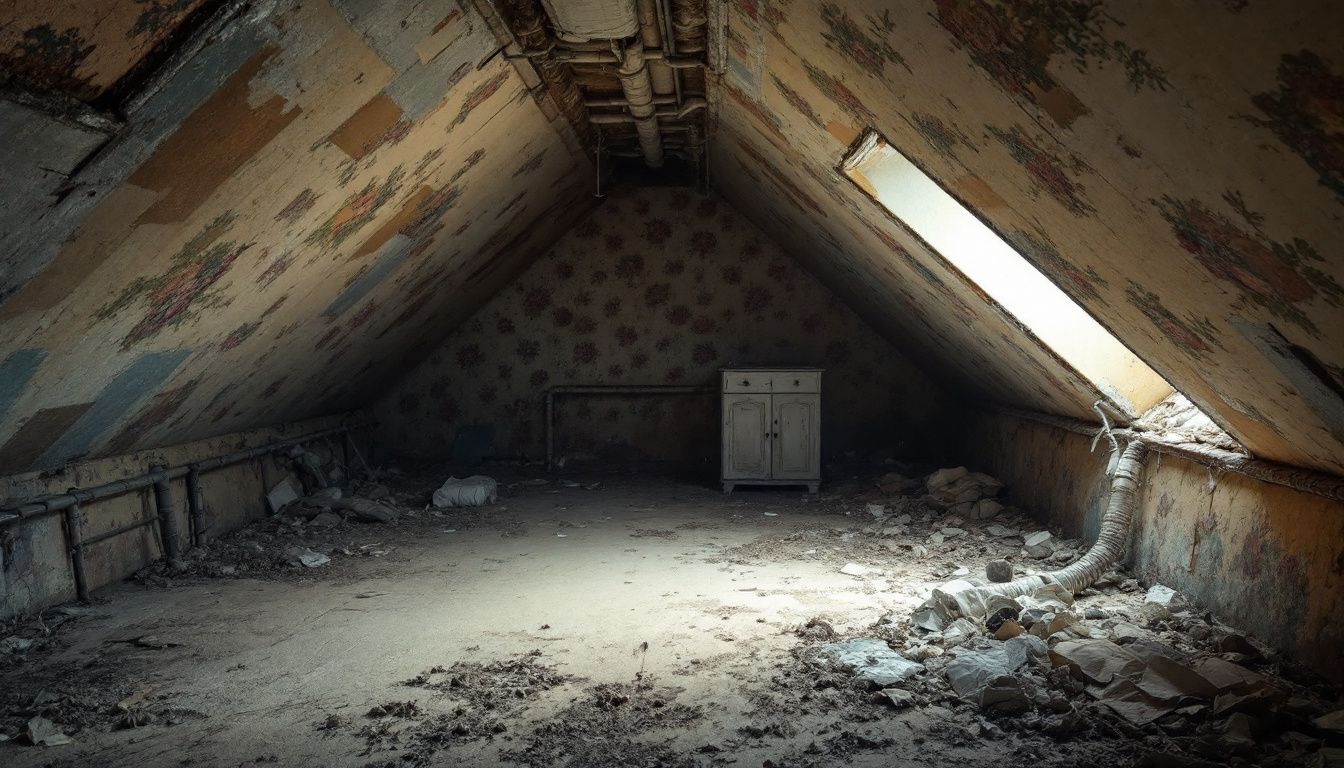
How to Spot Asbestos Before Your DIY Project Goes Wrong
Millions of UK homes built before 2000 contain asbestos — and most homeowners have no idea it’s there until they pick up a drill or a crowbar. Knowing how to spot asbestos before you start any renovation work could be the difference between a successful project and a serious health emergency.
Whether you’re stripping floors, ripping out a ceiling, or replacing old pipe lagging, read this before you lift a single tool.
Why Asbestos Is Still a Problem in UK Homes
Asbestos wasn’t fully banned in the UK until 1999. That means any property built or renovated before that date could contain asbestos-containing materials (ACMs). It was widely used because it was cheap, fire-resistant, and an excellent insulator — builders loved it, and it ended up in hundreds of different products.
The danger isn’t the material sitting undisturbed. The risk comes when ACMs are cut, drilled, sanded, or broken — releasing microscopic fibres into the air that can be inhaled. Those fibres can lodge permanently in lung tissue and cause diseases including mesothelioma, asbestosis, and lung cancer, often not appearing until decades after exposure.
If your home was built before 2000, assume asbestos may be present until proven otherwise.
Common Places Asbestos Hides in UK Homes
Asbestos doesn’t announce itself. It’s often buried inside materials that look completely ordinary. Here are the most common locations to check before starting any renovation work.
Insulation Materials
Loose-fill insulation in loft spaces and cavity walls was commonly made with asbestos in older properties. It can look like fluffy grey or white material — sometimes described as resembling candy floss or shredded paper.
Pipe lagging around boilers, hot water pipes, and heating ducts is another major concern, often wrapped in what looks like a thick, greyish bandage material. Disturbing this type of insulation without professional assessment is extremely high risk. If you’re planning any loft conversion or boiler replacement, get the area assessed first.
Floor Tiles and Adhesive
Vinyl floor tiles from the 1960s through to the 1980s frequently contained asbestos, particularly the classic 9×9 inch square format. The black bitumen adhesive used to fix them down can also contain asbestos — even if the tiles themselves are asbestos-free, the adhesive beneath may not be.
Don’t sand, scrape, or use a heat gun on old vinyl tiles. If they’re in good condition, the safest approach is often to leave them in place and lay new flooring on top.
Textured Ceiling Coatings and Artex
Textured ceiling coatings — Artex being the most well-known brand — were used extensively in UK homes from the 1960s through to the 1980s. Many formulations contained chrysotile (white asbestos). The distinctive swirled or stippled patterns you see in older properties are a visual cue worth noting.
Artex applied after the mid-1980s is less likely to contain asbestos, but you cannot tell by looking. Testing is the only reliable way to know.
Cement Sheets and Roof Panels
Asbestos cement was one of the most widely used building materials of the 20th century. It appears as flat or corrugated sheets used for roofing, soffits, fascias, garage roofs, shed roofs, and external wall cladding. It’s typically grey in colour and has a rough, slightly granular surface.
When in good condition, asbestos cement is relatively low risk. But cutting, drilling, or breaking it releases fibres rapidly. Many older garages and outbuildings across the UK still have asbestos cement roofs — check before you do any work on them.
Pipe Coverings and Boiler Flues
Pipe lagging and boiler flue insulation in properties built before 1985 is a particularly high-risk area. The lagging can appear as a grey or buff-coloured wrap around pipes, sometimes with a canvas-like outer layer.
Around older back boilers and solid fuel heating systems, asbestos board was often used as a heat shield. If you’re having a new boiler fitted or doing any plumbing work in an older property, flag this to your contractor and have the area assessed before work begins.
How to Spot Asbestos: Visual Clues and Their Limits
Learning how to spot asbestos visually is a useful first step — but visual inspection alone cannot confirm whether a material contains asbestos. Only laboratory analysis can do that. What visual checks can do is help you identify materials that warrant further investigation.
What to Look For
- Age of the property: Built before 2000? Treat suspect materials as potentially containing asbestos until tested.
- Fibrous texture: Materials with a fluffy, fibrous, or rope-like appearance, particularly around pipes or in loft spaces.
- Corrugated grey sheeting: On roofs, garages, or outbuildings — a classic sign of asbestos cement.
- Textured ceilings: Swirled, stippled, or patterned coatings applied before the 1990s.
- 9×9 inch floor tiles: Particularly common in kitchens and hallways of 1960s and 1970s homes.
- Grey or white pipe wrapping: Around boilers, central heating pipes, or in airing cupboards.
- Deterioration or damage: Crumbling, flaking, or water-damaged materials release fibres more readily and require urgent attention.
If a material ticks any of these boxes, stop work and arrange for testing before proceeding.
What Visual Inspection Cannot Tell You
Asbestos fibres are invisible to the naked eye. A material can look perfectly ordinary and still contain asbestos. Equally, a material that looks suspicious may turn out to be asbestos-free.
This is why professional asbestos testing is the only definitive way to confirm whether a material is safe. Don’t rely on colour, texture, or age alone to make a judgement call — if you’re not certain, treat it as suspect.
How to Test for Asbestos in Your Home
There are two main routes to getting materials tested: using a home testing kit or commissioning a professional survey. The right choice depends on the scale of your project and the risk level involved.
Home Asbestos Testing Kits
For straightforward situations where you need to test a specific material — a floor tile, a ceiling patch, a section of pipe lagging — an asbestos testing kit can be a practical starting point. These kits include sampling instructions, protective equipment, and sample bags that you send to an accredited laboratory for analysis.
The key rules when using a testing kit are:
- Wear nitrile gloves and a disposable FFP3 or P3 respirator before taking any sample.
- Dampen the material slightly before sampling to suppress any fibre release.
- Take a small sample — no larger than necessary — and seal it immediately in the provided bag.
- Clean the area with damp wipes, not a dry cloth or vacuum cleaner.
- Dispose of your gloves, wipes, and any other materials used in a sealed bag.
Laboratory analysis typically uses Polarised Light Microscopy (PLM) to identify asbestos fibres in the sample. Results are usually returned within a few working days.
Professional Asbestos Surveys
If you’re undertaking significant renovation work, a professional asbestos survey is strongly recommended — and in some circumstances legally required. A qualified surveyor will inspect the property systematically, take samples where necessary, and produce a written report detailing the location, condition, and risk level of any ACMs found.
For larger-scale projects or commercial properties, a full demolition survey is required under the Control of Asbestos Regulations before any intrusive work begins. Professional asbestos testing carried out by accredited surveyors gives you a legally defensible record and clear guidance on what can and cannot be disturbed.
Health Risks: Why Getting This Wrong Matters
Asbestos-related diseases kill more people in the UK each year than road traffic accidents. The diseases caused by asbestos exposure include:
- Mesothelioma: A cancer of the lining of the lungs or abdomen, almost exclusively caused by asbestos exposure. It is incurable.
- Asbestos-related lung cancer: Particularly associated with smoking combined with asbestos exposure.
- Asbestosis: Scarring of the lung tissue caused by prolonged exposure, leading to progressive breathlessness.
- Pleural thickening: Thickening of the membrane surrounding the lungs, which can restrict breathing.
The latency period — the time between exposure and symptoms appearing — can be anywhere from 15 to 40 years. That’s why many people underestimate the risk. There are no immediate symptoms to warn you that you’ve been exposed, and by the time a diagnosis is made, the damage has long been done.
Even a single, significant exposure event can be enough to trigger disease in some individuals. This is not a risk worth taking.
Safe Handling: What DIYers Must Know
If you’ve confirmed or strongly suspect asbestos is present, your first and most important step is to stop work. Don’t try to continue around it. The following guidance applies to situations where minor disturbance is unavoidable — it is not a licence to carry out asbestos removal yourself.
Protective Equipment Required
- A P3 or FFP3 disposable respirator — not a standard dust mask
- Disposable coveralls (Type 5 Category 3)
- Nitrile gloves
- Disposable boot covers
Working Safely Around Suspect Materials
- Never sand, drill, cut, or scrape materials you suspect may contain asbestos
- Keep materials damp to suppress fibre release if any disturbance is unavoidable
- Seal off the work area with polythene sheeting
- Use wet wipes to clean surfaces — never sweep or use a standard vacuum cleaner
- Seal all waste in heavy-duty, labelled asbestos waste bags
- Do not eat, drink, or smoke in the work area
Asbestos waste cannot go into your general household bin. It must be disposed of at a licensed waste disposal site — contact your local council for guidance on asbestos waste disposal in your area.
Where professional asbestos removal is required, always use a licensed contractor. Attempting to remove high-risk materials yourself is both dangerous and potentially illegal.
Legal Requirements for DIY Renovators in the UK
The Control of Asbestos Regulations set out clear legal duties for anyone working with or around asbestos. These regulations apply not just to contractors — they also affect homeowners carrying out DIY work.
What DIYers Are and Aren’t Allowed to Do
Homeowners carrying out DIY work in their own homes are generally exempt from the licensing requirements that apply to contractors. However, this does not mean you can do whatever you like. The exemption has limits, and it does not cover high-risk materials.
The following materials must only be removed by a licensed asbestos contractor:
- Sprayed asbestos coatings
- Asbestos insulating board (AIB)
- Loose-fill asbestos insulation
- Lagging on pipes and boilers
Attempting to remove these materials yourself is illegal and extremely dangerous. Licensed contractors must notify the HSE at least 14 days before commencing licensable work, and must carry out air monitoring during and after removal to confirm the area is safe.
Penalties for Non-Compliance
Breaching the Control of Asbestos Regulations can result in substantial fines and, in serious cases, prosecution. The HSE has the power to issue improvement and prohibition notices, stop work entirely, and pursue criminal proceedings.
This isn’t an area where cutting corners is worth the risk — legally or medically. HSE guidance under HSG264 provides clear standards for survey work, and any professional survey you commission should comply with those standards.
When to Call a Professional
The honest answer is: sooner than most people think. If your property was built before 2000 and you’re planning any renovation work that involves breaking into walls, floors, ceilings, or roof structures, a professional asbestos survey before you start is the sensible approach.
If you’re based in the capital, an asbestos survey London service can get a qualified surveyor to your property quickly. In the north-west, an asbestos survey Manchester team can assess your property before work begins. And if you’re in the Midlands, an asbestos survey Birmingham service covers the wider region with fully accredited surveyors.
Don’t wait until you’ve already disturbed something suspicious. By that point, the exposure has already happened. The cost of a professional survey is a fraction of the cost — financially and medically — of getting it wrong.
Frequently Asked Questions
Can you tell if something contains asbestos just by looking at it?
No. Visual inspection can help you identify materials that are likely to warrant further investigation — based on age, appearance, and location — but it cannot confirm the presence or absence of asbestos. Only laboratory analysis of a sample can do that. If you suspect a material, treat it as potentially hazardous and arrange for testing.
Is it safe to leave asbestos in place if it’s undamaged?
In many cases, yes. Asbestos-containing materials that are in good condition and are not being disturbed pose a much lower risk than damaged or deteriorating materials. The standard advice under HSE guidance is to manage ACMs in place where possible, rather than attempting removal. However, you should have the materials professionally assessed so their condition can be properly monitored.
What should I do if I’ve already disturbed a material that might contain asbestos?
Stop work immediately. Leave the area and close it off to prevent others from entering. Do not sweep or vacuum the area. Contact a licensed asbestos contractor for advice on decontamination and testing. If you’re concerned about exposure, seek medical advice and keep a record of the incident — this may be relevant for future health monitoring.
Do I need a professional survey for a small DIY job?
It depends on the scope and location of the work. For very minor tasks that don’t involve breaking into walls, floors, or ceilings, the risk may be lower — but if the property was built before 2000 and you’re unsure what’s inside the structure, a management survey or targeted sampling is always the safer option. For any significant renovation, a professional survey is strongly recommended.
Who is legally responsible if asbestos is disturbed during a renovation?
Responsibility depends on who is carrying out the work. Contractors have clear legal duties under the Control of Asbestos Regulations. Homeowners carrying out their own DIY work are in a different position legally, but they are still subject to restrictions on what they can and cannot disturb. If you hire a contractor, ensure they have carried out their own checks — but as the property owner, you also have a duty to inform them of any known asbestos risks.
Get Expert Help from Supernova Asbestos Surveys
Supernova Asbestos Surveys has completed over 50,000 surveys across the UK. Our fully accredited surveyors operate nationwide, providing management surveys, refurbishment and demolition surveys, and laboratory-tested sampling — all compliant with HSG264 and the Control of Asbestos Regulations.
If you’re planning renovation work and need to know how to spot asbestos or confirm whether materials in your property are safe, don’t guess. Get it confirmed by professionals who do this every day.
Call us on 020 4586 0680 or visit asbestos-surveys.org.uk to book a survey or request a quote.