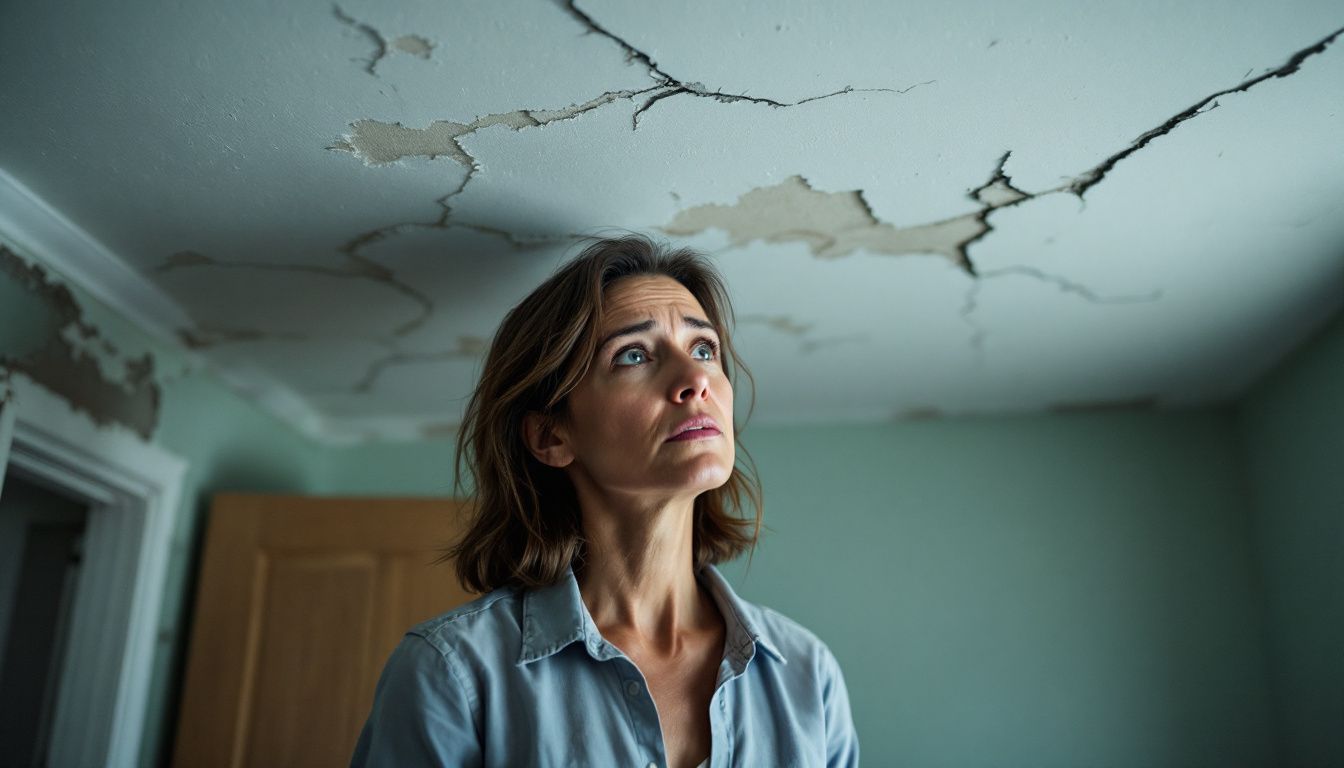
Before You Pick Up That Sledgehammer, Read This
That satisfying crack when a wall comes down can turn into something far more serious than a renovation project. For anyone tackling DIY home renovations, knowing when to seek professional help for asbestos is not just sensible — in many situations, it is a legal requirement.
The UK has millions of properties built before 2000, and a significant proportion contain asbestos-containing materials (ACMs) hidden in places most homeowners would never think to check. Understanding where asbestos hides, what the law demands, and when to put down the tools could quite literally save your life.
Why Asbestos Remains a Serious Hazard in UK Homes
Asbestos was used extensively throughout twentieth-century UK construction. It was cheap, fire-resistant, and durable — qualities that made it attractive to builders and manufacturers for decades. It was not banned from new construction until 1999, which means any property built or refurbished before that date could contain it.
The danger is not in the material sitting undisturbed. The danger comes when ACMs are drilled, sanded, cut, or broken — because that is when microscopic fibres are released into the air. Once inhaled, those fibres lodge permanently in lung tissue.
The diseases they cause — mesothelioma, asbestosis, and asbestos-related lung cancer — can take decades to develop, and they are irreversible. Asbestos-related disease remains one of the leading causes of occupational death in the UK, and many of these deaths result from exposure during renovation work, not industrial settings. That context matters enormously for anyone planning work on an older property.
Where Asbestos Hides in Older Properties
Before you lift a floorboard, strip back old insulation, or remove a ceiling tile, you need to understand just how many common building materials historically contained asbestos. It was not confined to industrial sites — it was woven into the fabric of ordinary domestic buildings.
Common Locations in Domestic Properties
- Textured coatings — Artex and similar spray or trowel-applied finishes on ceilings and walls frequently contained asbestos, particularly in properties decorated before the 1990s.
- Floor tiles and adhesives — Vinyl floor tiles, especially the 9-inch square variety common in kitchens and hallways, and the black bitumen adhesive beneath them, are a well-known source of ACMs.
- Pipe and boiler lagging — Older pipe insulation, particularly around boilers, tanks, and in airing cupboards, often used asbestos-containing materials.
- Ceiling tiles and boards — Ceiling tiles, soffit boards, and partition boards used in homes and garages from the 1950s through to the 1980s may contain asbestos cement.
- Roof and wall panels — Corrugated asbestos cement sheets were commonly used for garages, outbuildings, and flat roof extensions.
- Toilet cisterns and window panels — Some older cisterns, window sills, and soffits were manufactured using asbestos cement composites.
- Guttering and downpipes — Asbestos cement was a popular material for external drainage in mid-twentieth century construction.
The critical point is that ACMs do not always look unusual or suspicious. They can appear identical to non-hazardous materials. Visual inspection alone is never sufficient to confirm or rule out asbestos.
Identifying Asbestos: What to Look For Before You Start Work
During DIY home renovations, knowing when to seek professional help for asbestos starts with recognising warning signs before you touch anything. Grey-white fibrous materials visible in damaged or cut sections of insulation, ceiling boards, or floor tiles should be treated as potentially hazardous until proven otherwise.
Textured wall and ceiling coatings in properties built before 2000 deserve particular suspicion. If you are working in a property where the construction date is unknown, or where previous renovation work has been carried out without records, assume asbestos may be present until a professional survey confirms otherwise.
Why Visual Identification Is Never Enough
No one — not even a trained surveyor — can confirm the presence of asbestos by sight alone. The only reliable method is laboratory analysis of a sample taken from the suspect material. This is why professional asbestos testing is an essential first step before any significant renovation work begins.
If you suspect a material may contain asbestos, do not disturb it. Mark the area, keep others away, and arrange a professional assessment before work continues. The cost of a test is trivial compared to the cost of getting it wrong.
The Legal Framework: What UK Law Requires
The Control of Asbestos Regulations sets out clear legal duties for anyone who manages, disturbs, or removes asbestos in the UK. These regulations apply not just to commercial premises and employers — they extend to domestic property owners undertaking renovation work.
Licensable Work and HSE Requirements
Certain categories of asbestos work are classified as licensable, meaning they can only be carried out by a contractor holding a licence issued by the Health and Safety Executive (HSE). Licensable work includes the removal of most sprayed coatings, pipe lagging, and any materials in poor condition likely to release fibres when disturbed.
Licensed contractors must notify the HSE at least 14 days before licensable work begins. They must provide workers with appropriate health surveillance, maintain records of exposure, and ensure all asbestos waste is disposed of at a licensed hazardous waste facility.
Some lower-risk work — such as minor repairs to intact asbestos cement — may fall outside the licensable category, but still requires the person carrying it out to be trained and competent. For domestic homeowners without specialist training, the safest course is always to engage a professional.
Homeowner Responsibilities
If you own a property containing asbestos, you have a duty to manage it responsibly. Keep records of where asbestos is located, its condition, and any work carried out in relation to it.
Before engaging any contractors — plumbers, electricians, builders — inform them of any known or suspected asbestos locations so they can take appropriate precautions. DIY asbestos removal is not simply inadvisable — in most cases involving licensable materials, it is illegal. The HSE takes enforcement action against individuals who breach asbestos regulations, and penalties can include significant fines.
Which Type of Asbestos Survey Do You Need?
Before renovation work starts, the right type of survey depends on the scale and nature of what you are planning. Getting this right at the outset saves time, money, and risk further down the line.
Management Survey
A management survey is designed to locate and assess the condition of ACMs that could be disturbed during normal occupation and routine maintenance. It is appropriate for homeowners who want to understand what is present in their property before carrying out minor works, or as a baseline check before purchasing an older property.
The survey produces a detailed report identifying the location, type, and condition of any ACMs found, along with a risk assessment and management recommendations.
Refurbishment Survey
If you are planning significant renovation work — knocking down walls, replacing a roof, fitting a new kitchen or bathroom, or any work that will disturb the fabric of the building — you will need a refurbishment survey before work begins.
This is a more intrusive survey that involves accessing areas which will be disturbed during the renovation. It provides the information needed to ensure any asbestos present is identified and either removed or properly managed before contractors move in. HSE guidance document HSG264 sets out the standards that asbestos surveys must meet, and reputable surveyors will work in accordance with this guidance.
Sample Analysis
Where you have identified a suspect material and need a definitive answer without commissioning a full survey, professional sample analysis can provide laboratory-confirmed results. Samples must be taken safely and sent to a UKAS-accredited laboratory to ensure results are reliable and legally defensible.
When DIY Renovations Require Professional Asbestos Help
Understanding exactly when to stop and call in a professional is the most practical knowledge any DIY renovator can have. The following situations should always trigger a call to a licensed asbestos specialist before work continues:
- Removing or disturbing textured ceiling or wall coatings in a pre-2000 property
- Stripping or replacing pipe lagging or boiler insulation
- Demolishing or significantly altering internal walls, partitions, or ceiling systems
- Removing old floor tiles and adhesive in kitchens, hallways, or bathrooms
- Demolishing a garage, outbuilding, or extension that uses corrugated or flat sheet roofing
- Any work involving cutting, drilling, or sanding materials suspected to contain asbestos
- Clearing out loft spaces where loose-fill insulation is present
- Replacing guttering, soffits, or fascias on older properties
If you are in any doubt about whether the material you are about to disturb could contain asbestos, the right decision is always to stop and arrange asbestos testing before proceeding. No renovation timeline is worth the health consequences of getting this wrong.
The Real Cost of DIY Asbestos Removal
Some homeowners attempt to remove asbestos themselves to save money. The financial logic rarely holds up. Improper removal can contaminate an entire property, requiring extensive decontamination that costs far more than professional removal would have done in the first place.
Asbestos fibres do not stay in the room where work happened — they travel through ventilation systems, settle on soft furnishings, and can be carried on clothing to other parts of the home. The exposure risk extends to every person in the property, not just whoever did the work.
There is also the legal dimension. Illegally disturbing or disposing of asbestos can result in prosecution, substantial fines, and a requirement to fund professional remediation. The savings from avoiding professional help are almost never worth the financial, legal, or health consequences.
How Professional Asbestos Removal Works
Understanding what a licensed contractor actually does helps explain why professional asbestos removal is not optional for higher-risk work — it is the only way the job can be done safely and legally.
Preparation and Containment
Before any removal begins, licensed contractors seal off the work area using heavy-duty polythene sheeting and negative pressure enclosures. This prevents fibres from escaping into adjacent areas. Warning signs are posted, and access is restricted to trained personnel wearing appropriate respiratory protective equipment (RPE) and disposable coveralls.
Removal Techniques
Wet methods are used wherever possible to suppress fibre release — materials are dampened before removal to prevent dust becoming airborne. Industrial-grade HEPA vacuum equipment is used throughout, and the work area is air-monitored to ensure fibre levels remain within safe limits.
Waste Disposal
All asbestos waste must be double-bagged in heavy-duty polythene bags, clearly labelled with hazard warnings, and transported to a licensed hazardous waste disposal facility. This is a legal requirement under the Control of Asbestos Regulations.
Asbestos waste cannot be placed in general waste or taken to a standard household recycling centre. Always verify that your contractor can provide documentation of compliant waste disposal before appointing them.
Choosing the Right Asbestos Professional
Not all contractors offering asbestos services are equally qualified. Knowing what to check before you appoint anyone protects you both legally and practically.
What to Verify Before Appointing a Contractor
- HSE licence — For licensable work, check the contractor holds a current licence on the HSE’s public register. Do not take their word for it.
- UKAS accreditation — For surveying and testing, look for accreditation from the United Kingdom Accreditation Service, which confirms the laboratory or surveyor meets recognised competency standards.
- Insurance — Confirm the contractor carries adequate public liability and professional indemnity insurance before any work begins.
- Written method statement — Any reputable contractor should provide a written plan of how the work will be carried out, including containment, removal, and disposal procedures.
- Waste transfer documentation — Ask to see the waste consignment note confirming asbestos waste has been disposed of legally after the job is complete.
Cutting corners on any of these checks leaves you legally exposed if something goes wrong. The few minutes it takes to verify credentials can save considerable difficulty later.
Asbestos Surveys Across the UK
Whether your property is in the capital or further afield, professional asbestos surveying services are available nationwide. Supernova provides an asbestos survey London service for homeowners and landlords across the city, covering everything from Victorian terraces to post-war flats where ACMs are commonly found.
For properties in the north-west, our asbestos survey Manchester service covers the full range of residential and commercial survey types, carried out by qualified surveyors working to HSG264 standards.
In the Midlands, our asbestos survey Birmingham team supports homeowners, landlords, and contractors with management surveys, refurbishment surveys, and sample analysis across the region.
Practical Steps Before You Begin Any Renovation
If you are planning renovation work on a property built before 2000, follow this sequence before any work begins:
- Establish the property’s age — Check title deeds, planning records, or ask the vendor or previous owner. If the property was built or significantly refurbished before 2000, treat asbestos as a realistic possibility.
- Commission the appropriate survey — For minor works, a management survey may suffice. For structural or intrusive work, a refurbishment survey is required before contractors start.
- Do not disturb suspect materials — If you find something that looks unusual during preliminary work, stop immediately and arrange testing before continuing.
- Share survey results with all contractors — Every tradesperson working on the property needs to know where ACMs are located before they start work.
- Arrange professional removal where required — If the survey identifies materials that must be removed before renovation proceeds, engage a licensed contractor to do so.
- Keep records — Retain copies of all survey reports, test results, and waste disposal documentation. These records have value if you sell the property or commission further work in future.
This process adds time and cost to a renovation project. It also protects you, your family, and any contractors from a risk that is entirely preventable with the right approach.
Frequently Asked Questions
Can I remove asbestos myself from my home?
For most asbestos-containing materials, DIY removal is either inadvisable or illegal under the Control of Asbestos Regulations. Licensable materials — including most pipe lagging, sprayed coatings, and ACMs in poor condition — must be removed by a contractor holding a current HSE licence. Even for lower-risk materials that fall outside the licensable category, specialist training and appropriate protective equipment are required. For domestic homeowners, engaging a licensed professional is always the safest and most legally sound option.
How do I know if my property contains asbestos?
You cannot tell by looking. Any property built or significantly refurbished before 2000 should be treated as potentially containing ACMs until a professional survey says otherwise. A management survey will identify the location and condition of asbestos in accessible areas, while a refurbishment survey is required before any intrusive or structural work begins. If you suspect a specific material, professional sample analysis can provide a laboratory-confirmed answer without commissioning a full survey.
What happens if I accidentally disturb asbestos during renovation work?
Stop work immediately. Evacuate everyone from the affected area and do not attempt to clean up the material yourself. Keep the area sealed and ventilated where possible, and contact a licensed asbestos contractor as soon as possible. They will carry out an air test to assess whether fibres have been released and arrange decontamination if required. Report the incident to the HSE if workers have been exposed. The sooner professional help is engaged, the better the outcome is likely to be.
Do I need an asbestos survey before selling my home?
There is no legal requirement to commission a survey before selling a residential property. However, if you are aware of asbestos in the property, you have a duty to disclose it to prospective buyers. Many buyers of older properties are now requesting survey results as part of their due diligence, and having a current survey report available can smooth the sales process and demonstrate responsible ownership.
How long does an asbestos survey take?
The duration depends on the size and complexity of the property and the type of survey required. A management survey of a typical three-bedroom house can often be completed within two to three hours. A refurbishment survey, which involves more intrusive inspection of areas to be disturbed during renovation, may take longer depending on the scope of the planned work. Your surveyor will give you a realistic timeframe when you book.
Get Professional Advice Before Your Renovation Begins
Supernova Asbestos Surveys has completed over 50,000 surveys across the UK, working with homeowners, landlords, and contractors who need reliable, accredited asbestos assessments before renovation work begins. Our surveyors work to HSG264 standards and provide clear, actionable reports that tell you exactly what is present, where it is, and what needs to happen next.
Whether you need a management survey to understand what is in your property, a refurbishment survey ahead of major works, or rapid sample analysis of a suspect material, we can help. We cover the whole of the UK, with local teams in London, Manchester, Birmingham, and beyond.
Call us on 020 4586 0680 or visit asbestos-surveys.org.uk to book a survey or speak to one of our team about your renovation project. Do not start work until you know what you are dealing with.