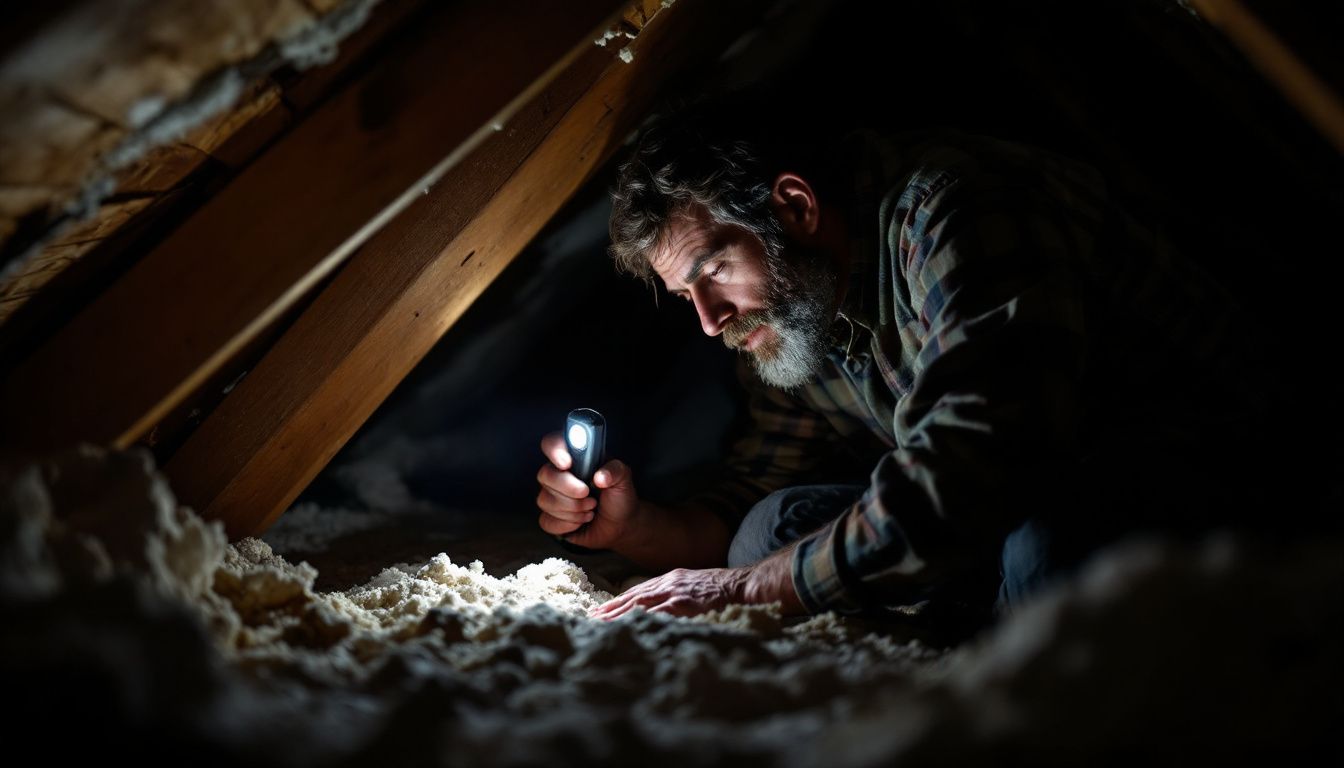
Asbestos in Your Home: Real Risks, Key Risk Factors, and the Precautions That Actually Matter
If your home was built before 2000, there is a genuine chance it contains asbestos-containing materials (ACMs). Understanding asbestos exposure in homes, risk factors, and precautions is not scaremongering — it is responsible property ownership. Asbestos fibres, when disturbed and inhaled, can cause life-altering and fatal diseases including mesothelioma and lung cancer, with a latency period that can stretch across several decades.
The reassuring reality is that asbestos in good condition and left undisturbed poses a low immediate risk. The danger arises when materials are damaged, deteriorating, or disturbed during renovation and repair work. Knowing where to look, when to act, and how to act safely makes all the difference.
Why Asbestos Was Used So Widely in UK Homes
Asbestos was once considered a wonder material. It is naturally fire-resistant, thermally insulating, chemically stable, and inexpensive to produce. From the post-war building boom through to the late 1990s, it was incorporated into hundreds of construction products used in residential properties across the UK.
The UK did not ban all forms of asbestos until 1999, meaning any property built or significantly renovated before that date could realistically contain ACMs. Homes built between the 1950s and 1980s carry the highest risk, though even properties renovated in the 1990s may have had older materials incorporated into their structure.
Where Asbestos Hides in Residential Properties
Asbestos does not announce itself. It was mixed into dozens of everyday building products, many of which look completely ordinary. Knowing where to look is the first step in managing asbestos exposure in homes and reducing the risk factors for you and your household.
Insulation
Pipe lagging, boiler insulation, and cavity wall insulation from older properties frequently contain asbestos. Sprayed coatings applied to structural steelwork or ceilings as fire protection are among the most hazardous forms — they are friable, meaning they crumble easily and release fibres readily.
Floor Coverings
Vinyl floor tiles and the adhesive used to bond them were commonly manufactured with asbestos. If you are planning to lift old flooring, this is a significant risk area. Even the bitumen-based adhesive beneath tiles can contain asbestos fibres.
Roofing and Guttering
Asbestos cement was widely used in corrugated roofing sheets, gutters, downpipes, and soffit boards. While asbestos cement in good condition is considered a lower-risk material, weathering and physical damage can cause it to become friable over time.
Textured Coatings
Artex and similar textured ceiling and wall coatings applied before the mid-1980s frequently contained chrysotile (white) asbestos. These coatings are found in a significant proportion of UK homes from that era. Sanding, drilling, or scraping them releases fibres directly into the living environment.
Asbestos Insulating Board and Cement Products
Asbestos insulating board (AIB) was used for partition walls, ceiling tiles, fire doors, and bath panels. It is more hazardous than asbestos cement because it is softer and releases fibres more easily when disturbed.
Patching Compounds and Sealants
Jointing compounds, plaster patching materials, and some sealants used prior to the 1980s may contain asbestos. These are easy to overlook because they appear to be ordinary filler or plaster.
Key Risk Factors for Asbestos Exposure in Homes
Not every home with asbestos presents an immediate danger. The risk factors for asbestos exposure in homes relate to the condition of the material, the type of asbestos present, and what activities are taking place in or around it. Understanding these factors helps you make informed decisions about when to act.
Age and Condition of the Property
Older properties, particularly those built between the 1950s and 1980s, are more likely to contain ACMs. As materials age and deteriorate, they become more likely to release fibres. Damp, physical impact, and general wear all accelerate this process.
Renovation and DIY Work
This is where the majority of residential asbestos exposure incidents occur. Drilling into walls, sanding ceilings, removing floor tiles, cutting through boards — all of these activities can disturb ACMs and release dangerous fibres into the air. Without prior testing, there is no way to know whether the material you are working with contains asbestos.
If you are planning any renovation work, commissioning a refurbishment survey before work begins is the legally correct and safest approach. It involves accessing concealed areas and taking samples from materials that will be disturbed — essential before any notifiable refurbishment or demolition work starts.
Type of Asbestos Present
There are three main types of asbestos found in UK buildings: chrysotile (white), amosite (brown), and crocidolite (blue). All three are hazardous, but amphibole fibres — amosite and crocidolite — are considered more dangerous because of their needle-like shape, which makes them more likely to lodge deep in lung tissue.
Chrysotile fibres are longer and curly, and while still hazardous, they are somewhat more likely to be cleared by the body’s natural defences. The presence of any asbestos type warrants professional assessment.
Fibre Persistence in Air
Once asbestos fibres become airborne, they can remain suspended for an extended period. This means that even a brief disturbance can result in prolonged inhalation risk if the area is not properly sealed and ventilated. Professional containment procedures are essential during any work involving suspected ACMs.
Repeated or Prolonged Exposure
While a single low-level exposure is unlikely to cause disease, repeated exposure significantly increases cumulative risk. Homeowners who have been unknowingly disturbing ACMs over years — through routine maintenance, decorating, or repairs — may have accumulated a meaningful level of exposure without realising it.
Health Consequences of Asbestos Exposure
The diseases caused by asbestos exposure are serious, often fatal, and have no cure. They include:
- Mesothelioma — a rare and aggressive cancer of the lining of the lungs or abdomen, almost exclusively caused by asbestos exposure
- Lung cancer — asbestos significantly increases the risk, particularly in combination with smoking
- Laryngeal and ovarian cancer — both have established links to asbestos exposure
- Asbestosis — a chronic scarring of the lung tissue that causes progressive breathlessness
- Pleural thickening — thickening of the lining around the lungs, which can restrict breathing
The latency period for these diseases is typically between 20 and 60 years. Someone exposed in their 30s may not develop symptoms until their 50s, 60s, or later. This long delay makes it difficult to connect the disease to its cause, and it is why asbestos-related illness remains a significant public health issue in the UK today.
Practical Precautions to Reduce Asbestos Exposure in Your Home
Managing asbestos exposure in homes and its risk factors requires a combination of awareness, professional input, and sensible precautions. Here is what responsible homeowners should be doing.
Do Not Disturb Suspect Materials
If you have an older property and are unsure whether a material contains asbestos, the safest immediate action is to leave it alone. ACMs in good condition and left undisturbed do not pose an immediate risk. The danger comes from disturbance.
Commission a Professional Survey Before Any Work
Before any renovation, refurbishment, or significant repair work, have the property surveyed by a qualified asbestos surveyor. A management survey provides a baseline picture of ACMs in your property — their location, condition, and risk rating. This is the foundation of any sensible asbestos management approach.
Once ACMs have been identified and left in place, they should be monitored over time. A re-inspection survey allows a qualified surveyor to assess whether the condition of known ACMs has changed and whether any action is required.
Use a Home Testing Kit for Initial Screening
If you want a preliminary indication of whether a specific material contains asbestos before commissioning a full survey, a testing kit allows you to collect a sample safely and send it for laboratory analysis. This is a practical first step, particularly if you are concerned about one specific area of your property.
Never Dry Sweep or Use a Standard Vacuum
If you suspect asbestos dust is present, do not dry sweep or use a domestic vacuum cleaner. Both actions disperse fibres into the air. Use a damp cloth for surface cleaning and, if the contamination is significant, contact a licensed contractor immediately.
Wear Appropriate Respiratory Protection
If there is any risk of asbestos exposure during work, use an FFP3 respirator rated to EN149 standards — not a standard dust mask, which provides no meaningful protection against asbestos fibres. Ensure it fits correctly and is worn throughout the task.
Manage Contaminated Clothing Carefully
Asbestos fibres can cling to clothing and be carried through the home, exposing other family members. Remove and bag contaminated clothing before leaving the work area. Do not shake it or carry it through living spaces.
Consider Encapsulation Rather Than Removal
In many cases, encapsulation — sealing ACMs with a specialist coating to prevent fibre release — is a safer and more cost-effective option than removal. Removal is not always necessary and should be the last resort rather than the default response.
When removal is required, always use a licensed contractor. You can learn more about professional asbestos removal options through Supernova, including what to expect from a licensed removal project.
Maintain an Asbestos Register
Once a survey has been completed, keep your asbestos register updated and accessible. If you let the property or engage contractors to carry out work, they must be made aware of any known ACMs before work begins. This is not just good practice — in many circumstances it is a legal obligation.
UK Regulations That Apply to Residential Properties
The Control of Asbestos Regulations set out the legal framework for managing asbestos in the UK. While the duty to manage asbestos under these regulations applies primarily to non-domestic premises, homeowners still have responsibilities — particularly when commissioning work that could disturb ACMs.
Under the regulations, any licensed contractor working with higher-risk asbestos materials must notify the relevant enforcing authority before work begins. Homeowners should always verify that any contractor they engage holds the appropriate HSE licence for the type of work being carried out.
HSG264 — the HSE’s definitive guidance on asbestos surveys — sets out the standards that qualified surveyors must follow. All Supernova surveys are conducted in full compliance with HSG264, and reports are structured to meet those standards precisely.
Additional Property Safety Considerations
Asbestos is not the only hazard that older properties may contain. If you are undertaking a thorough review of your property’s safety, it is worth also considering a fire risk assessment, particularly if the property is used as a house in multiple occupation (HMO) or has been converted into flats.
Fire and asbestos risks often intersect in older buildings, particularly where original fire-resistant materials containing asbestos have been removed or damaged. Addressing both risks together gives you a clearer, more complete picture of your property’s safety profile.
Supernova Asbestos Surveys: Covering the UK
Whether you are in the capital or the regions, Supernova has qualified surveyors ready to assist. If you need an asbestos survey in London, we offer same-week availability across all London boroughs. For those in the North West, our asbestos survey in Manchester service covers the full Greater Manchester area. In the Midlands, our asbestos survey in Birmingham team provides fast, fully compliant surveys for residential and commercial clients alike.
All Supernova surveyors hold BOHS P402 qualifications — the industry gold standard for asbestos surveying. Samples are analysed in our UKAS-accredited laboratory, and every report is fully HSG264-compliant, clearly written, and delivered promptly.
To book a survey or discuss your property’s asbestos risk, call us on 020 4586 0680 or visit asbestos-surveys.org.uk. Our team is available to advise on the right type of survey for your situation, whether you are a homeowner, landlord, or property manager.
Frequently Asked Questions
How do I know if my home contains asbestos?
The only way to confirm whether a material contains asbestos is through laboratory analysis of a sample. A professional asbestos survey is the most reliable approach, as a qualified surveyor will identify suspect materials, take samples safely, and provide a detailed report of findings. If you want to screen a specific material yourself first, a home testing kit can provide an initial indication before you commission a full survey.
Is asbestos in my home dangerous if I leave it alone?
Asbestos-containing materials that are in good condition and left undisturbed pose a low immediate risk. The danger arises when materials are damaged, deteriorating, or disturbed — for example, during drilling, sanding, or renovation work. If ACMs are present, the priority is to monitor their condition and ensure no work is carried out on them without prior professional assessment.
What should I do before starting renovation work on an older property?
Before any renovation or refurbishment work on a property built before 2000, you should commission a refurbishment survey from a qualified asbestos surveyor. This survey identifies and samples materials in areas that will be disturbed, ensuring that workers and occupants are not unknowingly exposed to asbestos fibres. It is a legal requirement before notifiable refurbishment or demolition work begins.
Can I remove asbestos from my home myself?
Some lower-risk asbestos work — such as removing certain asbestos cement sheets — can be carried out by a non-licensed contractor under specific conditions set out in the Control of Asbestos Regulations. However, higher-risk materials, including asbestos insulating board and sprayed coatings, must be removed by a contractor holding an HSE licence. In all cases, professional advice should be sought before any removal work takes place. Encapsulation is often a safer and more practical alternative to removal.
How often should asbestos in my property be re-inspected?
If a survey has identified ACMs that have been left in place, those materials should be monitored periodically to check that their condition has not deteriorated. The frequency of re-inspection depends on the type of material, its location, and the level of activity in the area. A re-inspection survey carried out by a qualified surveyor will assess the current condition of known ACMs and advise on whether any action is required.