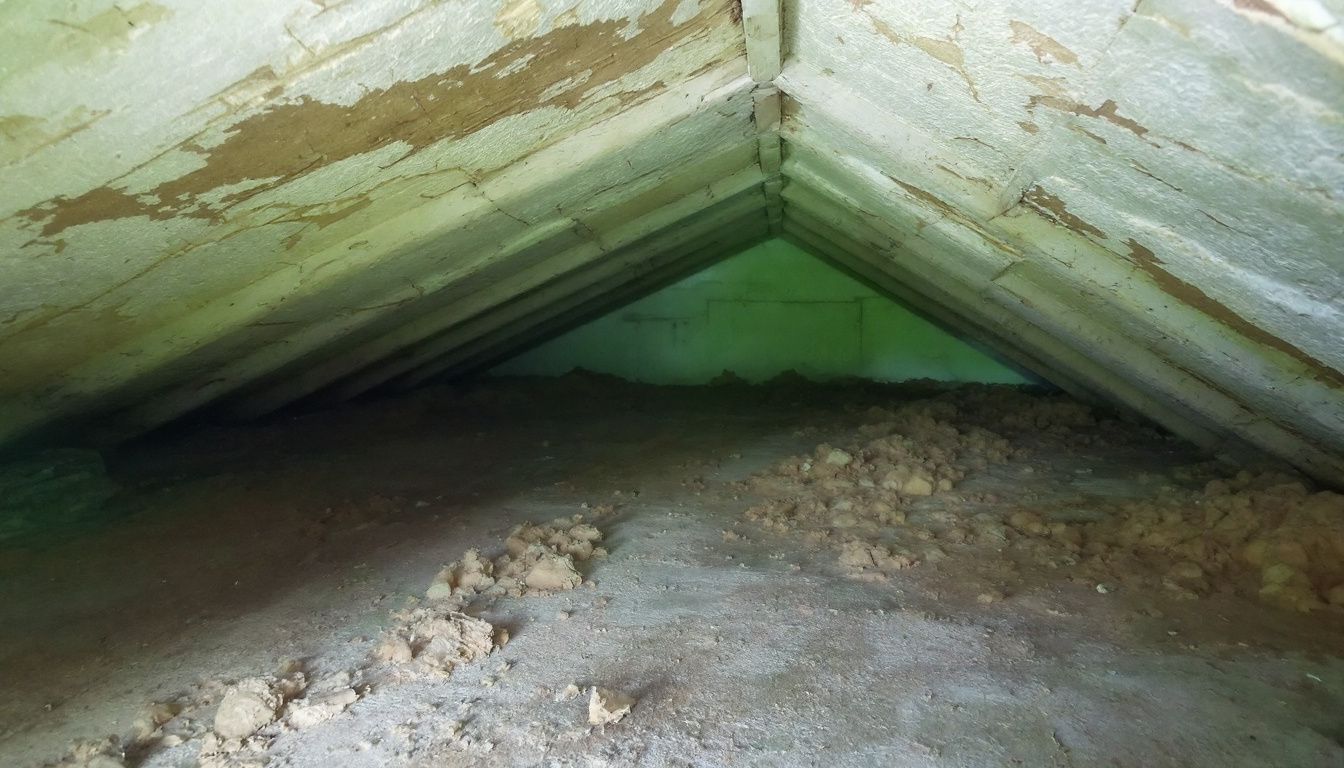
Asbestos Health and Safety: What Every Homeowner and Property Manager Needs to Know
Millions of UK homes built before 2000 contain asbestos — and most owners have no idea it’s there until a drill goes through a ceiling tile or a wall comes down during renovation. Asbestos health and safety isn’t a bureaucratic formality; it’s the difference between a safe building and one that quietly puts lives at risk for decades to come.
Whether you’re a homeowner planning a kitchen refit, a landlord managing a portfolio, or a facilities manager responsible for a commercial building, understanding your obligations and the practical steps involved could protect you, your family, and everyone who works on your property.
Why Asbestos Is Still a Serious Risk in UK Properties
Asbestos was used extensively in UK construction right up until its full ban in 1999. Any property built or refurbished before that date could contain asbestos-containing materials (ACMs) — and that covers an enormous proportion of the UK’s housing and commercial stock.
It was prized for its fire resistance, durability, and insulating properties, which is exactly why it ended up in so many different building products. Common locations include:
- Ceiling and floor tiles
- Pipe lagging and boiler insulation
- Artex and textured coatings
- Roof sheets and guttering
- Insulating boards around fireplaces and heating systems
- Soffit boards and garage roofs
When ACMs are in good condition and left undisturbed, the risk is relatively low. The danger arises when they’re damaged, drilled, sanded, or disturbed during renovation work — releasing microscopic fibres into the air that can be inhaled deep into the lungs.
Asbestos-related diseases — including mesothelioma, asbestosis, and lung cancer — can take decades to develop after exposure. There is no safe level of asbestos fibre inhalation, which is why the UK’s regulatory framework takes such a firm stance on management and removal.
Understanding the UK Legal Framework for Asbestos Health and Safety
Asbestos health and safety in the UK is governed primarily by the Control of Asbestos Regulations, which set out clear duties for employers, building owners, and contractors. The Health and Safety Executive (HSE) publishes HSG264 — the definitive guidance for asbestos surveying — which all competent surveyors are expected to follow.
The Duty to Manage
Under Regulation 4 of the Control of Asbestos Regulations, owners and managers of non-domestic premises have a legal duty to manage asbestos. This means identifying where ACMs are located, assessing their condition and the risk they present, and maintaining an up-to-date asbestos register.
This duty applies to offices, schools, hospitals, retail premises, and any other non-domestic building. Failing to comply can result in significant fines and, more critically, real harm to building occupants and workers.
Licensing Requirements for Removal
Not all asbestos work requires a licence, but high-risk materials — such as sprayed coatings, pipe lagging, and loose-fill insulation — must only be handled by a licensed contractor. The Control of Asbestos Regulations divides work into three categories:
- Licensable work — requires an HSE licence, formal notification, and medical surveillance
- Non-licensable notifiable work (NNLW) — doesn’t require a licence but must be notified to the relevant enforcing authority
- Non-licensable work — lower-risk tasks that can be carried out without a licence, though strict controls still apply
If you’re unsure which category applies to your situation, always consult a qualified professional before proceeding. Getting this wrong carries serious legal and health consequences.
Asbestos Health and Safety Protocols for Handling and Removal
Whether work is licensable or not, strict health and safety protocols must be followed whenever asbestos is disturbed. These aren’t optional — they’re legal requirements designed to protect workers and anyone else in the vicinity.
Personal Protective Equipment
Workers handling asbestos must wear appropriate PPE at all times. This includes:
- FFP3 or HEPA-filter respirators, correctly fitted and face-fit tested
- Disposable coveralls (Type 5 minimum)
- Gloves and shoe covers
- Safety goggles where there’s a risk of eye exposure
PPE is the last line of defence, not the first. Engineering controls — such as enclosures, wet methods, and local exhaust ventilation — should always be implemented before relying on PPE alone.
Control Limits and Air Monitoring
The Control of Asbestos Regulations set a control limit of 0.1 fibres per cubic centimetre of air, measured over a four-hour period. For licensable work, air monitoring must be carried out throughout the job and clearance air testing conducted before the enclosure is dismantled.
This isn’t just good practice — it’s a legal requirement. Air monitoring results must be recorded and kept for at least five years.
Decontamination Procedures
Anyone working in an asbestos enclosure must pass through a decontamination unit (DCU) before leaving the work area. This involves a three-stage process: removing contaminated coveralls, showering, and changing into clean clothing.
This step prevents fibres from being carried out of the work zone and into other areas of the building or the wider environment. It’s a non-negotiable part of any properly managed asbestos removal operation.
Training Requirements
All workers who may encounter asbestos — even if they’re not directly handling it — must receive appropriate asbestos awareness training. Those carrying out non-licensable work need additional training, while anyone doing licensable work requires full asbestos training covering safe systems of work, emergency procedures, and health surveillance.
Annual refresher training is strongly recommended to keep skills and knowledge current. Employers have a duty to ensure their workforce is adequately trained before any work begins.
Identifying Asbestos: Surveys and Sampling
You cannot identify asbestos by sight alone. Many materials that look perfectly ordinary contain fibres that are invisible to the naked eye. The only reliable way to confirm the presence of asbestos is through professional sampling and laboratory analysis.
Types of Asbestos Survey
There are several survey types, each serving a different purpose depending on your circumstances.
A management survey is the standard survey for occupied buildings. It identifies ACMs that could be disturbed during normal use and maintenance, providing the information needed to manage them safely and comply with the duty to manage.
A refurbishment survey is required before any renovation, refurbishment, or intrusive maintenance work. It’s more thorough than a management survey and covers all areas that will be disturbed during the planned works. This survey must be completed before contractors begin work on site.
Where a structure is being torn down, a demolition survey is required. This is the most thorough survey type, covering the entire building fabric to ensure all ACMs are identified and safely managed before demolition begins.
Once ACMs have been identified and a management plan is in place, regular monitoring is essential. A re-inspection survey checks the condition of known ACMs over time, ensuring that deterioration is caught early and the risk assessment remains accurate. Re-inspections should typically be carried out annually.
DIY Sample Testing
For homeowners who suspect a material may contain asbestos and want an initial answer before commissioning a full survey, a testing kit can be a practical first step. Samples are collected following safe procedures and sent to an accredited laboratory for analysis.
This is not a substitute for a professional survey in commercial or high-risk settings. But for residential properties, it can provide useful preliminary information. If results come back positive, the next step is always a professional survey and a proper management plan.
Proper Disposal of Asbestos Waste
Asbestos is classified as hazardous waste under UK environmental legislation, and its disposal is tightly regulated. Getting this wrong isn’t just dangerous — it can result in substantial fines.
The rules are clear:
- All asbestos waste must be double-bagged in heavy-duty polythene sacks
- Bags must be clearly labelled with asbestos hazard warnings
- Waste must only be transported in sealed, leak-proof containers
- Drivers transporting asbestos waste must hold appropriate hazardous waste training
- Disposal must take place at a licensed hazardous waste facility — not in general skip hire or household waste collections
If you’re arranging asbestos removal through a licensed contractor, they will handle disposal as part of the job. Always ask for a waste transfer note — this is your legal proof that the waste was disposed of correctly, and you should keep it for a minimum of three years.
Never attempt to dispose of asbestos in a standard skip, household bin, or council tip. Penalties for improper disposal can be severe, with unlimited fines possible in the Crown Court.
Asbestos Health and Safety for Residential Properties
While the duty to manage formally applies to non-domestic premises, homeowners still carry significant responsibilities — particularly when they employ contractors to carry out work on their property.
Under the Construction (Design and Management) Regulations, clients have duties to ensure that pre-construction information — including asbestos survey results — is provided to designers and contractors before work begins.
If you’re planning any renovation, even something as seemingly minor as knocking through a wall, fitting a new bathroom, or replacing a boiler, you should commission a refurbishment survey first. The cost of a survey is negligible compared to the cost of remediation if asbestos is disturbed unknowingly.
What to Do If You Suspect Asbestos Has Been Disturbed
If you think asbestos-containing material has been disturbed in your home or workplace, act quickly:
- Stop work immediately and clear the area
- Do not vacuum or sweep — this can spread fibres further
- Keep the area sealed and ventilated if possible
- Contact a licensed asbestos contractor to assess and remediate the situation
- Seek medical advice if you believe you’ve been exposed
Time matters in these situations. The faster you act, the more you can limit the spread of contamination and reduce the risk of further exposure.
Asbestos Health and Safety as Part of a Broader Building Safety Strategy
Asbestos health and safety doesn’t exist in isolation. For commercial and public-sector properties, it sits alongside other safety obligations — including fire safety.
A fire risk assessment is a legal requirement for most non-domestic premises, and the two disciplines frequently overlap. Fire-stopping materials, ceiling voids, and plant rooms are common locations for both fire hazards and ACMs.
A joined-up approach to building safety — covering asbestos management, fire risk, and structural condition — gives property managers a clearer picture of their overall risk profile and makes compliance far more manageable. Treating these as entirely separate obligations can leave dangerous gaps in your overall safety framework.
Supernova Asbestos Surveys: Expert Asbestos Health and Safety Support Across the UK
With over 50,000 surveys completed and more than 900 five-star reviews, Supernova Asbestos Surveys is one of the UK’s most trusted names in asbestos management. Our BOHS P402-qualified surveyors work to HSG264 standards on every job, and all samples are analysed at our UKAS-accredited laboratory.
We offer surveys nationwide. If you need an asbestos survey in London or an asbestos survey in Manchester, our local teams can typically attend within the same week.
Our pricing is transparent and fixed:
- Management Survey: From £195 for a standard residential or small commercial property
- Refurbishment & Demolition Survey: From £295, covering all areas to be disturbed
- Re-inspection Survey: From £150, plus £20 per ACM re-inspected
- Bulk Sample Testing Kit: From £30 per sample
- Fire Risk Assessment: From £195 for a standard commercial premises
All prices vary by property size and location. Get a free quote online or call us on 020 4586 0680. You can also find out more at asbestos-surveys.org.uk.
Frequently Asked Questions
What does asbestos health and safety involve for a typical homeowner?
For homeowners, asbestos health and safety primarily means knowing when to get a survey before carrying out any renovation or building work. If your property was built or refurbished before 2000, you should commission a refurbishment survey before any intrusive work begins. You also have duties under CDM Regulations to provide pre-construction information — including asbestos survey results — to any contractors you engage.
Is it illegal to have asbestos in your home?
No — it’s not illegal to have asbestos in your home. ACMs that are in good condition and left undisturbed pose a relatively low risk. The legal obligations relate to how asbestos is managed, handled, and removed. If you disturb or remove ACMs without following the correct procedures, that’s where you risk breaking the law and endangering health.
Who is responsible for asbestos health and safety in a commercial building?
Under Regulation 4 of the Control of Asbestos Regulations, the duty holder — typically the building owner or the person with responsibility for maintenance and repair — is legally required to manage asbestos in non-domestic premises. This includes identifying ACMs, maintaining an asbestos register, and ensuring anyone who might disturb ACMs is informed of their location and condition.
Can I remove asbestos myself?
Some very limited, lower-risk tasks involving certain non-licensable materials may be carried out by a competent person without a licence, but this is a narrow category and strict controls still apply. High-risk materials — including sprayed coatings, pipe lagging, and loose-fill insulation — must only be removed by an HSE-licensed contractor. If you’re in any doubt, always seek professional advice before touching any suspected ACM.
How often should an asbestos re-inspection be carried out?
As a general rule, known ACMs should be re-inspected annually to monitor their condition and ensure the risk assessment remains accurate. However, if an ACM is in a high-traffic area, is showing signs of deterioration, or is likely to be disturbed, more frequent inspections may be warranted. Your asbestos management plan should specify the re-inspection frequency for each identified material.