Why Every Landlord Needs a Property Risk Management Plan That Covers Asbestos
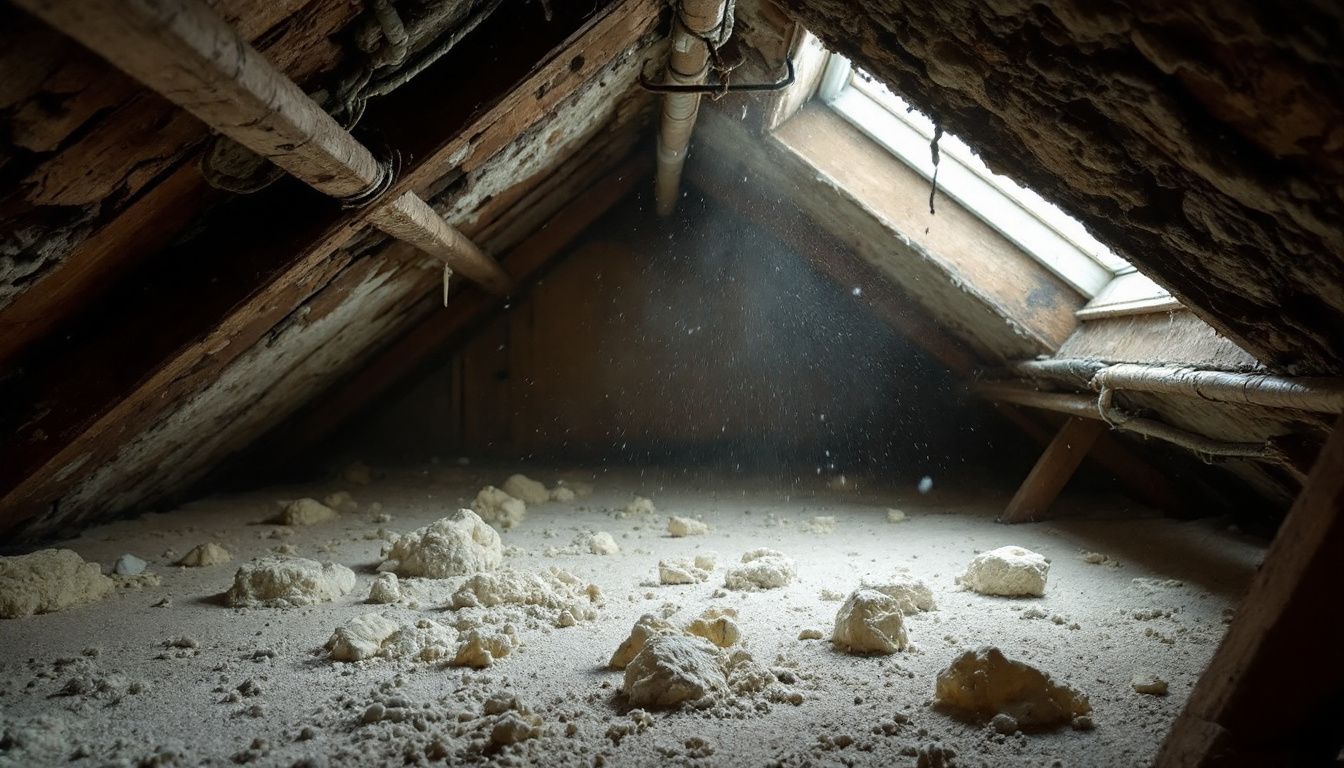
Asbestos doesn’t announce itself. It sits quietly inside walls, ceiling tiles, floor coverings and pipe lagging — completely invisible until someone drills, cuts or disturbs it. For landlords and property owners, that invisibility is exactly what makes a robust property risk management plan so essential.
Without one, you’re not just gambling with your tenants’ health. You’re gambling with your business, your finances, and potentially your freedom. The UK’s legal framework is unambiguous on this point: if you own or manage a non-domestic building, the duty to manage asbestos is yours.
Here’s what that duty actually looks like in practice, what your plan must contain, and how to stay on the right side of the law.
Your Legal Duties Under the Control of Asbestos Regulations
The Control of Asbestos Regulations place a clear legal obligation on the owners and managers of non-domestic premises to identify asbestos-containing materials (ACMs), assess the risk they pose, and put a plan in place to manage that risk. This is known as the Duty to Manage, and it sits at the heart of any credible property risk management plan.
Residential landlords also carry responsibilities, particularly in communal areas of flats and houses in multiple occupation (HMOs). If you manage a block of flats, the shared hallways, boiler rooms, roof spaces and stairwells all fall within scope.
What the Law Requires You to Do
- Identify whether ACMs are present in your building
- Assess the condition and risk of any ACMs found
- Record the location, type and condition of all ACMs in an asbestos register
- Produce and implement a written management plan
- Share information with anyone who might disturb the materials — contractors, maintenance workers, tenants
- Review and update the plan regularly
Tenants have the right to request a copy of your asbestos report, and you must provide it promptly. Failing to do so compounds any existing compliance failures. HSE guidance is clear: ignorance is not a defence.
What a Property Risk Management Plan Must Include
A plan that simply says “asbestos may be present” isn’t a plan — it’s a liability. A legally sound property risk management plan for asbestos needs to be specific, actionable and kept current.
An Accurate Asbestos Register
The register records the precise location of every ACM in the building, the type of asbestos identified, and its current condition. This document is the foundation of everything else. Without it, no contractor can safely plan any work, and no tenant can be properly protected.
The register should be updated every time a survey is carried out, any work disturbs ACMs, or conditions in the building change significantly.
A Risk Assessment for Each ACM
Not all asbestos is equally dangerous. Asbestos in good condition that’s unlikely to be disturbed poses a very different risk from damaged or friable material in a high-traffic area. Your plan must include a risk rating for each ACM, taking into account:
- The type of asbestos — crocidolite and amosite are more hazardous than chrysotile
- The material’s condition — is it intact, damaged or deteriorating?
- Its location — is it accessible and likely to be disturbed?
- Who is likely to come into contact with it
A Written Management Strategy
For each ACM, the plan must state what action will be taken. This might be to leave it in place and monitor it, to encapsulate it, or to arrange for removal. The chosen approach must be justified by the risk assessment — not by convenience or cost alone.
Timelines and Responsibilities
The plan must name who is responsible for each action and set realistic deadlines. Vague intentions don’t satisfy the duty to manage. If encapsulation is required within six months, that needs to be documented with a named responsible person.
Emergency Procedures
What happens if ACMs are accidentally disturbed? Your plan must include clear procedures for this scenario — who to call, how to isolate the area, and how to report the incident. Contractors and maintenance staff must be briefed on these procedures before any work begins.
The Role of Asbestos Surveys in Your Property Risk Management Plan
You cannot write a credible property risk management plan without first knowing what’s in your building. That means commissioning a professional asbestos survey carried out by a qualified surveyor following HSG264 guidance. There are different types of survey, and choosing the right one matters.
Management Surveys
A management survey is the standard survey for buildings in normal occupation. It identifies ACMs that could be disturbed during everyday activities and provides the information needed to manage them safely.
This is the survey most landlords need as a starting point. It forms the basis of your asbestos register and feeds directly into your written management plan.
Refurbishment Surveys
If you’re planning renovation work — even something as straightforward as replacing a kitchen or removing a partition wall — you need a refurbishment survey before work begins. This is a more intrusive survey that examines areas that will be disturbed.
It’s a legal requirement before any refurbishment or demolition work. Commissioning one after the fact isn’t an option.
Re-inspection Surveys
Once ACMs are identified and a management plan is in place, those materials need to be monitored over time. A re-inspection survey checks the current condition of known ACMs and updates the risk ratings accordingly.
These should typically be carried out annually, or more frequently where materials are in poor condition or at higher risk of disturbance.
Fire Risk and Asbestos: Two Hazards That Belong in the Same Plan
A property risk management plan that addresses asbestos but ignores fire risk is only doing half the job. Landlords and property managers have a parallel legal duty to carry out and maintain a fire risk assessment for non-domestic and communal areas of residential buildings.
The two assessments complement each other directly. Fire damage can disturb asbestos-containing materials and create a secondary exposure risk. Knowing where ACMs are located helps fire safety planners understand where additional hazards may arise in an emergency.
Integrating both into a single coherent property risk management plan is best practice — and it avoids the gaps that arise when the two are treated as entirely separate exercises.
Keeping Your Plan Current: The Importance of Regular Reviews
A property risk management plan is not a one-off exercise. Buildings change. Tenants change. Contractors carry out work. Materials deteriorate. The plan must keep pace with the building it’s designed to protect.
At a minimum, your plan should be reviewed:
- Annually, as a matter of routine
- After any refurbishment or maintenance work that may have disturbed ACMs
- When the building changes use or occupancy
- Following any incident involving suspected asbestos disturbance
- When a re-inspection survey reveals a change in condition of known ACMs
Keeping records of every review, every survey, and every action taken is just as important as the actions themselves. In the event of a regulatory inspection or a legal dispute, your documentation is your defence.
Communicating Asbestos Information to Tenants and Contractors
One of the most commonly overlooked aspects of asbestos management is communication. Your plan is only effective if the people who need the information actually have it.
Tenants should be told if ACMs are present in areas they occupy or have access to, what condition those materials are in, and what they should do if they suspect something has been disturbed. This doesn’t need to be alarming — most ACMs in good condition pose minimal risk when left undisturbed. But tenants deserve to know.
Contractors must be given access to the asbestos register and management plan before any work begins. This is a legal requirement, not a courtesy. A plumber who doesn’t know there’s asbestos insulation around the pipes they’re about to work on is a plumber who may inadvertently create a serious exposure incident.
The Consequences of Getting This Wrong
The consequences of failing to have and maintain a property risk management plan for asbestos are serious and wide-ranging.
Financial Penalties
Breaches of the Control of Asbestos Regulations can result in unlimited fines. Even relatively minor procedural failings — such as failing to provide an asbestos report to a tenant on request — can attract significant penalties from the HSE.
Criminal Prosecution
In serious cases, particularly where negligence has led to asbestos exposure, landlords and property managers have faced custodial sentences. Courts take a dim view of duty holders who knew about asbestos risks and failed to act.
Civil Liability
Tenants or workers who develop asbestos-related conditions as a result of exposure in your property may have grounds for civil claims. Mesothelioma, asbestosis and asbestos-related lung cancer are life-changing and often fatal conditions. The legal and reputational consequences of a successful claim can be catastrophic.
The Human Cost
Beyond the legal and financial risks, there’s the human cost. Asbestos-related diseases typically take decades to develop, meaning exposure today may not manifest as illness until many years later. The people most at risk are those who work in and around buildings regularly — maintenance workers, electricians, plumbers, and the tenants themselves.
What to Do If You’re Not Sure Whether Your Building Contains Asbestos
If your building was constructed or refurbished before 2000, you should assume asbestos may be present until a survey proves otherwise. Asbestos was used in an enormous range of building materials — textured coatings, floor tiles, ceiling tiles, pipe lagging, roofing felt, fire doors, and more.
If you’re uncertain whether specific materials contain asbestos, an asbestos testing kit can provide a starting point for residential properties, allowing samples to be collected and sent for laboratory analysis.
For commercial or larger residential properties, a professional management survey is the appropriate route. Never attempt to remove or disturb suspected asbestos-containing materials without professional guidance. If in doubt, leave it alone and call a qualified surveyor.
How Supernova Asbestos Surveys Supports Your Property Risk Management Plan
At Supernova Asbestos Surveys, we’ve completed over 50,000 surveys across the UK. Our BOHS P402-qualified surveyors follow HSG264 guidance on every visit, and all samples are analysed in our UKAS-accredited laboratory.
We provide a full asbestos register, risk assessment, and management plan — everything you need to meet your legal obligations and protect the people in your buildings.
We cover the whole of the UK. Whether you need an asbestos survey London property owners can rely on, an asbestos survey Manchester service, or an asbestos survey Birmingham team, we have local surveyors ready to attend — often within the same week.
Our pricing is transparent and fixed. A management survey starts from £195 for a standard residential or small commercial property. A refurbishment survey starts from £295. Re-inspection surveys start from £150. There are no hidden fees — you receive a fixed quote before we begin.
Ready to put a proper property risk management plan in place? Request a free quote online, or call our team on 020 4586 0680. We’re here to make compliance straightforward.
Frequently Asked Questions
What is a property risk management plan for asbestos?
A property risk management plan for asbestos is a written document that identifies all asbestos-containing materials in a building, assesses the risk each one poses, and sets out how those risks will be managed. It must include an asbestos register, individual risk assessments for each ACM, a written management strategy, named responsibilities, timelines for action, and emergency procedures. It is a legal requirement for duty holders under the Control of Asbestos Regulations.
Who is legally responsible for producing a property risk management plan?
The legal responsibility falls on the duty holder — typically the owner or manager of a non-domestic premises, or the person with control of the building. For communal areas of residential buildings such as blocks of flats and HMOs, the landlord or managing agent is responsible. If you’re unsure who the duty holder is for your property, seek professional advice before assuming someone else is covering it.
How often does a property risk management plan need to be reviewed?
At a minimum, the plan should be reviewed annually. It should also be reviewed after any refurbishment or maintenance work that may have disturbed ACMs, following any incident involving suspected asbestos disturbance, when the building changes use or occupancy, and whenever a re-inspection survey reveals a change in the condition of known materials. Every review should be documented.
Do I need a survey before I can write a property risk management plan?
Yes. A credible property risk management plan must be based on accurate, surveyed information about what ACMs are present in the building. Without a professional asbestos survey carried out in accordance with HSG264 guidance, any plan you produce is speculative and will not satisfy your legal duty to manage. A management survey is the appropriate starting point for most occupied buildings.
What happens if I don’t have a property risk management plan?
Failing to have a plan in place is a breach of the Control of Asbestos Regulations. The HSE can issue improvement notices, prohibition notices, and unlimited fines. In serious cases involving exposure incidents, criminal prosecution is possible. Landlords have faced custodial sentences where negligence has been established. Beyond the regulatory consequences, there is also the risk of civil claims from tenants or workers who suffer asbestos-related harm as a result of your failure to manage the risk.